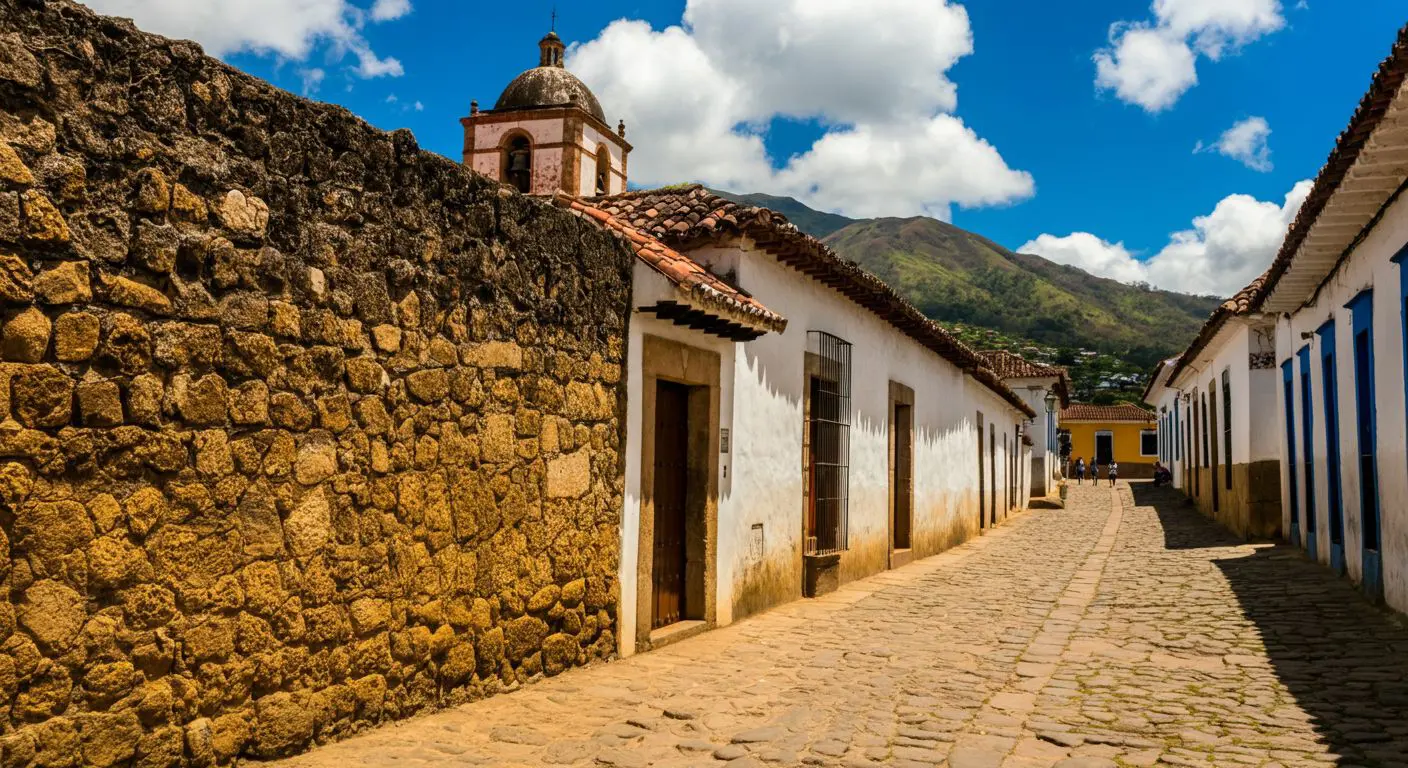
1) 567 million people speak Spanish in the world , this represents 7.8% of the world's population.
 2) It is the second most spoken native language in the world , after Mandarin Chinese, which has about one billion speakers.
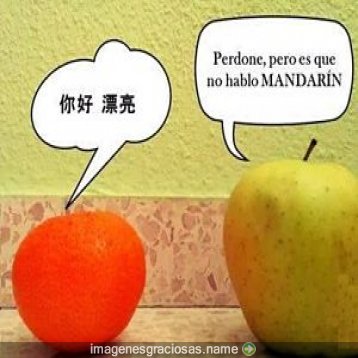 3) 19 countries have Spanish as an official language and 90% of Spanish speakers are in America.
 4) It is the fastest language , according to a study by the University of Lyon that gathered 59 people to read the same 20 texts aloud in 7 different languages. Speed is based on the number of syllables an average speaker can pronounce per second. After Spanish comes Japanese. Perhaps for this reason, the Japanese consider Spanish the easiest language to learn.
 5) World Spanish Language Day is celebrated on April 23 in honor of the Spanish writer Miguel de Cervantes , author of "The Ingenious Gentleman Don Quixote of La Mancha," the most published and translated book in history after the Bible. Cervantes died on April 22, 1616, but his death was recorded on the day of his burial, April 23, so that date was chosen.
 6) There are multiple variations of Spanish in the Americas . The Spanish spoken in the Andes Mountains includes the mountainous regions of Ecuador, Argentina, Peru, Chile, Colombia, and Venezuela. Andean people are generally the kindest and most respectful, speak formally, and tend to use many diminutives: pequeñito (little one), hijito (son), madrecita (little mother), among others.
 7) Paraguayan Spanish is deeply intertwined with the native Guarani language . Besides being spoken in Paraguay, it is also commonly heard in the provinces of Misiones, Corrientes, Formosa, and Chaco.
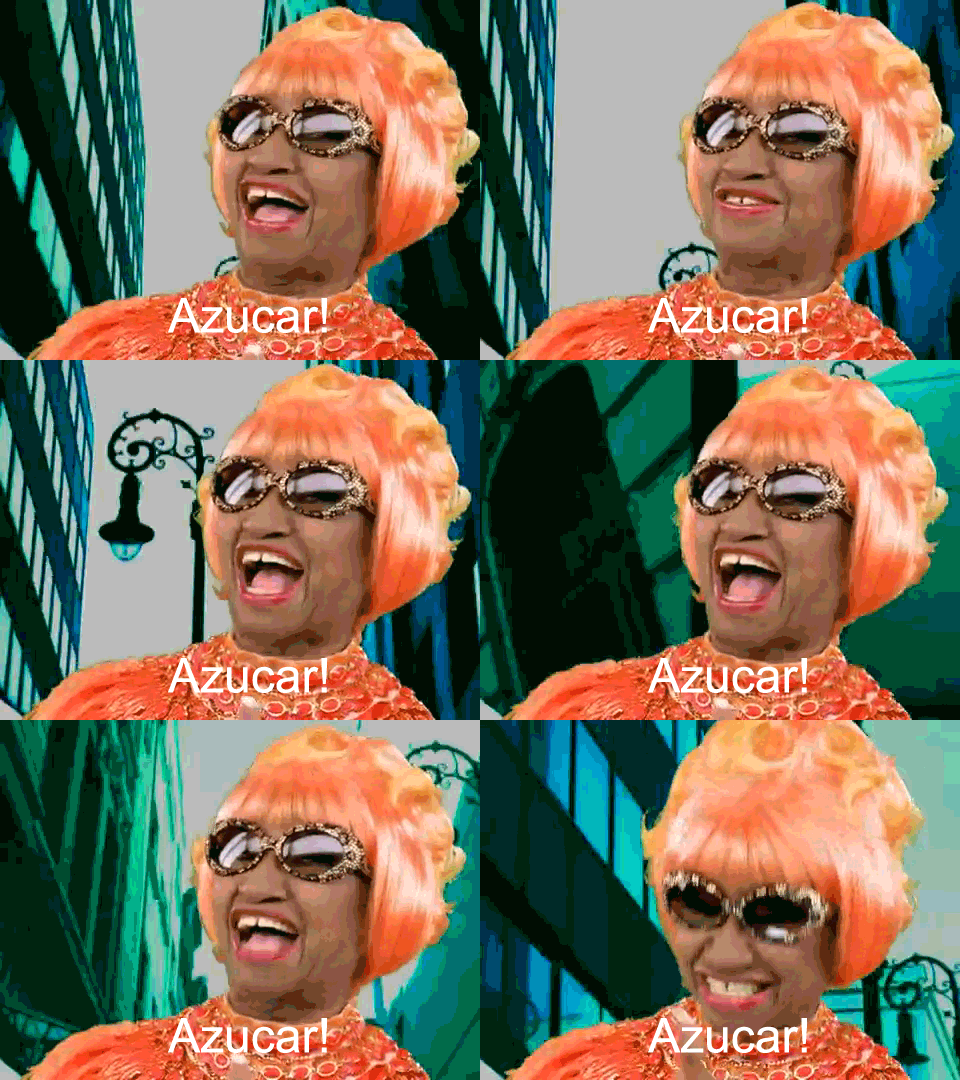
 8) Caribbean Spanish is deeply marked by idioms and has a strong influence from Andalusia and the Canary Islands of Spain. This variation is typical of Cuba, the Dominican Republic, Puerto Rico, Panama, and the coastal regions of Venezuela and Colombia. The accent is contagious, and you've surely heard this famous expression :
 9) Rioplatense Spanish is a dialect spoken in the province of Buenos Aires in Argentina and in Uruguay . It differs from the rest of Latin America for several reasons, the main one being the replacement of the pronoun "tú" with "vos." Some words have different stress patterns, and words with "elle" are pronounced like "ye" and in some regions like "sh." In Argentina, you will also hear about lunfardo , a slang term that arose from the immigration of the late 19th and early 20th centuries. When so many European citizens arrived with their own languages to live together in the same houses or tenements, they had to devise ways to communicate.
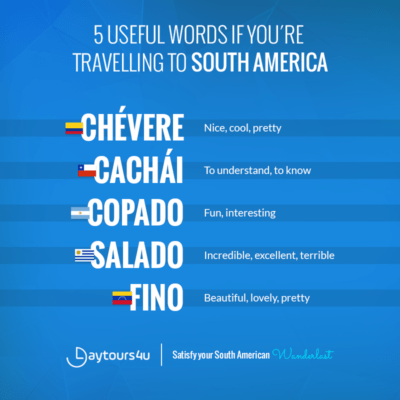 10) Spanish is not spoken in Brazil; the official language is Portuguese . For this reason, we suggest that all travelers avoid speaking to them in Spanish if it is not their native language, as they will probably not take it as a compliment. Instead, try to learn some basic words and phrases in Portuguese.

Discover the best of South American culture through its language. We know it can be difficult to understand the differences between each country, but you'll love our diversity . In any case, we hope that if you don't understand the meaning of a word, you won't make that Chris Rock face!

By: Daytours4u Content Team
Published by Has Chacon on 03/06/2026


