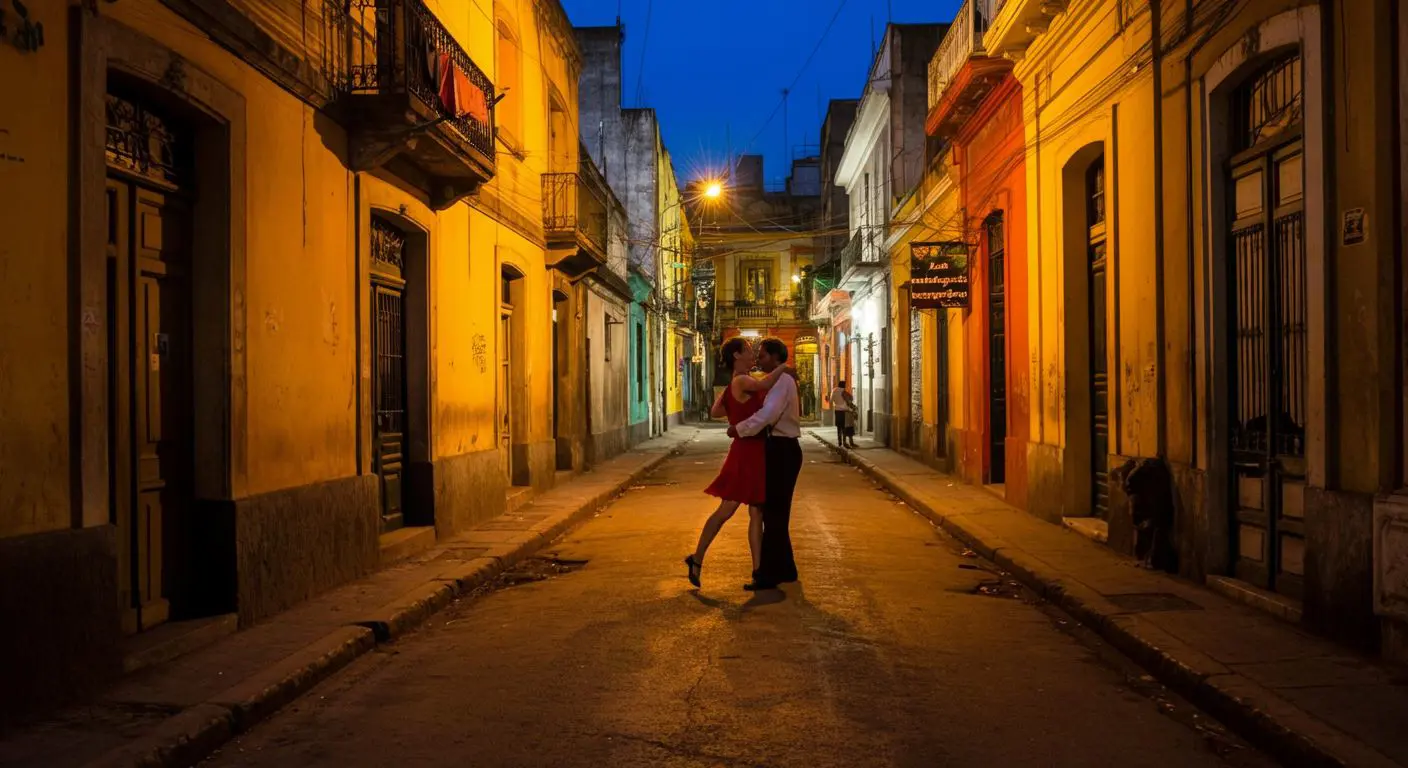
1- La Boca, birthplace of tango
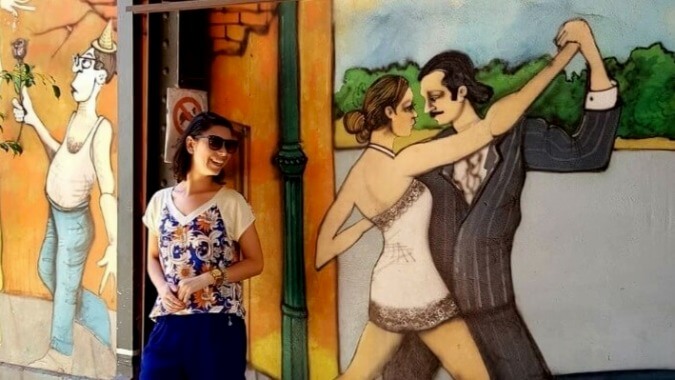 La Boca offers a path to the roots of tango, as it is one of the neighborhoods where this dance originated.
Located on the southeastern edge of Buenos Aires, on the Río de la Plata , precisely at the mouth of the Riachuelo River , La Boca offers a journey to the roots of tango. It is one of the neighborhoods where this dance originated, alongside the port's brothels . Its first inhabitants were mostly Italian immigrants drawn to the city by its port activity. During the last decades of the 19th century, they built their houses from wood and zinc and painted them with leftover paint from ships. This explains its colorful and distinctive appearance, which it retains to this day. A visit to La Boca wouldn't be complete without a stroll along the "Caminito." This is one of the city's most traditional and emblematic walkways, lined with bars, tenement houses, art galleries, and tango couples dancing in the street while being photographed by hundreds of tourists. Top 3 tours in La Boca: 2- Abasto, the neighborhood of childhood of great tango figures
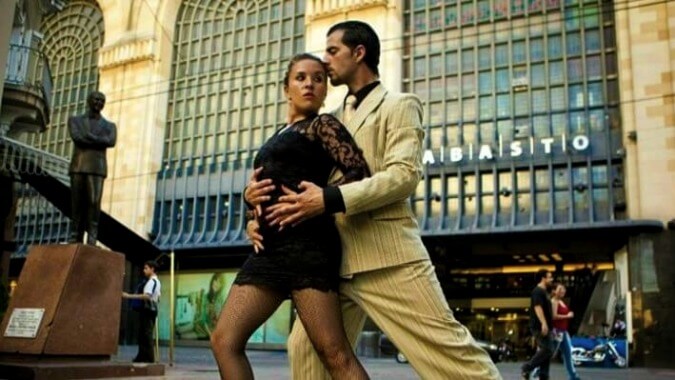 Carlos Gardel was born in the Abasto neighborhood.
This area is divided between the Balvanera and Almagro neighborhoods. It's renowned as one of the city's most tango-centric neighborhoods, as it's the birthplace of the great singer Carlos Gardel (who was aptly nicknamed "El Morocho del Abasto") and Aníbal Troilo, "the greatest bandoneon player of Buenos Aires ," composer and director of one of the most important tango ensembles in Argentina. A tour of the neighborhood can begin at the subway station, which leads to the "Paseo del Tango" (Tango Promenade) and is named after Carlos Gardel . Between Jean Jaures, Anchorena, Carlos Gardel, and Zelaya streets, you can visit a tango-themed circuit featuring life-size sculptures of important tango singers and composers such as Troilo, Goyeneche, and Tita Merello . It was inaugurated in 2014 with the aim of promoting its history and culture. You can visit the "Tango Walk" on your own or through guided tours where you'll learn more about these historical figures. Also in Abasto is the Carlos Gardel Museum , located in the house the singer bought for his mother in 1927. Inside, you'll find newspaper and magazine covers from the era, relics of the "Creole Nightingale," and a chronological journey through more than 800 of his recordings.3- Boedo, from bar to bar
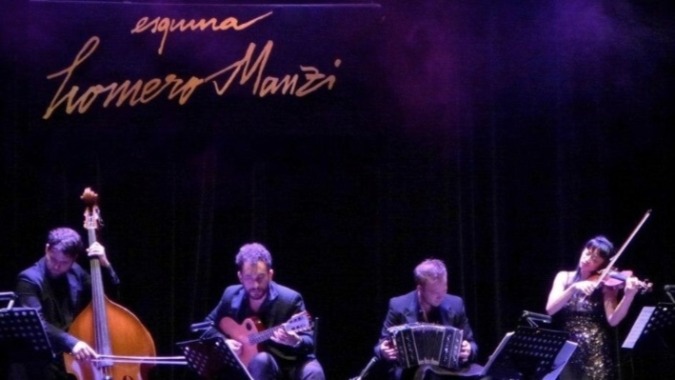 It was in many of the bars of Boedo where great composers gave rise to many Argentine tangos.
The classic corner of San Juan and Boedo streets was immortalized in the 1948 tango "Sur," through the lyrics of Homero Manzi , but the tango "Mi Boedo querido" by José Milano had existed long before. It was in many of the bars and cafes of this neighborhood that composers and musicians like Osvaldo Pugliese and Homero Manzi created great Argentine tangos. It is recommended to explore this area on foot or by bicycle , visiting each of its historical sites, such as neighborhood clubs, street corners that still have old lampposts, and typical bars. Among the emblematic places are: the Confitería "Trianón," the "Osvaldo Pugliese Corner ," the "Homero Manzi Corner," the Boedo Tango School, the "Esquina Sur" Bar, and the "Florida" Café . Travel tip: Book the Esquina Homero Manzi tango show online and experience the tradition of Boedo. 4- San Telmo and its typical mansions from the Golden Age of Tango
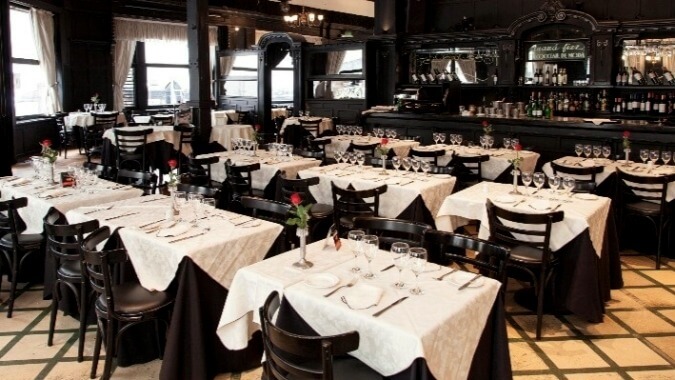 Here you'll find a wide variety of Tango Houses like "El Querandi"
San Telmo is steeped in the aroma of tango. Here you'll find a wide variety of tango venues, such as "El Viejo Almacén" and "El Querandi," where you can experience the most authentic expression of Argentine art. This typical neighborhood of old Buenos Aires, brimming with history, with restored houses from the early 1900s, traditional taverns, and cobblestone streets, is ideal for exploring on foot while discovering the city's past. It's recommended to visit on Friday or Saturday nights, as the central square, Plaza Dorrego , is lined with restaurants offering outdoor seating and live tango shows (pay what you wish). Top 3 tango shows in San Telmo: 5- Milongas and tango venues in Almagro
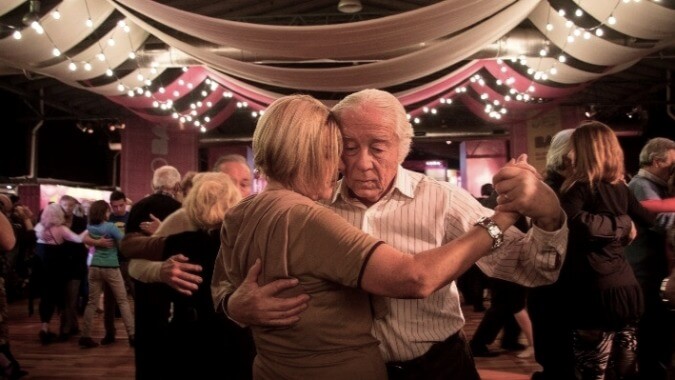 Almagro is full of milongas that invite you to come and practice
Almagro is one of the 48 official neighborhoods that make up Buenos Aires, and one of the most traditional. Located very close to the city center, it's easily accessible, with a bohemian atmosphere and a strong tango spirit. Many of the great figures of tango frequented its streets and bars. Within a few blocks, you'll find traditional spots like Roberto's Bar, founded in 1893 and declared a Notable Bar , where tango legends like Osvaldo Peredo and Ariel Ardit made their names. Almagro is full of milongas and cultural centers that invite you to come and practice, take beginner lessons, or simply enjoy an evening to the rhythm of the 2x4 . Book your Milonga Experience online and experience the Argentine rhythm firsthand!By: Daytours4u Content Team
Published by Has Chacon on 03/06/2026


