 The story of Zanjón de Granados will surprise you / Photo: Solange Maria de Souza
1- Its tunnels
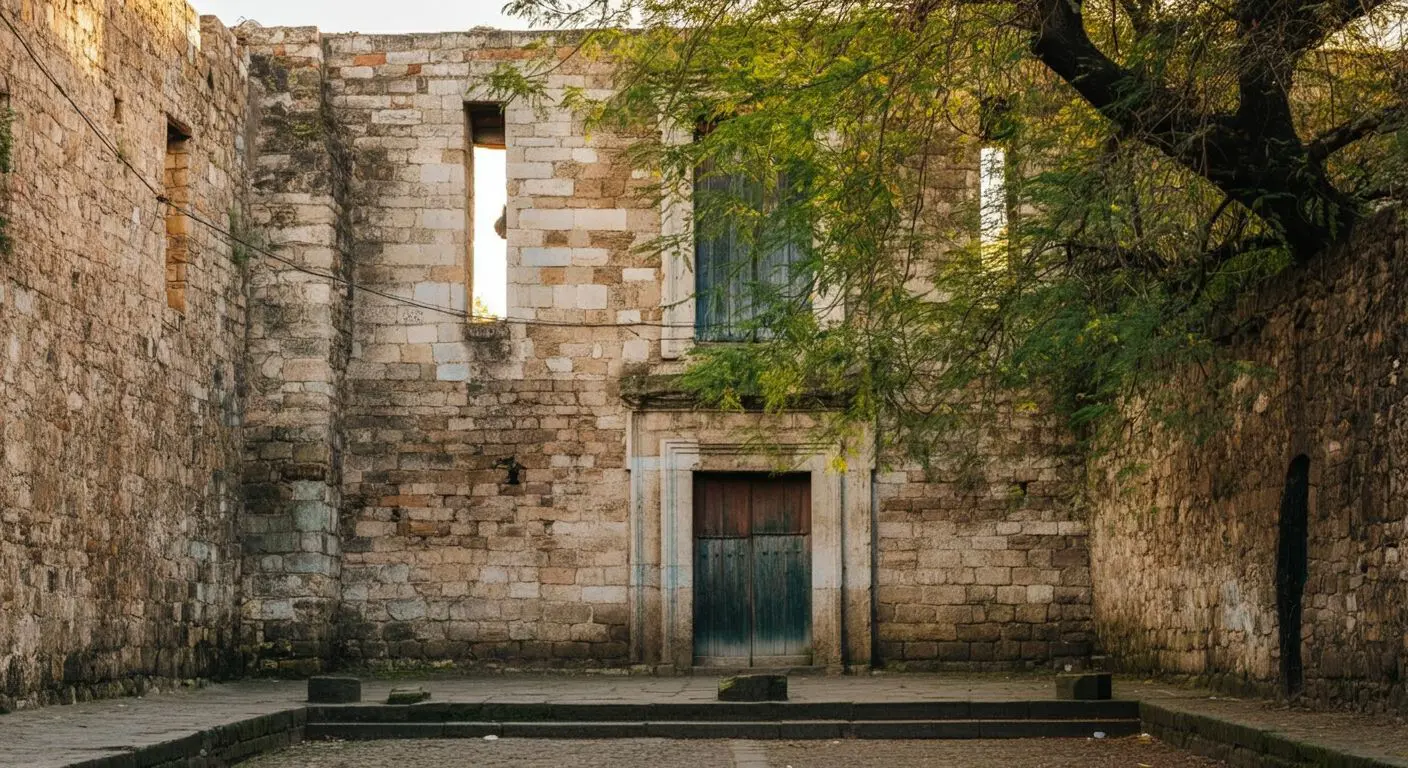
In 1985, chemical engineer Jorge Eckstein bought this Italianate-style house dating back to 1830 for the price of two cars. His idea was to turn the house into a restaurant. The house was in such a state of disrepair that Don Jorge, as he is affectionately known, had to enter from the second floor, climbing a ladder. The amount of trash, rats, rubble, and ruins he encountered did not discourage this visionary, who saw beyond the surface, seeing, in a way that seemed utopian to many, the potential of the grand house. Then something unexpected and fascinating happened: the architect who was renovating the house called Don Jorge with some rather curious news: "Don Jorge, we have a problem... we've found a tunnel." For a soul as versatile as his, this wasn't considered a problem, but something wonderful. So he hired a team of archaeologists from the renowned University of Buenos Aires (UBA) , led by the famous Daniel Schavelzon, who excavated the site and uncovered the history of these fascinating tunnels. The tunnels were actually part of the culverting of a stream called "Zanjón de Granados," built in the 19th century. To understand the course of this stream, we have to rewind history to more than 500 years ago.2- More than 500 years of history
When the first Spanish conquistadors arrived in 1536, Buenos Aires was a swamp. It had a few streams formed by rainwater that flowed from the higher parts of the city to the Río de la Plata , which at that time reached the level of Paseo Colón Avenue. The stream that formed south of the city, flowing down from what is now the Constitución Train Station, was called the Zanjón de Granados. It is said that its name comes from the Granados family, who lived on its banks and whose daughters sold a wonderful quince paste, so delicious that it gave the stream its name. Over time, the townspeople, lacking awareness of basic hygiene, used the stream as an open-air dump. Even dead animals were thrown there, in the hope that rainwater would carry their remains to the river, but it often took a long time for rain to fall, and the strong odor and soil contamination were inevitable. Therefore, in the 19th century , the streams began to be channeled.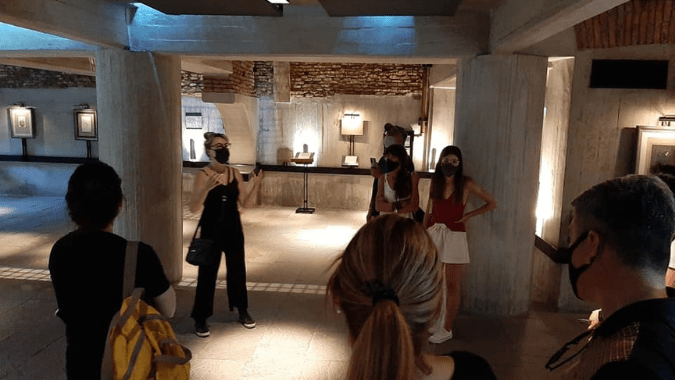
Explore the hidden tunnels beneath the city of Buenos Aires / Photo: Solange Maria de Souza
3- The Afro-descendant past of Buenos Aires
The Miguens family commissioned the construction of the house in 1830. The house is built in the famous Pompeian style, a style that aristocratic families sought to emulate after the 18th-century discovery of the Roman ruins of Pompeii and Herculaneum. Pompeian houses are characterized by having three courtyards: one with a public area for receiving visitors, a second used only by the family, and a third containing the vegetable garden, where the horses slept, and where the household staff could find some peace and quiet. Documents revealed that the Miguens family owned six enslaved people of African origin. Even pipes of African origin were found. Interestingly, although it is difficult to find an Argentine of African descent today (at least superficially), the words "tango" and "milonga" are of African origin. During the tour, several interesting facts about slavery in the Río de la Plata region are shared.4- The story of The Tenement
In 1871, the city of Buenos Aires suffered one of the most horrific moments in its history. A third of its population died from a yellow fever epidemic, prompting wealthy families living in the south of the city to immediately relocate north to what are now theRecoleta and Retiro neighborhoods , where they built their French-style palaces. At that time, Argentina was one of the richest countries on the planet, known as "the farm of the world," and this was reflected in its architecture—a wealth the country still possesses today and which impresses its visitors. The house remained abandoned for some years until it was converted into a tenement to house some of the thousands of immigrants from different countries around the world who arrived at the Port of Buenos Aires in search of better living conditions. This house, which housed about 15 people in the Miguens' time, ended up being home to 100 immigrants from different parts of the world, who shared two bathrooms and one kitchen... can you imagine? The place functioned as a residence until the 1970s, when it was closed due to the danger of collapse.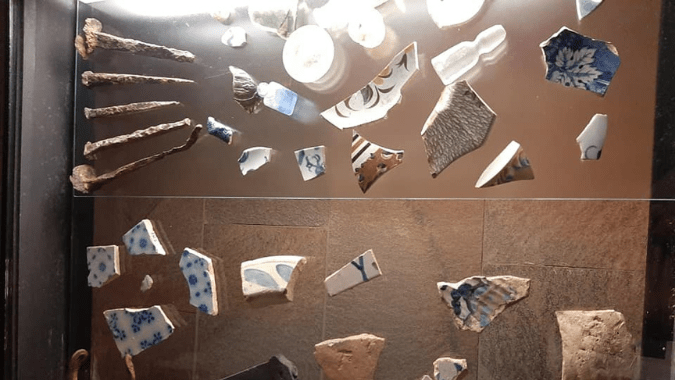
Admire a part of Buenos Aires with history told in a different way / Photo: Solange Maria de Souza
5- Don Jorge's passion
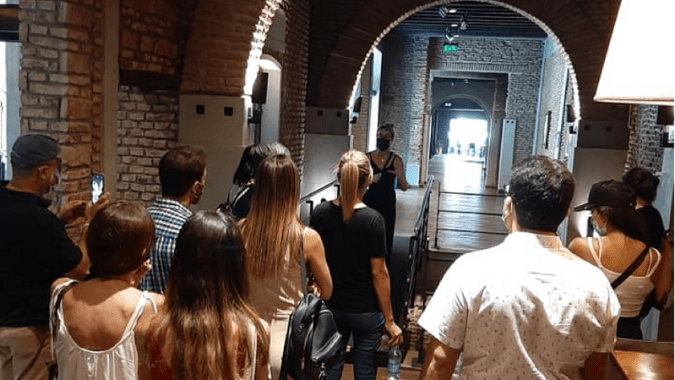
It's quite a story, isn't it? But on the one-hour tour, you learn even more, and in the best possible way: through experience. That's why it's a visit suitable for all ages. Children follow the story with shining eyes, and for seniors and those with reduced mobility, the museum offers elevators. Come to Buenos Aires with Daytours4u and enjoy a unique program that will enrich your spirit and intellect. Explore the tunnels like in the movies, learn more about urban archaeology—that still relatively unexplored discipline—and discover Buenos Aires from the inside out—it's one of those experiences that stays with you forever. Another great thing is that this private museum, recognized by UNESCO, offers fair prices, depending on the visitor's country of origin. Maintaining this space filled with memories isn't easy, but it benefits from the dedication and tireless effort of Don Jorge, who, at 80 years old, still receives visitors and leads guided tours overflowing with passion, enthusiasm, and love for each of these bricks that he rescued with the soul of an artist. Thank you so much, Don Jorge! Travel tip: Another iconic Buenos Aires landmark belonging to the museum is the Casa Mínima, the narrowest house in Buenos Aires . Also known as "The House of the Freed Slave," it's a place steeped in legend and can be explored on a guided tour. Purchase both tours and receive a special discount. Come and see them for yourself!By: Marina Bohn, guide for Daytours4u and the Zanjón de Granados . She has also guided tours of the Casa Rosada and the Palacio Barolo. A Brazilian woman who has fallen head over heels for Buenos Aires.
Published by Has Chacon on 03/06/2026


