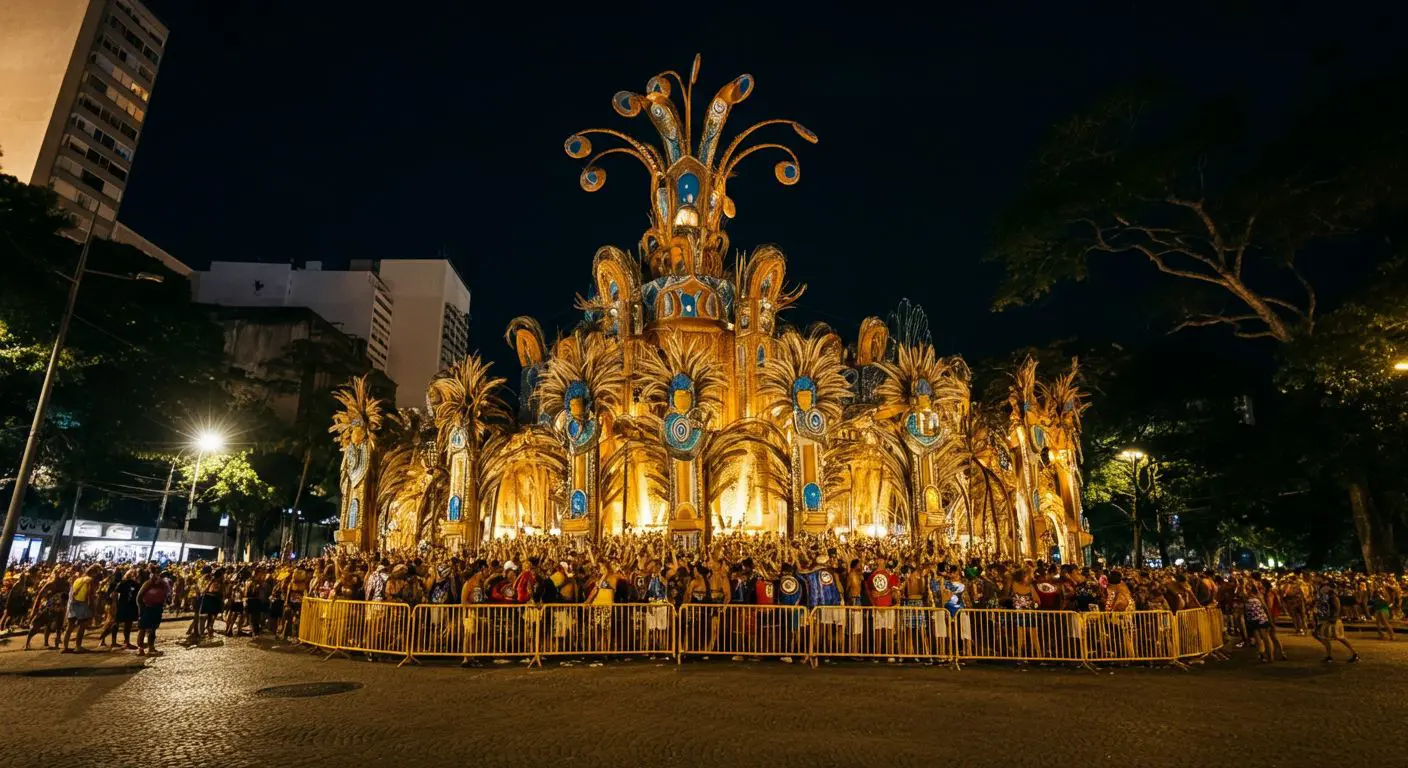
1. The first parade had a royal guest:
What is considered the first Carnival parade took place in 1855. A group of intellectuals created a street carnival group and marched to the São Cristóvão Palace to ask the Royal Family to join them. Dom Pedro II, Emperor of Brazil, accepted the invitation. The police, however, only began to allow street carnival parades to take place in 1889, which led Chiquinha Gonzaga to compose the first song written specifically for the carnival festivities. [caption id="attachment_7161" align="aligncenter" width="679"] The Brazilian Royal Family was invited by the people to join the Carnival festivities. / Source [/caption]
2. Samba originated from improvisation:
Samba originated near the Sambadrome, when a group of friends were improvising songs at the legendary Tia Ciata's bar. The first samba song, titled "Pelo Telefone," was recorded in 1917. But it was in 1963 that Carnival celebrations were included in Rio de Janeiro's official tourist calendar, after the Salgueiro Samba School paraded with the theme of Chica da Silva. The parades were held in the streets of downtown Rio de Janeiro until 1984, when the Sambadrome was built, and now all official celebrations take place in this gigantic stadium.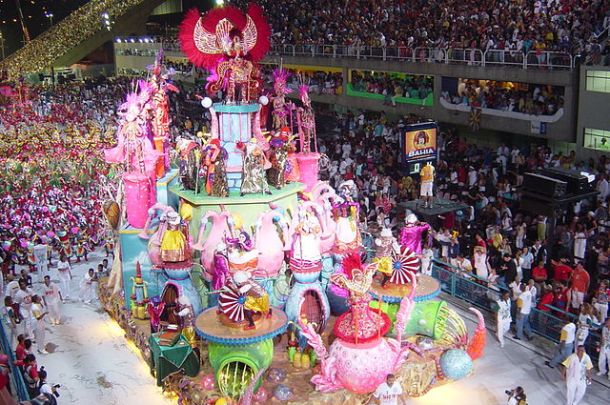 The Samba School Parades are unforgettable spectacles. / Source[/caption]
3. A curse that prevents Portela, the biggest winner, from winning again.
In 1974, Natalino "Natal" José do Nascimento, the president of the Portela Samba School , asked some of his high-ranking officials to help him with a plan that would allow them to win that year's competition. It was a very unusual request: they had to spit a shot of cachaça on each float in order to please their spiritual guide. Some of them refused, so a curse was cast on the samba school, meaning it wouldn't win for at least 30 years. Sure enough, Portela hasn't won a single competition since, although it still remains the all-time leading winner, with 19 championships to its name. [caption id="attachment_7163" align="aligncenter" width="610"]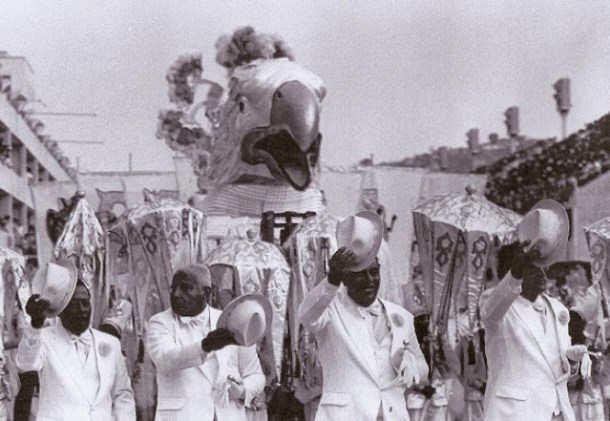 If you ask someone from Portela about the curse, you'll see that person knocking on wood / Source
4. Street Carnival has the craziest "blocos" (street carnival groups):
- Christ's Armpit: The name of this street carnival group stems from its origins in the Jardim Botânico neighborhood, under the iconic Christ the Redeemer monument . The famous singer and composer Tom Jobim, who lived in the neighborhood, used to complain that his house was full of moss because it was under "Christ's armpit." - If It Gets Better, It Sinks: This is the only street carnival group that belongs to two cities: Rio de Janeiro and Niterói. It starts in Niterói, crosses Guanabara Bay on a ferry, and continues the party in downtown Rio. - Big Block: The street carnival group called Big Block made an unusual vision for pre-carnival celebrations from the words "block" and "dog"; its members are the pets of people who live near Copacabana, and they are all in costume! - Deer Hunter: This street carnival no longer exists. It was a cry for freedom for homosexuals of the time who were forbidden from dressing in women's clothing, and were only able to do so during carnival time. - Gigantes da Lira This is a street carnival especially for children. It plays children's songs to the rhythm of samba and some old carnival marches, a celebration of the most innocent carnival. [caption id="attachment_7164" align="aligncenter" width="702"] At Blocão, the dogs are the ones who make the carnival party happen, parading around! / Source
5. The numbers for Rio de Janeiro's Carnival are incredible:
Rio de Janeiro's Carnival holds the record for the world's largest carnival celebration, according to the Guinness Book of Records ! Samba schools invest over $5 million in parades, and the return is expected to reach over $665,000,000. More than 5 million people celebrate Carnival in Rio de Janeiro, and over 800,000 of them are tourists. There are over 400 street samba groups in the city; the oldest and most popular is Cordão do Bola Preta, where more than 2.3 million people gather each year. [caption id="attachment_7165" align="aligncenter" width="610"]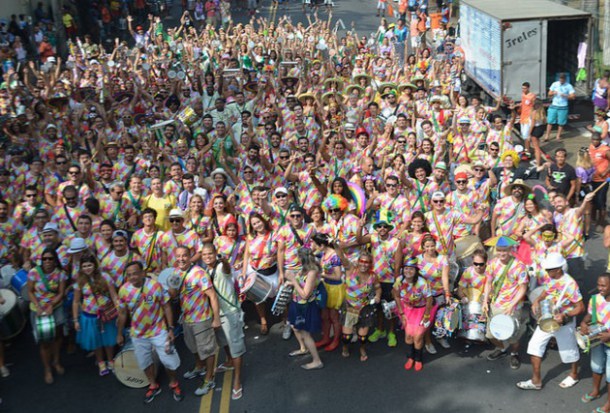 Inside the street parade, when the band is playing, you'll notice the intense beat of the drums. / Source [/caption]
Rio de Janeiro is much more than Carnival. Explore the Marvelous City. We enrich your South American experience.
[otw_shortcode_button href="http://www.rdj4u.com/ rel="nofollow"" icon_type="general foundicon-cart" icon_position="left" shape="square" target="_blank" rel="nofollow"]Book your Tickets for Rio de Janeiro Carnival here![/otw_shortcode_button]
Published by Hernan Garriga Zimmermann on 03/06/2026


