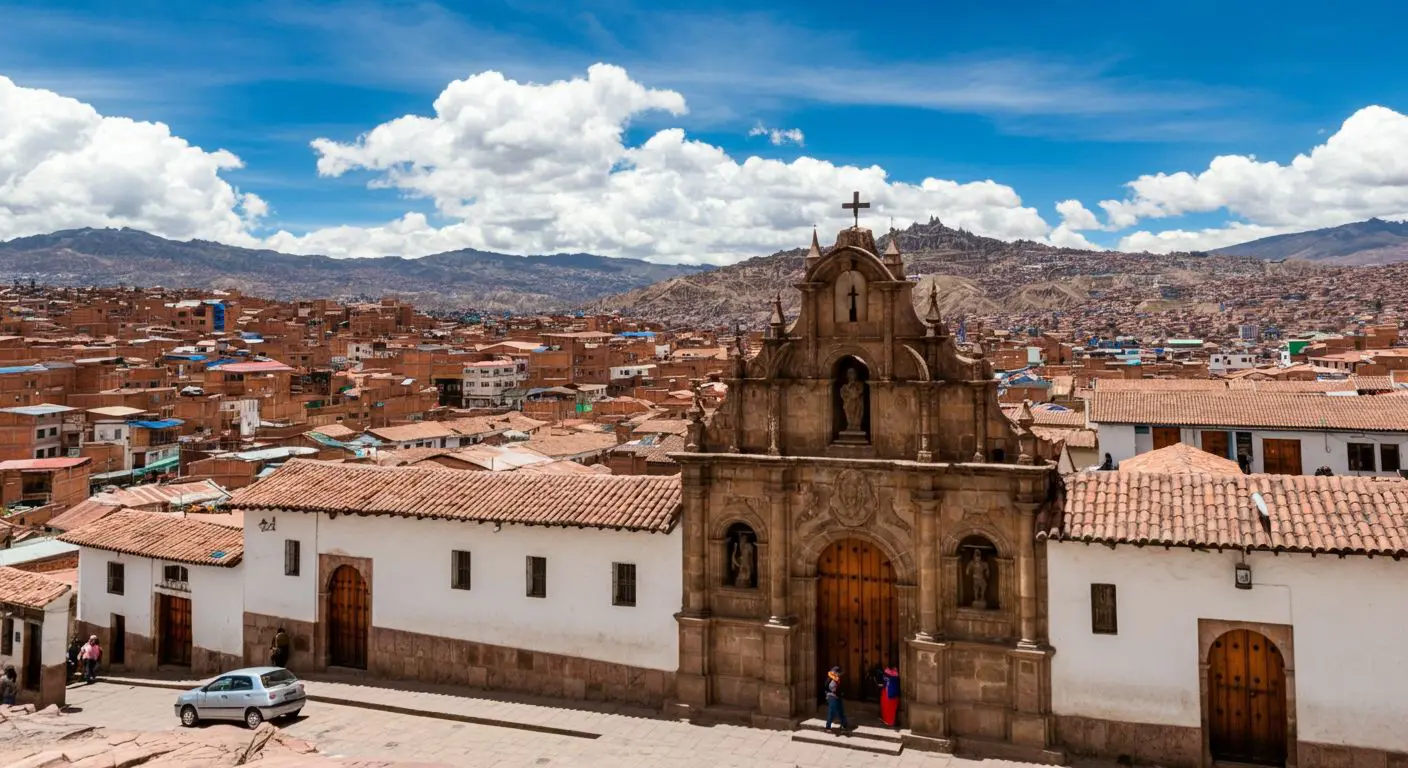
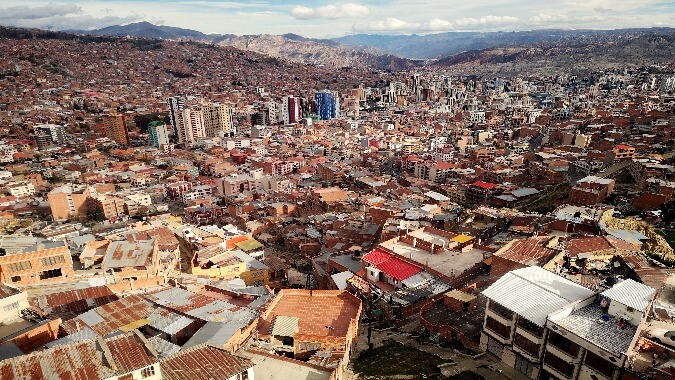
La Paz is the highest capital city in the world at an altitude of 3,600 meters / Photo: Tiffany Flour
Cable car ride
Iconic symbols of La Paz, the first cable cars were put into service in 2014 and now boast 11 lines connecting popular and strategic locations in the city's most remote corners. A true economic and social game-changer, this transport network has transformed the lives of La Paz residents as well as tourists. In addition to the hundreds of buses and vans that allow you to get around the city, the cable cars are the fastest way to travel and offer an incredible spectacle , allowing you to admire the diverse architecture that stretches across the valleys. This transport network lets you discover the city's unique layout, be impressed by its size and the diversity of its buildings, and offers a smart ticket for 11 bolivianos (€1.40). A 1.5- to 2-hour journey takes you across the city on its 11 lines, revealing the vibrant life of La Paz and offering breathtaking views from above.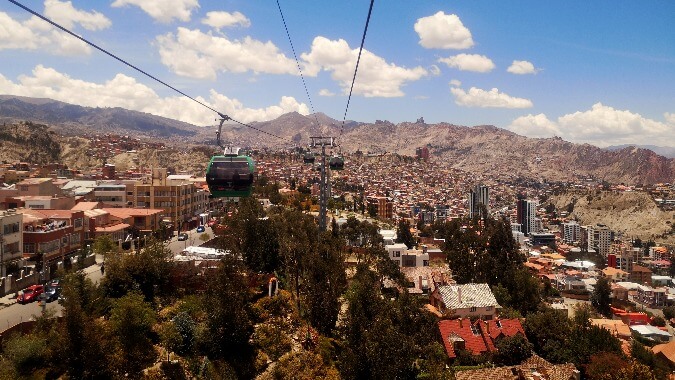
11 cable car lines connect the main points of the capital every day / Photo: Tiffany Flour
The markets
Music, food, language... Bolivia has a very strong cultural identity, and this is what makes it so unique . In their daily lives, Bolivians often spend their days on the streets buying, selling, eating, and relaxing. In this authentic South American country, supermarkets are rare; instead, you'll find small stalls scattered along several streets, each specializing in a particular field, in the smaller, more isolated towns away from the big cities. In the latter, you'll find the large markets, very typical of Bolivia, where entire arcades offer all kinds of products. In La Paz, the Witches' Market is undoubtedly the most popular , where you can be surprised to discover objects with magical and spiritual properties that promise all sorts of miracles. Every Thursday and Sunday, you'll also find the large market in El Alto, located in the town of the same name, where kilometers of stalls face La Paz and display a vibrant array of colors. And these are only the most touristy ones, leaving the possibility and curiosity to discover the other markets that liven up the city of La Paz every day, such as Camacho, Sopocachi and Rodríguez, among others.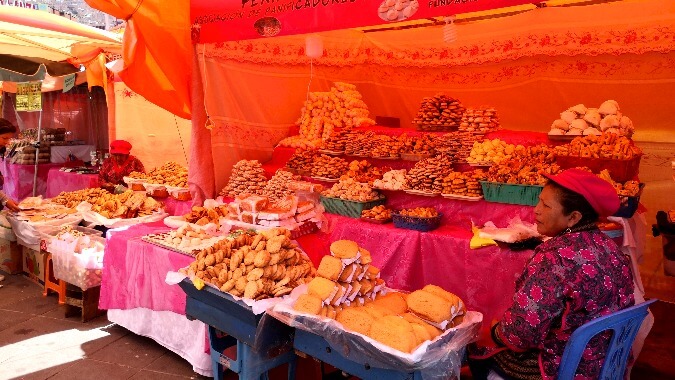
Camacho Market is known for its fruit juices and pastries / Photo: Tiffany Flour
The viewpoints
Spanning elevations from 3,020 to 4,000 meters above sea level, La Paz is full of spots to admire from different perspectives . From parks and squares to cable car stations and mountain peaks, these viewpoints surround the city and promise breathtaking vistas. It's worth noting that La Paz has quite distinct social strata, with the atmosphere of the streets changing dramatically from one neighborhood to another. Therefore, there are viewpoints that are more easily accessible, with public transportation available and avoiding the city's most disadvantaged areas. For this reason, we recommend the Killi Killi viewpoint , located north of La Paz, and El Montículo further south, to enjoy a moment of tranquility and admire the vibrant city as it comes alive. For the more adventurous who aren't afraid to climb on foot and venture into the city's labyrinthine streets, we recommend Periférica , El Calvarie , Qhana Pata , or Faro Murillo . These trails require caution, as they are not really touristy and require you to immerse yourself in the heart of La Paz's popular neighborhoods.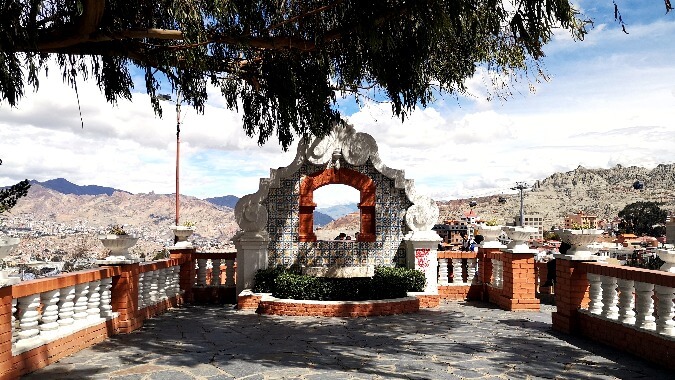
The Monticulo viewpoint is one of La Paz residents' favorite spots to admire the city / Photo: Tiffany Flour
Valley of the Moon and the Valley of the Souls
Nestled in the heart of the valley, La Paz is dominated by several mountains and hills, culminating in the sacred Mount Illimani . Tranquil corners with breathtaking landscapes await at the city's doorstep. To escape the daily hustle and bustle of La Paz and enjoy the tranquility offered by the Bolivian Altiplano, you can spend the day in the Valley of the Souls ( Valle de las Ánimas), located on the southern outskirts of the city. Take a bus, preferably from the city center, to Chasquipampa and then a minibus to the foot of the Valley of the Souls. Several bus and minivan lines are available to take you there, so it won't be difficult to get there, and the journey will take one or two hours, depending on traffic. Once at the foot of the Valley of the Souls, several small trails allow you to discover this magical and enchanting place. This mystical location, home to an important protected ecosystem, is the result of a geological formation that will leave you speechless with its impressive, multicolored craters. More popular and touristy is the Valley of the Moon , and as its name suggests, its landscape resembles the moon with its vast expanses of craters that transport you to another world for a stroll. Several agencies offer this excursion, but you can also go on your own, similar to the Valley of the Souls, by taking a bus to the city center to reach the southern area and then another bus to Mallassa. Once there, the entrance fee to the valley is 15 bolivianos for foreign tourists, and there are two routes available to visit this mystical place: one of 15 minutes and another of 45 minutes.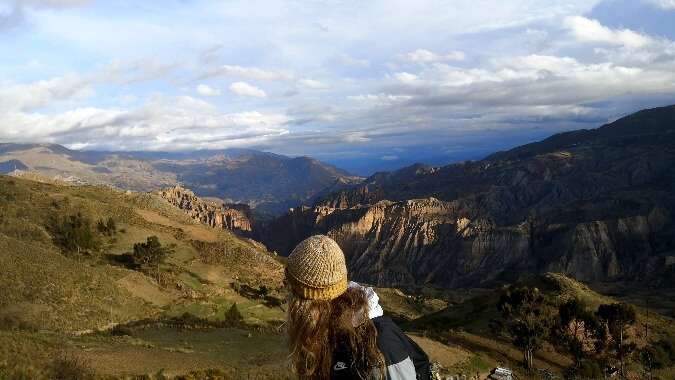
The Valley of the Souls is a mystical place located south of La Paz / Photo: Tiffany Flour
The Road to Death
Do you crave thrills? Venture onto the "Death Road" by mountain bike, a route that promises a mix of adrenaline and breathtaking scenery. Starting from Cumbre, about 50 kilometers from La Paz, the adventure begins at an altitude of 4,700 meters and ends in Yolosita at 1,100 meters. This road, now primarily used for tourism, was until the 1990s one of the only routes connecting the Las Yungas region with La Paz. The "Death Road" owes its tragic name to its extremely narrow passages, lack of maintenance, and harsh weather conditions, which still claim the lives of between 200 and 300 people each year. However, a new road is now in use, ensuring the safety of locals and leaving the legendary route as an alternative for thrill-seekers. This tour includes a dizzying descent, lunch, snack, equipment and if you wish, photos and videos, as well as a bath in a quiet place.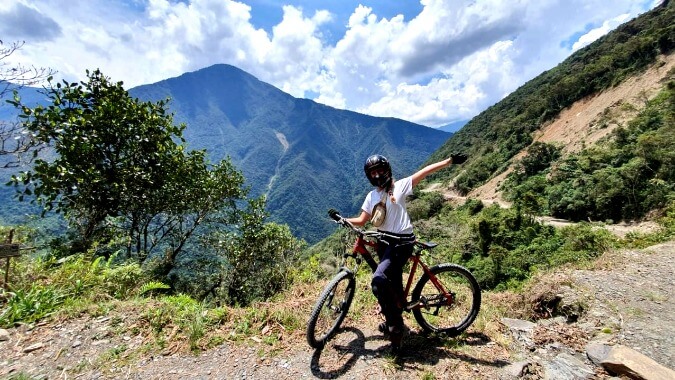
The road to death is considered one of the most dangerous in the world / Photo: Tiffany Flour
Chualluma District
When you visit La Paz by cable car or climb to a viewpoint, you'll inevitably notice a cluster of colorful "casitas" (small houses) nestled among the typical brick buildings, overlooking the valley. Known as Chualluma , this small district shines in the heart of La Paz thanks to the "Mi Barrio, Mi Hogar" (My Neighborhood, My Home) development program, which aims to improve the living conditions of its residents. You can admire these incredible facades from the red cable car that ascends to El Alto and descends to these tranquil, colorful streets. These rainbow-colored houses are home to true works of Andean-style urban art that highlight Bolivian culture.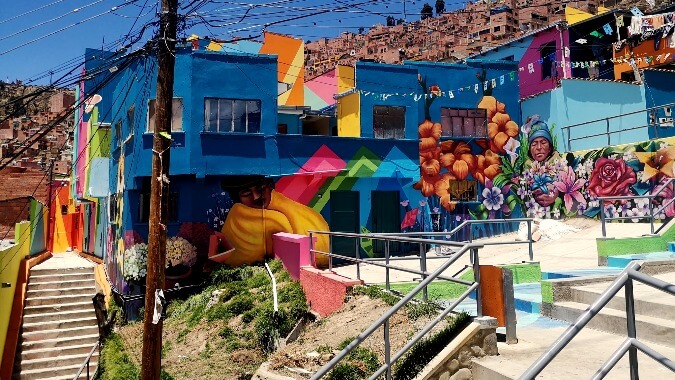
Chualluma is a working-class neighborhood in La Paz located at the foot of El Alto / Photo: Tiffany Flour
Here are 6 essential activities that will allow you to discover the best of La Paz . We guarantee that Bolivia will constantly surprise you with its incredible culture and natural beauty, so take advantage of this opportunity and be sure to read the 5 things you should know before traveling to Bolivia and the 8 places you must visit to discover Bolivia and make the most of this South American gem.By: Tiffany Flour, French tourism student and part-time world traveler.
Published by Has Chacon on 03/06/2026


