 There are several museums that dare to go further and offer great experiences / Source [/caption] When we think of a museum, we automatically imagine closed, ancient buildings of impeccable beauty. However, the structure of museums has changed over time and has managed to reinvent itself, adapting to social changes and conquering new niches and hearts. Have you ever imagined visiting a museum without having to stand in long lines, buy tickets, or go through rigorous security checks? This is possible thanks to a new way of exhibiting art: alternative museums , which have definitely come to stay. Therefore, in this edition I want to recommend the best open-air museums you can visit in the main cities of South America:
1) The Valparaíso Open-Air Museum , Valparaíso , Chile
It's a circuit of murals, graffiti, and urban interventions located at the intersection of Aldunate and Rudolph streets, at the foot of Bellavista hill, where 20 large-scale works by renowned Chilean artists such as Roberto Matta, Nemesio Antúnez, and José Balmes are on display. The museum opened in 1992 and is considered a must-see in the city. Travel tip: We recommend being prepared for Valparaíso's weather and downloading a weather app to make the most of your day. We also recommend reading this article on our blog entitled "The Murals of Valparaíso: A True Open-Air Museum ," where you'll find more details about the artistic quality found on the walls of this Chilean city. [caption id="attachment_4152" align="aligncenter" width="675"]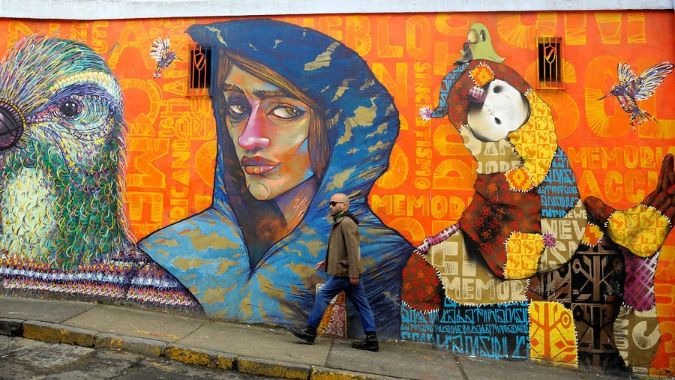 Don't forget your camera to capture murals, phrases, cats, plants, staircases, and mysterious streets—all of which abound in the magical streets of Valparaíso. / Photo: Daytours4u
2) Botero Square
Medellín , Colombia
It's an open-air museum located in Botero Square , featuring 23 monumental bronze sculptures donated by the famous Colombian painter, sculptor, and designer Fernando Botero. The sculptures are positioned throughout the park, from beginning to end, surrounded by palm trees that perfectly complement the blue sky and the colorful attire of tourists from all over the world who visit this place to see something different amidst the buildings and traffic of the big city. Each sculpture represents a specific theme: Motherhood, Woman with Fruit, Woman with Mirror, Walking Man, Seated Woman, Man on Horseback, Roman Soldier, Hand, Head, Dog, Cat, Sphinx, among others. Also located in this square is the Museum of Antioquia, housed in the best-preserved Art Deco building in Colombia . Travel tip: The tradition is to take a photo with each of the sculptures. I personally have all 23 in my photo album. Are you up for it?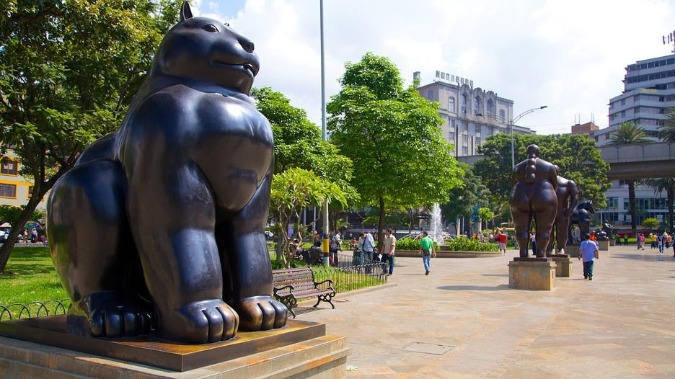
This open-air museum has become a landmark for Medellín and is one of the city's main attractions for both national and international visitors / Photo: Daytours4u
3) The Santiago Sculpture Park
Santiago de Chile , Chile
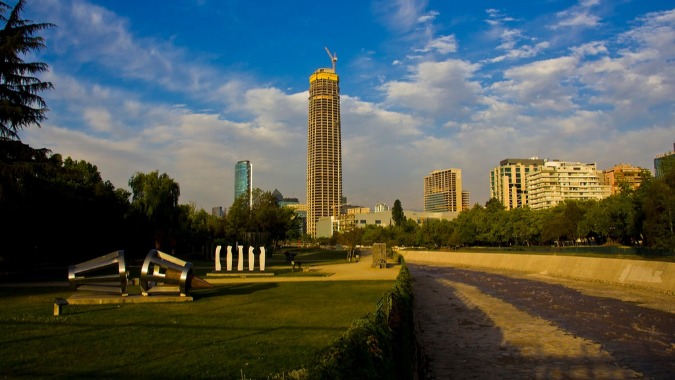
After the Mapocho River overflowed in 1982, local citizens and artists joined together to create an outdoor cultural space on the north bank. Sculptor Marta Colvin inaugurated this park, filled with native and international flowers and trees, with Pachamama – Mother Earth in the Quechua language. Currently, it houses over 30 works by renowned local artists and an exhibition hall where emerging talents display temporary works. Every January, the park hosts one of the country's most important festivals, the Providencia International Jazz Festival. Travel Tip: We recommend downloading the sculpture descriptions from the website proviarte.cl . [caption id="attachment_4153" align="aligncenter" width="675"]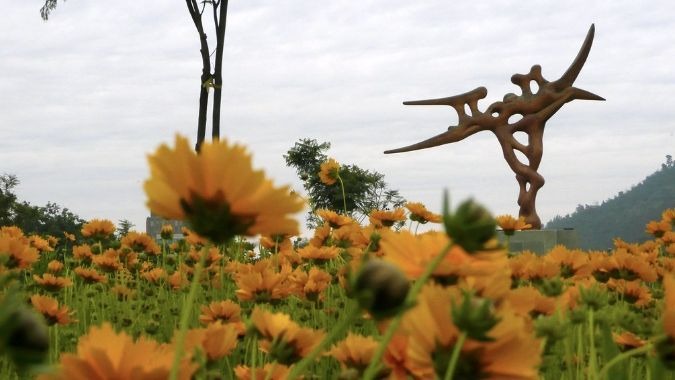 The Sculpture Park is visited by more than 100,000 people every year, not only because it is an open-air museum, but also to find some peace amidst the hustle and bustle of the city. / Source
4) São Paulo Museum of Urban Art
São Paulo , Brazil
In September 2011, the first open-air Urban Art museum opened in São Paulo, its physical support being the columns of the Cruzeiro do Sul metro crossing. Urban artists from the northern zone of the city decided to unite to present a project to revitalize the site, creating artistic and colorful graffiti. In total, there are 33 columns where 66 works by Brazilian urban artists can be appreciated , among them the famous Binho, Crânio, Chivits, Minhau and Markone.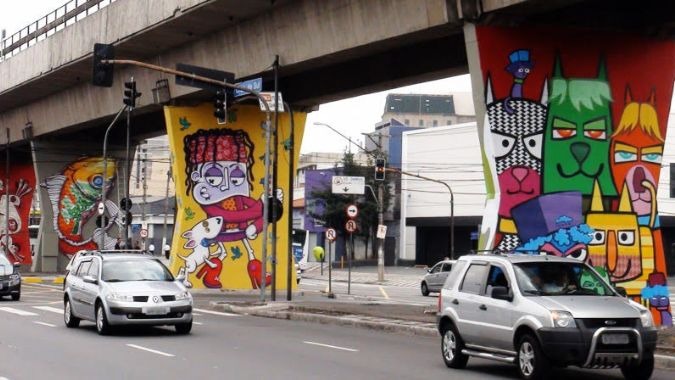
5) Rosario Mural Art Museum
Colonia del Sacramento , Uruguay
Created in 1994 in the city of Rosario (Colonia del Sacramento), this is Uruguay's first Museum of Mural Art of a historical nature. Instead of being inside a typical museum, the works are outdoors, on the walls of houses and buildings throughout the city. In fact, they are on any wall: in a private home (where even doors and windows can be integrated into the mural), in a shop, in a public office, or on the wall of a plot of land. There are approximately 57 murals that reflect anecdotes and moments from its history , mainly through characters, many of them generic, such as the "orchestra people," basket makers, immigrants, and Basques, and others concrete, such as Carlos Gardel, John Lennon, the sailor Champs, or the Rosario motorcyclist Gustavo Galván.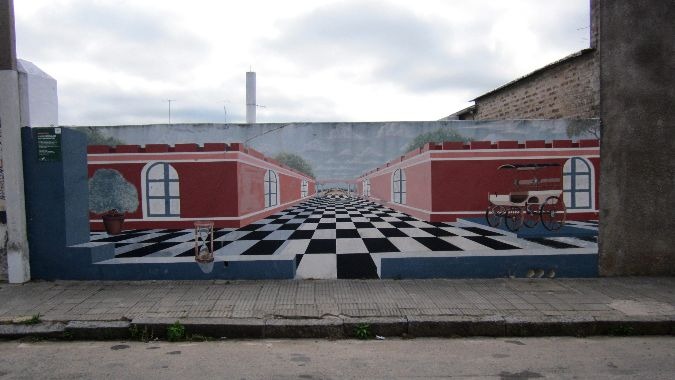 Source[/caption]
6) Sculpture Park, Pablo Atchugarry Foundation
Punta del Este , Uruguay
Located at the Pablo Atchugarry Foundation, 30 minutes from the city center, this open-air museum boasts incredible and interesting sculptures by artists from around the world. Visitors can also enjoy other attractions offered by the Pablo Atchugarry Foundation and spend the day strolling through the grounds. It covers 25 hectares filled with works by national and international artists , contributing to a great diversity of styles and expressive languages. There you can find beautiful sculptures displayed everywhere – indoors or outdoors, in the garden or along the park. Travel Tip : If you are in Punta del Este, don't miss the opportunity to take this Classic City Tour in Punta del Este and contemplate the incredible sunset at Punta Ballena. [caption id="attachment_4154" align="aligncenter" width="675"]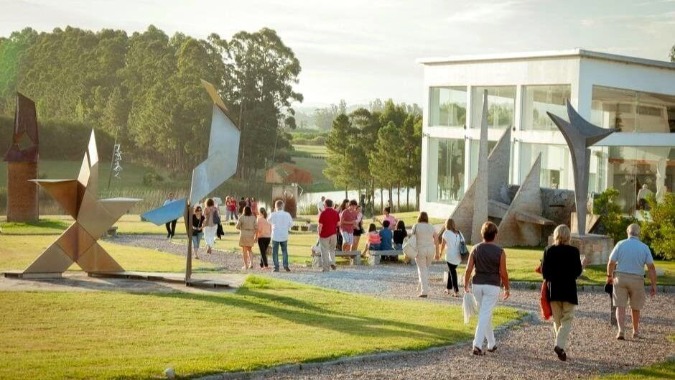 His masterful sculptures mimic the vastness of the Uruguayan prairies / Photo: Daytours4u
7) Guayaquil Heritage Cemetery
Guayaquil , Ecuador
As strange as it may seem, the Guayaquil Cemetery is a huge open-air museum worthy of admiration for its cultural and historical beauty. It was inaugurated on April 27, 1823, at the foot of Morro del Carmen and declared a Cultural Heritage of Ecuador on October 18, 2003. Its cultural and architectural richness, embodied in its tombs and mausoleums, dates from the 1920s and 1930s. Among its vaults, niches, and mausoleums, there are more than 500,000 bodies buried. Among its illustrious guests are more than 18 presidents of Ecuador, 5 vice-presidents, 8 heroes of Independence, poets, writers, and other figures. The beauty of its works makes it one of the largest and most beautiful open-air museums on the continent .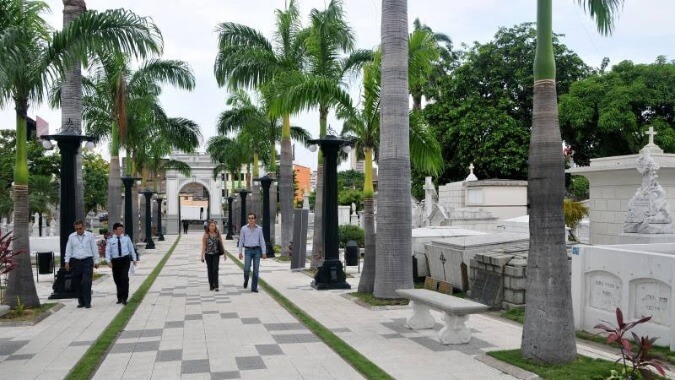 Most mausoleums are true works of art crafted from the finest Italian marble / Photo: Daytours4u
8) Inhotim Institute of Brumadinho
Minas Gerais, Brazil
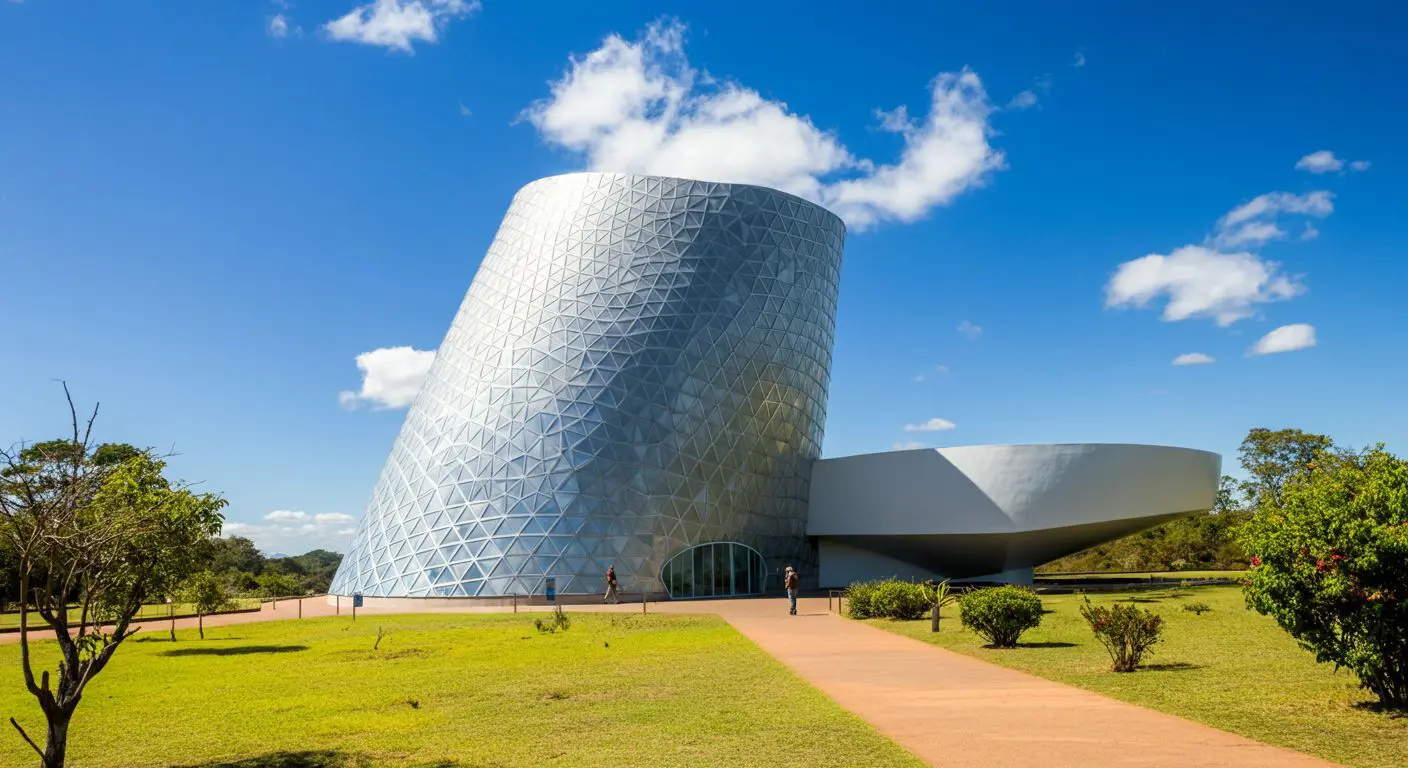
The Inhotim Institute is a museum complex with a series of pavilions and galleries displaying artworks and sculptures outdoors, offering a new model, quite different from urban museums. On the one hand, this artistic complex features entire galleries dedicated to contemporary artists , such as Adriana Varejão and Tunga. On the other hand, it is a tropical park with a botanical garden of approximately 5,000 species. Since its founding in 2006, it has received over 2.5 million visitors. The Inhotim experience is largely associated with the development of a spatial relationship between art and nature, allowing artists to create and exhibit their works in unique conditions. The viewer is invited to visit gardens, forest landscapes, and rural environments, getting lost among lakes, trails, mountains, and valleys, establishing an active experience with the space.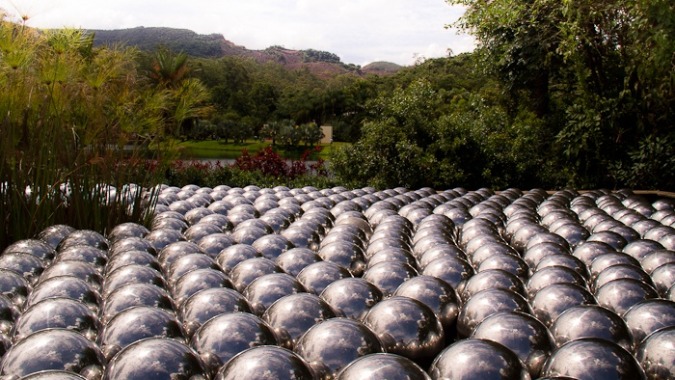 The Inhotim Institute is one of the most important contemporary art collections in Brazil and is considered the largest open-air art center in Latin America.
Why are these open-air museums worth visiting?
In fact, South America is much more than just wonderful landscapes and warm people; it also boasts spaces filled with the most sublime art that can easily rival museums anywhere in the world. See for yourself! Click here to book your tours and activities in South America !By: Nathaly Bosch , Venezuelan social communicator. Spanish-language writer for Daytours4u.
Published by Hernan Garriga Zimmermann on 03/06/2026


