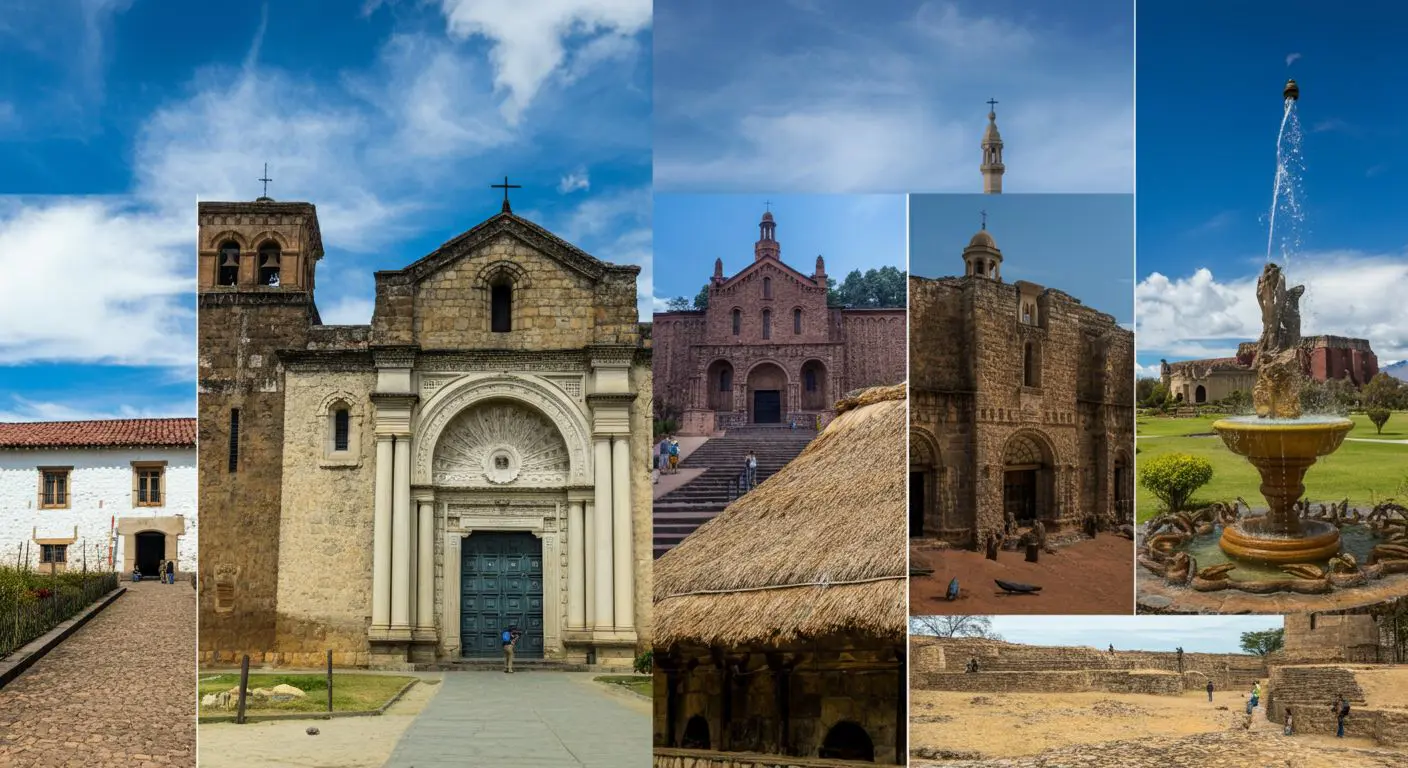
 There are museums that dare to go further and offer amazing experiences / Source [/caption] When we think of a museum, what automatically comes to mind are closed, very old, but undeniably beautiful buildings. However, the structure of museums has changed over time, and they have managed to reinvent themselves by adapting to social changes and appealing to new niches and new hearts. That being said, imagine visiting a museum without having to queue for hours, without buying tickets, and without going through rigorous security checks? All of this is possible thanks to a new way of exhibiting art: alternative museums , which are here to stay. That's why in this article, we want to recommend the best open-air museums to visit in the main cities of South America:
1) The open-air museum of Valparaíso
Valparaíso , Chile
This is a circuit of murals, graffiti, and urban art, located at the intersection of Adulnate and Rudolph streets, at the foot of Bellavista Peak, where 20 large-scale works by Chilean artists such as Roberto Matta, Nemesio Antúnez, and José Balmes are displayed. The museum was inaugurated in 1992 and is considered a must-see in the city. Tip : We recommend being well-prepared for Valparaíso's temperatures and checking a weather app so you can make the most of your day. We also recommend reading this blog post: The Murals of Valparaíso: A True Open-Air Museum , where you'll find more details about the artistic quality that can be seen on the walls of this Chilean city. [caption id="attachment_4152" align="aligncenter" width="675"]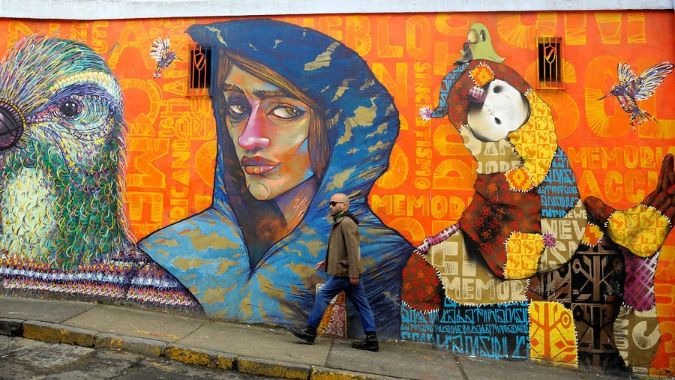 Don't forget to bring your camera to capture the murals, quotes, cats, plants, staircases, and mysterious alleyways that abound in the fascinating streets of Valparaíso / Photo: Daytours4u[/caption]
2) Plaza Botero
Medellín , Colombia
It's an open-air museum located in Plaza Botero . It houses 23 monumental bronze sculptures by the renowned Colombian painter, sculptor, and draftsman Fernando Botero. The sculptures are scattered throughout the park, from entrance to exit, surrounded by palm trees that blend perfectly with the blue sky and the colorful attire of tourists from all over the world who visit this place seeking something new amidst the city's buildings and traffic jams. Each sculpture represents a specific theme: motherhood, a woman with fruit, a woman with a mirror, a walking man, a seated woman, a man on horseback, a Roman soldier, a hand, a head, a thought, Adam, Eve, a horse, a dog, a cat, a sphinx, among others. The Museum of Antioquia is also located in this plaza, housed in the best-preserved Art Deco building in Colombia . Tip : There's a tradition of taking a photo with each sculpture. Personally, I have 23 in my photo album. Will you dare to do the same?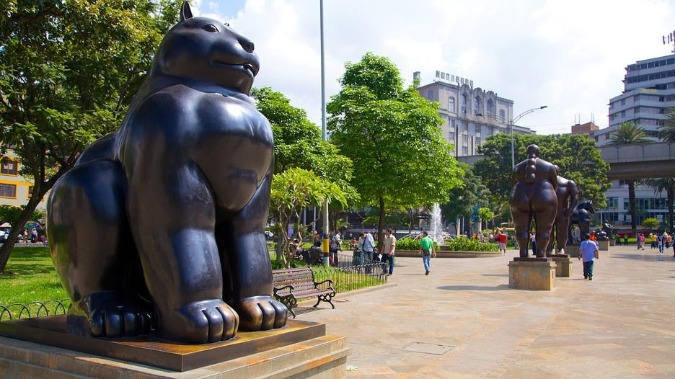
This open-air museum has become a landmark in Medellín and one of the city's main tourist attractions for both domestic and international visitors. / Photo: Daytours4u
3) The Sculpture Park of Santiago
Santiago, Chile
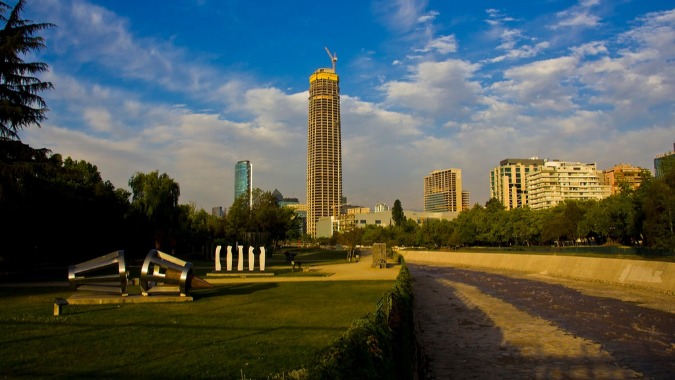
Following the flooding of the Mapocho River in 1982, local citizens and artists joined forces to create an open-air cultural space on the north bank. Sculptor Marta Colvin inaugurated this park, overflowing with flowers and native and exotic trees, with her sculpture Pachamama – Mother Earth in Quechua. Currently, it features over 30 recognized works by local artists and an exhibition hall where emerging talents display their work temporarily. Every January, the park hosts one of the country's most important festivals, the Providencia International Jazz Festival. Tip: We recommend downloading the sculpture flyers from the website proviarte.cl . [caption id="attachment_4153" align="aligncenter" width="675"]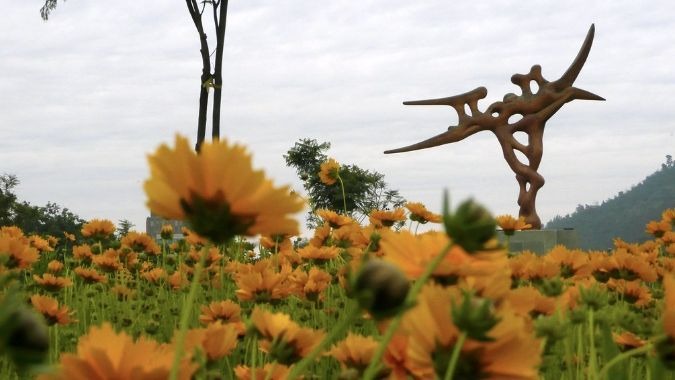 The Sculpture Park of Santiago receives over 100,000 visitors a year, not only because it is an open-air museum, but also because it is a place to visit whenever you are looking for tranquility in the heart of the city. / Source [/caption]
4) Open-air Museum of Urban Art in Sao Paulo
Sao Paulo , Brazil
In September 2011, São Paulo inaugurated its first open-air museum, whose physical structure is composed of columns from the Cruzeiro do Sul metro station. Urban artists from the north of the city decided to come together to present a project reclaiming the area with colorful and artistic graffiti. In total, there are 33 columns from which visitors can admire 66 works by Brazilian urban artists , including the renowned Binho, Cranio, Chivits, Minhau, and Markone. [caption id="attachment_4150" align="aligncenter" width="675"]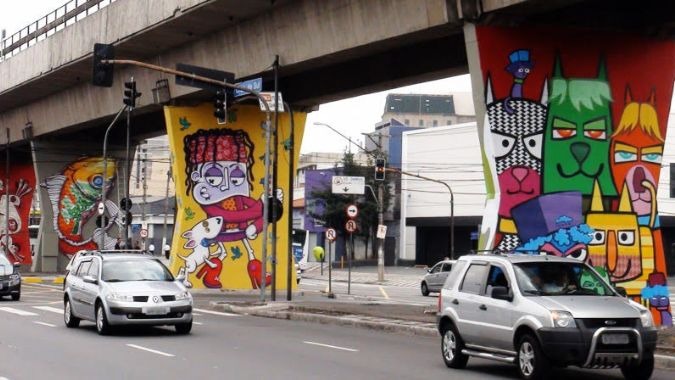 3,000 cans of graffiti spray paint and 40 18-liter cans of paint were used for the 66 works in the Museum of Urban Art of Sao Paulo / Photo: Daytours4u[/caption]
5) Rosario Mural Art Museum
Colonia del Sacramento , Uruguay
The first Museum of Historical Mural Art, established in 1994 in the city of Rosario (Colonia del Sacramento), Uruguay, features 57 murals. Instead of being housed in a traditional museum, the artworks are displayed outdoors on the walls of houses and buildings throughout the city. In fact, they can be found on virtually any wall: a private residence (even its doors and windows can be incorporated into the mural), a business, a public office, or even a property boundary. These murals depict anecdotes and key moments in history , generally through the lens of various figures. Many of these figures are generic, such as "the people of the orchestra," street vendors, immigrants, and Basques; while others represent individuals like Carlos Gardel, John Lennon, the sailor Champs, and Rosario's motorcyclist, Gustavo Galván. [caption id="attachment_4132" align="aligncenter" width="675"]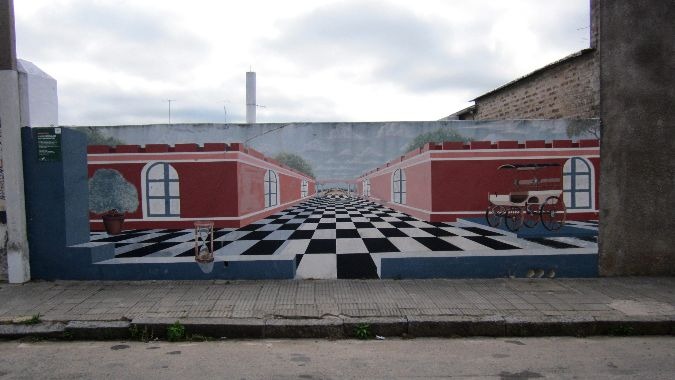 Through his paintings, Rosario narrates events and depicts characters that have a direct link to regional anecdotes and the history of the city. / Source [/caption]
6) Sculpture Park, Pablo Atchugarry Foundation
Punta del Este , Uruguay
This open-air museum, located within the Pablo Atchugarry Foundation, 30 minutes from the city center, houses magnificent and interesting sculptures by artists from around the world. Visitors can also enjoy the other attractions offered by the Pablo Atchugarry Foundation and spend the day exploring its grounds. Spanning 25 hectares, the museum showcases works by national and international artists , resulting in a wide diversity of styles and artistic expressions. Beautiful sculptures are displayed throughout the park, both indoors and outdoors, in the gardens and even in the park's lake. Tip : If you're in Punta del Este, don't miss the opportunity to take this guided tour of Punta del Este and enjoy a magnificent sunset at Punta Ballena.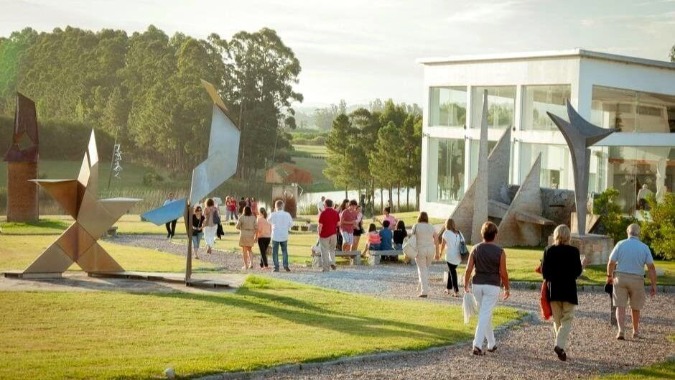
7) The heritage cemetery in Guayaquil
Guayaquil , Ecuador
And yes, even if it seems strange, the Guayaquil Cemetery is a vast open-air museum, well worth admiring for its cultural and historical beauty. It was inaugurated on April 27, 1823, at the foot of Carmen Hill and was declared a Cultural Heritage Site of Ecuador on October 18, 2003. Its rich cultural and architectural heritage, reflected in its tombs and mausoleums, dates from the 1920s and 1930s. Among its most distinguished residents are the remains of Ecuador's 18 presidents, 5 vice-presidents, 8 prominent figures of the Independence era, poets, writers, and other great personalities. The beauty of its monuments makes this cemetery one of the largest and most beautiful museums on the continent. [caption id="attachment_4151" align="aligncenter" width="675"]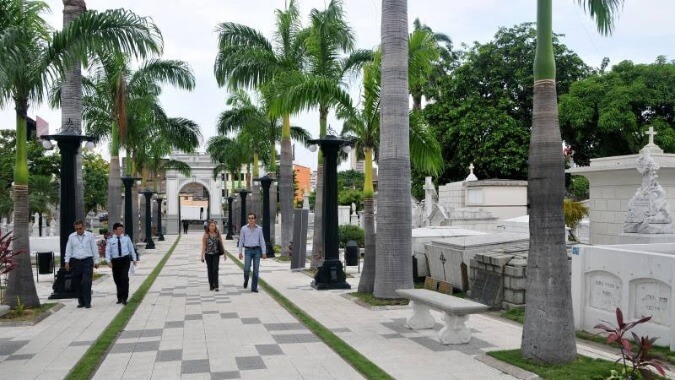 The majority of the mausoleums are true works of art made with the finest Italian marble / Photo: Daytours4u[/caption]
8) Inhotim Institute of Brumadinho
Minas Gerais, Brazil
The Inhotim Institute houses a museum complex with a series of pavilions and galleries displaying artworks and sculptures outdoors, offering a different model from urban museums. On one hand, this artistic complex contains entire galleries dedicated to contemporary artists such as Adriana Varejão and Tunga. On the other hand, there is a tropical park with a botanical garden boasting approximately 5,000 species. Since its creation in 2006, the museum has received over 2,500,000 visitors. The Inhotim experience is associated with developing a spatial relationship between art and nature, allowing artists to create and exhibit their works in unique conditions. Visitors are invited to explore the gardens, forest landscapes, and rural environment, to lose themselves among the lakes, mountains, trails, and valleys, creating a dynamic experience within this space. [caption id="attachment_4131" align="aligncenter" width="675"]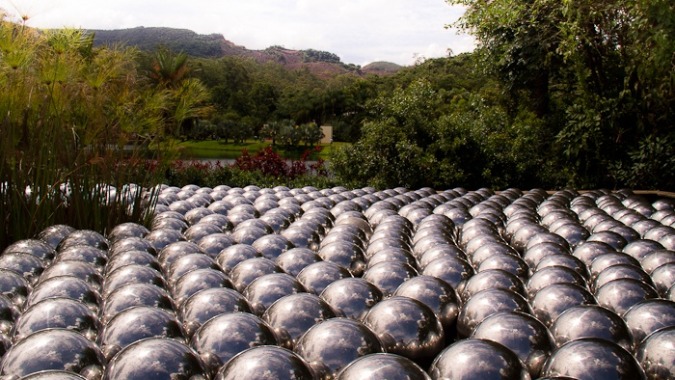 The Inhotim Institute is one of the most important collections of contemporary art in Brazil and is considered the largest open-air art center in Latin America. / Source [/caption]
Why visit these open-air museums?
Well, actually, South America isn't just about stunning landscapes and friendly people; it's also home to places overflowing with excellent art that can easily rival museums worldwide. Discover it for yourself! Click here to book tours and activities in South America !By : Nathaly Bosch , Venezuelan social communicator. Spanish-language writer for Daytours4u.
Published by Has Chacon on 04/06/2026


