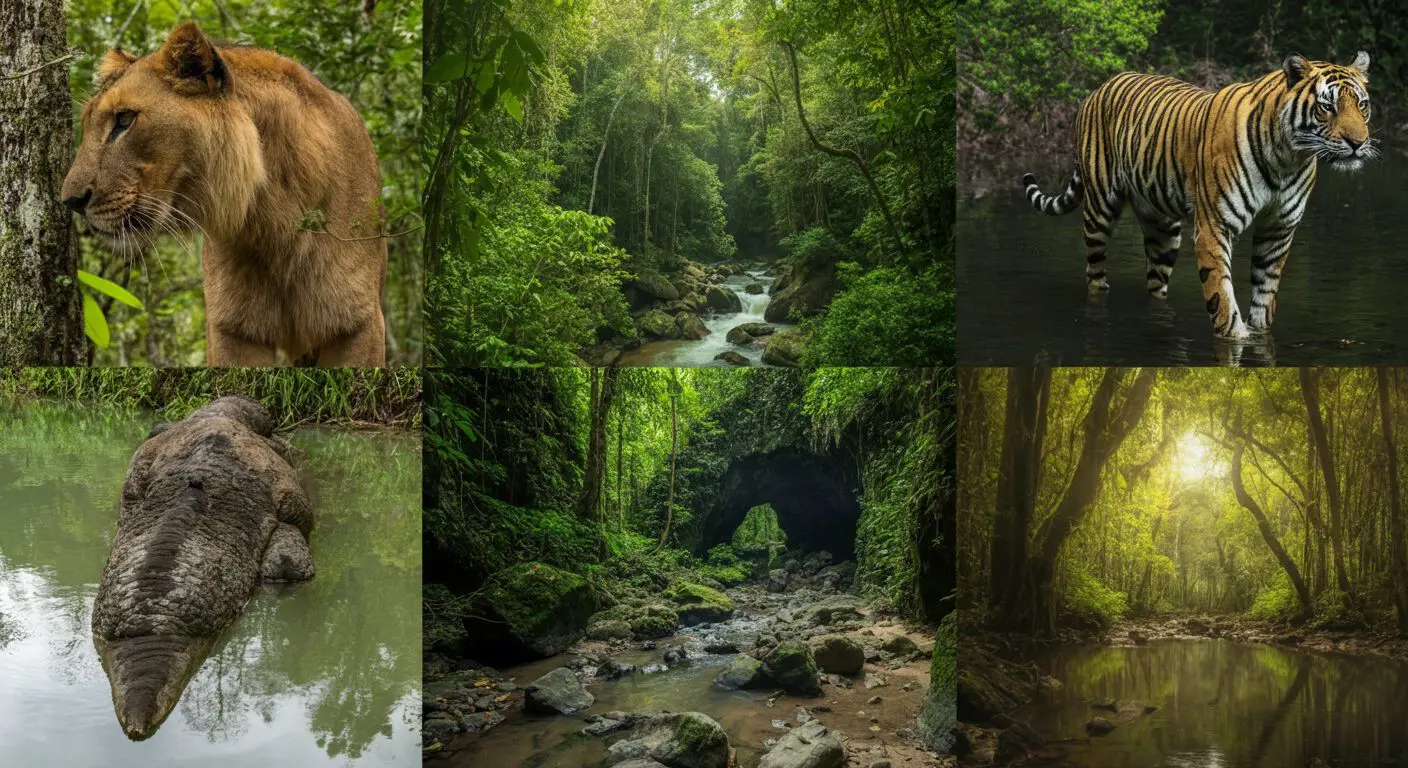
Biodiversity plays an important role in the functioning of ecosystems / Photo: Daytours4u
So, what exactly is a biome, and why is it so important? A biome, simply put, is a specific area that, due to its climate characteristics, has a particular type of vegetation and fauna. The importance of biodiversity lies primarily in the fact that all organisms within an ecosystem are interconnected. When the diversity of organisms within an ecosystem decreases, so does the ecosystem's ability to function and survive.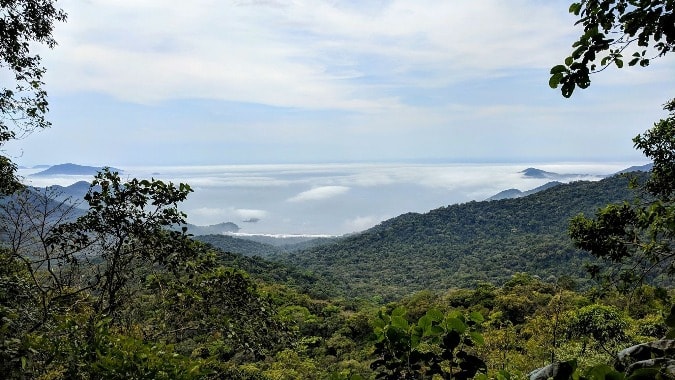
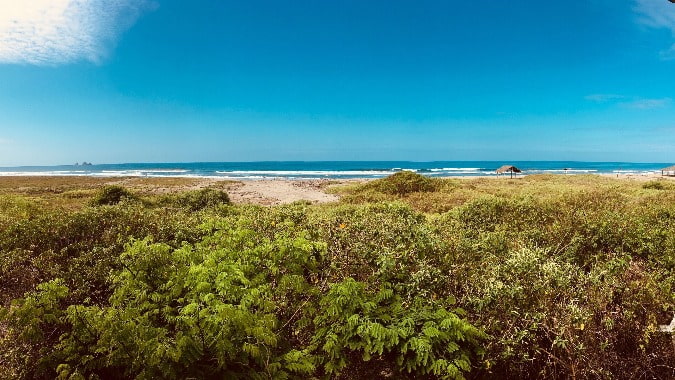
Restoring an ecosystem is generally much more expensive than protecting the original ecosystem / Photo: Daytours4u
According to World Bank figures, Latin America and the Caribbean are home to 34% of the world's plant species and 27% of its mammal species. It is estimated that six of the most biodiverse countries on the planet are currently located in this region: Brazil, Colombia, Ecuador, Mexico, Peru, and Venezuela. In fact, more than 40% of the world's biodiversity is found in South America . Incredible, isn't it? Therefore, in honor of International Biodiversity Day—declared by the United Nations in 1994—we have compiled a list of nine natural attractions in South America that preserve some of the greatest biodiversity on the continent and in the world:1. Atlantic Forest:
Argentina , Brazil and Paraguay
It is a biome that stretches for over 3,000 kilometers parallel to the Brazilian coast, spanning 17 Brazilian states. As one of the most biodiverse areas on the planet, it was declared a Biosphere Reserve by UNESCO. It is estimated to contain nearly 20,000 plant species (approximately 35% of all plant species found in Brazil). In addition to being one of the world's richest regions in terms of biodiversity, the Atlantic Forest provides essential ecosystem services to the 145 million Brazilians who live there.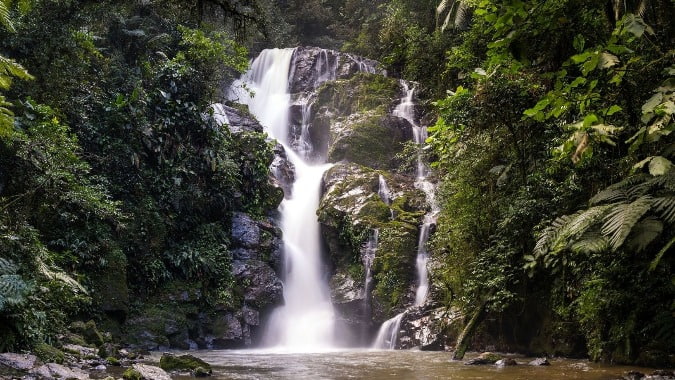
The Atlantic Forest is a biodiversity hotspot located along the Atlantic coast of Brazil / Photo: Ulrich Peters
2. Galapagos Islands:
Ecuador
The Galápagos Islands are an archipelago of 13 large islands, six smaller ones, and more than 200 islets of volcanic origin. This corner of the planet boasts the greatest biodiversity on Earth, both flora and fauna . In fact, it is home to endemic species of vital importance: tortoises, penguins, finches, owls, and pelicans. It's easy to see why Charles Darwin dedicated years of study and his own research center to Ecuador and the Galápagos Islands, as these islands have approximately 576 species of flora and fauna found nowhere else in the world. The islands were declared a UNESCO World Heritage Site in 1979 and a Biosphere Reserve in 1985. Travel tip: If you visit the Galápagos Islands, don't miss the excursion to Tortuga Bay Beach to enjoy a day of sun and sea while encountering iguanas, sea lions, and tortoises.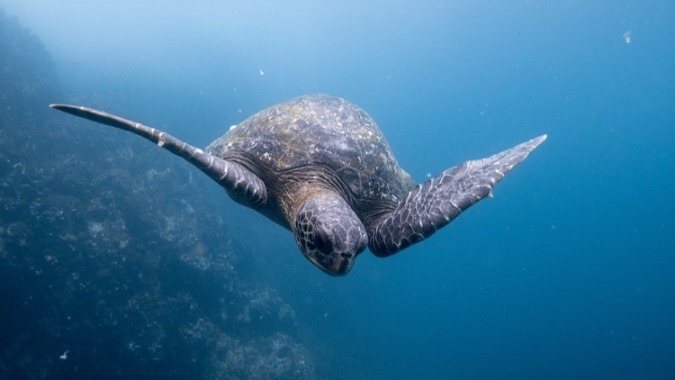
The Galapagos Islands are home to endemic species of vital importance: tortoises, penguins, finches, owls, and pelicans / Photo:Dustin Haney
3. Manu National Park:
Peru
It is number one in the rainforest and wilderness category. This protected area covers 1.5 million hectares. This beautiful park is located in Madre de Dios and Paucartambo, in Cusco . It boasts internationally recognized megadiversity and, since 1977, has also held the title of Biosphere Reserve, awarded by UNESCO. This South American natural attraction is home to some 221 mammal species, including the black jaguar, ocelot, tapir, deer, peccary, capybara, and black spider monkey, among others. Notable birds include the harpy eagle, jabiru stork, roseate spoonbill, Andean goose, and Andean cock-of-the-rock.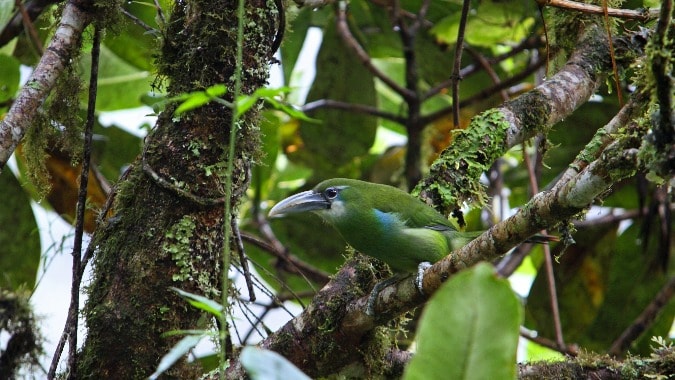
Manu National Park is number one in the jungle and wildlife category / Photo: Daytours4u
4. The Amazon
Colombia and Venezuela
It is the largest rainforest on Earth . The biodiversity of the Amazon rainforest is unparalleled in the world, which is why it is known as the lungs of the Earth . It is home to the greatest variety of freshwater fish on the planet and a variety of exotic mammals such as the pink river dolphin, the manatee, the jaguar, the puma, the giant otter, the peccary, the tapir, the sloth, and various primates. The largest river turtle and caiman in the world can also be found there. It is a key biome for the planet, not only because of the importance of preserving the biodiversity it harbors, but also because it is fundamental to balancing climate patterns in the region.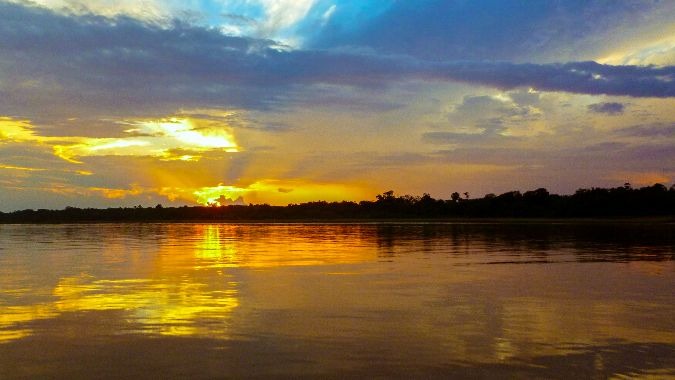
The Amazon is a key biome for the planet because it is fundamental to balancing climate patterns in the region / Photo: Daytours4u
5. Madidi National Park
Bolivia
It is the protected area with the most recorded species of plants, butterflies, birds, and mammals to date. It boasts a total of 8,880 registered species, including 265 mammals, 1,028 birds, 105 reptiles, 109 amphibians, 314 fish, 5,515 plants, and 1,544 butterfly species. This area is home to 31 indigenous and farming communities of Tacana, Leco, Quechua, and Aymara origin, and has a population of just over 3,000. This national park is a solitary, inhospitable, and largely unexplored place where animals such as otters and tapirs, caimans, and capybaras (the world's largest rodents) can be spotted. But it is also home to hundreds of species that were previously unknown.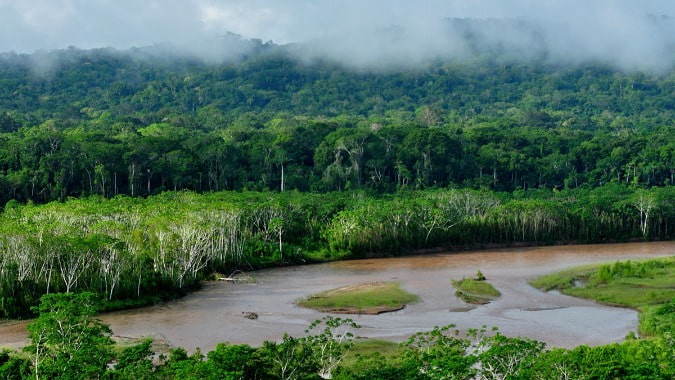
Madidi National Park has cloud forests, lowland rainforest, rivers, streams, swamps, and even glaciers. / Source
6. The Andes Mountains
Argentina , Bolivia, Chile , Ecuador , Colombia , Peru and Venezuela
This mountain range in South America crosses Argentina, Bolivia, Chile, Ecuador, Colombia, Peru, and part of Venezuela. The Andean area encompassing Ecuador, Colombia, and Venezuela is lush and rich in flora and fauna. It is home to approximately 45,000 plant species and 5,975 animal species. This region, known as the Tropical Andes, boasts the highest biodiversity in the entire Andean mountain range due to its more temperate climate. In fact, British ecologist Norman Myers dubbed it the "world epicenter of biodiversity." The presence of the Andes in South America has been key to its unparalleled biodiversity. Indeed, numerous studies have demonstrated that past climate changes in the mountain range, along with geological and biological processes, fostered the richness of species that characterizes the region today.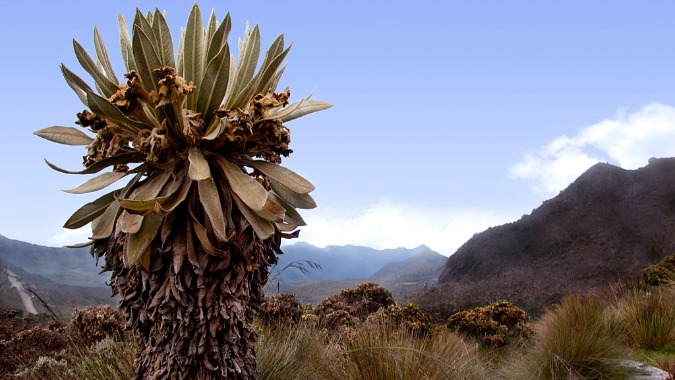
The Central Andes in Ecuador, Colombia, and Venezuela were called the "world epicenter of biodiversity" by British ecologist Norman Myers / Photo: Source
7. Lauca National Park:
Chili
This 137,883-hectare protected area is home to a rich variety of species, including the llareta, the candelabra cactus, and the queñoa (the tallest tree in the world). This natural attraction is characterized by its abundant flora and fauna, sites of great cultural and historical interest, and landscapes of immense natural beauty. Currently, it is home to more than 130 different bird species, in addition to the characteristic vicuñas, vizcachas, and condors. One of its main attractions is the magnificent Lake Chungará , one of the highest lakes in the world, located at the foot of the twin Payachata volcanoes.
Lake Chungará in Lauca National Park is one of the highest lakes in the world and is located at the foot of the twin Payachata volcanoes / Photo: Source
8. Misiones Rainforest
Argentina , Brazil and Paraguay
Also known as the Upper Paraná Atlantic Forest, it is one of the largest green areas on the planet. It is the second largest biodiversity reserve in the Americas . Its biological diversity encompasses more than 2,000 species of flowers, 150 different plant species in just one hectare, a wide variety of mammals, reptiles, insects, and 400 species of birds. Spanning three countries—Argentina, Brazil, and Paraguay—it boasts the three largest and most voluminous rivers in the country (after the Río de la Plata); mountain ranges that reach 800 meters in height; and half a million hectares of parks and reserves. However, the Misiones Rainforest is a highly threatened ecosystem due to deforestation and the exploitation of its fauna and water resources. To combat this, various projects are currently underway to protect the rainforest and its wildlife.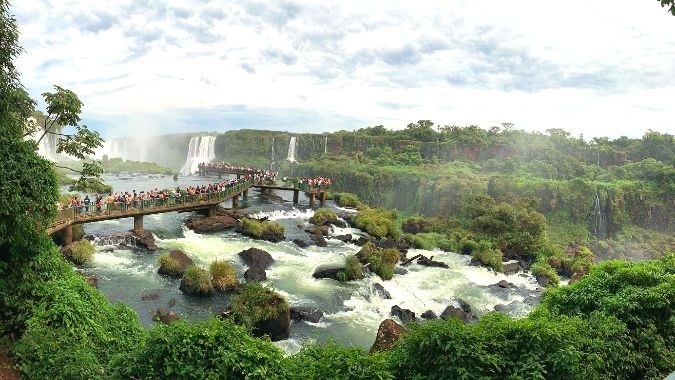
The Misiones Rainforest is a highly threatened ecosystem due to deforestation and exploitation of its fauna and water resources / Photo: Daytours4u
9. Canaima National Park
Venezuela
This South American natural wonder covers 3,000,000 (yes, three million) hectares and is located in Bolívar State, in southeastern Venezuela. Its main attraction is Kerepacupay Vená , better known as Angel Falls , the world's tallest waterfall, surpassing Niagara Falls by 17 times. The park's landscape is characterized by geological formations called tepuis , a type of very high plateau with steep walls and flat summits. These giants, being almost isolated, develop their own ecosystems and are of great geological interest as they are unique in the world. Travel tip: Packing well is essential when traveling to Canaima. It's recommended that your luggage doesn't weigh more than 10 kilos. Less is even better. This is also the maximum weight allowed per person when boarding the small plane. Keep in mind that you'll be carrying your luggage at all times and that you'll be doing some hiking.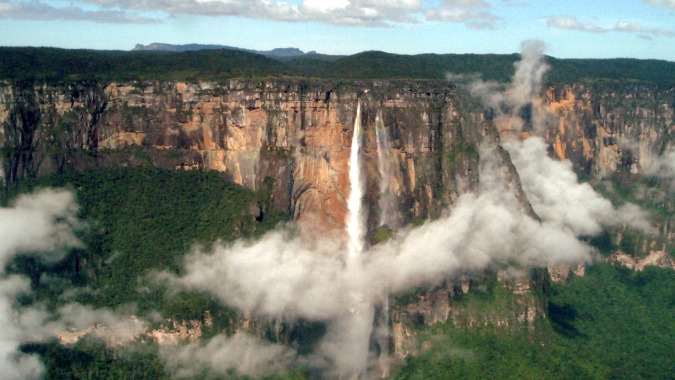
The "Paradise Falls" featured in the animated film Up are inspired by Canaima National Park / Photo: Francisco Becerro
. . .
Alarming facts and figures:
1) 70% of the world's poor live in rural areas and depend directly on biodiversity for their survival. 2) The variety and abundance of species declined by 40% between 1970 and 2000. 3) Unsustainable consumption continues, and global demand for resources exceeds the Earth's biological capacity by 20%.. . .
Biodiversity is declining rapidly due to factors such as changes in land use, climate change, invasive species, overexploitation, and pollution. Our commitment to protecting biodiversity includes developing products and solutions that consider their impact on nature. We invite you to travel consciously and discover the most biodiverse natural attractions in South America and the world with Daytours4u. You'll be constantly amazed!By : Nathaly Bosch, Venezuelan social communicator. Spanish writer for Daytours4u
Published by Has Chacon on 03/06/2026


