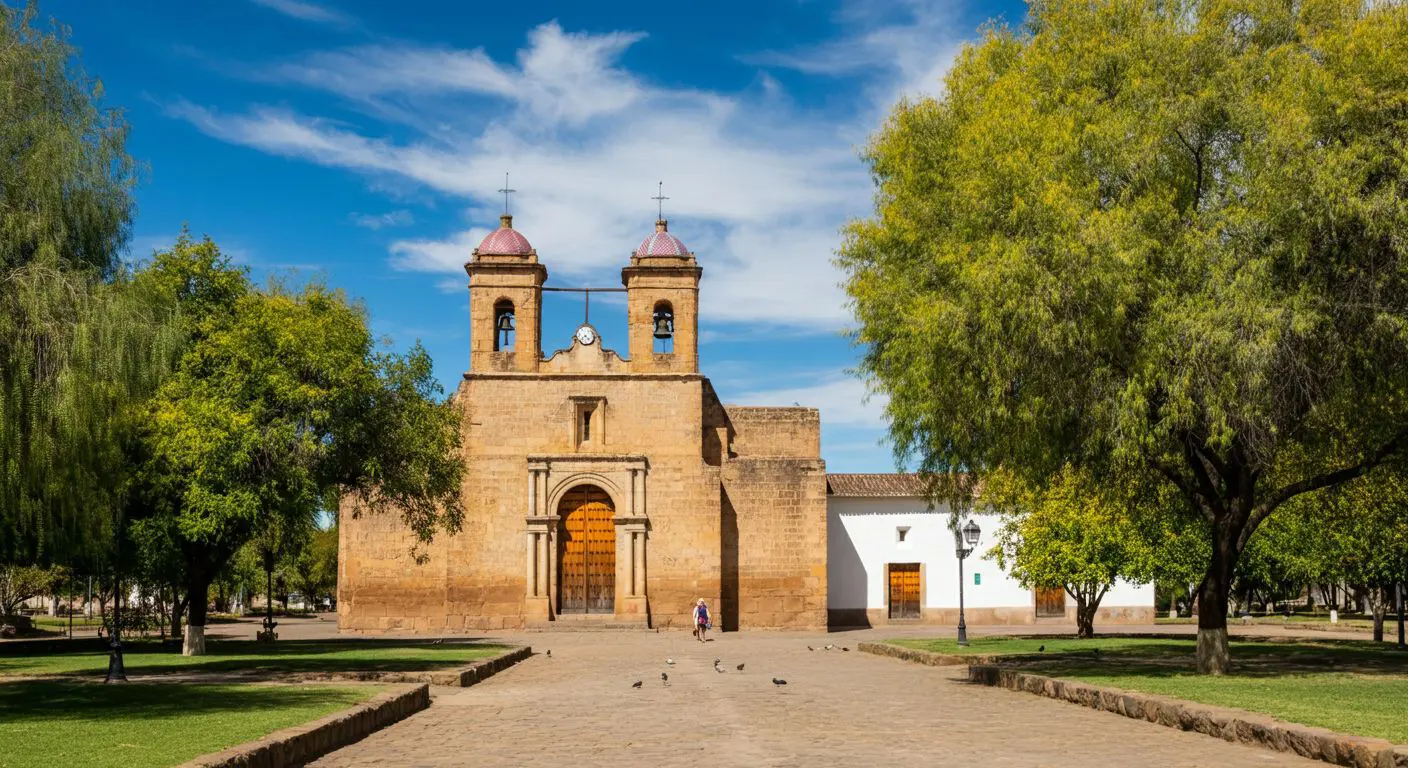
I continued my journey; after Talampaya, the Valley of the Moon , and Puerto Madryn , I returned to Córdoba . I had already visited part of the region. What can I say? Córdoba's charm worked its magic on me. So, here I am back in Córdoba.
[caption id="attachment_1870" align="aligncenter" width="640"]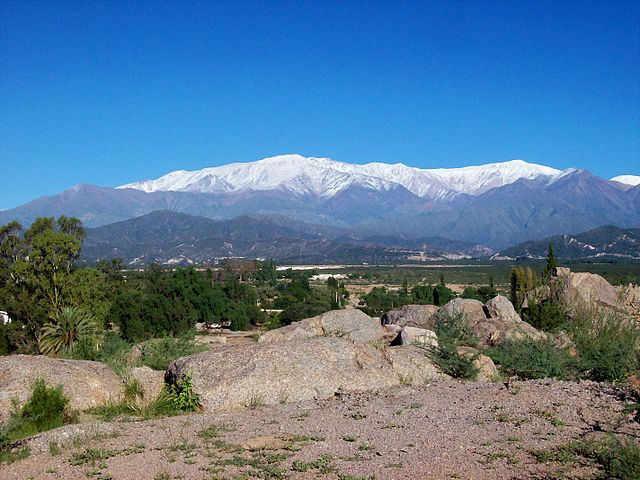 Typical landscape of Córdoba / Source [/caption]
Quebrada del Condorito National Park
On my way to Quebrada del Condorito National Park , established in 1996. Quebrada del Condorito protects the famous condor, an Andean symbol . I get up early to go to the park because you have to walk several kilometers to see the condors. And besides, condors usually leave their nests in the morning. After walking along the trail, and after seeing a horse roaming freely, I reach the first viewpoint. From there, I can watch a condor flying overhead . It's such a majestic and enormous animal! I continue walking along the trails to the river. We walk through the mountains; the view is magnificent. I encounter other animals like eagles , pumas , and even armadillos .
[caption id="attachment_1871" align="aligncenter" width="640"]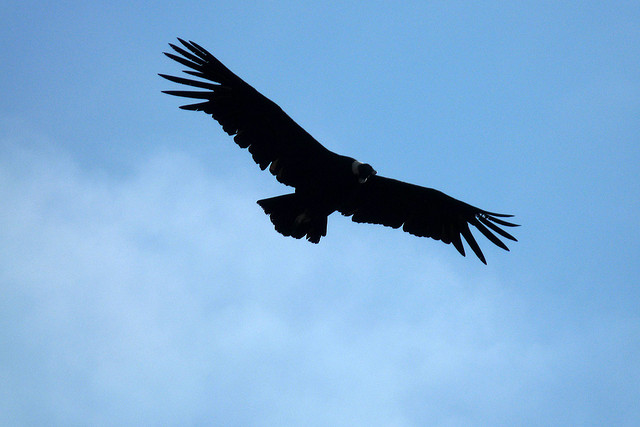 A condor soaring above the Quebrada del Condorito. / Source [/caption]
The road to the Jesuit ranches of Córdoba
Córdoba is known for its many Jesuit ranches . Although the most famous, the Manzana Jesuitica , is located in the city of Córdoba, many Jesuit ranches are scattered around the city. The Jesuit Ranch Trail has been designated a UNESCO World Heritage Site .
The Alta Gracia Jesuit Ranch
Near Córdoba, Alta Gracia is a charming little town. Besides the fabulous Che Guevara Museum , housed in his childhood home, Alta Gracia is known for its Jesuit Ranch . Located in the town center, facing the lake, its white buildings and size give it a majestic air.
[caption id="attachment_1872" align="aligncenter" width="565"]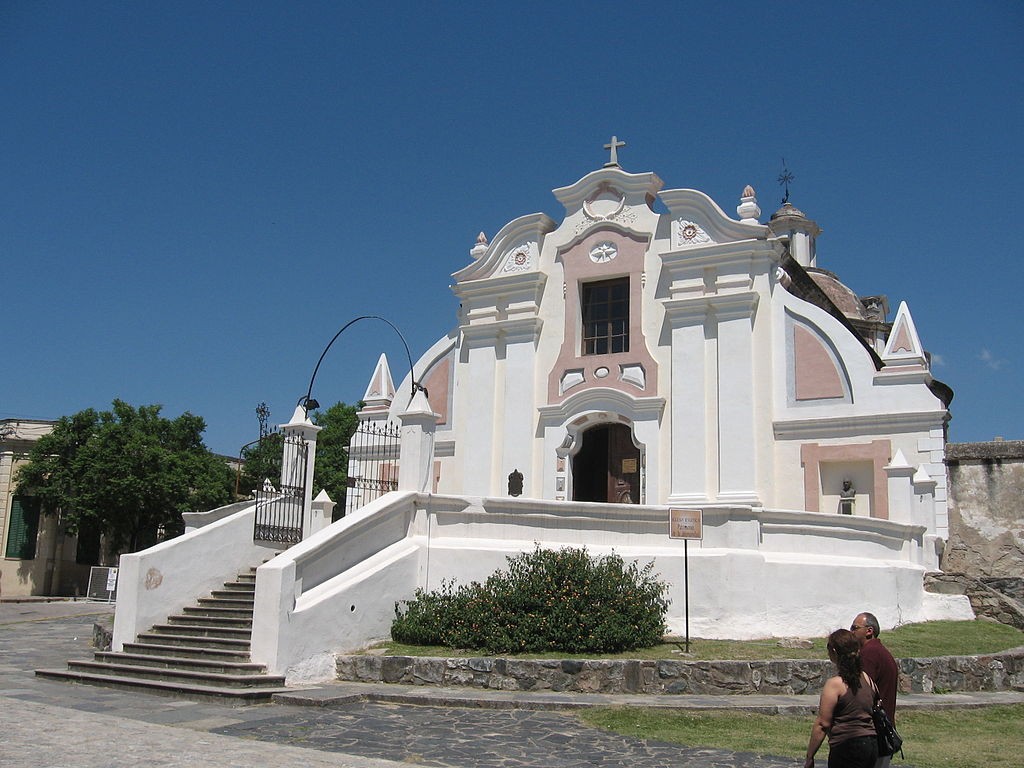 The beautiful Jesuit ranch in Alta Gracia, across from the lake. / Source [/caption]
The Jesuit ranch Santa Catalina
The Santa Catalina Ranch is located in the heart of the Córdoba mountains. It's the largest of all the ranches . Its Baroque facade and three patios are truly remarkable. The San Catalina Ranch once raised several thousand head of cattle. A fascinating history and architecture!
[caption id="" align="aligncenter" width="500"] The largest Jesuit ranch in Cordoba is Santa Catalina. / Source [/caption]
The Jesuit Jesús María Ranch
This is the Jesuit ranch that was dedicated to wine production. The church, a residence and a bodega still remain.
The Jesuit ranch La Candelaria
In my opinion, this is the most charming Jesuit ranch in Córdoba. Nestled in the mountains, the small ranch has a rich history: that of mule breeding . It's estimated that in about a century, 1.5 million mules were born in La Candelaria. And so, mules from Los Angeles to Buenos Aires came from La Candelaria. Impressive, isn't it?
[caption id="attachment_325" align="aligncenter" width="500"]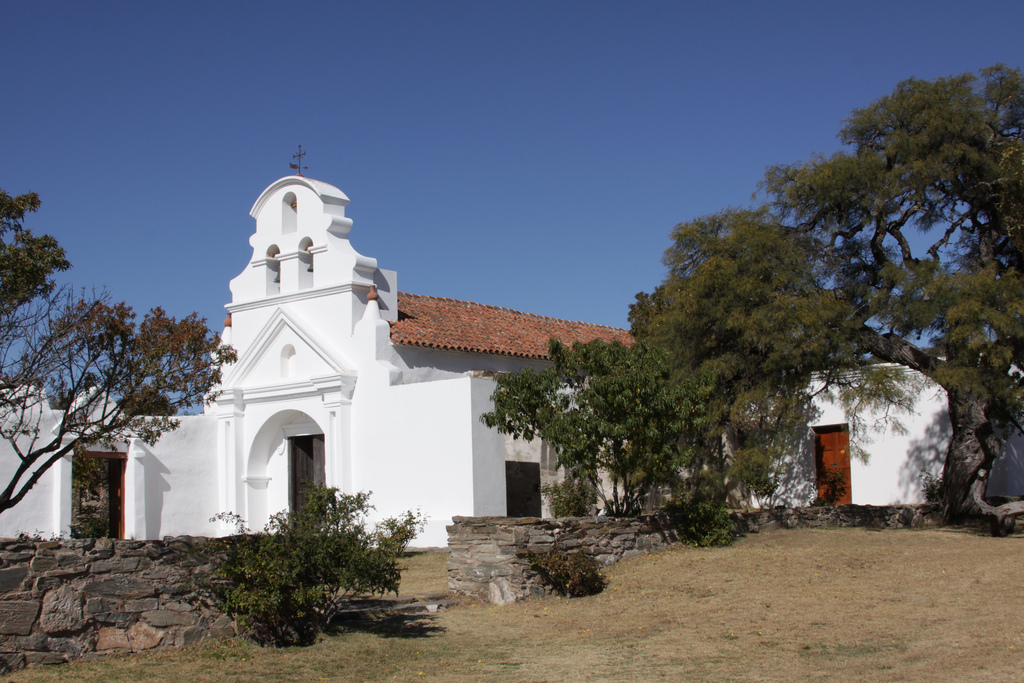 The Jesuit ranch La Candelaría: the origin of millions of mules. / Source [/caption]
The Jesuit ranch Caroya
The Caroya Ranch is located about 50 kilometers from Córdoba. For me, it's the most impressive. Its building is imposing, and its patio , surrounded by cloisters, is remarkable. Its history is also interesting. After Independence, the ranch became the first arms and gunpowder factory for the army. It also served as a post office and a reception center for immigrants.
[caption id="attachment_1873" align="aligncenter" width="500"]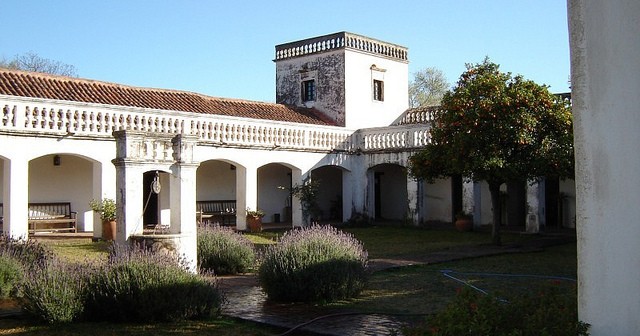 The Jesuit ranch Caroya is located a few kilometers north of Córdoba. / Source [/caption]
The Alpine heritage in the sierras of Córdoba
La Cumbrecita
Nestled in the heart of the Córdoba mountains lies La Cumbrecita , a small alpine village (a blend of German and Swiss affiliation). It feels surreal to travel from the city of Córdoba to the "alpine" mountains! I truly feel as if I'm in the Alps. The houses, the streets, the signs, the restaurants—everything reflects alpine culture. The village was founded by Helmut Cabjolsky and his family. It has only recently opened to tourism. The small wooden houses welcome visitors, eager to share their culture. The restaurants offer typical alpine cuisine : a delight! After my meal, I strolled through the village to the waterfall, passing by panoramic mountain viewpoints. A truly unique experience!
Villa General Belgrano
Villa General Belgrano, 90 kilometers from Córdoba, is an architectural and cultural landmark of the Alps . Its first inhabitants were Germans, Swiss, and Austrians. Homesick, they sought to recreate their way of life in the mountains of Córdoba. More touristy than the village of La Cumbrecita, Villa General Belgrano is more vibrant. Several festivals take place there, such as the National Viennese Cake Festival , Oktoberfest , and the Alpine Chocolate Festival . In addition to the beer, be sure to try the artisanal ice cream!
[caption id="attachment_1874" align="aligncenter" width="540"]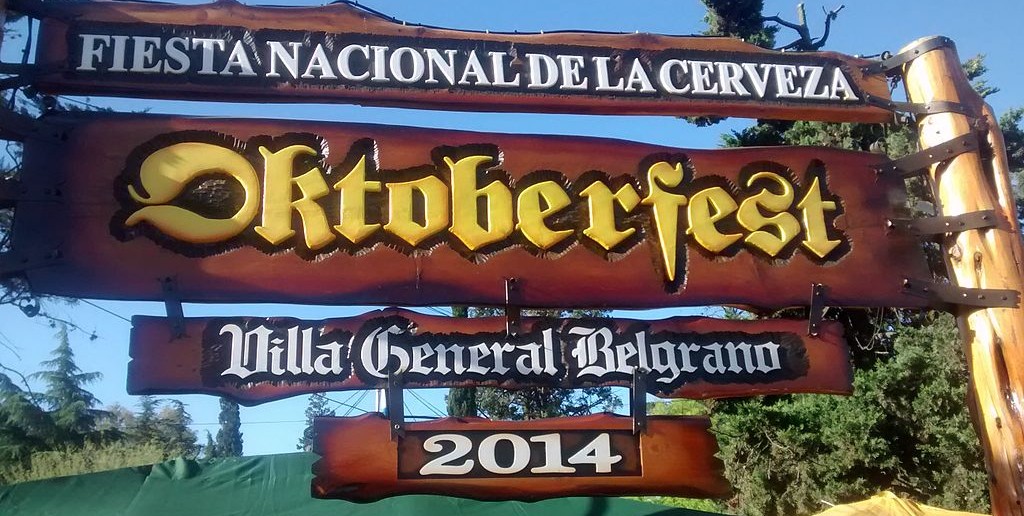 Villa General Belgrano is very lively during Oktoberfest. / Source [/caption]
Once again, Córdoba has captivated me! I was also surprised by its blend of Alpine and Argentinian cultures. The Jesuit Ranch Trail is a must-see for history buffs. I recommend taking an organized tour with Argentina4u , as these magnificent places aren't always easy to access.
For more information, excursions and activities in Argentina, visit our website Argentina4u .
By: Emilie Pinel
Published by Has Chacon on 04/06/2026


