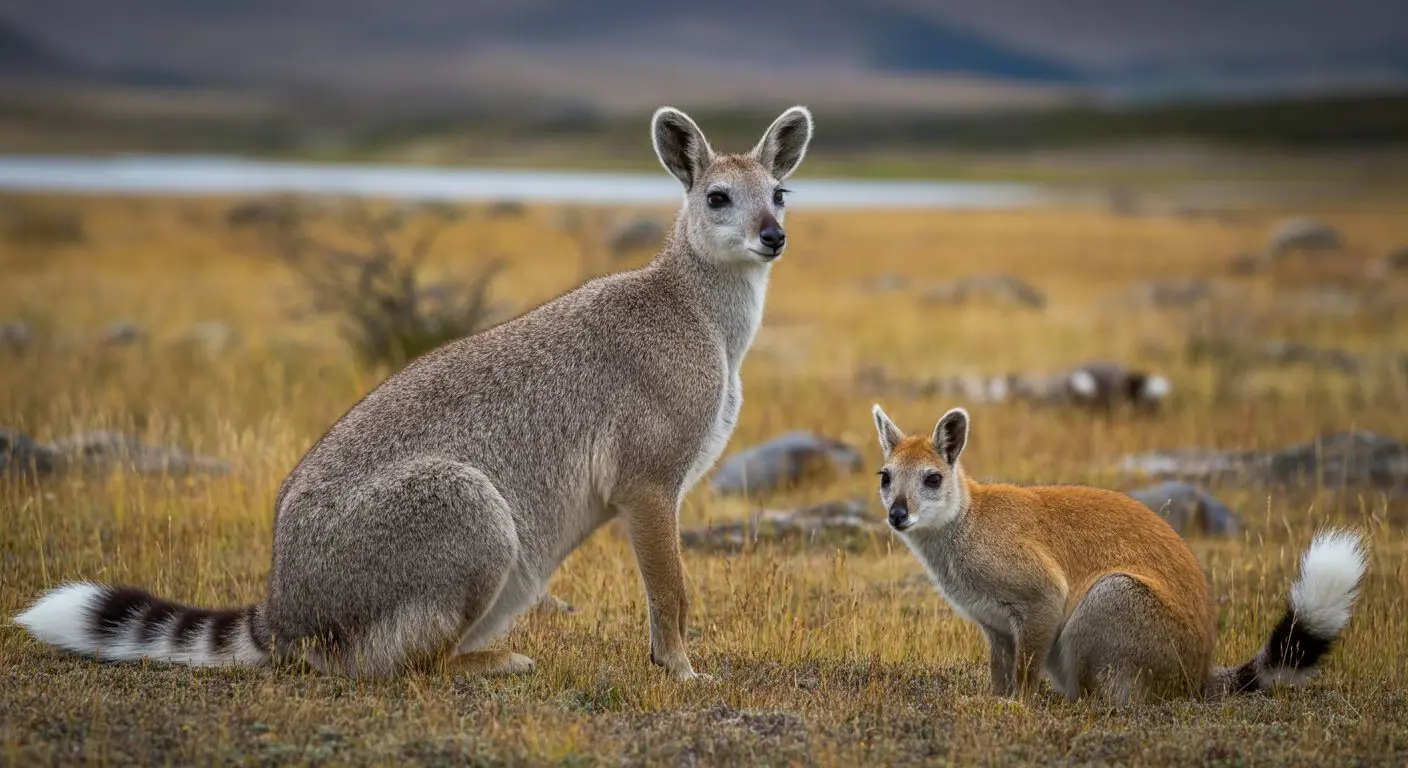
One of Argentina 's greatest attractions is the wildlife of Patagonia . This remote region is home to some of the most amazing species on the planet. So, if you're planning a trip to Patagonia , keep your senses sharp and your camera ready, because a great opportunity to connect with these magnificent creatures of the natural world that make up Patagonian fauna could arise at any moment.
Next, we'll introduce you to some of the most important animal species that inhabit the Andean forests, steppes, and vast valleys of Patagonia. You can frequently spot them near El Bolsón and San Carlos de Bariloche , around El Calafate and El Chaltén , and also within Los Glaciares National Park .
Animals of Patagonia: Andes and Steppes
[caption id="attachment_611" align="alignnone" width="640"]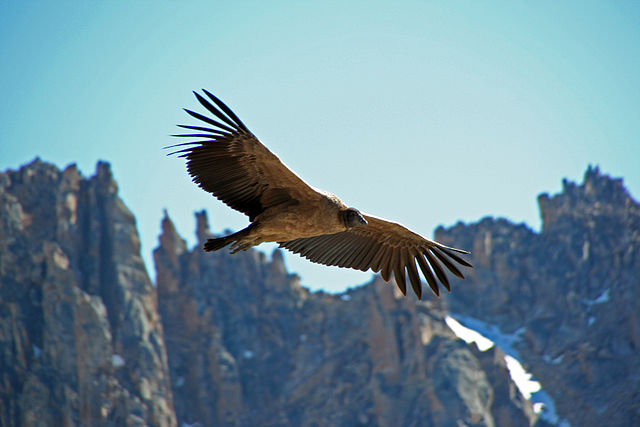 The Andean Condor dominates the skies of Patagonia. / source [/caption]
Andean Condor (Vultur gryphus) Considered the largest bird in the Americas, this gigantic animal can reach a wingspan of up to 3 meters. Although it is an endangered species, it is still common to see some specimens soaring over the mountains and plains of El Calafate and El Chaltén in Argentina. There, condors can reach altitudes of up to 10,000 meters, using their vision, eight times more powerful than that of humans, to track their prey. During adulthood, the female is distinguished by the white collar of feathers around her neck, while the male is recognized by the crest and fleshy markings adorning his upper body.
[caption id="attachment_613" align="alignnone" width="702"] Rheas are part of the mythological pantheon of the Tehuelche people. / source [/caption]
The lesser rhea (Pterocnemia pennata) is a native bird of the Patagonian steppe. It is characterized by its large hind limbs, which allow it to move quickly on land, reaching speeds of up to 45 km/h. This animal has been domesticated for thousands of years by the indigenous peoples of Patagonia, who highly value its meat, feathers, and feet. The rhea is a polygamous bird, and during gestation, the male incubates the eggs. Once the chicks hatch, the father cares for and protects them. When it comes to defending its young, this species can be very courageous and will confront any human or animal it perceives as a threat.
[caption id="attachment_615" align="alignnone" width="640"]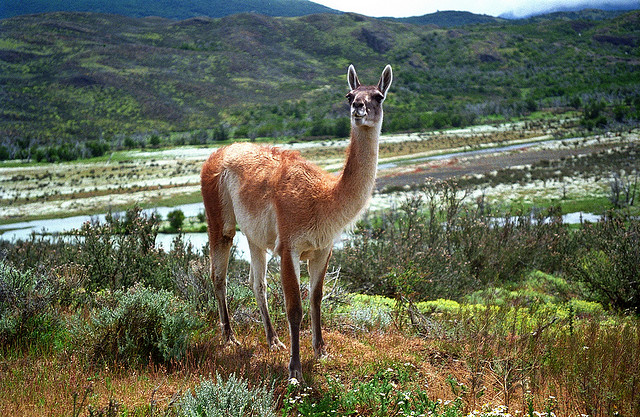 Guanacos resemble llamas, but with longer necks and legs. / source [/caption]
Guanaco (Lama guanicoe) A member of the camelid family, guanacos are animals that look similar to llamas, but with longer necks and legs. They are also distinguished by their ochre color and their large eyes with long eyelashes. They are herbivores that feed on grasses, shrubs, and lichens, and herds of guanacos are frequently seen throughout Argentine Patagonia. During their lives, guanacos form a harem with a dominant male. Each female has only one offspring per year (called a chulengo) and requires an 11-month gestation period. The guanaco's natural predator is the puma and occasionally the red fox, making its survival very important for the Patagonian ecosystem.
[caption id="attachment_616" align="aligncenter" width="508"]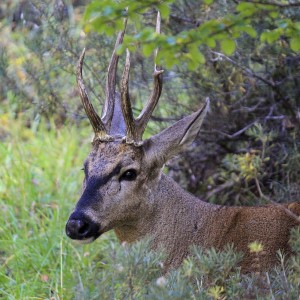 The Huemul is a species protected by the National Parks. / source [/caption]
The Huemul (Hippocamelus bisulcus) is an endemic species of Andean Patagonia belonging to the Cervidae family, and is critically endangered. However, it is still possible to encounter some groups in the forests of Río Negro Province near El Bolsón and near El Chaltén within Los Glaciares National Park. Some individuals can reach a weight of 100 kg and are recognizable by their dark brown fur, which lightens in winter, and by the small antlers that the males wear on their heads. It is a herbivorous species, and females give birth to only one fawn per year. Therefore, its survival depends largely on the environmental conservation management of the National Parks of Chile and Argentina.
[caption id="attachment_617" align="alignnone" width="702"]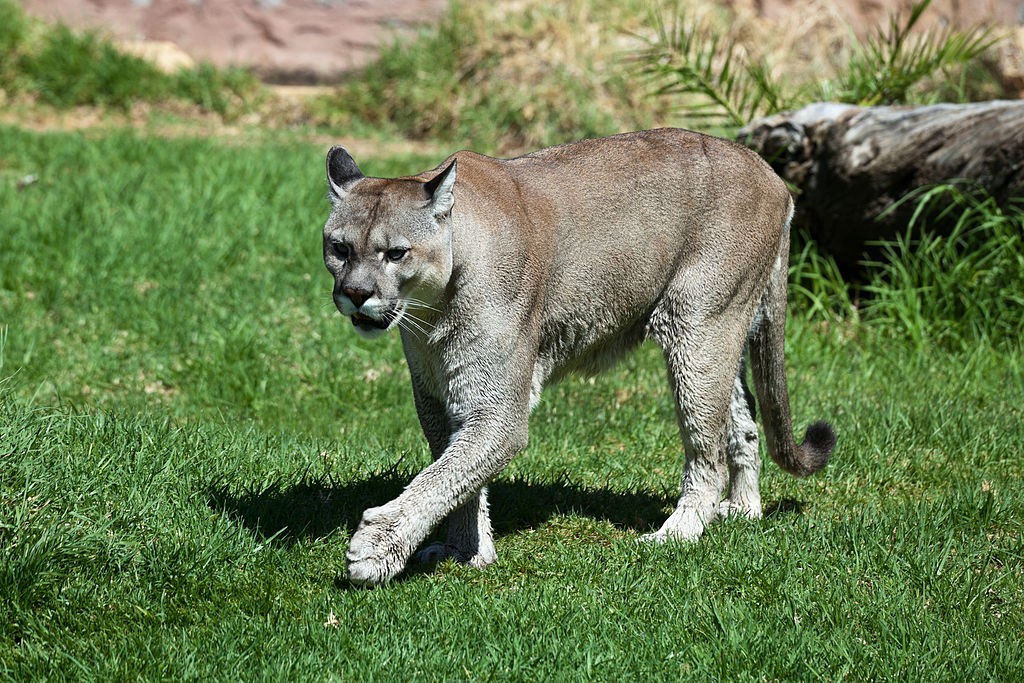 The puma has the ability to adapt to all the natural environments of Patagonia. / source [/caption]
Puma (Felis concolor patagonica) The Patagonian puma is a nocturnal carnivore. It typically feeds on prey such as upland geese, rheas, guanacos, foxes, sheep, and lambs. It usually inhabits areas near the Andes Mountains and seeks refuge during the day in places like ravines or caves. The puma can travel up to 40 km in a single night, so it is estimated that its hunting territory can extend up to 60 km². Adult individuals can reach a size of 3 meters, measured from snout to tail tip, and their weight varies between 50 and 80 kg.
[caption id="attachment_618" align="alignnone" width="702"]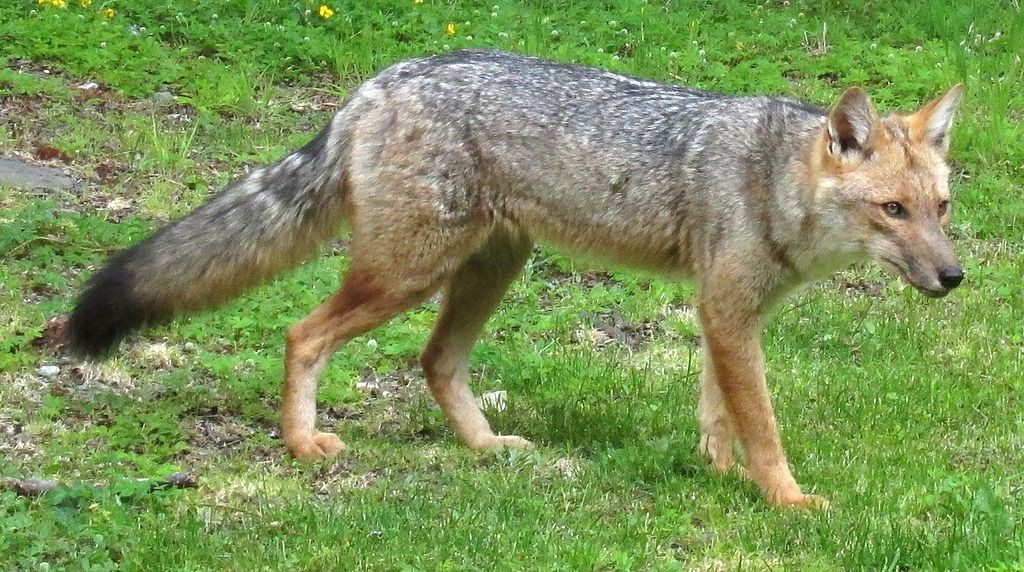 Red foxes help control the growth of the hare population. / source [/caption]
The culpeo fox (Dusicyon culpaeus) belongs to the canid family of the order Carnivora (the same order as dogs and wolves). It can reach a length of 1.30 meters and is characterized by its long, reddish fur on its belly, legs, and head; its back is gray, and the fur on its tail is black. The culpeo fox's diet consists mainly of eggs, birds, and rodents, although it may also prey on sheep and lambs. Females can have up to five pups, and their only natural predator is the puma. However, the extensive droughts currently affecting Patagonia and deforestation have forced the fox to include the thousands of hares introduced by humans in its diet and to seek out the occasional prey among human camps.
If you are a nature lover and plan to travel to Patagonia, you must keep your senses wide open to any movement you perceive: it could be your opportunity to observe and have an experience with the amazing animals of Patagonia.
For more information about tours & activities in Argentina, visit our website or follow us on social media.
Published by Has Chacon on 03/06/2026


