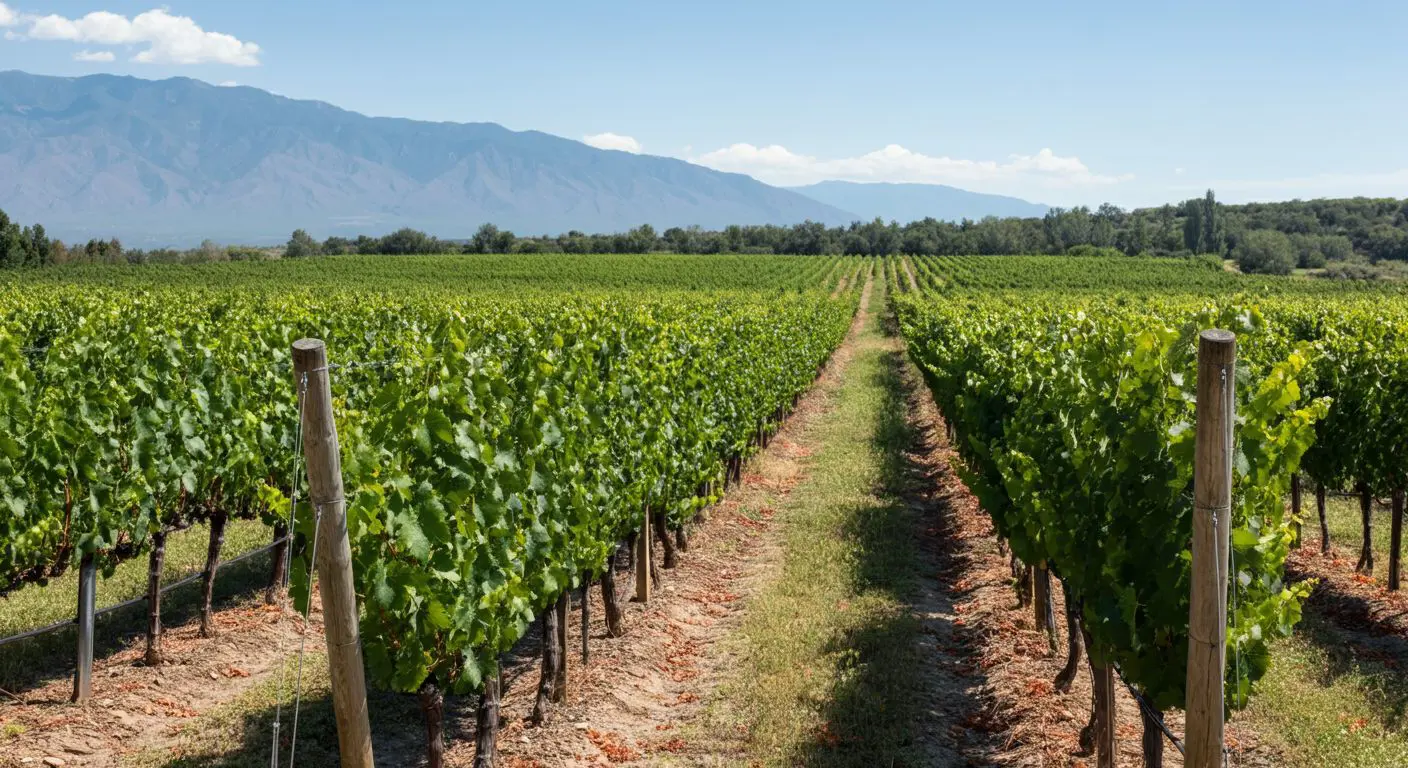
Mendoza has become synonymous with its wide variety of vineyards and its thriving wine industry, and frankly, we're not complaining. Since a trip to Mendoza isn't complete without a vineyard tour, I, as a wine lover, decided to add this excursion to my itinerary.
[caption id="attachment_506" align="aligncenter" width="540"]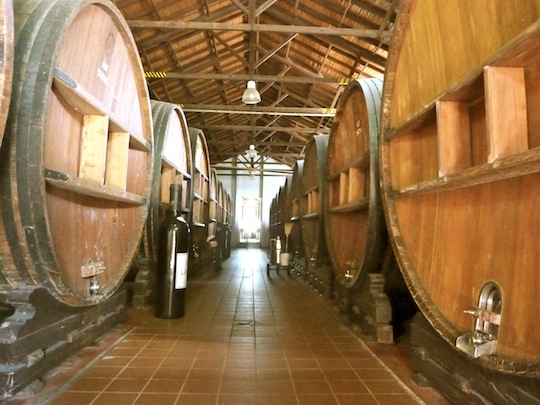 The impressive wine barrel room at Bodegas Lopez.
This excursion is perfect for spending an afternoon in Mendoza and learning more about this wine region. The biggest benefit of booking a tour is that you're accompanied by an expert guide who explains the ins and outs of the wine industry in the region.
As we were transported in a comfortable minibus to Maipú , our extraordinary guide, Claudia, explained to us the origins of Malbec in Argentina and why this grape had grown here in Mendoza (it's all due to the altitude, the sandy soil and the daily temperature changes in the region).
3-Step Vineyard Excursion
First stop: Bodegas Lopez
After learning a bit more about the expansion of wine production in Mendoza, our vineyard tour began at Bodegas Lopez . Founded by the Spaniard José López Rivas in 1898, this historic winery is still run by the Lopez family. This family business represents the very best of the wine industry today: a rich history and traditional know-how harmoniously combined with modern technology.
Guided by a representative from the winery, we continued our visit with a private tour (for English speakers only) through the estate and its cellars, where our guide explained the various stages of wine production . The tour concluded with a delightful wine tasting in a beautiful tasting room. And of course, we didn't leave empty-handed!
[caption id="attachment_507" align="aligncenter" width="540"]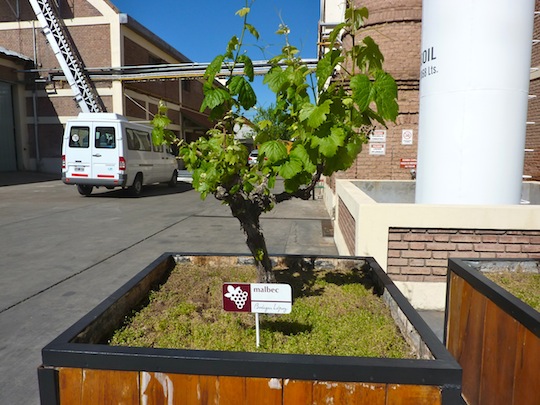 The famous Malbec.
2nd stop: Local olive oil mill
To take a break between visits to wine cellars, the next stop was at an olive oil factory . Indeed, olive trees are the other major resource of the region, the country's leading producer of olive oil .
We visited Pasrai , a factory outlet for extra virgin olive oil, but also a producer of dried fruits and vegetables, and especially raisins, from which it takes its name. This olive grove, like the wine cellars we visited, is a family business .
We continued our tour of the facility with another expert guide who explained how olive oil was produced. Surprisingly, producing just one bottle of olive oil requires an incredible number of olives, as olives specifically grown for oil production are small and low-yielding. Now, I'm definitely more forgiving of the price of olive oil considering all the work that goes into it.
To conclude our visit, we enjoyed a full tasting of the estate's various olive oils, including fragrant and unfiltered oils (amazing!), as well as a selection of delicious tapenades and dried fruits. An excellent way to prepare our palates before the second wine tasting.
[caption id="attachment_505" align="aligncenter" width="540"]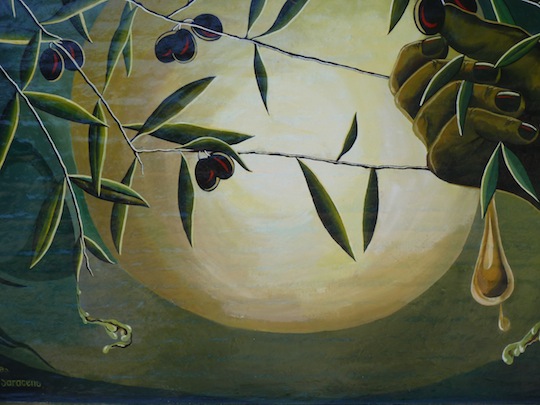 Olives: the region's second major product [/caption]
3rd stop: Cavas by Don Arturo
The final stop on the wine tour will take you to Cavas de Don Arturo, another winery; this was the last visit of the day. Unlike Bodegas Lopez, which produces a huge quantity of wine each year, this family-run winery produces only red wine, available for purchase only at the winery and at a small local market.
After Lopez's ultra-modern cellars, this small, rustic winery offers a superb contrast. The tour here was very personal, conducted by the family themselves. Everyone is involved in the production process, even the owner's wife who, although she doesn't drink alcohol, has extensive knowledge of winemaking.
Far from the hustle and bustle of large estates, the intimacy and tranquility make this bodega a very special place.
[caption id="attachment_508" align="aligncenter" width="540"]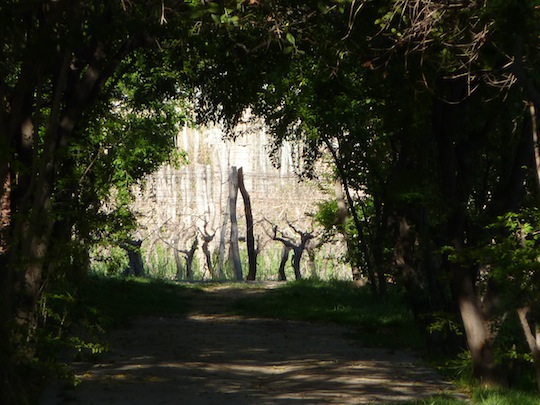 Don Arturo's superb Cavas vineyards.
To conclude our wine tasting experience in Mendoza, we visited the Church of the Virgin of Carrodilla . This sculpture of the Virgin, brought from Spain by Don Antonio de Solanilla in the 18th century, is the patron saint of vineyards and harvests. The mysticism surrounding her increased when the church bearing her name was one of the only buildings to withstand the devastating earthquake that struck Mendoza in 1861. Today, she is an important figure in the Harvest Festival in Mendoza .
It was an excellent way to end the tour, leaving me with the feeling that I had not only spent the day tasting wine or olive oil, but had also learned more about the history and culture of Mendoza's wine industry.
For more information, excursions and activities in Mendoza or Argentina, visit our website Argentina4u .
Click here to book the activity.
* Please note that the vineyards visited on this excursion may vary.
By: Nicole Eberhard / Translation: Angèle Miard
Published by Has Chacon on 04/06/2026


