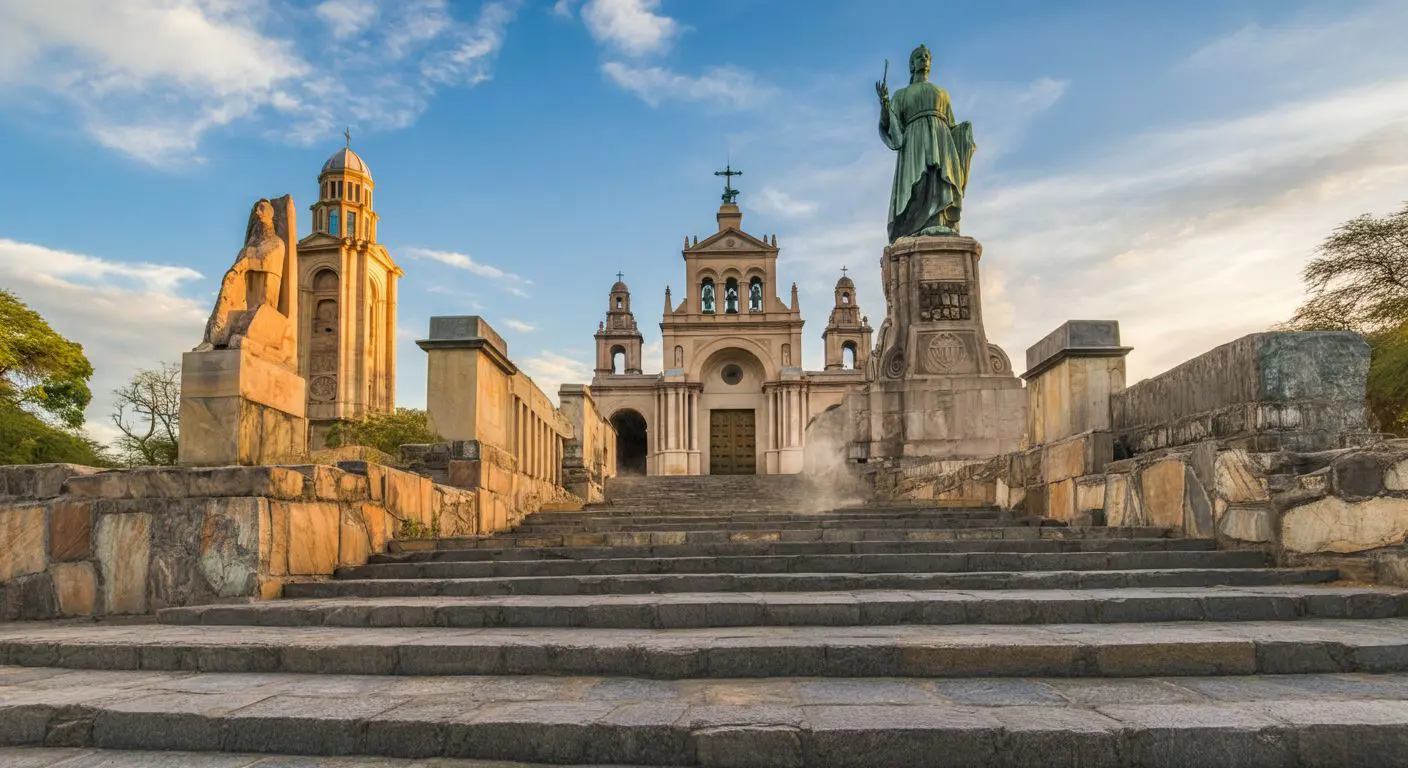
Did you know that Argentina is the host for a variety of natural and cultural UNESCO listed World Heritage sites?
From amazing landscapes to riveting ancient structures, from getting lost in the passion of the tango and being inspired by incredible architecture; Argentina has it all. If you are travelling through this magical country why not add some of these destinations to your list of activities in Argentina.
With the intention of preserving these important pieces of our heritage for generations to come, UNESCO – the United Nations Educational, Scientific and Cultural Organization – endorses both cultural and natural sites located across the globe. Let us take you on a journey to find out a bit about some of these Argentinean wonders.
[caption id="attachment_646" align="aligncenter" width="540"]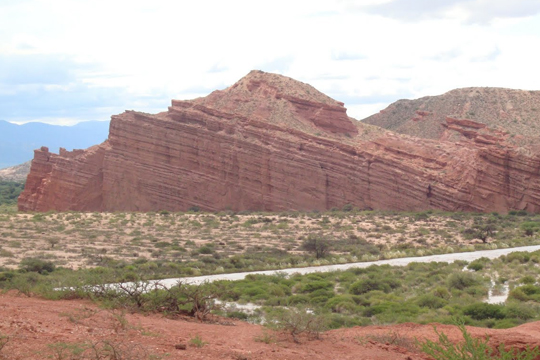 Amazing Rocks Formations Like "The Titanic" in Salta[/caption]
1. Iguazu Falls
Seeing the falls for the first time is quite a spectacular feeling. It is said that the closer you get to the falls the happier you feel and boy is that true. With 275 different waterfalls spanning an area 3km wide (2km of which is the upper rim of the waterfall) during its normal flow of around 1000 cubic meters per seconds that plummet into an enormous gorge set in a beautiful subtropical surrounding; these falls will absolutely blow you mind with their overwhelming beauty. The falls mark the border between Argentina, Brazil and Paraguay and the vast expanse of roaring water that is Iguazú Falls is bound to take your breath away hence making it one of the MUST-DO activities in Argentina.
Iguazu falls are around a 90 minute flight from Buenos Aires and set in the humid and tropical Misiones province. Most people opt to do this experience over 2 days max, experiencing this fascinating area of jungle with red soil, giant butterflies, and comical toucans. Yet there is much more to Misiones that meets the eye with strong indigenous tribal culture, blond eastern European settlers, and tropical frontierland. Furthermore, you can explore its abundant untouched rainforest and its long-fallen,mysterious Jesuit ruins.
[caption id="attachment_259" align="aligncenter" width="540"]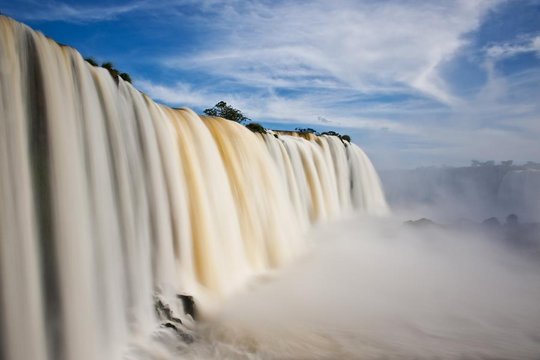 Iguazu Falls - Misiones[/caption]
2. Los Glaciares National Park
With 13 glaciers and Sub Antarctic forest environment the entire area of Los Glaciares National Park is a truly unmissable wonder. This park is made up of of 30% ice (2,600 square kilometers). The glaciers include Upsala (the largest of the glaciers), Spegazzini and Perito Moreno (see our previous blog). The park became World Heritage listed in 1981 in order to preserve its awesome beauty for generations to come. Apart from the brilliant whiteness of its surface and the crystal blue tones of its walls and crevices, Perito Moreno is one of the few glaciers in the world, and the only one in the Patagonian region, that continues to grow at a rate of 100 meters per year. This glacial movement generates one of the most anticipated and sought after events for visitors: The Calving event - the breaking off of chunks of ice at the edge of a glacier. To view these glacial wonders you can hop on an educational boat ride that sails through the waters of Lago Argentino or for the more adventurous you could even take part in a trekking expedition on Perito Moreno. These are truly some of the most incredible activities in Argentina. [caption id="attachment_501" align="aligncenter" width="540"]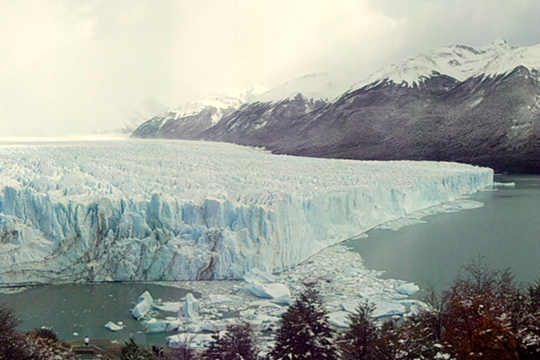 Perito Moreno[/caption]
3. Jesuit Missions of the Guaranis
Lying in the centre of a tropical forest are the ruins of São Miguel das Missões in Brazil, and the ruins of San Ignacio Miní, Santa Ana, Nuestra Señora de Loreto and Santa María la Mayor in Argentina. Each characterized by its layout and a different state of conservation, they are the impressive remains of five Jesuit missions, built in the land of the Guaranis during the 17th and 18th centuries. All these Guarani settlements are made up according to the same model: a Church, Residence of the Fathers, and the typically spaced houses of the natives are laid out around a large town plaza. These ruins are the examples of an architectural ensemble which illustrates a specific and significant period in our history.
4. Peninsula Valdes
If you're an avid marine lover, or are simply fascinated by the ocean, then Patagonia's Península Valdés must be on your list of activities in Argentina. The incredible 400 km shoreline in the Argentinian province of Chubut is made up of a variety of gulfs, cliffs, lagoons with extensive mudflats, shallow bays, sandy and pebble beaches, coastal sand dunes and small islands. Though the beauty of this peninsula lies with the creatures of the ocean. Take a trip to Puerto Madryn where you can embark on a Whale watching tour to view the breeding population of the endangered southern right whale. Or enjoy a trip to Punta Tombo to view the penguin settlement & Punta Loma for the playful population of southern elephant seals and sea lions. Also if you are lucky you might get a glimpse of the Orcas in this area who have developed a unique hunting strategy to adapt to the coastal conditions in the peninsula.
[caption id="attachment_358" align="aligncenter" width="540"]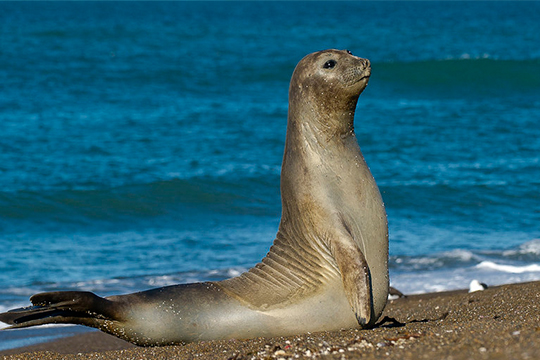 A seal keeping an eye out. / Image credit: Murilo Lins[/caption]
5. Quebrada de Humahuaca
Quebrada de Humahuaca is located in the Rio Grande Valley, spanning the popular cultural route of the Camino Inca, and is believed to have been an important trade route for over approximately 10,000 years. Beginning in the Andean plateaus, it extends 150 km south to the Rio Leone, and along the route, you can find historical traces dating from prehistoric communities to the Incan period to the more recent wars for independence in the 1800s and 1900s. You can reach this magical city by taking a day tour from the Argentinian city of Salta.
[caption id="attachment_654" align="aligncenter" width="540"]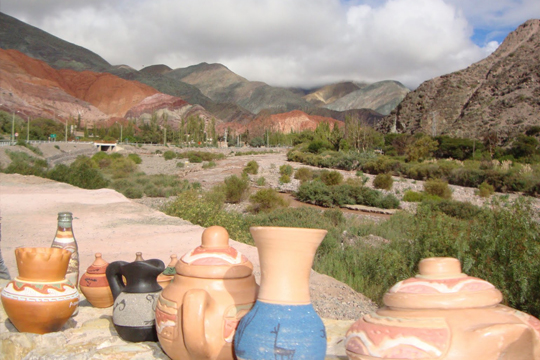 Quebrada-de-Humahuaca[/caption]
Published by Has Chacon on 03/06/2026


