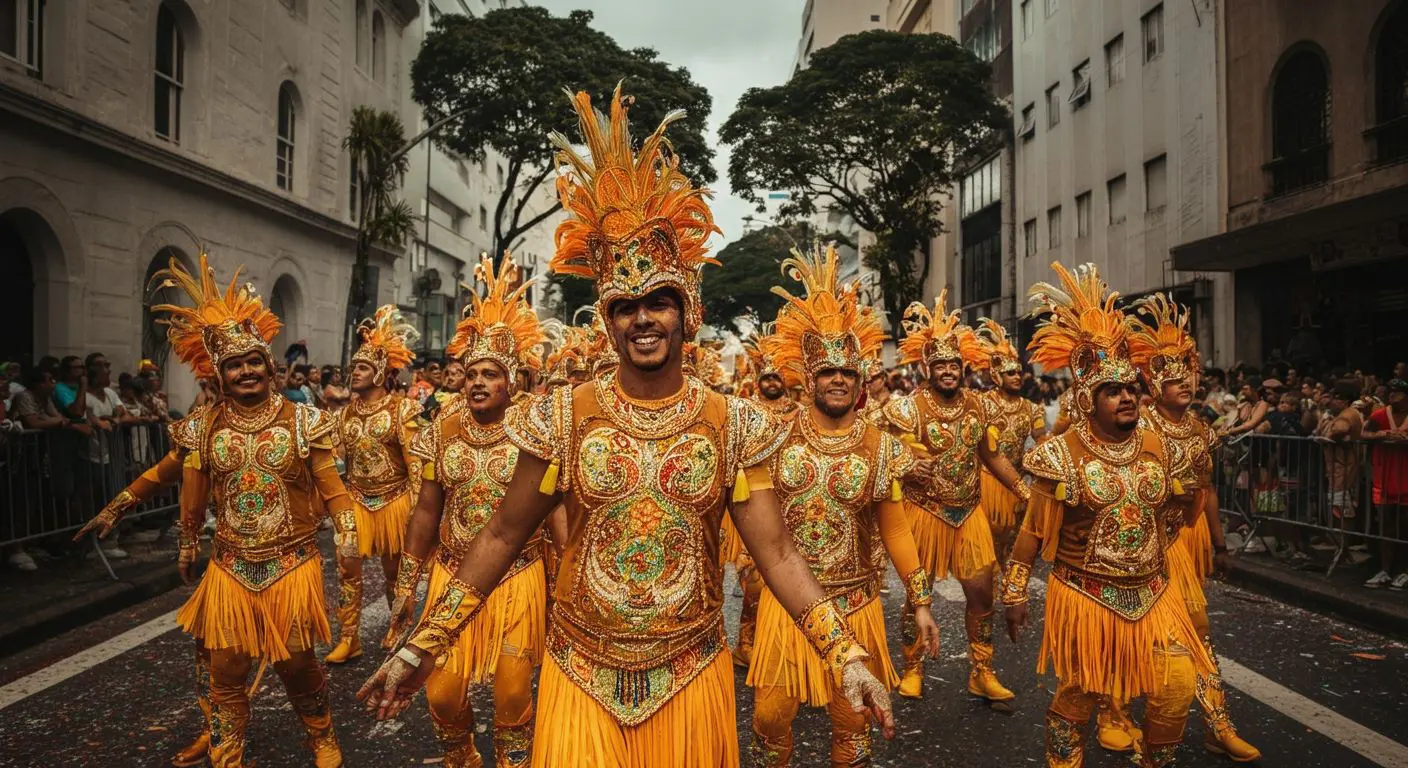
The traditional Carnival celebrations that take place every year in the streets of Rio de Janeiro date back to the early decades of the 19th century. Back then, the mixed-race and African population would descend from the favelas and senzalas to take over the city's main streets to celebrate, play their instruments, sing, and dance to the point of ecstasy, before the start of Lent and the season of fasting.
This time of year has become a socially significant event , gradually giving rise to a rich cultural tradition. At the beginning of the 20th century, the parades that continue to this day began to take shape in the streets. These parades feature renowned composers and entertainers , who travel on enormous floats and trucks specially designed for Carnival, followed by huge crowds celebrating the joy of living and existing in a world that, although imperfect, offers us the wonderful opportunity to laugh and learn a little something each day.
[caption id="attachment_876" align="aligncenter" width="702"]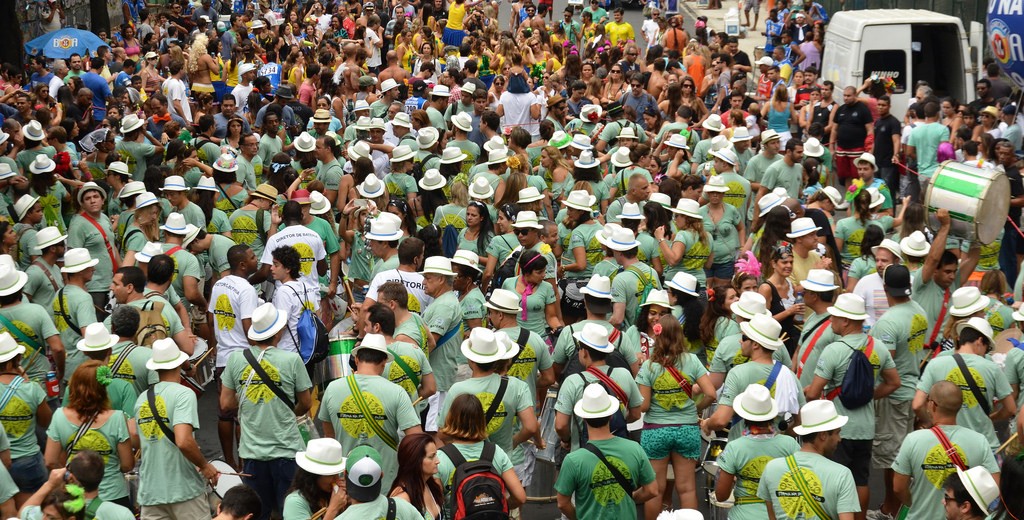 Samba is the main attraction of Rio's Carnival. / Photo: Digo Souza [/caption]
The most important thing is not to underestimate these groups of revelers; they are the heart of Carnival. It is from this fantastic atmosphere that some of the leading Samba Schools have emerged, schools that now compete in the famous Carnival Parades and are featured in the media. In addition, there are many other groups, simply groups of joyful citizens who enjoy going out to have fun in the streets and contributing to maintaining the traditional street parties of the biggest Carnival on the planet .
So, if you decide to visit Rio during Carnival , you'll find yourself surrounded by thousands of revelers from all over the world, who come with the sole intention of joining the traditional festivities that take place throughout February, before and after the official start and end of Carnival. They take advantage of the opportunity to experience a joyful and relaxed atmosphere, supported by the authorities, where everyone, young and old, can enjoy the fantastic Carnival celebrations in the Marvelous City .
Find below three (3) of the most important parades of the Rio de Janeiro Carnival:
1. Cordão do Bola Preta: 96 years of excellence
Where: Avenida Rio Branco, in downtown Rio . [caption id="attachment_871" align="aligncenter" width="702"]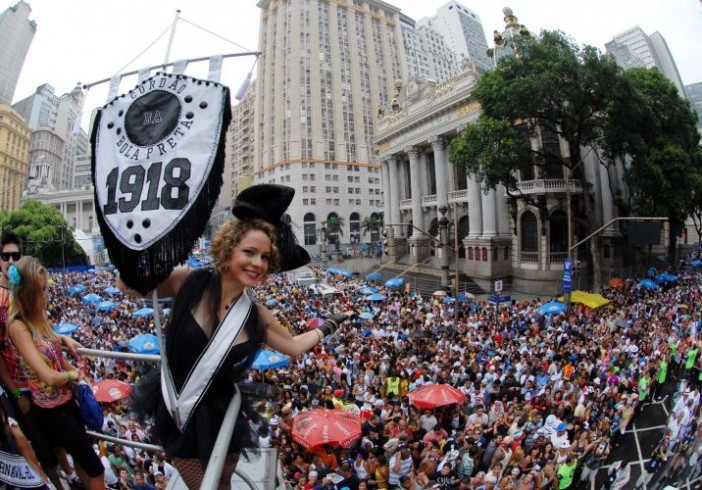 Carnival takes over the streets of Rio de Janeiro! / Source [/caption]
The Caravan, or Bloco Cordão do Bola Preta (or simply, the Black Ball), founded in 1918, is the oldest caravan in Rio de Janeiro's Carnival and one of the oldest groups in the entire country. It is a true relic of the Carnival groups that formed during the 20th century. Its birthplace is Rua da Glória 88, where its first parade took place on December 13, 1918. The group's traditional colors are black and white, and its official costume is white clothing with black polka dots. Every year, more than 10,000 people join this caravan, enjoying themselves and having fun to celebrate Carnival, honor traditions, and sing the classic samba songs of Rio de Janeiro's streets.
The Bola Preta traditionally takes place every Saturday of Carnival on Avenida Rio Branco in downtown Rio. The parade starts around 9 AM and goes on until 2 PM or later —you never know! (And that's one of the beautiful things about Carnival).
2. Simpatia é Quase Amor: High-level carnival irreverence
Where: General Osório Sq., in Ipanema . [caption id="attachment_872" align="aligncenter" width="702"]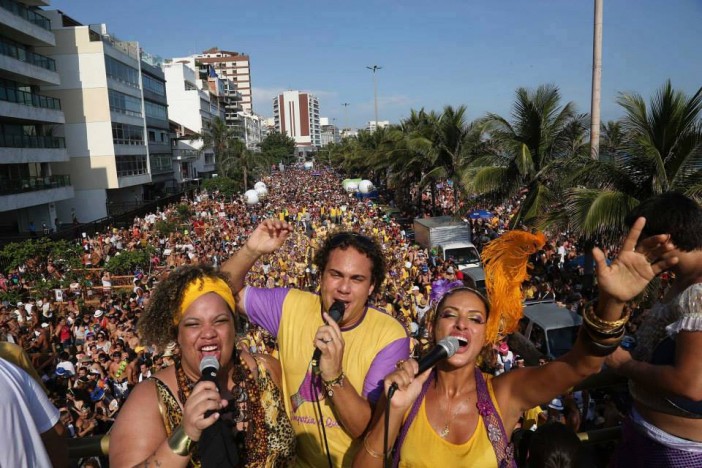 Sympathy is Quase Love in the streets of Rio de Janeiro!!! / Source [/caption]
The Simpatia é Quase Amor (Sympathy is Almost Love) group is a Rio de Janeiro Carnival caravan that originated in 1984, amidst popular protests in favor of free and equal suffrage for all citizens, regardless of sex or class, at the end of the last military dictatorship in Brazil.
The samba caravan was born and raised in Ipanema , and both its samba lyrics and costumes have gained recognition for their beauty and irreverence. The group's official colors are yellow and purple, in homage to a famous Brazilian hangover remedy.
The group parades every Sunday of the carnival in Praça General Osório , starting at 3pm.
3. Monobloco: New traditions bring new sambas
Where: Av. Rio Branco, in downtown Rio de Janeiro
[caption id="attachment_873" align="aligncenter" width="620"] Street Carnival in Rio de Janeiro - Monobloco / Photo: Fernando Maia RioTur [/caption]
Formed by former members of one of the city's most important Samba Schools as a percussion workshop, Monobloco first emerged in 2000. At the end of that year, the group tried parading through the streets of Rio, immediately becoming one of the most important caravans of the Rio de Janeiro Carnival .
Although they originated in the streets of Ipanema and Leblon, their following grew so rapidly that authorities first asked them to move to Copacabana, and then to downtown Rio de Janeiro. Today, the group parades down Avenida Rio Branco and is the second largest samba school in the Rio de Janeiro Carnival (after Cordão do Bola Preta). Their performance begins at 9 AM and has no dress code. Unlike other groups, Monobloco incorporates musical instruments not used by other samba schools and features songs and genres other than samba, such as marchinha, coco, funk, xote, ciranda, and charm.
Every year this group parades with all its members through the streets of the city center on the first Sunday after Carnival .
And that's not all... Alongside these three groups, there are hundreds of other parades in the city , just as lively, which travel through the streets spreading joy and a desire to dance. Some parades are small, others are especially for children, others are organized by the LGBTQ+ community; some take place in the morning, others go on all night until the sun rises again over the sea horizon. So now it's your turn to choose the parade you like best, to go out and dance and enjoy the next Carnival in Rio that will take over the city streets!
If you want to find out more about the Rio Carnival, explore our blog or visit our website to learn about all the tours and travel activities you can do while visiting Brazil's most wonderful city: Rio de Janeiro!
Published by Has Chacon on 03/06/2026


