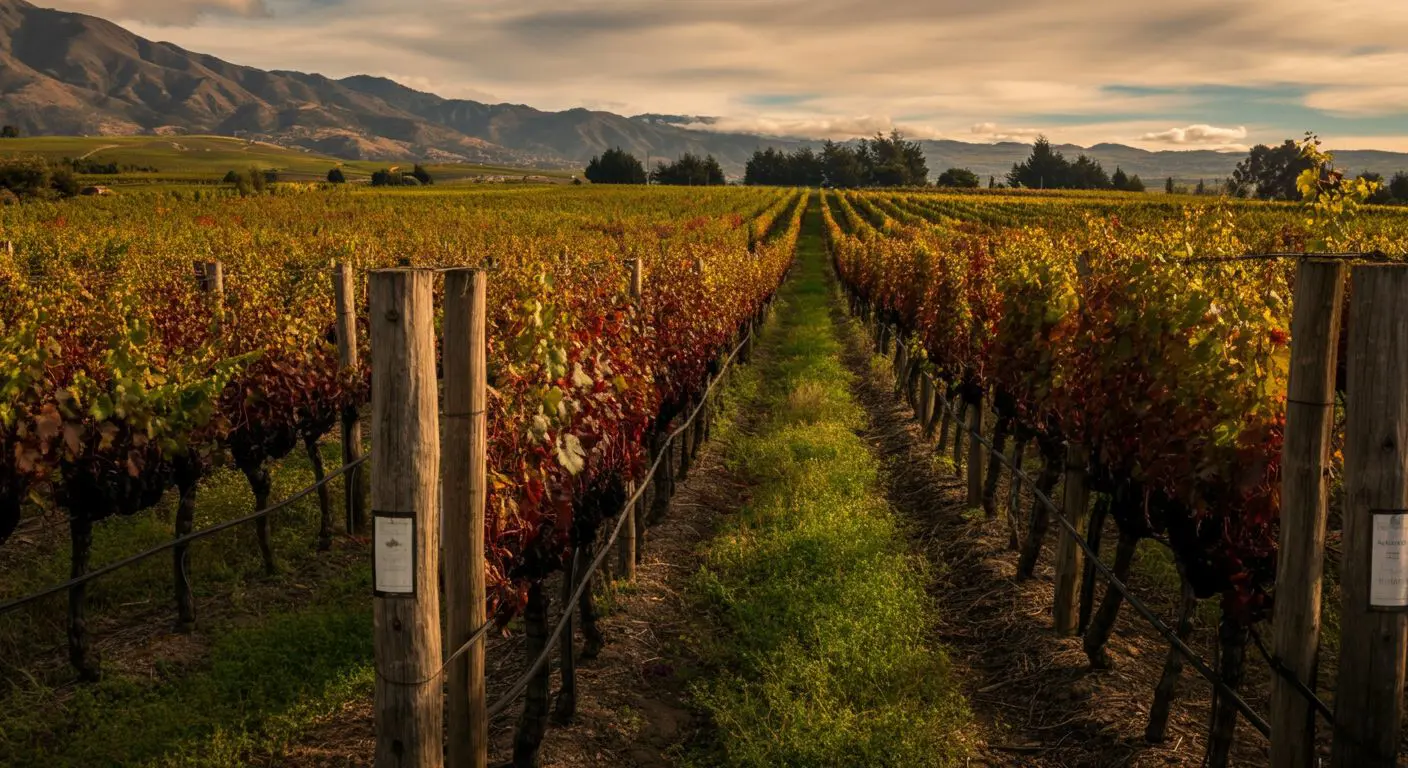
Visiting the Colchagua Valley in 2026 is worthwhile if you choose wisely . It's not about the number of wineries, but about logistics, realistic timing, and the type of experience you want. The most common mistake isn't choosing the "wrong" winery, but rather putting together an unrealistic plan: long transfers, wineries that don't close, and rushed tastings. That's why it's best to make a well-informed decision before booking.
How to choose well without wasting time (or ruining the day)
Not all top-tier wineries offer the same specialty. By 2026, the valley's saturation will require choosing a wine style to ensure a coherent wine experience.
1. The Axis of Icons (Apalta)
If your goal is to taste Chile's highest-scoring wines (Syrah and powerful red blends), wineries like Montes or Clos Apalta are a must.
- Logistics: They are easily accessible but with "zero tolerance" for delays.
- Important to consider: Access to Apalta becomes significantly congested between 12:00 and 14:00. If your tasting ends at 13:30, you will hardly be able to get to lunch outside the area before 14:15.
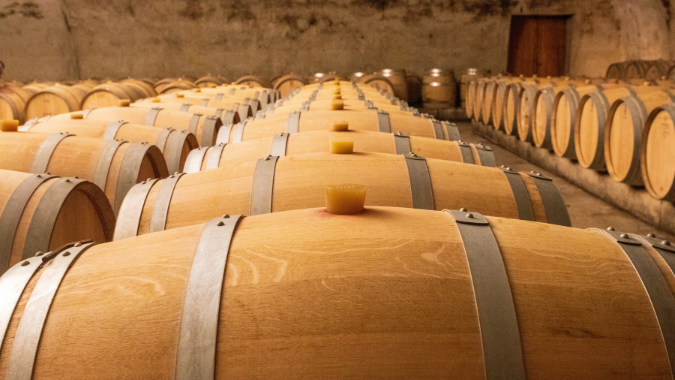
2. Specialists in Carmenere and Tradition (Santa Cruz / Center)
For those seeking the flagship grape variety at its finest, Viu Manent and Montgras offer an integrated operation.
- Logistics: These are "Quick-In" warehouses, ideal for those coming from Santiago who don't want to venture too far into rural roads.
- Silent Sale: These wineries often have limited editions and library bottles that aren't available in stores or airports. If you're planning to buy bottles for your collection, a private tour is ideal. This way, you can enjoy your purchases without carrying boxes. You won't have to worry about looking after your wines for the rest of the visit.
3. Wines from Cool Climates and Minerality (Marchigüe and Lolol)
If you prefer Sauvignon Blanc or Syrah with coastal influence, you should look towards Montes (coastal vineyards) or Santa Cruz (Lolol sector) .
- Logistical Risk: The GPS signal here is intermittent. The "opportunity cost" here is time; a route error in Marchigüe means missing the sunset, which is the greatest asset of this area.
Note: Last month, 30% of independent travelers in the Marchigüe area missed their second trip due to unforeseen blockages caused by heavy machinery on unpaved roads.
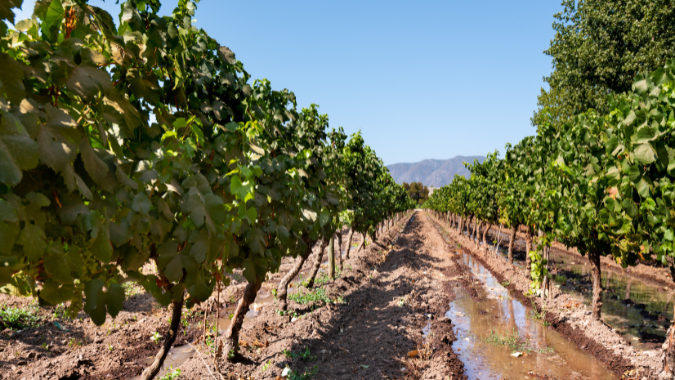
Realistic comparison of ways to visit Colchagua
| Decision Factor | Self-Managed Option | Operator Experience (Recommended) |
| Opportunity Cost | A passenger does not drink (designated driver). | The group enjoys all the Icon verticals. |
| Traffic Management | Subject to errors in Google Maps and agricultural routes. | Routes optimized by local drivers. |
| Technical Tasting | Limited to standard labels due to lack of quotas. | Access to boutique wineries with guaranteed reservations. |
| Cup Result | Partial experience and stress due to the clock. | Total immersion. 100% focus on wine. |
The most balanced option for most people is an organized tour : it reduces errors, controls time, and avoids last-minute decisions. It's not "perfect," but it is the most predictable.
Tips to keep in mind before visiting Colchagua
To ensure your visit is flawless, consider these operational factors before booking your tours:
- Apalta's "Point of No Return": If you're having lunch in downtown Santa Cruz, you must leave the Apalta area no later than 1:15 PM. After that time, the flow of trucks to the bottling plants slows traffic by 40%.
- Terroir Preparation: In high-altitude wineries or those near the coast (Lolol), the temperature drops 8°C as soon as the sun sets. If your tasting is in the afternoon, the lack of warmth will ruin the sensory perception of the wine.
- The "Designated Driver" fallacy: In Colchagua, distances can be deceiving. Driving for 40 minutes in the sun after a tasting (even a small one) is tiring. Don't risk your safety or your budget by avoiding a professional service .
- Wineries with a "Plan B": In case of extreme heat (35°C+ frequently expected in 2026), prioritize wineries with deep underground cellars for your tastings, such as Lapostolle . Outdoor terraces, however beautiful, are unbearable after 1 p.m. without proper air conditioning.
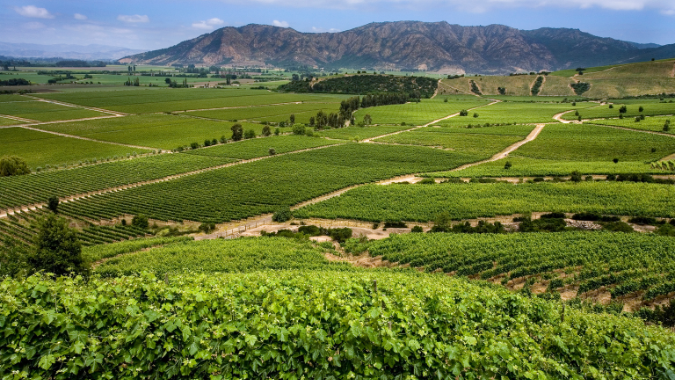
How many days should you spend in the Colchagua Valley?
A well-planned full day is enough for a first visit. Two days allow you to add gastronomic experiences at a more relaxed pace.
Is it possible to visit Colchagua without a car?
Yes, but with limitations. Without coordinated transportation, time and flexibility are lost. Arranging transfers in advance is key.
How much actual time is lost between wineries? Always allow a 30-minute buffer. Between leaving the shop at winery A, getting into the vehicle, and entering winery B, the 15 minutes indicated on the map easily turn into 30.
How to make the right decision
Colchagua is not a destination for improvisation. Choosing the right area, pace, and type of visit determines whether the day flows smoothly or becomes a series of transfers and waiting. When the logistics are sorted, the wine is enjoyed in a completely different way.
If you're looking for uncomplicated winemaking excellence, stay in the Apalta Triangle . It's the most forgiving region for planning errors. But if you want to discover the "new Chile," you should head west, knowing that logistics there are more challenging and require an experienced driver.
Want to optimize your trip to the Colchagua Valley? Explore our experiences in this region and let us take care of the time while you focus on enjoying the good wine.
Written by: Carolina Ferere
Published by Has Chacon on 03/06/2026


