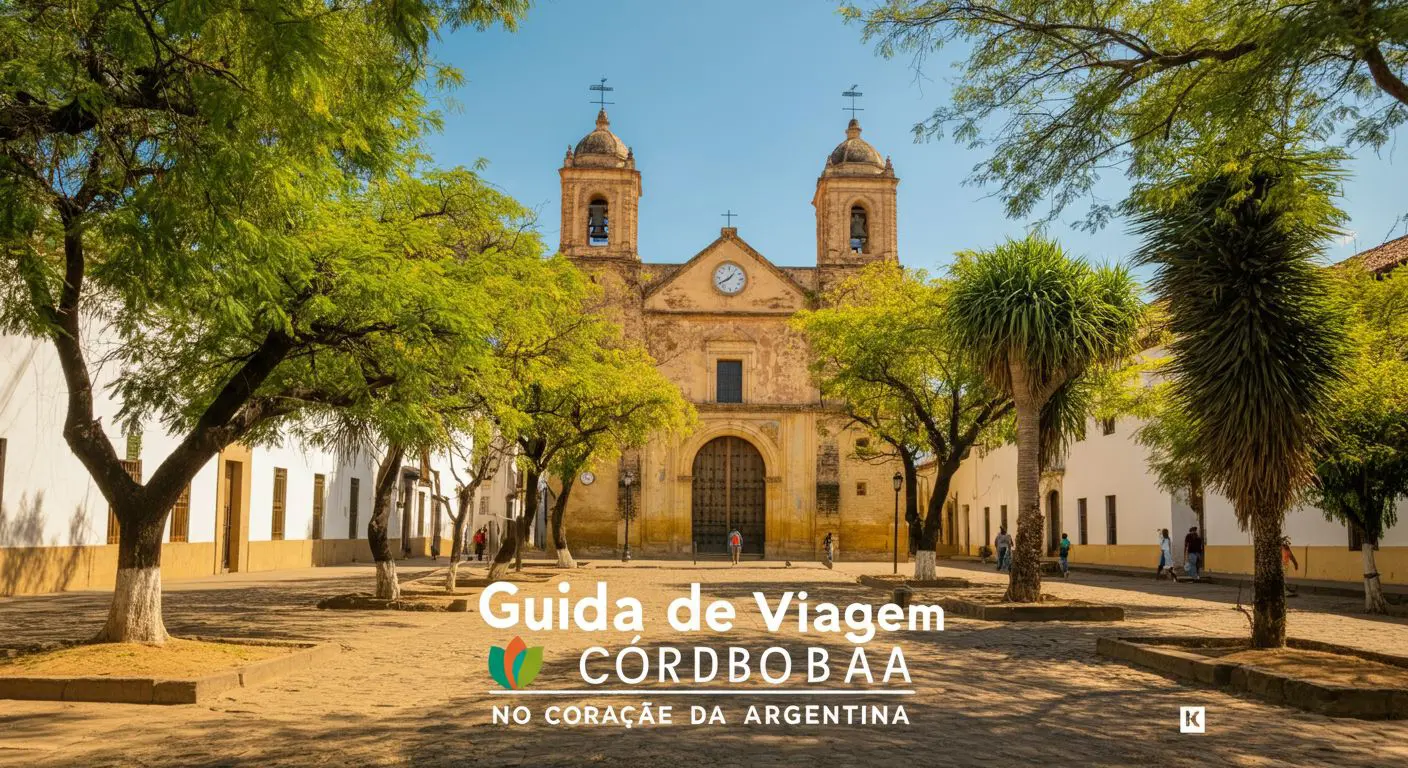
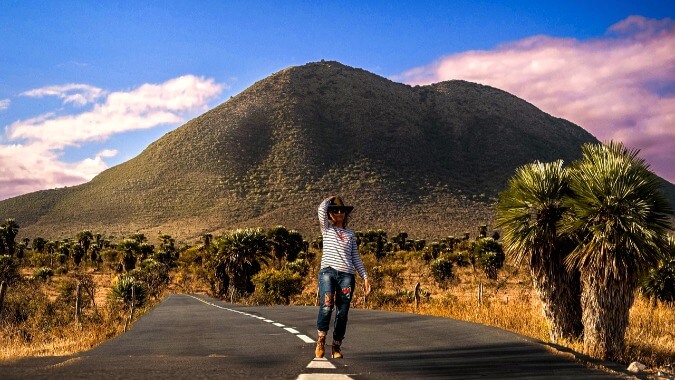
 It was named after the province of Córdoba in Spain / Photo: Canva Pro
General Information about Córdoba
Córdoba is the second largest city in Argentina and the capital of the province of the same name. The Province of Córdoba is located 700km northeast of Buenos Aires and has a strategic position connecting the four corners of the country by land and air, which has made it a center for logistics activities , conventions, luxury hotels and fine dining. The city of Córdoba has 1.5 million inhabitants and is located in the center of the country, on the Suquía River (also known as Rio Primero), at the foot of the region's various mountain ranges, which contrast with the typical plains of this area of Argentina.
The city of Córdoba was one of the first Argentine cities to be founded, in 1573, named by the Spanish colonizers in homage to the province of the same name in Spain. This beautiful city was one of the first colonial capitals in the region and became an important center of evangelization after the arrival of the Jesuit Order of Córdoba , which introduced not only the Catholic faith but also educational development with the founding, in 1613, of the oldest university in Argentina and one of the first in all of the Americas.
The University of Córdoba is currently the second largest in the country, after the University of Buenos Aires (UBA). For this reason, the city received the nickname "La Docta" (the wise one, in Latin) and is still known as a prime destination for national and international students and as the intellectual and cultural heart of Argentina .
MAIN ATTRACTIONS OF CÓRDOBA:
The impressive Cathedral of Córdoba , built upon the city's founding landmark in Plaza San Martín in the center, illustrates Córdoba's history in its architecture, which shows influences from the Classical, Baroque, and Colonial periods. The role of religion in Córdoba's history is also evident in the abundance of beautiful churches throughout the city, such as the Monastery of Santa Teresa and the Church of Santa Catalina de Siena , which exemplify Córdoba 's characteristic architecture.
One A guided tour of Sarmiento Park is a must-see if you're traveling to Córdoba. It's the perfect place to relax and connect with nature in the city's largest green space and one of the largest in Latin America . The park houses the Natural History Museum and the Córdoba Zoo , as well as a beautiful Greek amphitheater where a variety of performances are held. An artificial lagoon with two small islands can be visited by boat. An ideal outing to relax and escape the hustle and bustle of Córdoba.
The city of Córdoba – known as the cultural center of Argentina – has a wide variety of quality museums, such as the Evita Museum of Fine Arts , the City Museum , and the Caraffa Museum of Fine Arts . Another tip for Córdoba is to take a stroll along the Paseo Del Buen Pastor , in the city's commercial and recreational center, where locals go to eat, drink, and shop – an ideal place to get a close look at city life.
Jesuit Block and Estates of Córdoba
One of Córdoba's main tourist attractions is the Jesuit Block , a district that includes the Church of the Society of Jesus , the domestic chapel, the Jesuit residence, and the main headquarters of the National University of Córdoba , as well as other administrative buildings. These buildings are located in the center of the area where the Jesuit Order established itself and allow visitors to delve into the history of the city and the movement.
In the province of Córdoba there are also five large Jesuit estancias : Alta Gracia, Santa Catalina, Jesus Maria, Candelaria and Caroya, which are well preserved. They became centers of the Jesuit Order and can be visited along a 250km road. In 2000, UNESCO declared the Jesuit Block and the Estancias of Córdoba a World Heritage Site . Learn all about this fascinating history with the Jesuit Historical Tour.
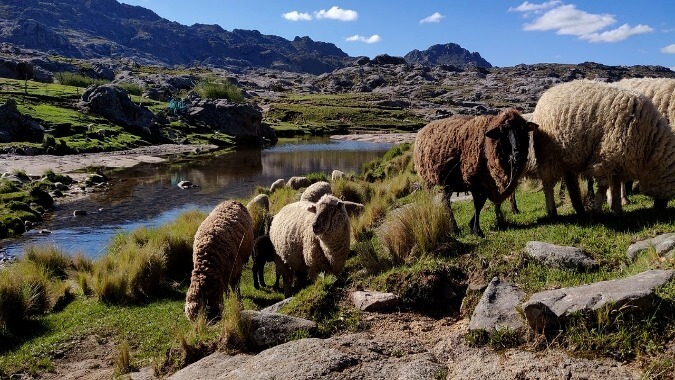 The city of Córdoba is known for its stunning landscapes and views afforded by its natural surroundings / Photo: Canva Pro
SURROUNDINGS OF THE CITY OF CÓRDOBA:
Part of what makes the city of Córdoba so spectacular are the incredible views of the surrounding area. If you are traveling to Córdoba, taking a tour through the region's valleys and mountains, with their abundant nature, lakes, rivers, and waterfalls, is a must.
Just outside the city of Córdoba lies Villa Carlos Paz , known as the gateway to the incredible Punilla Valley, one of the most popular tourist destinations in the province of Córdoba – both among Argentinians and tourists. The place can be visited on a day trip from the capital and is a great stop if you want to explore the Punilla Valley further.
Another interesting option to explore near Córdoba is the San Roque Dam , one of the largest artificial lakes in the world, in an idyllic setting ideal for recreational and water activities such as canoeing, swimming, sailing, and windsurfing.
To the west of the city lies the Sierras Grandes mountain range. The Los Gigantes region is especially popular with climbers and tourists seeking adventure in a place with beautiful natural landscapes.
Traveling south, you can visit the Sierras Chicas and also explore Traslasierra, one of the most tranquil regions of the province, which can be reached via the Camino de las Altas Cumbres . More unspoiled nature can be discovered in the Valle Calamuchita (one of the most picturesque valleys in the province), as well as in the incredible little town of La Cumbrecita.
HOW TO GET TO CÓRDOBA:
By bus
From the Retiro bus station in Buenos Aires to the city of Córdoba, the trip takes approximately 10 hours on a comfortable bus with seats ranging from regular to sleeper berths. Meals are served on board, and the bus has restrooms and movies to watch during the journey. Several companies operate this route daily: General Urquiza; Plus Ultra; Nueva Chevallier; Empresa Gutierrez; Rutas del Norte; Expreso Que Bus; El Turista; El Practico; Betel; ENCON and Autotransportes. The price varies between 350 and 400 Argentine pesos, and tickets can be purchased directly from the company's website or from theOmnilíneas website, which lists all prices, routes, and itineraries.
By train
The train departs from Buenos Aires to Córdoba only on Mondays and Wednesdays, and the journey from Retiro station to the city takes 15 hours. Although it takes longer than the bus, the ticket is cheaper and the train is comfortable. There is a restaurant car and a bar, as well as sleeping cabins. Therefore, tickets sell out quickly, so it's best to book in advance. Tourist class costs AR$30, Primera AR$50, Pullman AR$90, and Camarote (sleeps 2): AR$300.
By plane
Córdoba is 713km north of Buenos Aires and the direct flight takes only 1 hour and 20 minutes. Four airlines operate this route, including Aerolíneas Argentinas and LAN . Prices vary depending on the time of year. Córdoba's international airport is called Ingeniero A. Taravella, but it is known as Pajas Blancas or by the code COR. It is located 11km from the city center. If you arrive in Córdoba by plane, you can book an airport transfer service.
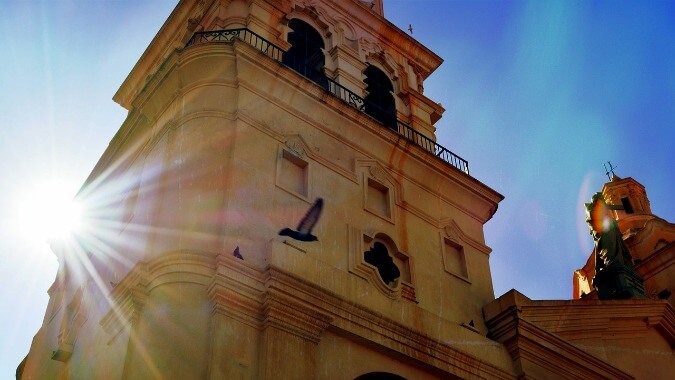 The climate of the city of Córdoba is humid subtropical with a dry winter, also known as a pampa climate / Photo: Canva Pro
WEATHER IN CÓRDOBA
Córdoba has a humid subtropical climate, influenced by the icy winds of the Pampas originating in Antarctica. Daytime temperatures are generally higher than inBuenos Aires , but drop significantly at night, especially during winter. Humidity is also lower than in the country's capital, which, combined with the possibility of getting away to the cooler mountains in the region, makes Córdoba's climate more comfortable than Buenos Aires'.
Spring in Córdoba
The climate is highly variable and windy, with long periods of dry weather and cold nights with temperatures below 20ºC, followed by heat waves that cause temperatures to rise to 38ºC and also bring storms with strong winds. In October, the days are hot, but the nights are around 11ºC. In November, the climate is similar to summer , but with cooler nights.
Summer in Córdoba
From November to March, temperatures can range between 28ºC and 33ºC. Heat waves are common and can cause temperatures to reach almost 40ºC with hot nights and high humidity. Winds from the Argentine Pampas provide some relief from the heat, bringing storms and some cooler days. At night, the temperature can drop to 15ºC or less.
Autumn in Córdoba
From the end of February and the beginning of March, the nights start to get cooler, with an average high of 27ºC and a low of 15ºC. April is significantly drier and has the best weather conditions, with a high of 24ºC and a low of 12ºC. The beginning of winter can be felt at the end of April and the beginning of May, when the first cold fronts appear. This is the driest period, with an average of 20mm of rainfall. The average maximum temperature is 21ºC and the minimum can reach 8ºC. Heat waves are still possible during the autumn and can cause temperatures to reach 33ºC.
Winter in Córdoba
From the end of May to the beginning of September, average highs are 18ºC and lows are 4ºC. If the wind comes from the northeast, the famous "veranito" occurs, when, for a few days, temperatures reach 30ºC. On the other hand, if they come from the Atlantic coast, there may be several days of rain and cold. If the winds come from Antarctica, temperatures can drop to 6ºC during the day and even -5ºC at night. It is very rare for it to snow in the city of Córdoba, but it is frequent in the mountains around the provincial capital.
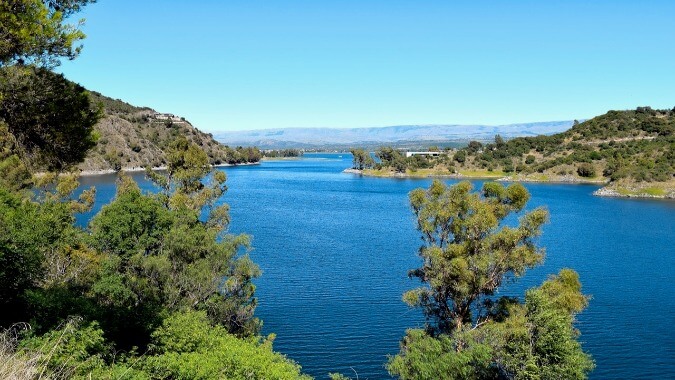 Córdoba is located in the Argentinian region known as the Pampas Plain / Photo: Canva Pro
Useful tips for Córdoba:
Oktoberfest in Villa General Belgrano
In October, Villa General Belgrano hosts one of Córdoba's biggest attractions, Oktoberfest . This small mountain town was founded in 1932 with the arrival of immigrants from Germany, Switzerland, and Austria, and is known for its alpine architecture, excellent food, and cultural events .
Many European traditions are still preserved. There is a weekly newspaper in German, Sunday masses are also held in that language, and every year the city hosts the famous Oktoberfest (or Fiesta Nacional de la Cerveza ) . The event is a tribute to the Germanic roots of Villa General Belgrano , with typical clothing and orchestras and plenty of German food, such as strudel, leberwurst and spätzle – as well as, of course, many quality beers.
The Oktoberfest in Villa General Belgrano is becoming more popular every year and attracts visitors from all over the world. If you're vacationing in Argentina in early October, don't miss it! If you're not so lucky, don't worry because this picturesque town is a major attraction in itself. There are several craft breweries, pastry shops, and chocolate shops, as well as beautiful architecture, making it worth the trip.
Villa General Belgrano is definitely one of the best places to visit in Córdoba ! Book one of our tours in Córdoba for an unforgettable vacation!
By: Daytours4u Content Team.
Published by Hernan Garriga Zimmermann on 03/06/2026


