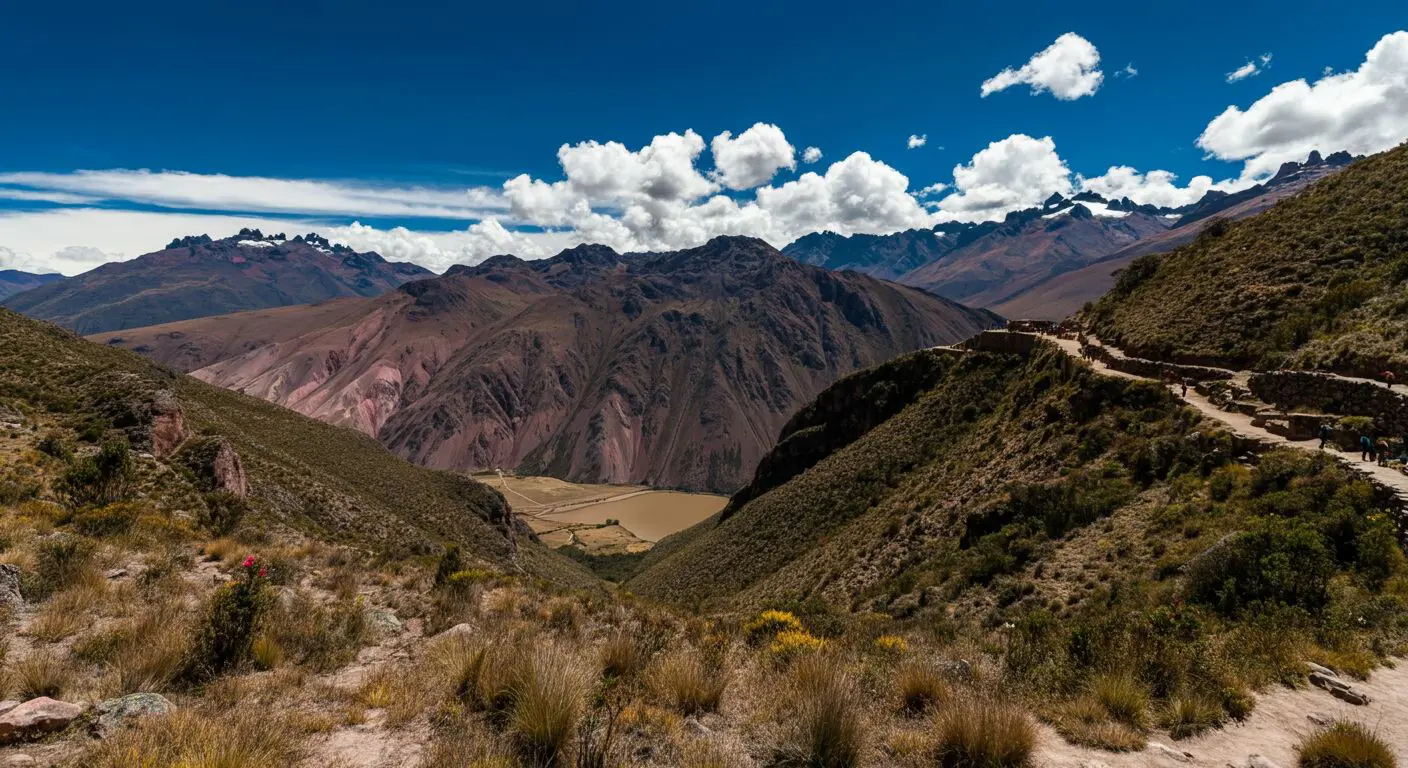
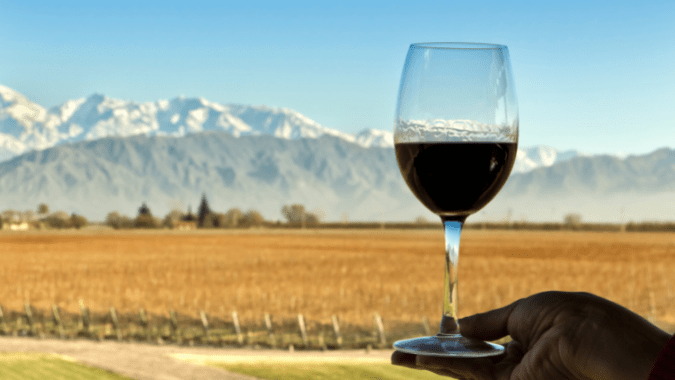
 The Andes are the backbone of Latin America that extends from north to south through 7 countries: Venezuela, Colombia, Ecuador, Peru, Bolivia, Argentina, Chile / Photo: EAQ, canva pro.
8 curiosities of the Andes Mountain Range
1. A name with history
Although the origin of the term Andes is unknown, many historians believe that it derives from the Quechua word "anti". This term meant "east", alluding to the "eastern region" of the Inca Empire.2. The Andes are much more than a mountain range
The Andes Mountains were created more than 50 million years ago, when the South American and Pacific tectonic plates collided. It is a set of numerous mountain ranges that come together in what are called orographic knots. These are the high altitude plateaus that have created the Bolivian Altiplano, which have allowed the establishment of human settlements.3. Most Andean peaks are volcanic.
The vast majority of Andean mountain ranges are volcanic. The world's highest active volcano, Ojo del Salado, at 6,900 m, is located in a remote part of the border between Chile and Argentina. The easiest to reach, Cotopaxi, is only 75 km south of the Ecuadorian capital, Quito. Cotopaxi has glaciers from 5,000 m above sea level and the greatest threat of an eruption would come from the colossal flow of ice into the towns in its basin. The highest peak in the Andes is Aconcagua, in Argentina, which reaches 6,962 meters.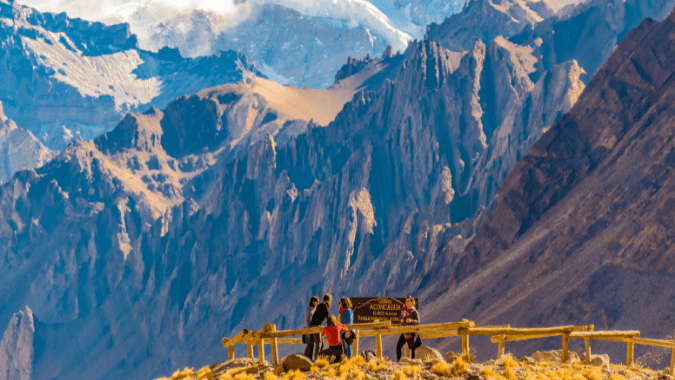 Within these mountainous areas are at least 10 of the volcanoes that are considered the highest in the world / Photo: DanFLCreativo, canva pro.
4. The Andes help feed the world
Potatoes and tomatoes, two of the most widespread crops on our planet, are native to the Andes. In Peru alone, more than 3,800 different types of potatoes are grown. The coca leaf is also famous for being native to the western slopes of the Andean mountains. Although its derivative, cocaine, has brought many problems in countries like Peru, the ancient Incas cultivated coca before the arrival of the Spaniards. Coca tea is served everywhere in the high Andes, and is the only effective relief from the symptoms of altitude sickness.5. The mountains are home to the world's largest mineral deposit.
The world's largest gold mine is Peru's Yanacocha, and Chile and Peru together produce almost half of the world's copper. According to the latest estimates, copper deposits (as yet undiscovered in the Andes) could total a whopping 750 million metric tons, in addition to 13,000 tons of gold, 250,000 tons of silver and 20 million tons of molybdenum, a mineral used to harden steel.6. The highest point on earth? It's right here.
Did you know that the true highest point on earth is here? Due to our planet's equatorial bulge, the peak of Mount Chimborazo in Ecuador is actually the farthest point from the Earth's surface to its core. At 6,263 meters, it is the highest peak in Ecuador and is considered dormant because its last eruption occurred more than 1,500 years ago. Surprisingly, you can drive up to 4,876 m and do the last stretch on foot, which is quite a challenge for any adventurer.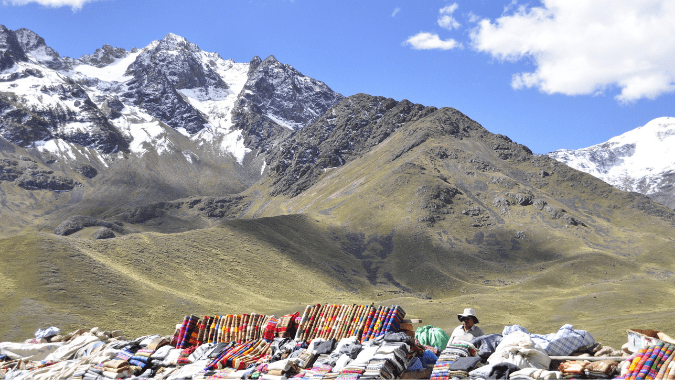 It is estimated that about 25% of the world's plant diversity is found in the tropical Andean region / Photo: Yolanda, canva pro.
7. The Andes region is both wet and dry
The fact that the mountain range acts as an expansive wall between South America and the Pacific Ocean has a tremendous effect on the climate of the region. The northern part of the Andes is characterized by being hot and rainy. The Atacama Desert, characterized by a dry climate, dominates the western parts.8. Cure against malaria
The "Cinchona pubescens", commonly known as "Quina", is a tiny tree that is perhaps the most intriguing plant species. This tree generates quinine in its bark, a type of medicine used to treat malaria.Ready to go to the Andes? Don't think twice. Before you pack your bags, check out our guide to the best of the Andes and discover all the exciting destinations you can visit, and all the amazing things you can see and do once you're there.
By: Nathaly Bosch, social communicator by profession and curious traveler by choice. Spanish writer for Daytours4u.
Published by Has Chacon on 03/06/2026


