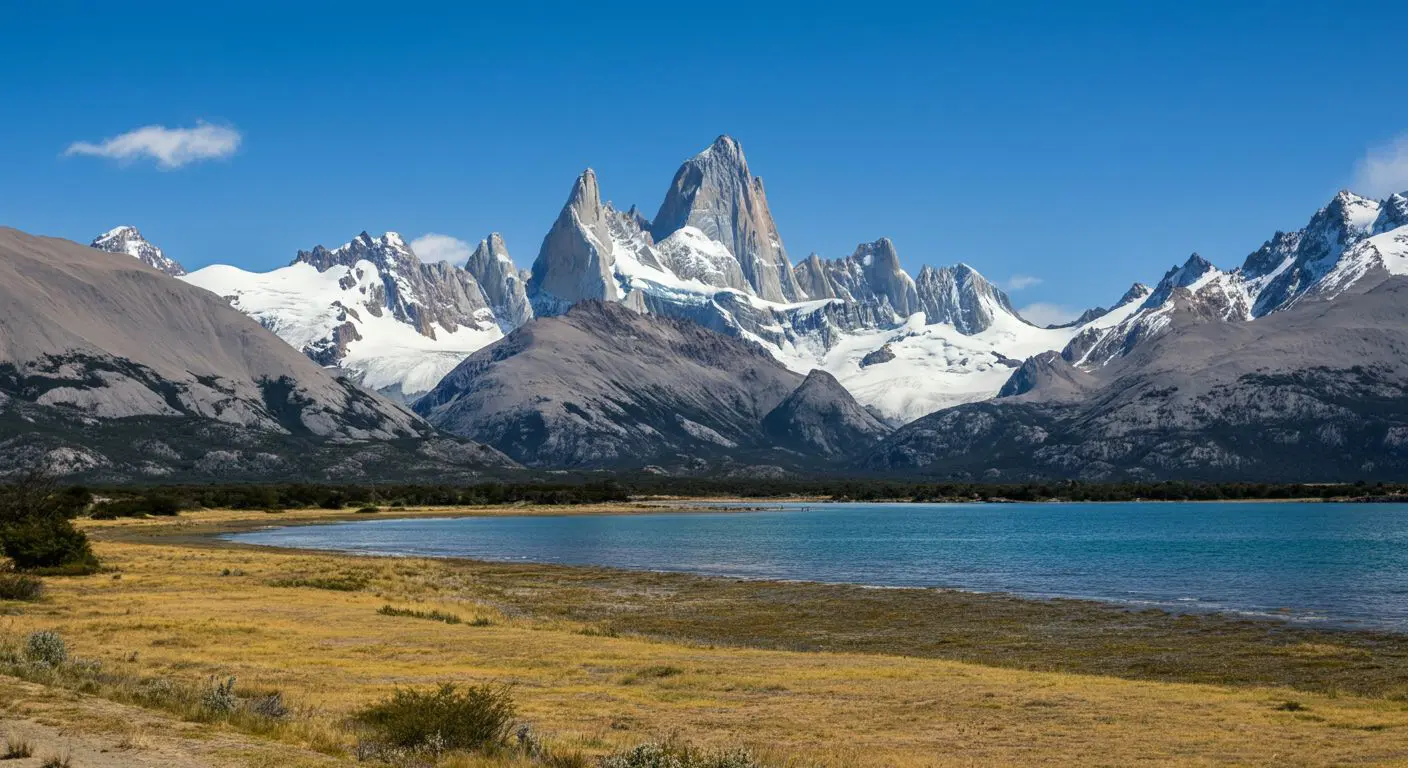
Explore Argentina's gateway to the glaciers. Find out everything you need to know before you visit El Calafate with our helpful travel guide for tourists. Learn how to get there, what the weather is like and discover the best tours and activities in El Calafate.
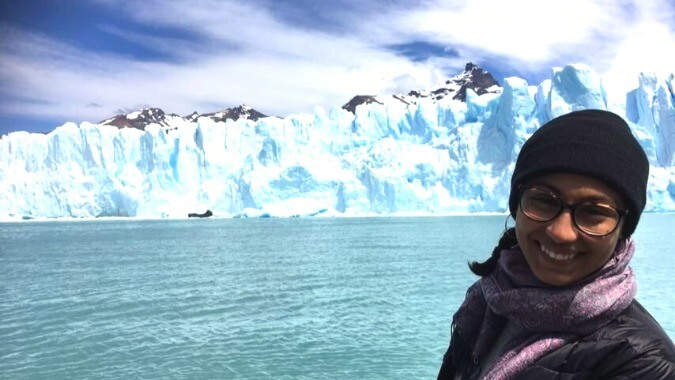 El Calafate is one of the most visited places in Argentina / Photo: Daytours4u
GENERAL INFO EL CALAFATE
In Argentina's southern province of Santa Cruz in Patagonia, at the end of the Andes mountain range lies a small village known as the Capital of the Glaciers: El Calafate. The name of the town is derived from a native Patagonian plant; a thorny bush that blooms with delicate yellow flowers and deliciously addictive dark purple berries. In fact, there is an old saying: "Quien come el calafate vuelve por mas" meaning "Whoever eats the calafate berry will always return for more".
The picturesque village of El Calafate is situated 6 hours from Torres del Paine National Park in Chile and 315km away from Rio Gallegos, the provincial capital of Santa Cruz. It sits on the southern shore of the Argentina's largest lake, Lago Argentino, which covers an enormous area of 1560 square kilometres also making it the third largest lake in South America after Lake Maracaibo in Venezuela and Lake Titicaca on the Bolivian and Peruvian border.
The ancient village has a tiny population of only 6,200 inhabitants but figures have been rapidly growing in recent years due to the village's close proximity to the Los Glaciares National Park. Tourism to this natural reserve has only boomed since the opening of the El Calafate International Airport (FTE) in 2001 located 22km away from El Calafate city centre. Since then, El Calafate has become a tourist Mecca with plenty of accommodation options and travel activities to help you discover the southern landscapes of Argentina.
EL CALAFATE HIGHLIGHTS
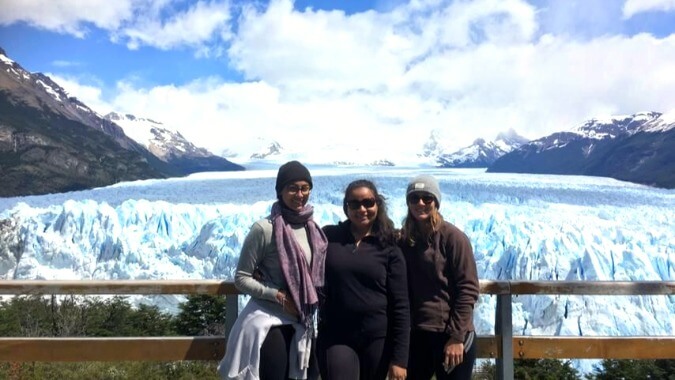 Los Glaciares National Park is considered the most easily accessible melting field in the world / Photo: Daytours4u
El Calafate offers many different activities to keep you entertained. You can discover the treasury for taxidermy and artefacts at Museo de El Calafate or learn about the biodiversity of Patagonia at the bird sanctuary Laguna Nimez Reserve. In spring and summer, keen fishers can go to Lago Argentino for a spot of fly fishing, while during the winter Redonda Bay at Lake Argentino becomes a huge ice skating rink. If you would like to explore the immediate surroundings it is possible to hike around Cerro Calafate, or take a tour from El Calafate to reach the romantic setting of Onelli Bay. You can also visit the beautiful Patagonian Estancias (ranches) where you can relax, horse ride, sample some traditional ‘asado’ (Argentinean BBQ) or simply experience the life of an authentic Patagonian Gaucho (Argentinean cowboy) whilst surrounded by the incredible nature.
Los Glaciares National Park
El Calafate town is the perfect entryway to the 2nd largest National Park in Argentina and the world's most accessible, jaw-dropping ice fields, Los Glaciares National Park. The National Park can be divided in two parts; Lake Argentino in the south, that encompasses the most important glaciers and offers exceptional boat tours along Canal de los Tempanos (Iceberg Channel). The second part is Lake Viedma in the north, the home to a few minor glaciers and a number of mountain excursions popular among fans of climbing and trekking, including the famous Mount Fitz Roy and Cerro Torre. Lake Argentino is a freshwater lake meaning only 20% of its glaciers are above the water level, unlike icebergs found out at sea where a much higher percentage of the glacier is above the sea level due to the thick density of salty sea water making the ice more buoyant.
Eager trekkers travel from all over the world to the Glaciares National Park in order to discover the exceptional rugged wilderness and landscape of the 4459 square kilometres UNESCO World Heritage Site. The National Park offers a wonderfully broad selection of tours and circuits starting from El Calafate where, after travelling only 80km, you can reach the beginning of the national reserve and witness over 365 glaciers. Among the most important floating ice giants are Bolados, Onelli and Spegazzini Glaciers; none of which compare to the notoriety of Perito Moreno Glacier.
Perito Moreno Glacier
Floating on a spectacular 250km2 of Lake Argentino’s surface, the Glacier of Perito Moreno is the most visited iceberg in the world as well as the planet’s 3rd largest reserve of fresh water. Unlike many other important glaciers around the world such as the West Antarctic Ice Sheets, the Perito Moreno Glacier is not retreating due to global warming. In fact, it has been in an essentially stable state since 1992 with an advance of nearly two meters per day, causing one of the most astonishing sights (and sounds) in the world, as the impressive 60m ice wall continuously cracks and collapses in one swift, breath-taking moment.
The Perito Moreno crack is produced periodically as the glacier advances, forming a natural dam over Lago Argentino. With no escape route, the water level on the Brazo Rico side of the lake can rise by up to 30 meters above the level of the main lake. Due to the enormous pressure produced by the dammed water, the ice barrier finally breaks in a sporadic and spectacular rupture event that naturally occurs between once every year to less than once a decade.
The natural beauty of the Perito Moreno can be fully enjoyed either with a glacier tour along the surrounding walkways, allowing remarkable views of the impressive glacier or if that’s not near enough, you can get up close and personal with an exciting Perito Moreno ice minitrekking tour on the surface of the enormous glacier! If you’re a really adventurous traveller, we recommend you try the famous Big Ice Perito Moreno trek, for an opportunity to really get up close to the impressive ice formations!
HOW TO GET TO EL CALAFATE
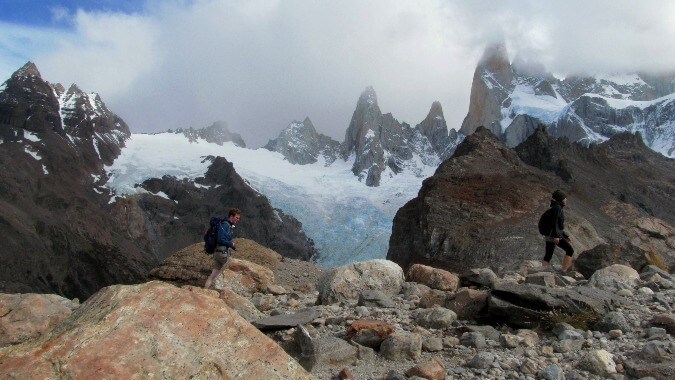 Tour the wonders of El Calafate at any time of the year with Daytours4u / Photo: Canva Pro
Due to its southern location in Patagonia, El Calafate is not the most easily accessible place in Argentina. Bus journeys from Buenos Aires can take over 40 hours (with numerous stops along the way) while plane journeys can take from 3 to 5 hours with limited routes, mainly departing from Buenos Aires.
By Bus
Routes from Buenos Aires' Retiro station travel either to Bariloche (20 hours) or Rio Gallegos (38hours) then connect to El Calafate. Services are comfortable coaches ranging from standard to sleepers. Meals and drinks are served on board, all have toilets and films are also shown during the trip. Several bus companies cover this route: Andesmar, El Pinguino and Via Bariloche. Bus timetables and prices can be seen on Plataforma10's website.
By Plane
Aerolineas Argentinas has daily flights to and from Buenos Aires and Ushuaia. LAN also flies on Monday, Wednesday and Friday from Buenos Aires. The airport also connects to Trelew, Puerto Madryn, Bariloche and Rio Gallegos, among other cities but these domestic routes usually are more expensive than flying with a connection through Buenos Aires.
Before booking your flights take into account that most of the activities are full day tours and that you will lose half a day each way. So, in order to get the most out of your itinerary if you have a tight schedule, we recommend that you book either the first or the last flight of the day to be able to take advantage of El Calafate’s many activities on offer.
For transfers from El Calafate International Airport to your hotel in El Calafate, click here.
By Car
Renting a car is relatively affordable in El Calafate, even more so if you are a group of 4-5 persons. However, it is recommended to book it from Buenos Aires especially if you would like to collect the car from El Calafate airport. There is an abundance of amazing scenic routes which you can drive and explore by yourself. It is also possible to reach El Calafate by driving over the Chilean boarder from the Torres del Paine National Park and continuing along Route 40 (which incidentally covers all routes from the North to the South of Argentina).
WEATHER IN CALAFATE
El Calafate sits at a latitude of 50°20' south (equivalent to London in the northern hemisphere) and, similar to London, El Calafate experiences variable daylight hours from season to season. During winter, the sun rises at approximately 10am with sunset at 5pm while, in the summer, daylight breaks at 5am and disappears at 11pm.
The climate in El Calafate is generally the same throughout the year with dry and mild temperatures. However, the weather in Patagonia in general is extremely variable; from rain storms to hot sun to freezing high winds that can reach speeds of 100km and winter snow, all in one day. It is recommended that you take suitable clothes, including waterproof clothing, sweaters, t-shirts and boots for a wide range conditions before leaving for your daily activity.
Summer in El Calafate: The months from December to March are sunny, dry with some windy conditions. Average temperatures range from highs of 18°C to lows of 7°C.
Winter in El Calafate: The months of June to August can be very cold with strong winds coming up from the Antarctic with possible rain and snow fall. Wind-proof clothing and multiple layers are necessary for this time of year. Average temperature range from highs of 5°C to lows of -2°C.USEFUL TIPS EL CALAFATE
 The high season in the region officially starts in August and ends in April / Photo: Canva Pro
The nearby El Chaltén provides excellent hiking possibilities. If you are travelling to El Calafate by bus you will most likely pass through this town known as Argentina's Trekking Capital. Take advantage and break up the long journey while enjoying some other incredible scenery of Patagonia.
Tourists who are vegetarians need to be prepared to eat a lot of pasta whilst visiting El Calafate. There are no fresh vegetable supplies in the area as the conditions of both the soil and weather are not suitable for agriculture. All products including food are imported from the centre of Argentina, meaning that the variety of food is limited and everything is more expensive, including souvenirs. One thing you simply must treat yourself to is a visit to one of the fabulous chocolate factories in El Calafate where you’ll find delicious homemade products made from cocoa fruit such as tea, marmalade, cakes, and so on.
strong>Peak season officially begins in August and ends in April during the lead up to Easter. During this period, people from all over the globe come to view the spectacular surroundings. Long weekends or high season can leave the ATM’s empty. Make sure you bring enough cash or get to the machines early to ensure you have enough money to pay for your expenses.
Occasionally El Calafate experiences some snow during the winter season, creating an incredibly special atmosphere and magical scenery. Winter vacations are in fact cheaper than summer, with more accommodation available. However, a disadvantage is that not all the tour circuits are available due to icy/dangerous weather conditions.
Rain in El Calafate is uncommon; however there can be some heavy downpours during winter. Be prepared for variable weather conditions by taking waterproof clothing and non-slip boots or shoes.
When visiting the national parks near El Calafate, do not forget to bring your own lunch pack and drinks for the full day tours. It is also highly recommended to carry a thermos with a hot drink to warm you up during the day’s excursion. Coffee is expensive on the boats and in the park’s cafeterias.
El Calafate Festivals
For three consecutive weekends in July and August El Calafate hosts the Fiesta del Hielo (Festival of Ice). True to its name, this festival pays tribute to ice skating, ice hockey, torch lights, sledges, ice sculpture and Fiesta Chueca - a very popular celebration from the Bahia Redonda region.
On the 7th of December El Calafate throws a party called La Fiesta del Pueblo to celebrate the anniversary of the founding of the city in 1927.
Bautismo del Lago Argentino (Baptism of Lake Argentino) is a festival celebrated on February 15th. The founding father of the National Parks, Francisco P. Moreno first celebrated this event on the same date in 1877. The 15th of February brings the inhabitants of El Calafate together to celebrate the annual occasion with barbecues, horseback riding, musical shows, vintage car shows, and a nautical journey emulating the same crossing sailed by Mr. Moreno, which follows the Santa Cruz river to Lake Argentino.
El Calafate celebrates Día de la Tradición (Day of Tradition) on the 10th of November and is celebrated in honour of José Hernández, author and poet of the book Martin Fierro. Many tourists visit El Calafate to participate in the celebrations, which include gaucho parades and folk festivals with horse taming events.
For more ideas on what to do in Argentina's Glacier Capital, browse our selection of tours and activities in El Calafate.
By: Daytours4u Team Content
Published by Has Chacon on 03/06/2026


