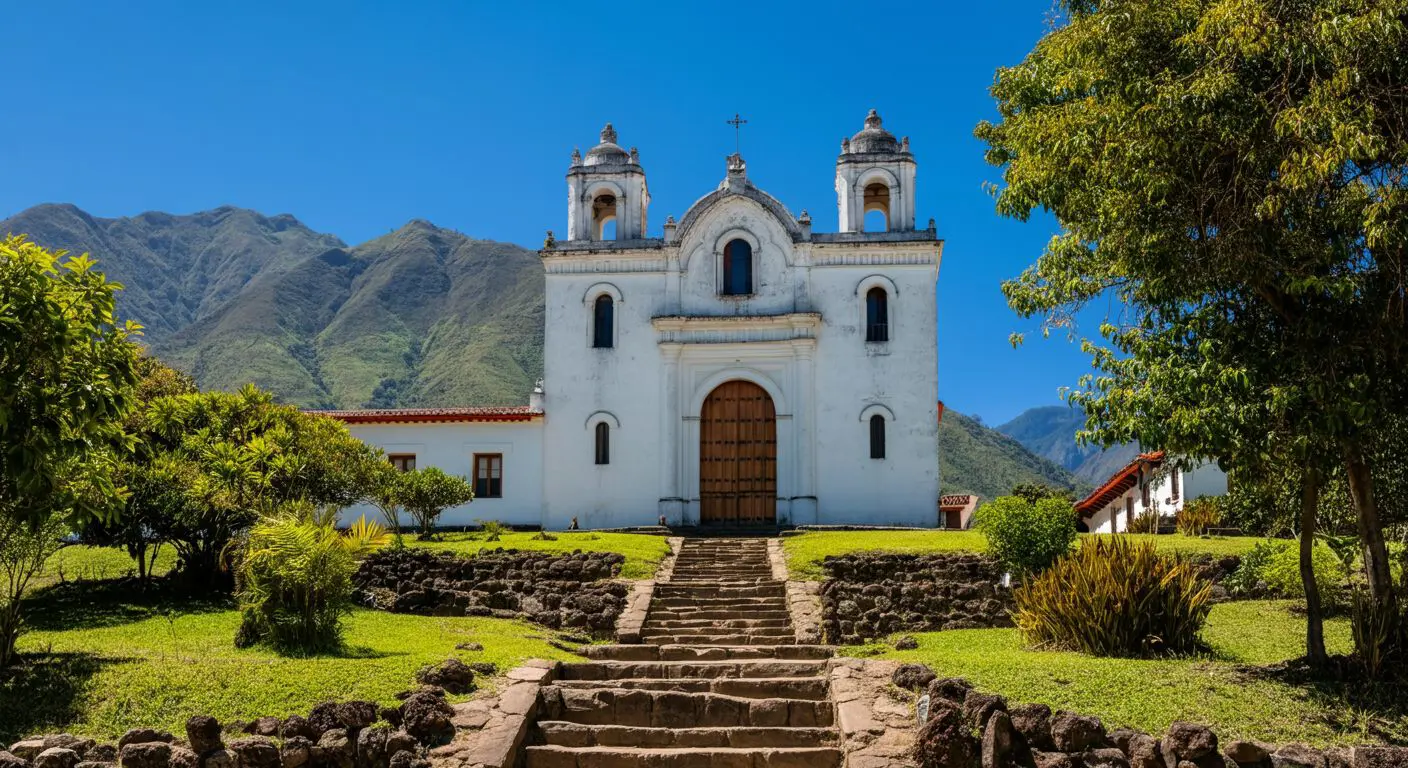
 Only 12% of the world's population breathes clean air / Photo: RCN Radio[/caption] It has been shown that half of the population living in cities is exposed to pollution up to 2.5 times higher than the levels recommended by the World Health Organization (WHO). In fact, according to a study conducted in 1,600 cities in 91 countries, only 12% of the world's population breathes clean air. Although the study found that Latin America was not one of the most polluted regions , like the Middle East, Asia, and Africa, many of its cities exceeded the WHO's recommended limit of 20 µg/m³. Specifically, five Latin American countries appear among the 50 with the worst air pollution levels in the world, according to the 2018 World Air Quality Report by AirVisual and Greenpeace. Peru tops the list at number 21, followed by Chile at 26, Mexico at 33, Brazil at 44, and Colombia at 50. Among capital cities, Santiago, Chile, ranks 20th for worst air quality, Lima at 22, Mexico City at 30, and Bogotá at 44 in the world ranking (in less than a month and a half, Bogotá has declared an environmental emergency three times due to poor air quality). [caption id="attachment_13918" align="aligncenter" width="675"]
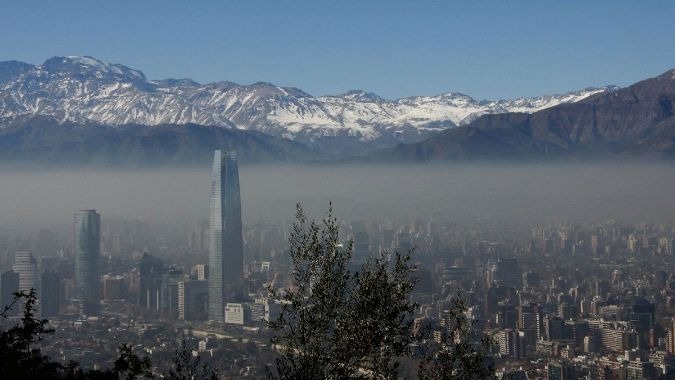 Among the capital cities with the worst air quality, Santiago ranks 20th, Lima 22nd, Mexico City 30th, and Bogotá 44th / Photo: RCN Radio[/caption] It's not easy to calculate the exact level of pollution in a city. Too many variables come into play, and each has different measurement criteria. This report focuses on measuring the level of PM 2.5 particulate matter—the smallest and most harmful, as it can penetrate directly into the lungs—and therefore the best indicator of the health risks of air pollution. The "reasonable" level of these particles is an annual average of up to 10 micrograms per cubic meter. If the level is higher than this, it can be considered harmful to health, and if it is lower, the air is considered clean. But all is not lost. Fortunately, South America still has destinations where we can breathe clean air, and today we share the top 3:
Salvador de Bahia, Brazil
Salvador de Bahia is considered the Latin American city with the cleanest air, as the annual average indicates only 9 micrograms of PM 2.5 suspended in the air per cubic meter. Beaches, forest reserves, rivers, lagoons, reefs, and abundant vegetation form part of the so-called Green Line, ecologically protected by a nature conservation foundation. One of its towns is home to Brazil's most important turtle reserve. All of this, along with its nearly one million inhabitants who have great respect for the environment and strive to maintain clean air, directly contributes to lower levels of air pollution. [caption id="attachment_13919" align="aligncenter" width="675"]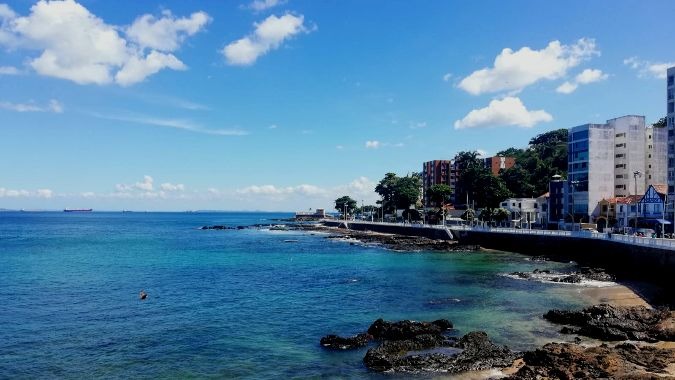 Salvador de Bahia is the city with the cleanest air in South America / Photo: Daytours4u[/caption]
Ibarra, Ecuador
It ranks second because it also recorded 9 micrograms of PM 2.5 but registered 18 micrograms of PM 10, while in Salvador the PM 10 level was 17. One of the reasons Ibarra has clean air, according to Segundo Fuentes, Undersecretary of the Environment, is that the city receives various air currents from the coast through the Chota River basin . In addition, a relatively new vehicle fleet, a small number of industries, and reforestation and forest conservation projects are some of the factors that have allowed Ibarra to maintain its clean air. [caption id="attachment_13920" align="aligncenter" width="675"]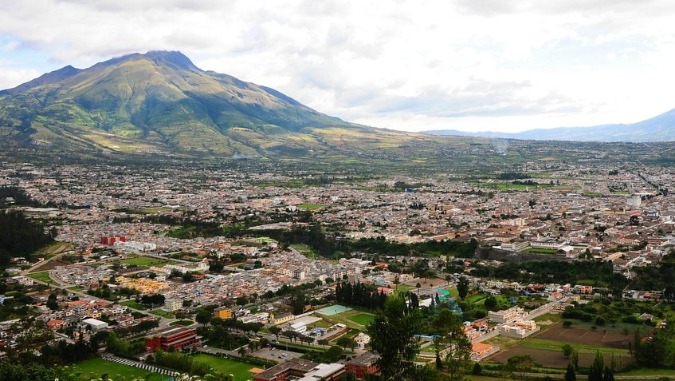 A relatively new vehicle fleet, a small presence of industries, and reforestation and forest conservation projects are some of the factors that have allowed Ibarra to maintain its clean air / Photo: Marcelo Quinteros[/caption]
Montevideo, Uruguay
In 2018, the Uruguayan capital surprised everyone with a near-perfect score for chronic exposure to PM 2.5 particles, far surpassing most of its counterparts in Latin America. The prevalence of winds, its gently rolling terrain without major topographical features, and its proximity to the Río de la Plata give Montevideo a favorable environment for the natural dispersion of any potential pollutants. Activities that consistently affect air quality include the burning of fuel for transportation and industry; the use of firewood for commercial or residential purposes; electricity generation in thermal power plants; and open burning of waste. The Montevideo government has taken appropriate measures, including a reliable air quality monitoring network with annual reports since 2005, a national program promoting sustainable mobility , and the transition to electric buses. [caption id="attachment_13921" align="aligncenter" width="675"]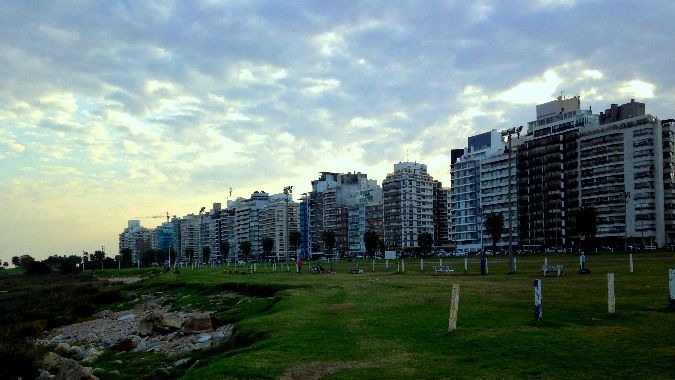 The prevalence of winds, its gentle terrain without major topographical features, and its proximity to the Río de la Plata give Montevideo a favorable situation / Photo: Daytours4u[/caption] Extra Fact: It is worth making a special mention of Buenos Aires , since the Argentine capital has a lower amount of polluting particles than Quito, Asunción, Sao Paulo, Caracas, Mexico City, La Paz, Santiago de Chile, Bogota and Rio de Janeiro, although a higher amount than Guadalajara and San Jose of Costa Rica, if some of the large cities of the region are taken into account.
How can we contribute to ensuring clean air for everyone?
- Reducing vehicle traffic and investing in public transport is the cornerstone of achieving cleaner air. But there's no single solution; each city must find the one best suited to its topography, climate, and circumstances. - Avoid using paints, oils, solvents, and aerosols. - Renew the bus fleet with hybrid or hydrogen models and promote the use of carpooling or electric cars , which, when powered by green energy, are cleaner than any combustion engine. Bonus Fact: There's always the possibility of going further without waiting for political decisions, for example, by opting for renewable electricity. - The bicycle is a great ally in the change of mindset we need. In fact, for the younger generations, owning a car is not a priority. In Copenhagen, 50% of students commute by bicycle; Germany opened its first dedicated bicycle highway , and in France, the Indemnité Kilométrique Vélo initiative pays employees of up to 20 companies 25 euro cents per kilometer for cycling to work. Bonus Fact: Websites and apps like those developed by Aqicn.org and the World Air Quality Index Project allow you to check air quality in real time in more than 60 countries worldwide. In short, whether for public health or climate change, for our lungs or the well-being of future generations, or simply to enjoy the sunset without a wall of pollutants blocking our view of the sun, the sea, or the mountains, it is vital to ensure cleaner, purer, and more natural air in all cities. If you're interested in receiving more eco-friendly tips for your daily life and travels, follow us on Instagram and join our #GuestOfHonor campaign .By: Nathaly Bosch , Venezuelan, social communicator by profession and curious traveler by choice. Spanish writer for Daytours4u .
Published by Has Chacon on 03/06/2026


