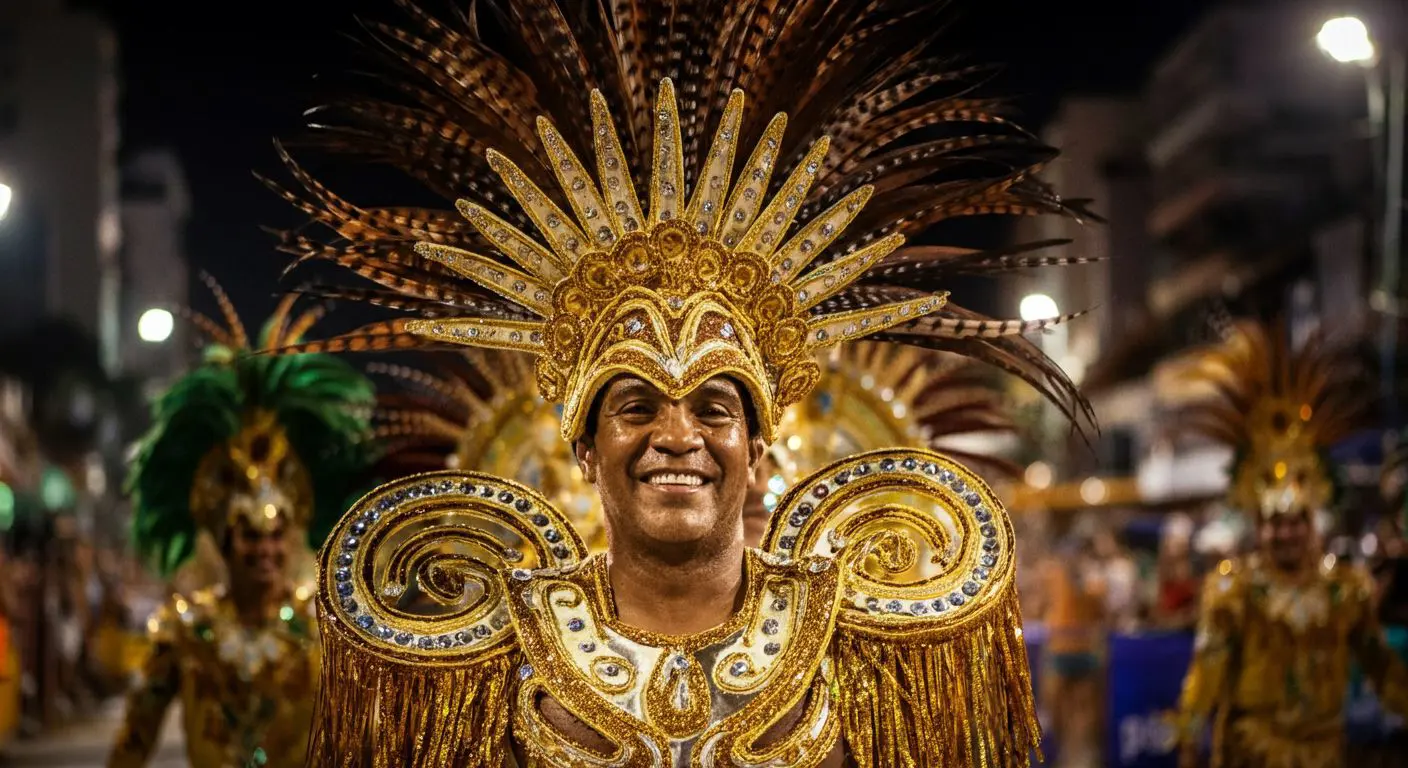
1. HISTORY
[caption id="attachment_4471" align="aligncenter" width="675"]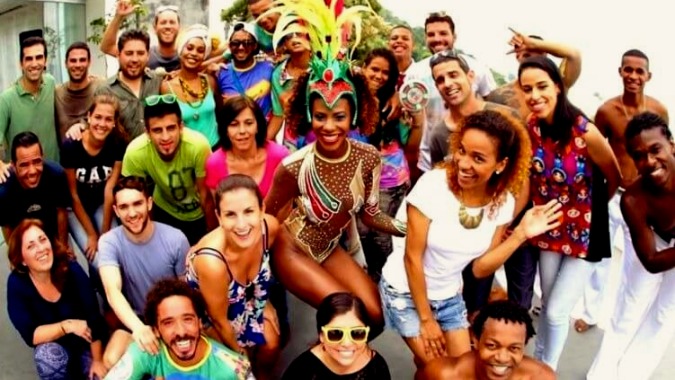 Carnival has become the main attraction of the modern city of Rio de Janeiro / Photo: Daytours4u[/caption] Traditionally, Carnival is celebrated once a year before the start of Lent , a 40-day period during which Catholics are required to fast, avoid eating red meat, and abstain from all earthly pleasures until the arrival of Holy Week and Easter. Thus, the Carnival festival was, in its origins, an opportunity to eat before beginning the fast. In fact, the name Carnival itself derives from the Latin words "carne vale," meaning "farewell to meat." During the 15th century, Italy was famous for its annual Carnival celebrations, which included masked balls and extravagant costumes. Other Catholic European countries, such as France and Spain, quickly followed suit. These Carnival celebrations spread to Brazil through European colonizers, and the first Rio de Janeiro Carnival was held in 1723. As the years passed,Rio de Janeiro's Carnival solidified into a popular festival celebrated in the streets of Rio. Locals wore colorful costumes, and parades and samba competitions took place, accompanied by lively string instruments and drums. Today, the carnival has become the main attraction of the modern city of Rio. The dates of this Brazilian Carnival still depend on the Catholic calendar. Generally, the days leading up to Lent fall in late February or early March. Officially, Carnival begins on a Saturday and ends on a Tuesday, marking the start of Lent on Ash Wednesday. This year will be the exception! In 2022, its celebration will take place during the last week of April, from the 20th to the 30th. The Rio de Janeiro Carnival has grown considerably and has gone beyond its religious origins, incorporating elements of indigenous and African cultures that also express their roots through this festival. Therefore, it not only offers entertainment for people from all over the world, but is also an opportunity to learn about the heritage, culture, and soul of this wonderful country.
2. SAMBA SCHOOLS AND THE SAMBADROME
[caption id="attachment_4472" align="aligncenter" width="675"]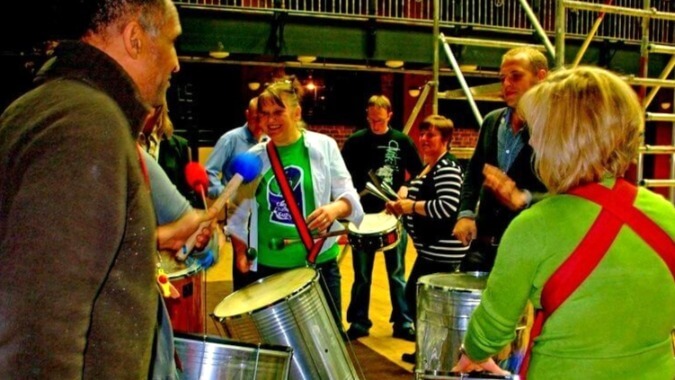 The samba schools parade from one end of Rio's Sambadrome to the other under the watchful eyes of the judges and 90,000 spectators / Photo: Daytours4u[/caption] Samba is, without a doubt, the heart of Rio de Janeiro and its Carnival. Its percussive rhythms are irresistible and have the power to make anyone dance frenetically, even the most clumsy and rhythmically challenged person. Since its first appearance during the Rio de Janeiro Carnival in 1920, samba has become a fundamental part of the celebration. Throughout the year, you can experience the Carnival and Samba atmosphere in Rio de Janeiro at venues like Plataforma Samba or Rio Scenarium. However, nothing compares to the fantastic atmosphere during Carnival festivities, especially at Rio's iconic Sambadrome! The famous Sambadrome (the enormous samba runway where all the schools parade) comes alive every year during Rio de Janeiro 's Carnival week . The local samba schools parade along a 700-meter track wearing incredible costumes alongside spectacular floats, meticulously designed and built throughout the year. The competition is a magical feast for the eyes and ears: samba routines are performed from eight at night until eight in the morning. Thousands of fans, both tourists and local Brazilians, attend dressed in the colors of their favorite samba school. A samba school can be a royal samba school or a community from the poorest neighborhoods or even favelas (informal settlements), and these groups can be among the most committed to the Rio Carnival parade . Regardless of their difficult economic or social conditions, they compete in the carnival with an enthusiasm and passion that helps create that contagious atmosphere of joy that often mesmerizes the public. Some of the most popular samba schools are:
- Empress Leopoldine
- Mangueira
- Academicos do Salgueiro
- United States of Tijuca
- Beija-Flor de Nilópolis
- Vila Isabel
3. BLOCKS AND BANDS IN THE STREET OF THE RIO CARNIVAL
One minute you're soaking up the sun on Ipanema beach , and the next you're surrounded by a throng of Brazilians and tourists dancing and singing like there's no tomorrow: the blocos and bands (which fill the city's streets and squares so everyone can celebrate Carnival) have just arrived and started dancing. Although samba is the star of the show, there's a mesmerizing mix of percussion rhythms, singing, and honking horns. This is the typical atmosphere found on every street in Rio de Janeiro during Carnival , and it's well worth following one of these groups if you're lucky enough to stumble across one. Blocos are street parades, gatherings of neighbors and fans who dress up, dance, and socialize as they march through the streets behind a band of musicians to the beat of percussion. In this celebration, anyone of any age can participate and enjoy the fun with wigs, crazy costumes, or official bloco t-shirts. Some of the most popular blocos and bands in Rio are:- Cordão da Bola Preta : parades in the city center and is the oldest Bloco in Rio de Janeiro and one of the most traditional bands. Known for having gathered around 2 million people in the streets during 2012.
- The Ipanema Band : especially geared towards the gay community. They perform three parades during Carnival in the neighborhood of the same name, and usually draw huge crowds.
- Carmelitas: It's said to have been created by the Carmelite nuns of a convent in the Santa Teresa neighborhood, but the truth is that this never happened. What matters is that the block is a success, especially among young people, and runs through the neighborhood's picturesque streets.
- Ceu na Terra : another band from Santa Teresa. They always play early in the morning, which means they attract a very unique audience.
- Cordão do boitatá parades along Praça XV, in the Center of Rio de Janeiro, and is a complete band of professional musicians.
4. CARNIVAL DANCES IN RIO
[caption id="attachment_3812" align="aligncenter" width="675"]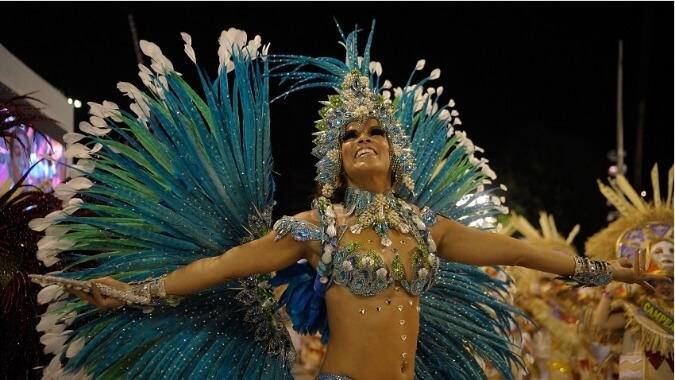 Rio de Janeiro's famous samba parades are the main attraction of the Carioca Carnival and are considered the world's greatest open-air spectacle / Photo: Daytours4u[/caption] If you're looking for a luxurious night out during Carnival, you should opt for one of Rio's traditional balls, where the dress code is black. The custom of holding these kinds of events dates back to the time when Carnival was celebrated by the Portuguese nobility with lavish balls in grand palaces, long before samba appeared and the festivities moved to the streets. Some balls you shouldn't miss: The Magic Ball at the Copacabana Palace in Rio de Janeiro is one of Rio's most traditional balls, legendary for its glamour and sophistication. To attend, it's essential to wear a luxurious outfit. If you're lucky enough to attend, keep an eye out for the international and local celebrities who are always among the guests. The Scala Ball at the Scala nightclub. It's been running for almost 40 years and is the most popular option, offering themed dances every night of Carnival. This is the city's biggest indoor celebration. Many blocos (street bands) and Carioca bands perform there, bringing with them all the energy of samba and the street. Among the most popular Carnival events is also the Masquerade Ball at the Sofitel Rio de Janeiro hotel. It's a huge celebration that alternates live samba music and a DJ accompanied by the drums of one of Rio's best samba schools. Going out at night to some of Rio's Carnival dances is a great option. Just be sure to book your tickets in advance, as they can sell out quickly. Prices range from approximately R$150 to R$600 (VIP tickets). Travel tip: Book your tickets for the Special Groups and Champions Parade of Rio Carnival, and enjoy the most anticipated event of the year!
5. ACCOMMODATION DURING THE RIO CARNIVAL
Rio's Carnival, an extraordinary spectacle of culture and traditions, is unlike any other carnival in the world. It's no wonder, then, that you'll want to secure a good place to stay during this time so you don't miss any of the action. During Carnival, most events take place near Rio's South Zone— Copacabana, Ipanema, Leblon, and Botafogo —and the city center (where the Sambadrome is located). Therefore, it's ideal to choose a hotel, hostel, or apartment in this area. This way, you'll have several activities close to your accommodation and won't have to worry about public transport or taxis, which often run irregularly during Carnival. Keep in mind that Carnival season is the most expensive time to visit the city, and hotels, hostels, and rental apartments in Rio can be up to four times more expensive than usual. So, book well in advance. It's definitely the best advice! When you book your hotel in Rio de Janeiro during Carnival, you can feel a little less strain on your wallet. But don't think twice: Rio's carnival is truly the most incredible in the world , so it will be worth every penny spent on it!Discover everything you need to know with our Travel Guide at Daytours4u and enjoy an authentic Carioca experience!
By: Daytours4u Content Team.
Published by Has Chacon on 03/06/2026


