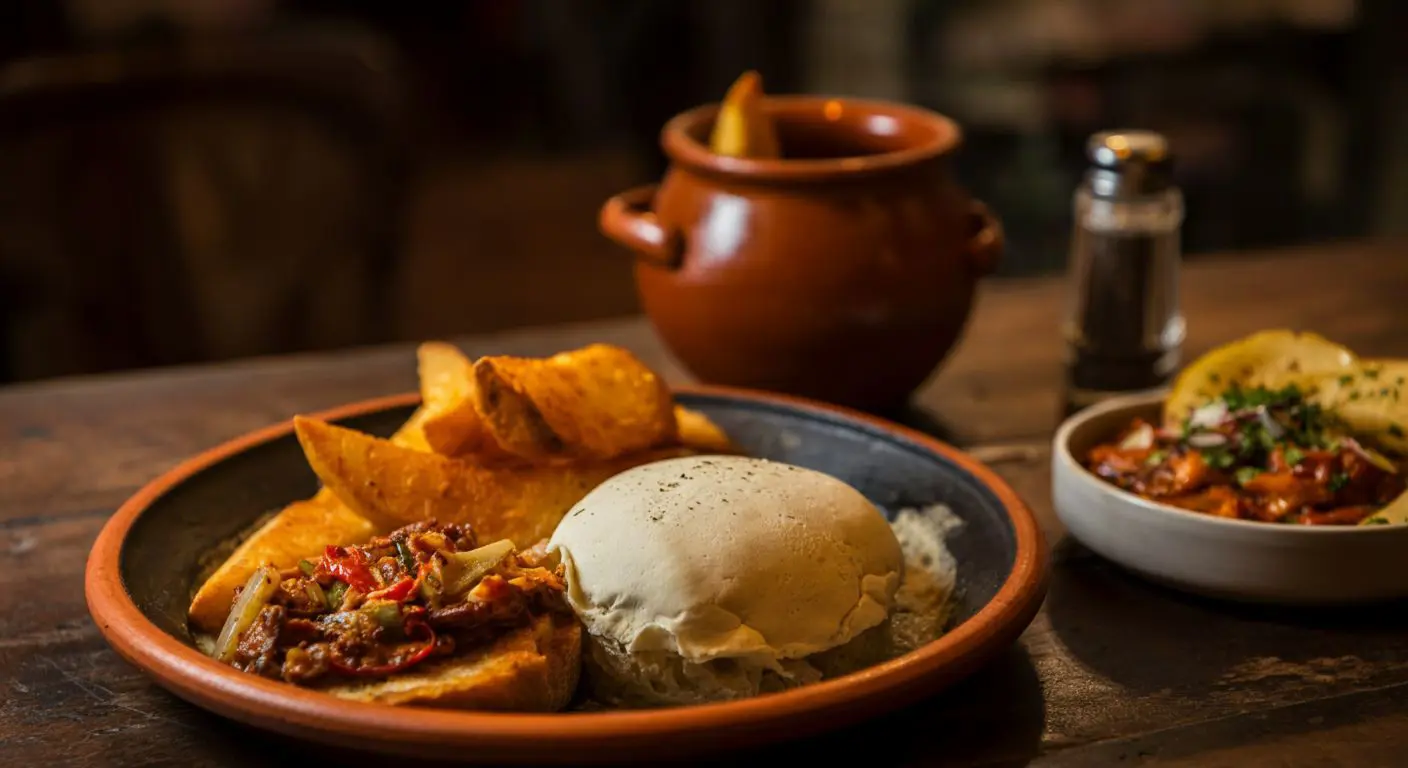
If you’re wondering what food in Argentina is really like, Buenos Aires is the best place to start. The capital city is the center of Argentine food. Here, European influences mix with local traditions in every parrilla, café, and market.
You can find the best food in Buenos Aires on every corner. Enjoy juicy steaks, handmade empanadas, and creamy dulce de leche desserts.
This article is part of our Food in Argentina series, exploring each region’s most typical and traditional dishes. Today, we start with the flavors of Buenos Aires. This city makes every meal a social event and every bite a story.
What Makes Buenos Aires Food Special?
People often call Buenos Aires the culinary capital of South America and it’s easy to see why. The city’s food scene is a delicious blend of European roots and Argentine spirit, where tradition and creativity meet on every plate.
Tradition and creativity meet on every plate. Italian and Spanish influences can be seen in homemade pastas, milanesas, and empanadas. The national love for grilled meat led to the famous asado.
Here’s what makes food in Buenos Aires truly special:
- European Roots: A blend of Italian and Spanish traditions adapted with local ingredients and flavors.
- Obsession with Meat: The parrilla (grill) is at the heart of Argentine cuisine, steak is more than food, it’s culture.
- Café & Social Life: Dining is a ritual. Locals eat dinner late (after 9 PM), enjoy long weekend lunches, and spend hours chatting in cafés.
- New Culinary Wave: Young chefs are reimagining classic dishes, fusing local produce with global trends, making Buenos Aires one of the most exciting food cities in Latin America.
10 Must-Try Dishes in Buenos Aires
From sizzling grills to sweet pastries, food in Buenos Aires captures everything Argentina stands for flavor, family, and a love for long meals. These ten dishes represent the essence of Argentine cuisine, each carrying a story you can taste.
Asado (Argentine Barbecue)
More than a meal, asado is a ritual. Families and friends gather around the parrilla to share conversation while beef slowly cooks over glowing coals.
The cuts bife de chorizo, vacío, morcilla, and chinchulines, each have their devoted fans. A drizzle of chimichurri and a good Malbec complete the picture. To understand traditional food in Argentina, you must taste an authentic asado.
Where to try it: Don Julio (Palermo), El Pobre Luis (Belgrano), or join a Parrilla Tour with Daytours4u to explore hidden local grills.
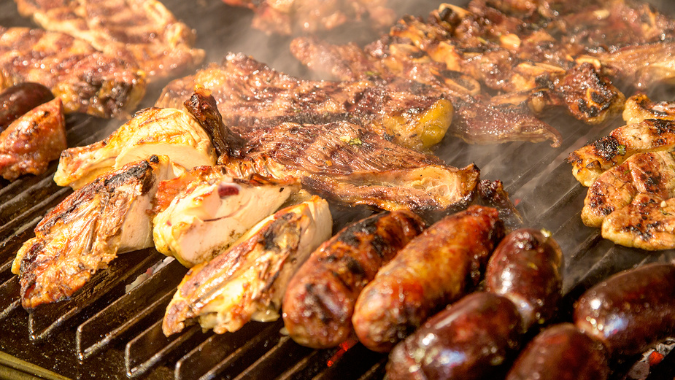 Grilled beef cuts on the parrilla the heart of every Argentine gathering. A true taste of Buenos Aires tradition.
Empanadas
Hand-sized and bursting with flavor, empanadas are Argentina’s comfort food on the go. You can bake or fry the dough, stuffing it with spiced beef, onions, egg, olives, or even cheese and ham. Each region has its twist in Buenos Aires you’ll find them all together, often enjoyed with a glass of Torrontés wine. Watching locals fold the dough in the traditional repulgue pattern is a tiny art form in itself.
Where to try it: La Cocina (Recoleta) for northern-style empanadas or Mercado de San Telmo for a variety of regional fillings.
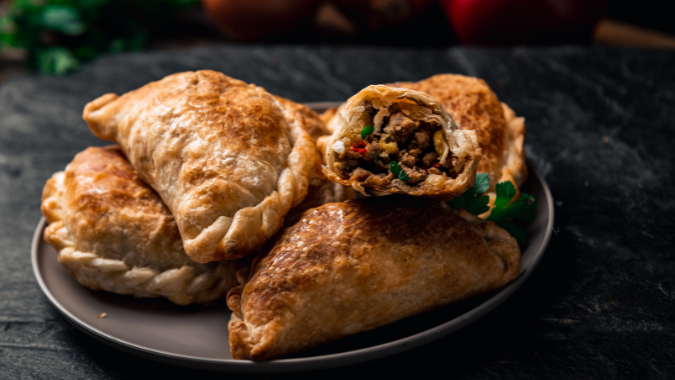 Golden baked empanadas filled with seasoned beef, a classic bite from every corner of Argentina.
Milanesa
A descendant of Italy’s cotoletta alla milanese, this crispy, breaded cutlet has become a national obsession. Whether it’s beef (milanesa de carne) or chicken (milanesa de pollo), it’s always fried to golden perfection. Locals top it a la napolitana, with tomato sauce, ham, and melted mozzarella or eat it simple with mashed potatoes. It’s the ultimate weekday lunch, found everywhere from school canteens to elegant cafés.
Where to try it: El Preferido de Palermo, Los Galenos (Boedo), or any neighborhood bodegón with a paper-covered tablecloth.
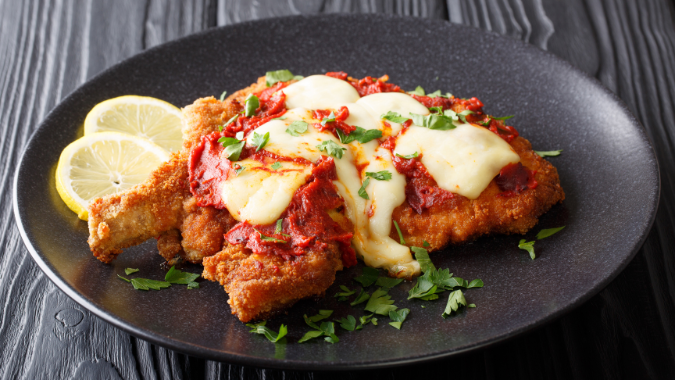 Crispy breaded beef milanesa served napolitana style with tomato, ham, and cheese a comforting Argentine favorite.
Choripán
Ask any local what to eat on a sunny Sunday, and they’ll tell you: choripán. This smoky sandwich a grilled chorizo sausage tucked into crusty bread and topped with chimichurri is pure simplicity and pure joy. It’s the people’s favorite street food in Buenos Aires, sold near parks, football stadiums, and riverside grills.
But choripán isn’t the only sandwich that defines the Argentine grill. The bondiola slow-cooked pork shoulder, juicy and tender inside a warm roll is another crowd favorite, often topped with the same herby chimichurri or spicy criolla sauce.
And for true connoisseurs of the asado, there’s morcilla (blood sausage). Argentines don’t just grill it some enjoy it cold and soft, like a rich pâté, spread over a slice of fresh bread before the fire is even ready. It’s one of those small pleasures that reveal how deeply food and ritual intertwine here.
Where to try it: Puesto 14 at Costanera Sur, Chori (Palermo), or El Parrillón de la Costanera for a riverside experience.
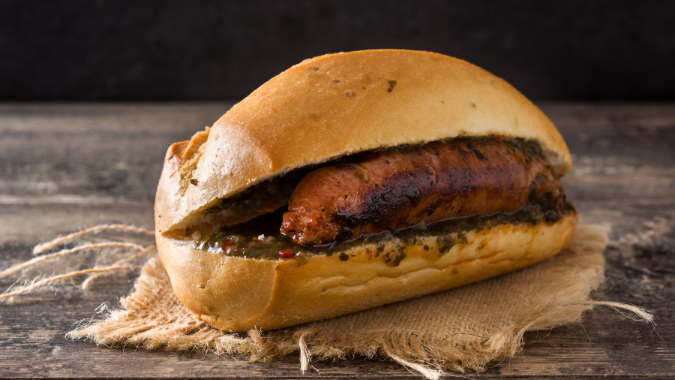 Crispy breaded beef milanesa served napolitana style with tomato, ham, and cheese a comforting Argentine favorite.
Provoleta
Before any asado, there’s provoleta. This grilled disc of provolone cheese melts just enough to form a crispy crust while staying gooey inside. Sprinkled with oregano and olive oil, it’s the perfect bridge between appetizer and main course. Its smoky aroma fills the air and signals that the grill is ready a sensory invitation to indulge.
Where to try it: Parrilla Peña (Recoleta) or Don Julio (Palermo).
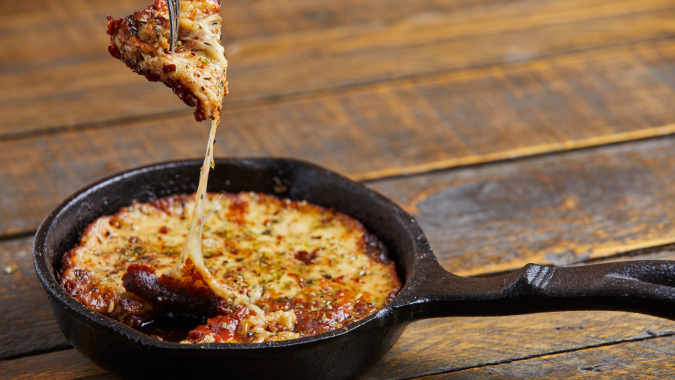 Melted provoleta cheese sizzling on the grill — smoky, salty, and perfectly shared before the asado.
Pizzas and Fugazzeta (Stuffed Pizza)
In Buenos Aires, pizza isn’t just food; it’s part of the city’s identity. Italian immigrants brought their recipes, but locals made them their own, creating one of the most distinctive pizza cultures in the world. Forget thin crusts: pizza in Buenos Aires is thick, cheesy, and proudly indulgent, baked in traditional wood-fired ovens and shared with friends standing at the counter.
The star of the show is the fugazzeta a deep, fluffy pizza stuffed with melted mozzarella and topped with golden caramelized onions. It’s rich, comforting, and impossible to eat neatly. True locals know the secret pairing: a thin slice of fainá a chickpea pancake, served on top of your pizza slice (pizza al molde con fainá), blending textures and flavors into pure comfort.
Where to try it: El Cuartito (Retiro) and Guerrin (Corrientes Avenue) are institutions that have been serving pizza for decades.
Local secret: The fugazzeta from La Mezzetta (Chacarita) is one of the best in Buenos Aires simple, cheesy, and packed with flavor. It’s a bit outside the city center, but totally worth the trip.
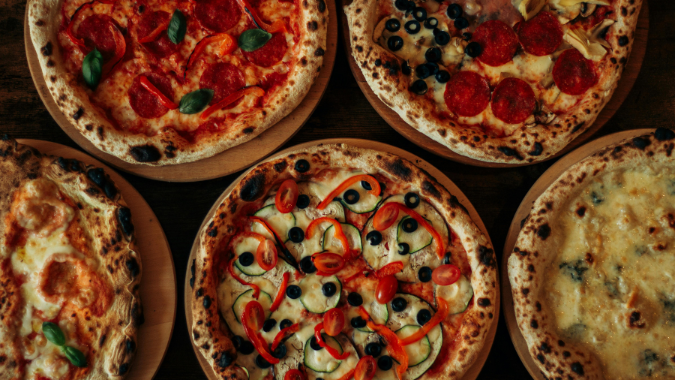 Buenos Aires–style pizza: thick, cheesy fugazzeta with caramelized onions, best enjoyed with a slice of fainá on top.
Pasta Casera & Italian Heritage
Half of Buenos Aires has Italian roots, and it shows in the love for pasta casera (homemade pasta). Sundays smell of fresh ravioles, sorrentinos, or ñoquis, especially on the 29th of every month, when locals eat gnocchi for good fortune. Sauces range from simple tomato and basil to creamy white or Bolognese. It’s the perfect example of immigrant recipes that became typical Argentine dishes.
Where to try the best pasta in Buenos Aires: Café San Juan (San Telmo), La Alacena (Palermo), or Poesía (San Telmo).
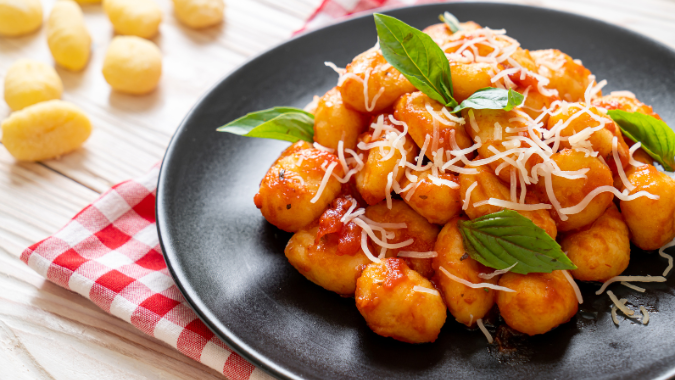 Handmade ravioles and ñoquis show Argentina’s Italian heritage a Sunday lunch tradition across Buenos Aires.
Dulce de Leche, Alfajores & the Classic Vigilante
Sweet, silky, and unmistakably Argentine, dulce de leche is the country’s culinary treasure. You’ll find it in cakes, crepes, churros, and especially alfajores two soft cookies joined by a thick layer of caramel spread and coated in chocolate or meringue. They’re the ultimate edible souvenir and a symbol of national pride: every Argentine will tell you theirs is the best.
But beyond the famous alfajor, there’s another dessert that locals cherish, the dulce de vigilante. It’s a humble yet divine combination of dulce de batata (sweet potato paste) or membrillo (quince) paired with fresh cheese. Served in simple slices, it’s the perfect balance between sweet and salty, creamy and firm a contrast that reflects Argentina’s love for honest, uncomplicated flavors.
Where to try it: Havanna Café (classic), Rapanui (artisan chocolate), or any panadería or neighborhood café offering traditional Argentine sweets.
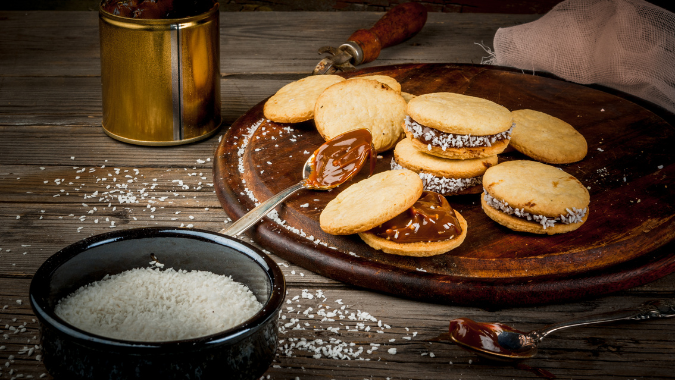 Sweet alfajores filled with dulce de leche, Argentina’s most beloved flavor in every bakery window.
Medialunas & Café Porteño
Breakfast or merienda in the afternoon revolves around medialunas, buttery croissants slightly sweeter than their French cousins. Paired with a café con leche or mate, they symbolize the city’s love for slow mornings and social coffee breaks. Whether you sit under the high ceilings of a historic café or a minimalist spot in Palermo, this ritual connects past and present Buenos Aires.
Where to try it: Café Tortoni (historic), LAB Palermo (modern), or Las Violetas (Almagro).
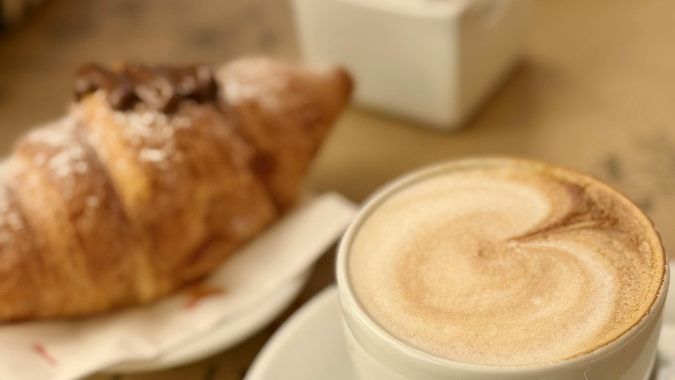 Classic Buenos Aires breakfast: buttery medialunas and a café con leche in a traditional confitería.
Helado Artesanal (Artisanal Ice Cream)
Italian immigrants also brought the art of gelato. Today, Buenos Aires boasts some of the best ice cream in Latin America rich, dense, and creamy, with flavors like dulce de leche granizado and tramontana. Locals enjoy it year-round, often taking home a kilo box for family gatherings.
Where to try it: Cadore (Microcentro) rated among the world’s top ice creams or Rapanui (Palermo) for a modern Patagonian twist.
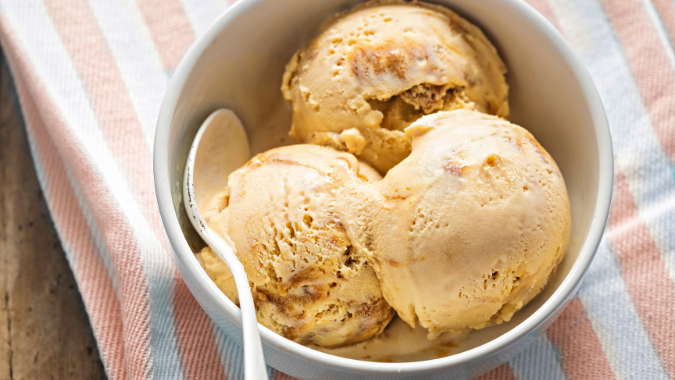 Creamy dulce de leche ice cream a scoop of Argentine indulgence, enjoyed year-round.
Extra: Sánguche de Miga – Buenos Aires’ Best-Kept Snack Secret
Not every Argentine classic comes from the grill. The humble sánguche de miga thin, crustless sandwiches layered with ham and cheese, tuna, or hearts of palm and mayonnaise, is a quiet institution in Buenos Aires. Light yet satisfying, it’s a must at office meetings, birthdays, or afternoon coffee breaks. Locals buy them by the dozen at their favorite panadería and debate which bakery makes the fluffiest bread.
Soft, cool, and perfectly symmetrical, the sánguche de miga reflects the city’s refined café culture elegant simplicity that pairs beautifully with a café con leche or even a glass of sparkling wine at celebrations.
Where to try it: Confitería Ideal (Microcentro), Las Violetas (Almagro), or any neighborhood bakery (panadería) in Buenos Aires.
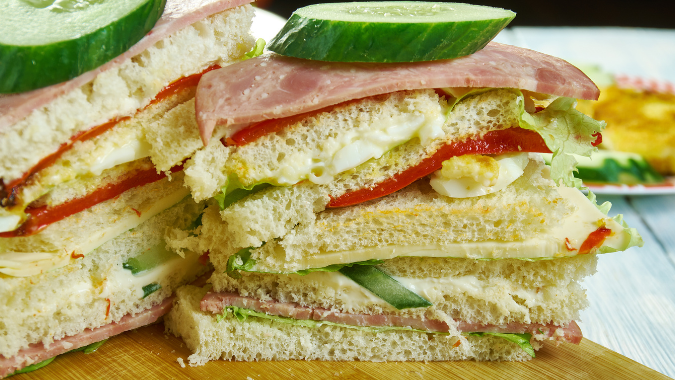 Delicate crustless sandwiches layered with ham and cheese the city’s favorite snack for any occasion.
Food Experiences You Can’t Miss in Buenos Aires
The best way to understand Argentine cuisine is to taste it where it happens around a grill, in a local kitchen, or inside a historic wine cellar. These food tours in Buenos Aires by Daytours4u capture the city’s flavor and spirit:
- The Argentine Experience – Cook, mix, and dine like a local in this fun interactive dinner.
- Wine Tasting at La Cava de Querandí – Discover Argentina’s finest wines in a beautiful underground cellar.
- Argentine Asado with Betty & Marcelo – Join a local couple for an authentic home barbecue experience.
- Tour of Flavors in Buenos Aires – Walk, taste, and explore the city’s best markets and street food.
Typical Drinks in Argentina
From sunrise to late-night gatherings, drinks in Argentina are as social as its food. They tell stories of tradition, friendship, and regional pride — from the herbal bitterness of mate to the deep reds of Mendoza’s Malbec. If you want to drink like a local in Buenos Aires, start with these essentials:
Mate – The National Ritual
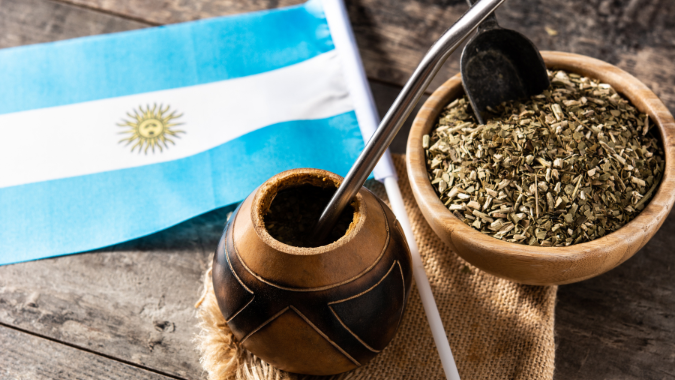
Mate is far more than a drink it’s a ceremony of connection. People sip this infusion of yerba mate leaves from a hollow gourd with a metal straw (bombilla) throughout the day, at home, at work, or even in the park. Each sip is part of a social ritual: one person pours the hot water and passes it around the circle. Its earthy flavor may surprise you at first, but few experiences are more authentically Argentine.
Fernet & Cola – The Modern Icon
Bittersweet and bold, fernet con coca is the unofficial cocktail of Argentina’s younger generations. This mix of Italian herbal liqueur and cola, which originated in Córdoba and has gained popularity across the country, gets poured in generous proportions — always heavy on the fernet. Locals debate the perfect ratio (some swear by 70/30), but everyone agrees it’s best shared at parties, barbecues, or after football matches.
Argentine Wine – Malbec & Beyond
Argentina’s wines are among the best in the world, and no trip is complete without a glass of Malbec. Grown in Mendoza’s high-altitude vineyards, it delivers rich flavor and smooth tannins that pair perfectly with asado. But there’s more to explore: Torrontés from the northwest offers floral freshness, while Patagonian Pinot Noir brings elegance and depth. In Buenos Aires, wine bars and tastings let you explore these regional varieties without leaving the city.
Craft Beer in Buenos Aires
The craft beer revolution has taken over the capital, blending global trends with Argentine creativity. In neighborhoods like Palermo and Chacarita, you’ll find microbreweries pouring IPAs, stouts, and lagers infused with local ingredients. Weekends mean patios filled with laughter, papas fritas, and cold pints shared among friends. It’s the modern face of Buenos Aires nightlife — relaxed, social, and deliciously local
 Sharing mate Argentina’s herbal infusion and social ritual — among friends in a Buenos Aires park.
Final Tips for Food Lovers in Buenos Aires
- Bring cash for small eateries: Many bodegones and parrillas still prefer cash payments, especially outside tourist zones.
- Eat like a porteño: Lunch starts late (around 1–2 PM) and dinner even later — no one rushes a good meal here.
- Pair food with Argentine wine: A glass of Malbec or Torrontés is the best companion to most traditional dishes.
- Expect the “cubierto” fee: It’s a small charge (usually under $2 USD) added per person in sit-down restaurants — it covers bread and table service.
- Don’t skip the cafés: From historic spots like Café Tortoni to minimalist third-wave bars in Palermo, coffee is part of daily life.
- Go beyond the center: Neighborhoods like Chacarita, Boedo, and Colegiales are full of hidden gems where locals eat and prices drop.
Taste Buenos Aires, One Bite at a Time
If you really want to experience the best food in Buenos Aires, don’t just read about it, taste it with a local. Join a Parrilla Tour, a Cooking Class, or a Wine Tasting Experience with Daytours4u, and let passionate guides show you the dishes, aromas, and traditions that make Argentina one of the world’s great culinary destinations.
👉 Book your Buenos Aires food experience now and discover why every meal here feels like a big celebration.
Written by: Carolina Ferere
Published by Has Chacon on 03/06/2026


