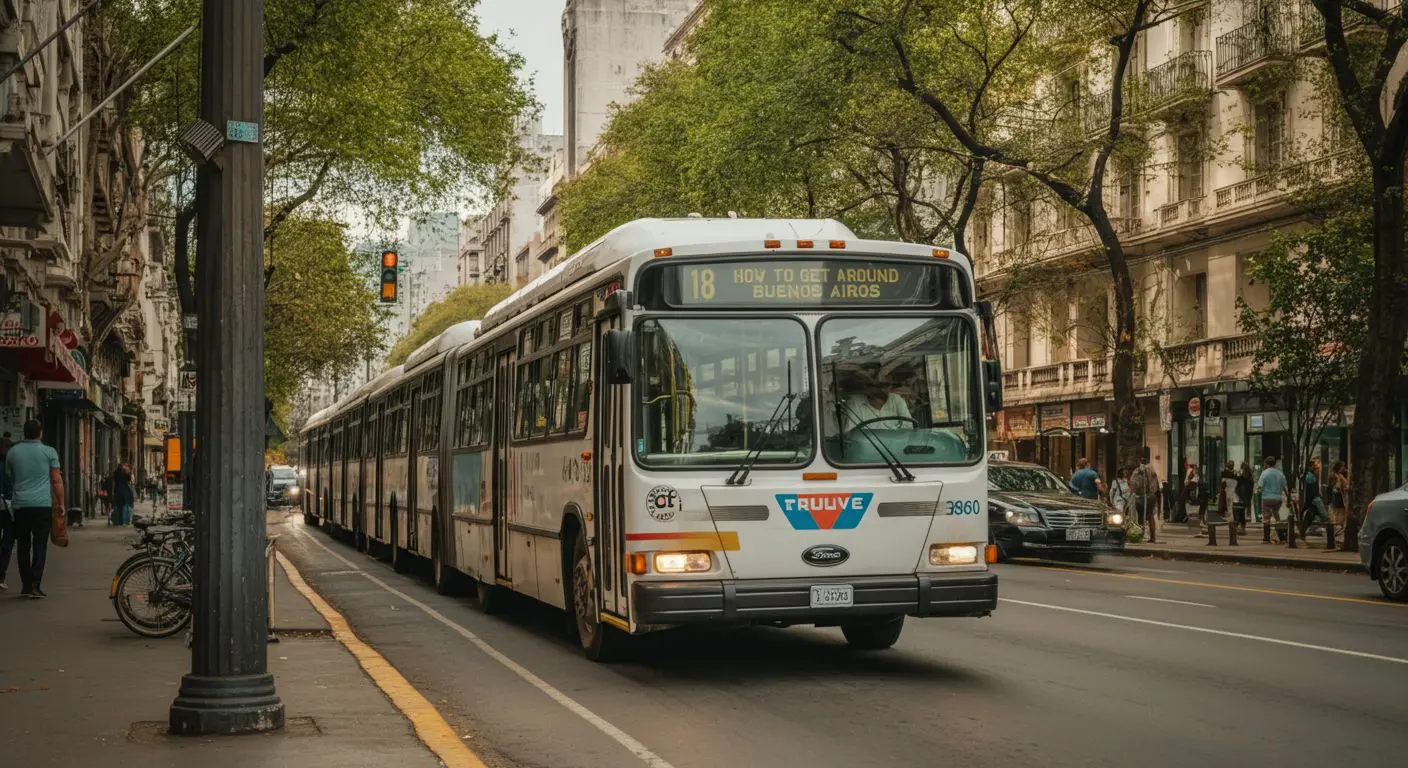
How to Get Around Buenos Aires: A Practical Guide for Tourists
Getting around Buenos Aires might seem overwhelming at first—especially if it’s your first time in the city. But with the right information, you’ll find it’s a highly accessible and well-connected destination. Whether you prefer public transport, ride-hailing apps, bikes, or simply walking through its most iconic neighborhoods, this guide will help you navigate Buenos Aires comfortably, affordably, and safely.
What’s the Best Way to Get Around Buenos Aires?
The Subte (subway) is often the most efficient way to get around Buenos Aires, though it may depend on your travel style and the kind of experience you’re looking for. Fortunately, the city offers a variety of reliable and budget-friendly transportation options for visitors. Here are the most recommended ways to explore Buenos Aires:
1. Public Transport (SUBE: Your Key to Everything)
Buenos Aires has an extensive and efficient public transportation system that includes buses (colectivos), the subway (Subte), and suburban trains. All of them use the SUBE card, a rechargeable contactless card you can buy at kiosks, subway stations, and some convenience stores.
- Subte (Subway): Great for moving quickly between downtown and tourist areas. The system has 6 lines that connect key points across the city.
- Buses (Colectivos): Operate 24/7 and reach every neighborhood. They’re an excellent way to explore the city at street level.
- Trains: Useful for visiting nearby destinations like Tigre or towns in Greater Buenos Aires.
Tip: Avoid rush hours (7–10 a.m. and 6–8 p.m.) for a more comfortable ride.
2. Walking Around the City
Buenos Aires is a very walkable city, especially in neighborhoods like Palermo, Recoleta, San Telmo, and the historic downtown. If you enjoy taking your time, snapping photos, and discovering hidden gems, walking is a great way to experience the local vibe and joining a free walking tour can be a great way to get to know the city.
3. Biking with EcoBici
The city’s free bike-sharing system, BA EcoBici, lets you rent bicycles for 30 to 60 minutes per ride, depending on the pass you choose. With more than 300 km of dedicated bike lanes, it’s an eco-friendly and scenic way to get around. You just need to register with your passport or ID and download the EcoBici app.
4. Taxis, Uber & Ride-Hailing Apps
Official taxis are black with yellow roofs and can be flagged down on the street, booked by phone, or requested through the BA Taxi app. Uber, Cabify, and DiDi also operate in the city, often offering lower fares and the convenience of paying by card or app.
 Buses, subways, and bikes: Buenos Aires offers a wide range of public transport options to explore the city comfortably, affordably, and safely. source
How to Pay for Public Transport in Buenos Aires?
To use public transport in Buenos Aires—including buses, subway (Subte), and trains—you’ll need a SUBE card, a rechargeable smart card. It's the only accepted payment method for most services and can be topped up with cash or apps like Mercado Pago. Simply tap it on the reader when boarding.
How to Buy a SUBE Card in Buenos Aires?
You can buy a SUBE card at kiosks, subway stations, some convenience stores, and official points of sale. Look for signs that say “Aquí podés conseguir tu tarjeta SUBE.” It's inexpensive and not tied to a single person, so one card can be used by multiple people in a group.
Can I Use Uber in Buenos Aires?
Yes, Uber is available and legal in Buenos Aires, along with other apps like Cabify and DiDi. Many travelers use them as a safer and more comfortable alternative to hailing taxis on the street. You can pay by card through the app and see the fare in advance.
How to Get from the Airport to Downtown Buenos Aires
If you're flying into Ezeiza International Airport (EZE) or Jorge Newbery Airport (AEP), there are several ways to reach downtown Buenos Aires. The most comfortable and safest option is to book a private or shared transfer in advance, which takes you directly to your accommodation with no stress.
You can also use ride-hailing apps like Uber or Cabify, though from Ezeiza, fares tend to be higher and availability may vary depending on the time of day. A reliable alternative is the official remise service, available inside the airport, offering fixed fares depending on your destination.
Budget-conscious travelers can opt for the Tienda León shuttle bus from Ezeiza, which runs on a fixed schedule and connects to central Buenos Aires. From Aeroparque, it’s also possible to use public transportation with a SUBE card, though this may not be ideal if you're carrying a lot of luggage or visiting for the first time.
Pro tip: To make your arrival smoother, we recommend booking your transfer online before your flight.
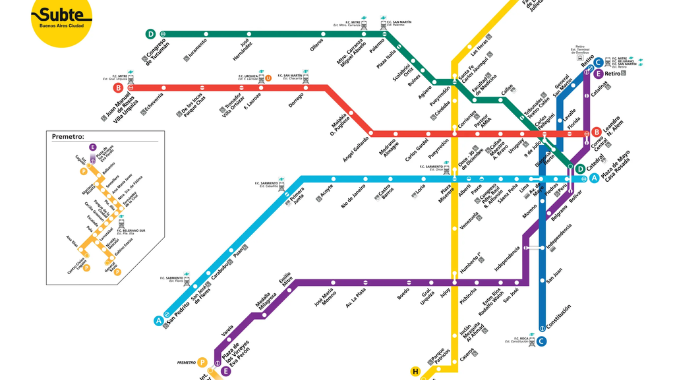 Full subway map of Buenos Aires showing all 6 active lines and connections an essential tool for navigating the city. source
Day Trips from Buenos Aires: Where to Go and How to Get There
If you’re planning to explore beyond the city center, there are several day trip destinations that are both safe and worthwhile. Places like San Antonio de Areco, known for its gaucho heritage, and Tigre, famous for its riverside market and boat tours, are easily accessible by train, bus, or guided excursions.
Another off-the-beaten-path option is Mataderos, where you can visit the Fair of Traditional Argentine Culture and try authentic local cuisine. For these destinations, the safest and most convenient option is to book a tour with transportation included, or use remise services or apps like Uber—especially if you're unfamiliar with the area.
We advise avoiding outer suburbs that aren’t well-connected or commonly visited by tourists, as transportation options may be limited and safety less predictable. Always check with your hotel or local guide before venturing far from the city.
Pro tip: Consider booking day tours to Tigre or San Antonio de Areco with transfers included, perfect for exploring safely and without logistical hassle.
What Are the Best Apps to Get Around Buenos Aires?
Planning how to get around Buenos Aires is much easier with the right apps. These free, easy-to-use tools will help you move around the city efficiently and confidently. Here are the best apps for tourists in Buenos Aires:
- Cómo Llego (GCBA): The official app from the Buenos Aires government. It shows the best combination of subway, bus, walking, or bike routes from one place to another.
- BA Taxi: Lets you request official city taxis, estimate fares, and avoid overcharges.
- Google Maps: Perfect for real-time navigation, route planning, and estimating travel times.
- Moovit or Transit: Show live schedules for buses and subways, with alerts and alternative routes in case of delays.
- EcoBici: Use it to register, unlock public bikes, and find the nearest available station.
Tip: All these apps are available in English and Spanish, and work on both Android and iOS devices.
What’s the Safest Way to Get Around Buenos Aires?
Public transport in Buenos Aires—especially the Subte (subway) and buses (colectivos)—is generally safe, frequent, and well-organized. For late-night travel, when carrying luggage, or arriving at the airport, it’s best to use Uber, Cabify, or official taxis (black with yellow roofs or booked through the BA Taxi app).
Safety tips for getting around Buenos Aires:
- Keep your belongings secure in zipped bags, especially during peak hours.
- Avoid walking alone in poorly lit or unfamiliar areas at night.
- Always check the number and destination of the bus or train before boarding.
If using ride-hailing apps, wait in well-lit, visible areas and confirm the driver’s details before getting in.
Other Great Ways to Explore Buenos Aires
Beyond traditional public transport, there are several convenient and tourist-friendly ways to discover the city and its surroundings.
Hop-On Hop-Off Tourist Bus
If you're visiting for a short time, the Hop-On Hop-Off bus is a great way to see Buenos Aires' main attractions without worrying about navigation. You can get on and off at major stops like Casa Rosada, Caminito, Recoleta, and Palermo, exploring the city at your own pace. The service includes multilingual audio guides with cultural and historical insights, making it an ideal option for your first day in the city.
Ferries and Boat Tours
From Puerto Madero, ferries depart to Colonia del Sacramento in Uruguay, perfect for a full-day getaway. You can also take boat tours along the Río de la Plata, offering panoramic views of the Buenos Aires skyline and a unique way to experience the city from the water. Some tours also reach the Tigre Delta, combining transportation with nature and local culture.
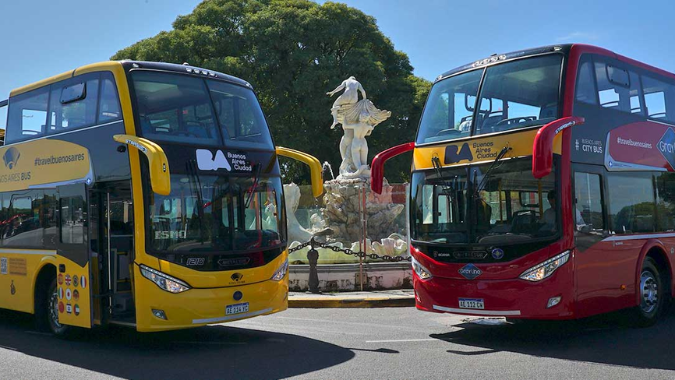 The Hop-On Hop-Off bus and excursions to Tigre or San Antonio de Areco are practical and safe ways to explore the greater Buenos Aires area. source
Is It Worth Renting a Car in Buenos Aires?
Generally, renting a car is not recommended for getting around within the city. Traffic can be heavy, parking is limited or regulated in many areas, and street signage may be confusing for non-locals. However, renting a car can be a good option if you're planning to travel outside Buenos Aires or explore other regions of Argentina, where having your own vehicle provides more flexibility.
Final Tips for Getting Around in Buenos Aires Like a Local
Here are some practical tips to help you move around Buenos Aires smoothly:
- Download key apps before your trip, like Cómo Llego, Google Maps, BA Taxi, or EcoBici.
- Keep your SUBE card topped up, especially if you plan to use public transport daily.
- Check the weather forecast, especially if you're planning to walk or ride a bike.
- Don’t hesitate to ask for help—locals are generally friendly and used to assisting tourists.
Guided Tours in Buenos Aires with Daytours4u
Want to discover Buenos Aires without the stress of planning? At Daytours4u, we offer guided tours, cultural experiences, and day trips to the city’s top neighborhoods and nearby destinations. All tours include transportation, professional guides, and personalized service.
Book your Buenos Aires tour online today and enjoy a safe, complete, and unforgettable experience tailored to your time and interests.
Published by Has Chacon on 03/06/2026


