How to get around Buenos Aires: A practical guide for tourists
Getting around Buenos Aires can seem daunting at first, especially if it's your first visit. But with the right information, you'll discover it's a very accessible city. Whether you prefer public transport , ride-sharing apps , cycling , or simply walking through its most popular tourist neighborhoods , this guide shows you how to get around Buenos Aires comfortably, affordably, and safely.
What's the best way to get around in Buenos Aires?
The best way to get around Buenos Aires depends on the type of experience you're looking for as a tourist. The city offers several accessible and well-connected options. Below are the most recommended ways to get around Buenos Aires :
1. Public transport (SUBE: your key to everything)
Buenos Aires has an extensive network of buses , subways, and commuter trains . All fares are paid with the SUBE card , which you can buy at kiosks, subway stations, and supermarkets. Once loaded, you can use it on all public transportation.
- Subway : Ideal for getting around quickly between downtown and tourist areas. It has 6 lines connecting key points in the city.
- Buses : They run 24 hours a day and reach all neighborhoods. They're perfect if you want to see the city from a different perspective.
- Trains : Useful if you are going to visit places like Tigre or areas of Greater Buenos Aires.
Tip : Avoid peak hours (7 to 10 am and 6 to 8 pm) for greater convenience.
2. Walking and pedestrian neighborhoods
Buenos Aires is ideal for walking, especially in areas like Palermo , Recoleta , San Telmo , and the historic center. If you enjoy leisurely strolls, taking photos, and discovering authentic corners of the city, this is an excellent option.
3. Bicycles with EcoBici
The Buenos Aires EcoBici public bike-sharing system allows you to use bicycles for free for 30 to 60 minutes per trip, depending on the pass you choose. There are over 300 km of bike lanes and stations distributed throughout the city. You only need to register with your ID or passport and download the EcoBici app.
4. Taxis, Uber and apps
Official taxis are black with a yellow roof. You can hail them on the street, order them by phone, or use the BA Taxi app. Apps like Uber, Cabify, and DiDi also operate on this platform, often offering competitive fares and allowing payment by card or mobile phone.
 Buses, subways , and bikes: Buenos Aires' public transportation options allow you to explore the city comfortably, affordably, and safely.
How to get from the airport to downtown Buenos Aires?
If you arrive in Buenos Aires through Ezeiza International Airport (EZE) or Jorge Newbery Airport (AEP) , there are several ways to get to the city center. The most comfortable and safest option is to book a private or shared transfer in advance , which will take you directly to your accommodation without any hassle.
You can also use apps like Uber or Cabify , although fares from Ezeiza Airport can be higher and immediate availability isn't always guaranteed. Another reliable option is the official taxi service , which you can request inside the airport, with fixed fares depending on your destination.
For those seeking a more economical option, the Tienda León bus service operates from Ezeiza Airport, running on a scheduled schedule and connecting to downtown Buenos Aires. From Aeroparque Airport, it's possible to use public transportation with the SUBE card, although this isn't recommended if you're traveling with a lot of luggage or if it's your first time in the city.
Tip : For added peace of mind upon arrival, consider booking a transfer online before your flight.
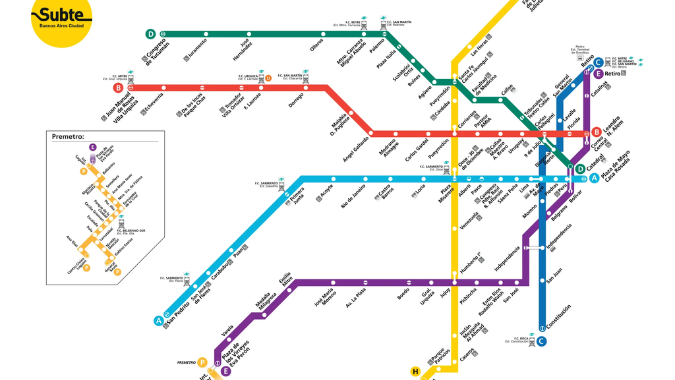 Complete map of the Buenos Aires subway with its 6 active lines and connections: an essential tool for getting around the city .
How to get around the outskirts of Buenos Aires and what areas to visit?
If you're planning to leave the city center and explore the outskirts of Buenos Aires , there are several ideal destinations for a day trip or weekend getaway. Places like San Antonio de Areco , perfect for experiencing authentic gaucho culture , or Tigre , famous for its boat trips and craft market, are accessible by train, bus, or through organized tours .
Another point of interest is the Mataderos neighborhood , where you can visit the Popular Traditions Fair and sample typical Creole cuisine. For these destinations, the safest and most convenient option is to book a tour with transportation included or use taxi services or apps like Uber , especially if you're unfamiliar with the area.
It's advisable to avoid less touristy outlying areas , as some lack good transport links and aren't safe enough for tourists. Always check with your accommodation, guide, or agency before planning a visit outside the city center.
Tip : We recommend booking tours and excursions to Tigre and San Antonio de Areco with transfers included, ideal for exploring these areas safely and without complications.
How do you pay for public transport in Buenos Aires?
To use public transportation in Buenos Aires—such as the subway , buses , or commuter trains —you need a SUBE card , a prepaid system that allows you to pay simply by tapping the card on the reader. You can buy it at kiosks, subway stations, or authorized points of sale, and easily top it up with cash or through apps like Mercado Pago or banking apps.
The system also allows you to have a negative balance , which means you can continue traveling even if you don't have enough credit at that moment (up to a set limit).
Useful information : The card is not personal , so if you are traveling in a group, the same SUBE card can be used to pay for several tickets, as long as it has sufficient balance.
What is the best app for getting around in Buenos Aires?
If you're planning how to get around the city, there are several free apps that will make your experience easier and help you save time. These are the best apps for getting around Buenos Aires as a tourist:
- How Do I Get There (GCBA): The official app of the City Government. It shows you the best combination of subway, bus, walking, or cycling to get from one point to another.
- BA Taxi: To order official taxis, calculate estimated fares and avoid overcharging.
- Google Maps: Ideal for viewing real-time routes, estimating times, and easily locating yourself in any neighborhood.
- Moovit or Transit: They show real-time bus and subway schedules, with alerts and alternative options if there are delays.
- EcoBici: Allows you to register, unlock public bicycles, and see available nearby stations.
Tip : All these apps are available in Spanish and English, and work on both Android and iOS.
What is the safest form of transportation in Buenos Aires?
In general, the subway and buses are safe, run frequently, and are well-organized. For nighttime journeys, with luggage, or if you arrive late from the airport, it's best to use Uber, Cabify , or official taxis (identified by their black and yellow colors or requested through the BA Taxi app).
Safety tips when using public transport in Buenos Aires:
- Keep your belongings in backpacks or closed bags, especially during peak hours.
- Avoid traveling alone in sparsely populated areas at night.
- Always check the bus or train number before boarding.
- If you use apps, wait for the vehicle in a visible and well-lit place.
Other ways to get to know Buenos Aires
In addition to traditional public transport, there are other very practical and tourist-friendly options for exploring the city and its surroundings.
Tourist bus (Hop-On Hop-Off)
If you only have a few days in Buenos Aires, the Hop-On Hop-Off tourist bus is a great way to see the main attractions without worrying about transportation. You can hop on and off at key stops like the Casa Rosada , Caminito , Recoleta , or Palermo , and explore at your own pace. It includes a multilingual audio guide with information about the history and culture of each site. It's an ideal option for getting your bearings on your first day in the city.
Ferries and boat trips
Ferries depart from Puerto Madero for Colonia del Sacramento (Uruguay) , perfect for a day trip. There are also boat excursions along the Río de la Plata , offering panoramic views of the Buenos Aires skyline and a unique way to experience the city. Some trips also go to the Tigre Delta , combining transportation and nature in a single experience.
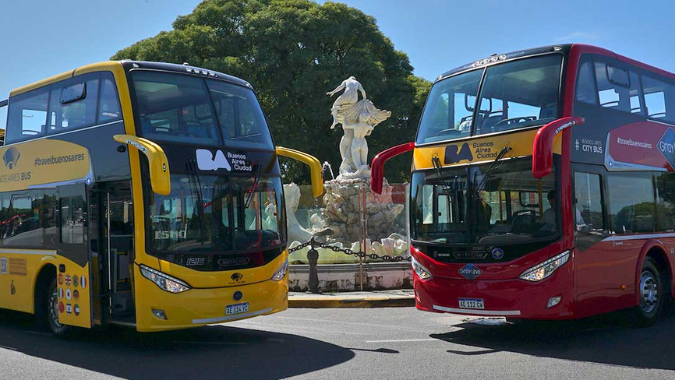 Tourist buses and excursions to Tigre or San Antonio de Areco are practical and safe ways to explore the area around Buenos Aires.
Is it worth renting a car in Buenos Aires?
In general, renting a car is not recommended for getting around Buenos Aires . Traffic is often heavy, there are areas with limited or regulated parking, and signage can be confusing for those unfamiliar with the city. However, it can be a good alternative if you plan to travel outside the capital or visit other provinces, where having your own transportation might be more convenient.
Final tips for getting around like a local
Some practical tips to help you make the most of your mobility in Buenos Aires:
- Download useful apps before your trip , such as How Do I Get There, Google Maps, BA Taxi or EcoBici.
- Always keep your SUBE card topped up , especially if you plan to use public transport daily.
- Check the weather before you go out , especially if you plan to walk or cycle.
- Don't hesitate to ask for help : the people of Buenos Aires are usually friendly and used to receiving tourists.
Explore Buenos Aires with Daytours4u
Want to discover Buenos Aires without the hassle? At Daytours4u we offer guided tours , visits to the most iconic neighborhoods, and authentic experiences, with transfers included, professional guides, and personalized service.
Book your tour in Buenos Aires now and enjoy a complete, safe experience tailored to your time and interests.
Published by Has Chacon on 03/06/2026


