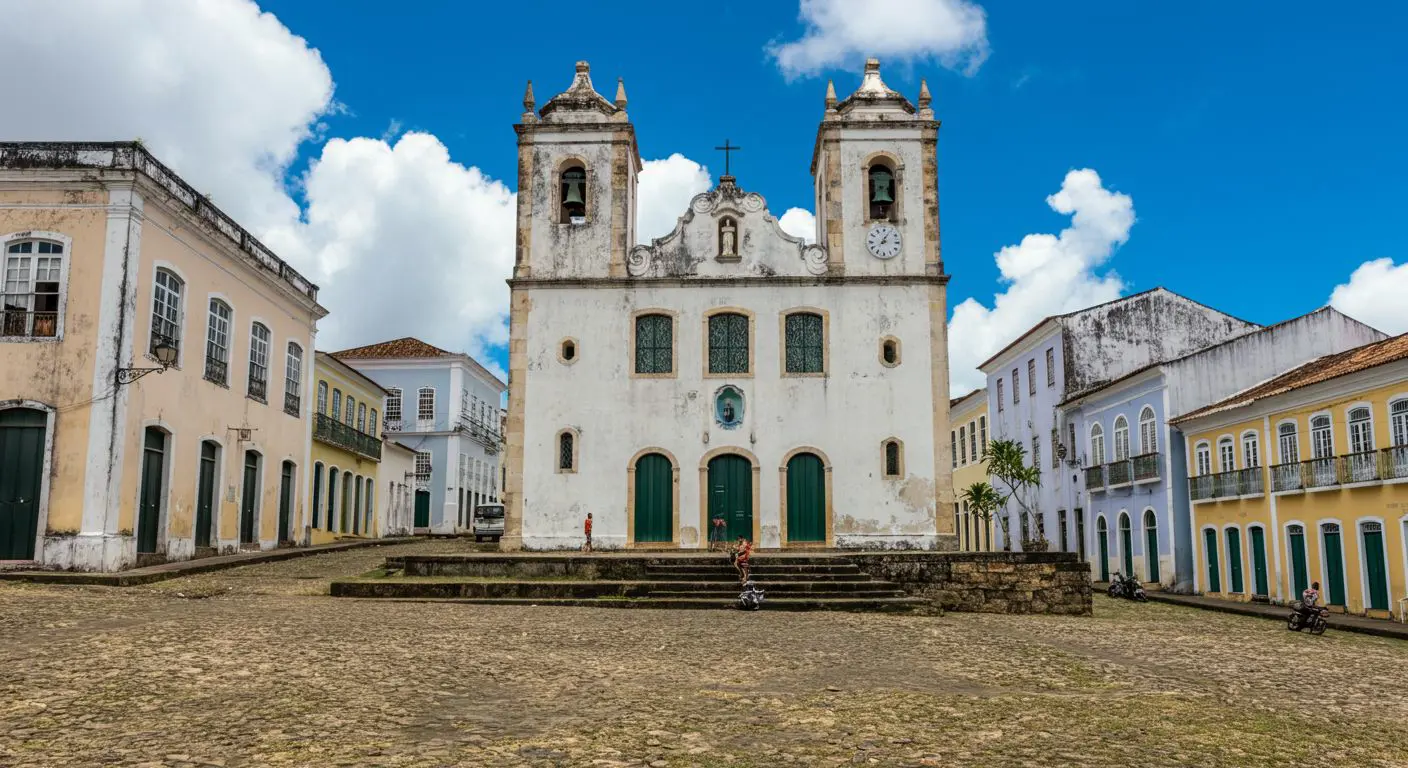
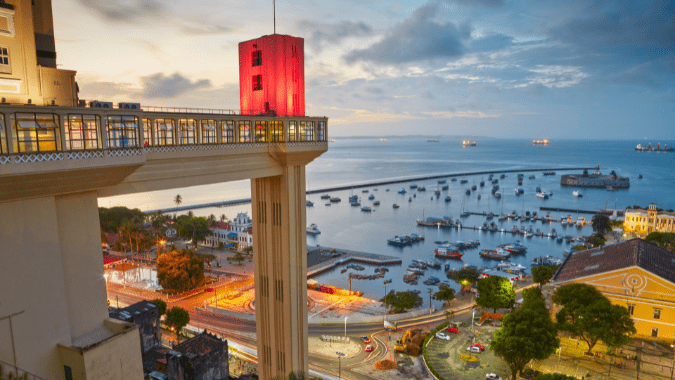
 Salvador de Bahia was the first capital of Brazil between 1549 and 1763, which explains its rich historical and cultural heritage, a true symbol of the Afro-Brazilian community. / Photo: silverjohn .
Charming architecture
Salvador de Bahia boasts a vibrant rainbow palette adorning its Baroque colonial mansions along the cobblestone streets of its historic center, represented by the Perulino district and the charming neighborhood of Santo Antônio Alem do Carmo. A UNESCO World Heritage Site , it has preserved numerous exceptional examples of Renaissance architecture . A true artistic spectacle unfolds before our eyes, a tapestry of geometry and symmetry in the facades, ornamentation, and symbolic details that contribute to the essence of this historically rich place. Even after its relatively glorious colonial past, Salvador has continued to be a city of major importance for modern architecture. The city has expanded further towards its southern tip, while retaining the essence of the Upper Town. Nevertheless, the historic center still houses two of its main tourist attractions today: the Lacerda Elevator, built in the 19th century and renovated in the early 1980s, which serves as a link between the Upper and Lower Towns; and the Plaza de la Cruz Caida (Square of the Fallen Cross), a monument erected in memory of and resistance to the demolition of the Sé Church for a tram station project in 1933. Did you know? Salvador was built according to a medieval city model, and its center is thus situated on a hill with gateways, which gave their names to several of its streets.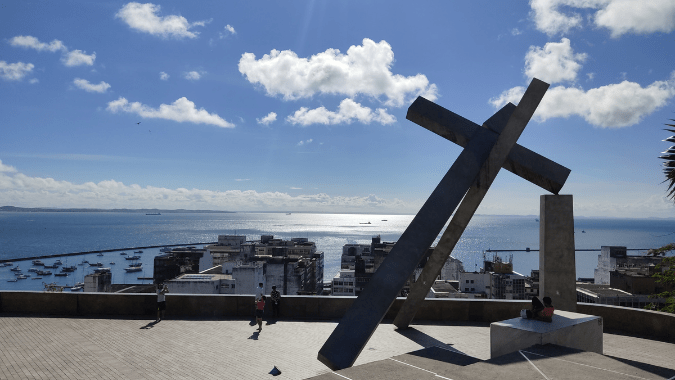
The Plaza de la Cruz Caida (Square of the Fallen Cross) is a special place where the Sé Church once stood before its demolition. The monument erected there represents a large, fallen cross, symbolizing this loss that deeply affected the people of Bahia. / Photo: Tiffany Flour
A heavy historical past
Like many colonial cities, its majestic architecture was built by the hands of the numerous slaves brought to Brazil. Salvador de Bahia played a major role in the country's infamous slave trade, and this is the shared feeling that washes over us when contemplating its architectural and historical beauty. Having been the main port and capital of Brazil for nearly two centuries, between 1549 and 1763, the historic center is adorned with buildings that are remnants of government, imperial, and religious institutions, some of which have been converted into museums, such as the Rio Branco Palace and the Museum of Mercy, among others. When visiting the historic center of Salvador de Bahia, one thing that particularly captures our attention is the overwhelming presence of religious buildings that punctuate your visit. Terreiro de Jesús Square already houses three churches: São Domingos Gusmão and São Pedro dos Clérigos , as well as the Basilica of São Salvador. Further along, you'll find the Church of the Santíssimo Sacramento do Passo, the Church and Convent of Nossa Senhora do Carmo, the iconic Nuestra Señora del Rosario de los Negros, and the grand and noble Church of Saint Francis of Assisi. Indeed, in Salvador, you won't know where to look first! Traveler's tip: a Salvador de Bahia city tour allows you to visit all the main attractions of the historic center on a brisk, guided walk, discovering these vestiges of the past and including visits to the Church of Saint Francis of Assisi and the Basilica of São Salvador.Frenzied rhythms
You can't escape it! As you stroll through the historic center of Salvador de Bahia, your steps will be punctuated by the notes and vibrations of its musicians, spreading the richness of African heritage on every corner. You'll encounter Rodas de Capoeira , a traditional Brazilian art form that blends dance, martial arts, song, and music, in the various plazas, the favorite gathering places for locals and the most symbolic for capoeiristas. Percussion groups also ignite the streets of Salvador, inviting you to pause and appreciate their incredible energy. Did you know? You'll surely notice the prominent presence of a red, yellow, and green Peace and Love symbol in souvenir shops . This is the symbol of Olodum, a Brazilian cultural group from Salvador's Black community, fighting against racism and supporting the Afro-Brazilian community.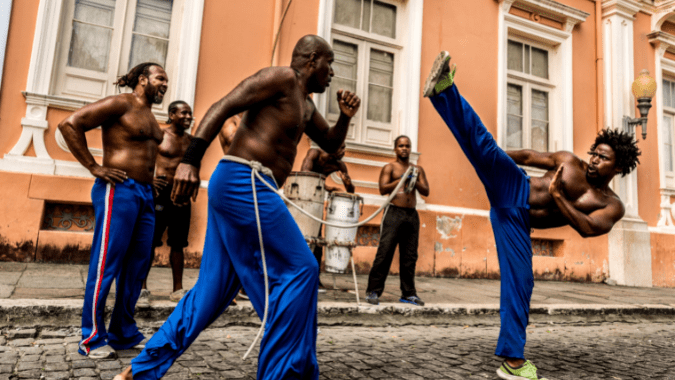
Rhythm, martial arts, and chants are at the heart of capoeira. / Photo: filipefrazao
A delicious and rich gastronomy
You absolutely must try Bahian cuisine during your stay in Salvador de Bahia! The city center is brimming with excellent restaurants, many offering stunning views of the Bay of All Saints ( Baía de Todos os Santos) . Prepare to be amazed by the exquisite taste of dendê palm oil , the exotic flavors of acarajé, vatapa, moqueca, and the delightful sweetness of tapioca and coconut sorbets , passion fruit mousse, and the famous lemon and coconut juice. A true feast for the senses!A strong traditional and cultural presence
A visit to Salvador de Bahia offers a wealth of discoveries, which is why it's recommended to hire a guide to fully appreciate its diversity. Learning about the richness of each cultural detail that makes up Bahian culture will enhance your experience and highlight the importance of this iconic city in Brazilian history and culture . You'll also encounter Bahian women in their traditional attire, contributing to the vibrant cultural life of the historic center. And you won't miss the colorful Bonfim ribbons adorning balconies, benches, and other structures throughout the city. Beloved by locals and a must-have souvenir for tourists, this ribbon symbolizes faith and tradition, believed to grant three wishes. Travel tip: If you're staying in Salvador de Bahia for several days, be sure to explore the surrounding area. Daytours4u takes you to discover the magnificent islands of Frailes and Itaparica , to encounter the exotic natural wealth of Salvador.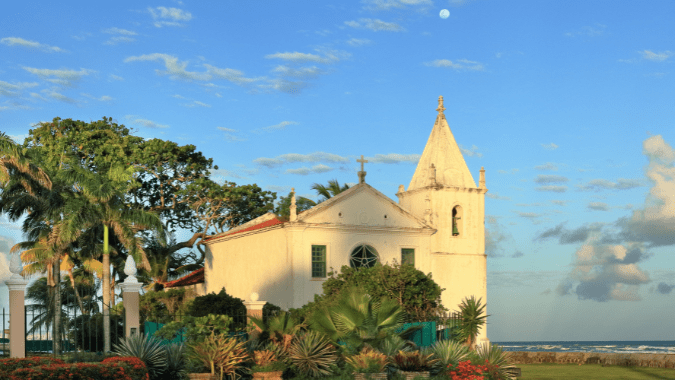
If you're looking for absolute tranquility, Itaparica Island will be your best bet / photo: Sloot
So, ready to experience this vibrant and emotional adventure? And that's just a taste! The Bahian capital has plenty more surprises in store, and you'll likely fall under its spell. Between its frenetic rhythms, exotic flavors, architectural beauty, and compelling history, Salvador de Bahia offers a truly authentic Brazilian cultural and traditional experience. So, when are you leaving?By: Tiffany , passionate communicator, seasoned marketer, enthusiastic traveler and contributor to Daytours4u
Published by Has Chacon on 04/06/2026


