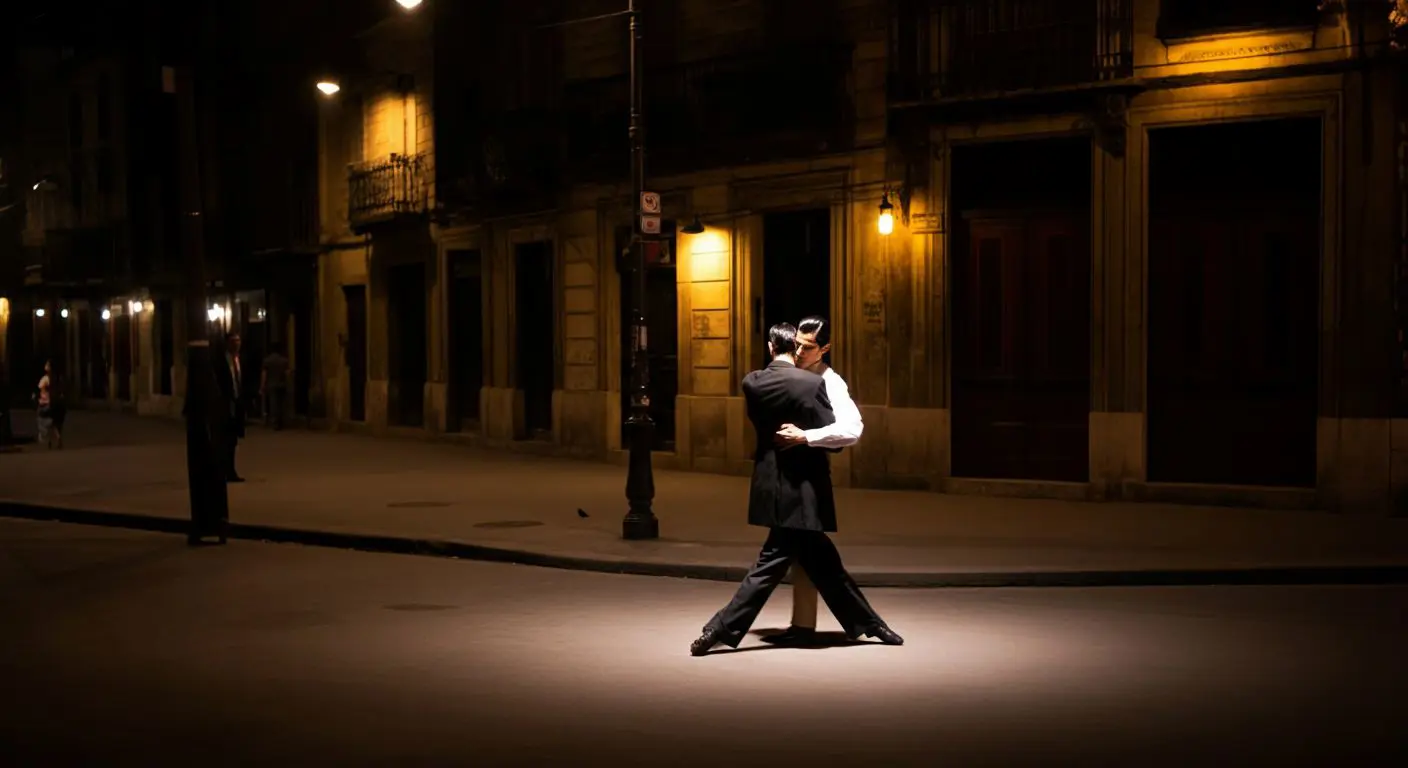
Argentine tango originated on the marshy banks of the Río de la Plata , in the suburbs of Buenos Aires (Argentina) and Montevideo (Uruguay), during the last quarter of the 19th century. The etymology of the word remains uncertain to this day, with historians proposing numerous and diverse local or African origins.
[caption id="attachment_43" align="aligncenter" width="540"]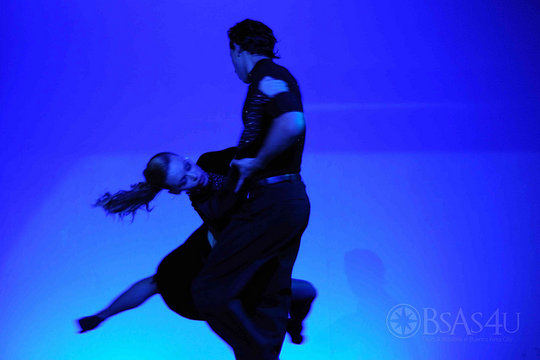 Argentine tango, Madero Tango dancers. / Source [/caption]
Argentina, independent since 1810, freed its Black slaves and unified its provinces. It established a capital, Buenos Aires, and in 1880, a federal constitution. From 1870 onward, it relied on European immigration to fuel its economic development. The port of Buenos Aires saw the arrival of several million immigrants, primarily Italians (notably Neapolitans who would later exert a significant influence on the melodies of tango singing), as well as Spaniards, French, and Jews from Eastern Europe.
They all dream of making their fortune in the New World, but many will soon lose their illusions. They crowd onto the southern outskirts of the city in immense slums called " conventillos, " where they mingle with an impoverished local population. This population is essentially composed of two communities.
[caption id="attachment_1699" align="aligncenter" width="196"]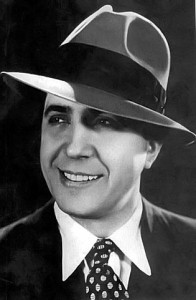 One of the main initiators of Argentine tango, Carlos Gardel. / Source [/caption]
The first group consists of former farmers and gauchos (cattle herders) who left the pampas (the Argentine countryside), descendants of indigenous populations of Amerindian origin or of former Spanish colonizers. The second group is that of Blacks, Mulattoes, and Creoles, descendants of former slaves imported in the previous century from sub-Saharan Africa to the Antilles, the Caribbean, and much of the Latin American continent.
[caption id="attachment_1697" align="aligncenter" width="640"]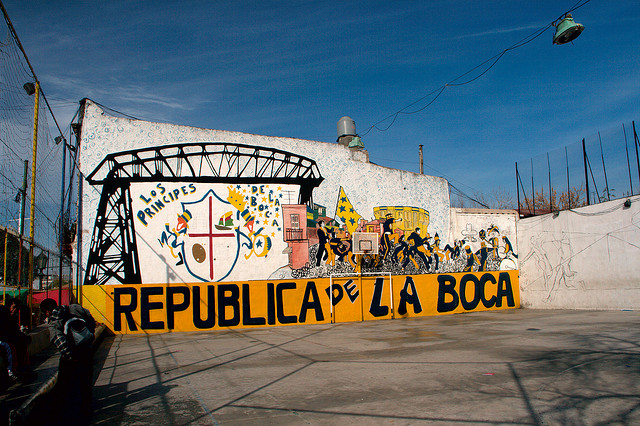 La Boca: a typical neighborhood where Argentine tango was born. / Source [/caption]
In the suburbs that are growing rapidly, on street corners or in the courtyards of the conventillos , humble little dances are spontaneously organized. With a few musical instruments – flute, guitar, sometimes mandolin, etc. – and the steps of several traditional dances from around the world (Cuban habanera , Andalusian or Gypsy tango, candombé of African origin, French contredanse, polka, Gypsy and Yiddish folklore, Italian music) which all mix together the rhythms and melodies of Europeans with those of the payadores (first itinerant tango singers) and the Blacks of the banks of the Río de la Plata.
Between 1870 and 1890, following the payada , a new, specifically Argentine, mestizo popular dance— the milonga— gave rise to Argentine tango around 1890-1900. Today, it is ubiquitous and sets the rhythm of Argentine life. Free dances take place in the streets, performed by amateurs, primarily in the San Telmo and Puerto Madero neighborhoods.
To experience an extraordinary tango dinner show, there are tango houses all over the city. Piazzola and Puerto Madero are the most famous, including one-hour lessons to learn the basic steps of Argentine tango. Visit our website at Bsas4u.com to discover excursions and activities , and don't miss a show in Buenos Aires' fabulous tango houses.
By: Fannie Marti
Published by Has Chacon on 04/06/2026


