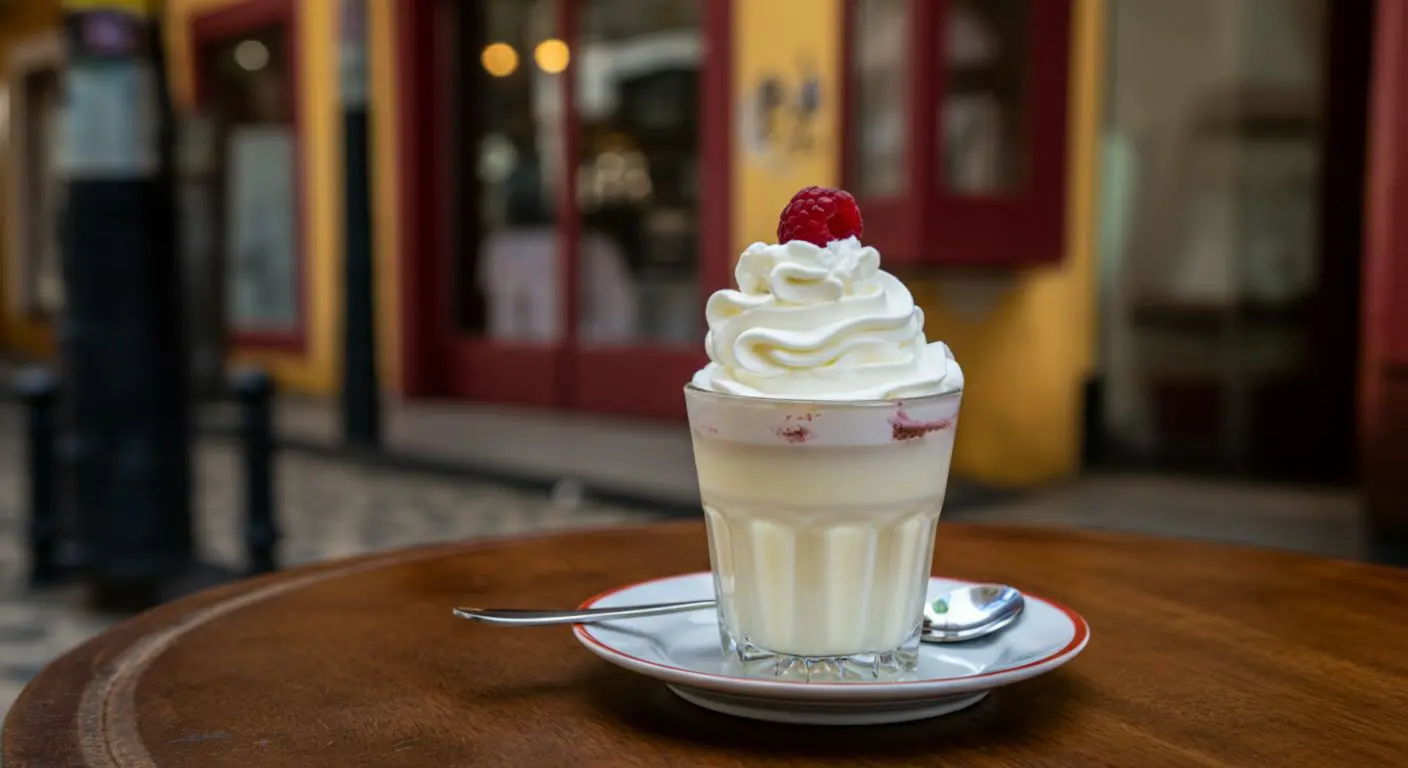
When you travel to a foreign country, it's important to learn about the culture and visit all the main sights. If you're traveling to Argentina, then you've probably already heard about the beautiful landscape , the wide variety of cultural events and tango shows in Buenos Aires , and the famous natural asado of the Pampas. However, one of the best ways to get to know a country's culture and traditions is through its food, and one of Argentina's most interesting products is dulce de leche.
Literally translated as "dulce de leche," it has the same consistency as chocolate paste and is made from milk, lots of sugar, and vanilla essence. Products with dulce de leche can be seen all over Argentina. In the Subte, the Buenos Aires subway, and on the side of buses, large billboards advertise the latest dulce de leche alfajores . Dulce de leche is so valuable that, in order to put the words "dulce de leche" on their products, they have to meet the minimum requirements established in the Argentine Food Code .
Many Latin American countries claim that dulce de leche originated in their country. However, there have been many not-so-sweet disputes between Uruguay and Argentina. In 2003, Argentina's Secretary of Culture stated that Argentine dulce de leche was a traditional product, initiating a debate with neighboring Uruguay. Uruguay argued that dulce de leche has also been a part of their culture and therefore they should have the right to own its name. The matter went to UNESCO , with Uruguay attempting to claim that the product is from the Rio de la Plata region. The issue remains unresolved.
Even the history of dulce de leche is somewhat obscured by myths and legends. The story of the origin of dulce de leche in Argentina dates back to the Buenos Aires province of Cañuelas . Two opposing forces were on the verge of ending a war. General Lavalle and General Manuel de Rosas met to make a treaty. General Lavalle fell asleep in General Rosas' camp while awaiting the arrival of the other General. While he slept, a lady was preparing lechada (boiled milk with sugar for tired soldiers). She entered, unaware of the treaty between the two men, and saw the enemy, General Lavalle. She ran out of the tent to get soldiers, but General Rosas returned and managed to prevent her from waking General Lavalle. In the chaos, the lady forgot about the lechada . When she remembered, she discovered that the lechada had turned into a dark brown jelly. It is said that a brave and hungry soldier tasted the substance, and the result was the dulce de leche that was thus born.
Dulce de leche comes in many forms in Argentina, such as a sticky paste, ice cream, and candies. The most popular product is alfajores, which consist of two round, sweet cookies joined by dulce de leche and usually covered in white or dark chocolate. However, in recent years, the delicious flavors of dulce de leche have spread further afield and have been included as a Haagen-Dazs ice cream flavor, in Starbucks coffee products flavored with dulce de leche, and in Hershey's Dulce de Leche Kisses. Currently, the largest importers of dulce de leche are Russia, Israel, the United States, and European countries.
In most Latin American countries, dulce de leche exists, but with different names due to slight variations in its ingredients or preparation. To ensure you can sample as much dulce de leche as possible even when traveling outside of Argentina, here's a list of what to look for when searching for dulce de leche outside of Argentina:
• Arequipe: Colombia and Venezuela
• Cajeta: Mexico
• Milk cake: Nicaragua
• Manjar: Chile and Ecuador
• Blancmange: Colombia; Peru; Bolivia; Costa Rica; Ecuador and Panama
• Dulce de leche: Brazil
Enjoy!
Published by Hernan Garriga Zimmermann on 03/06/2026


