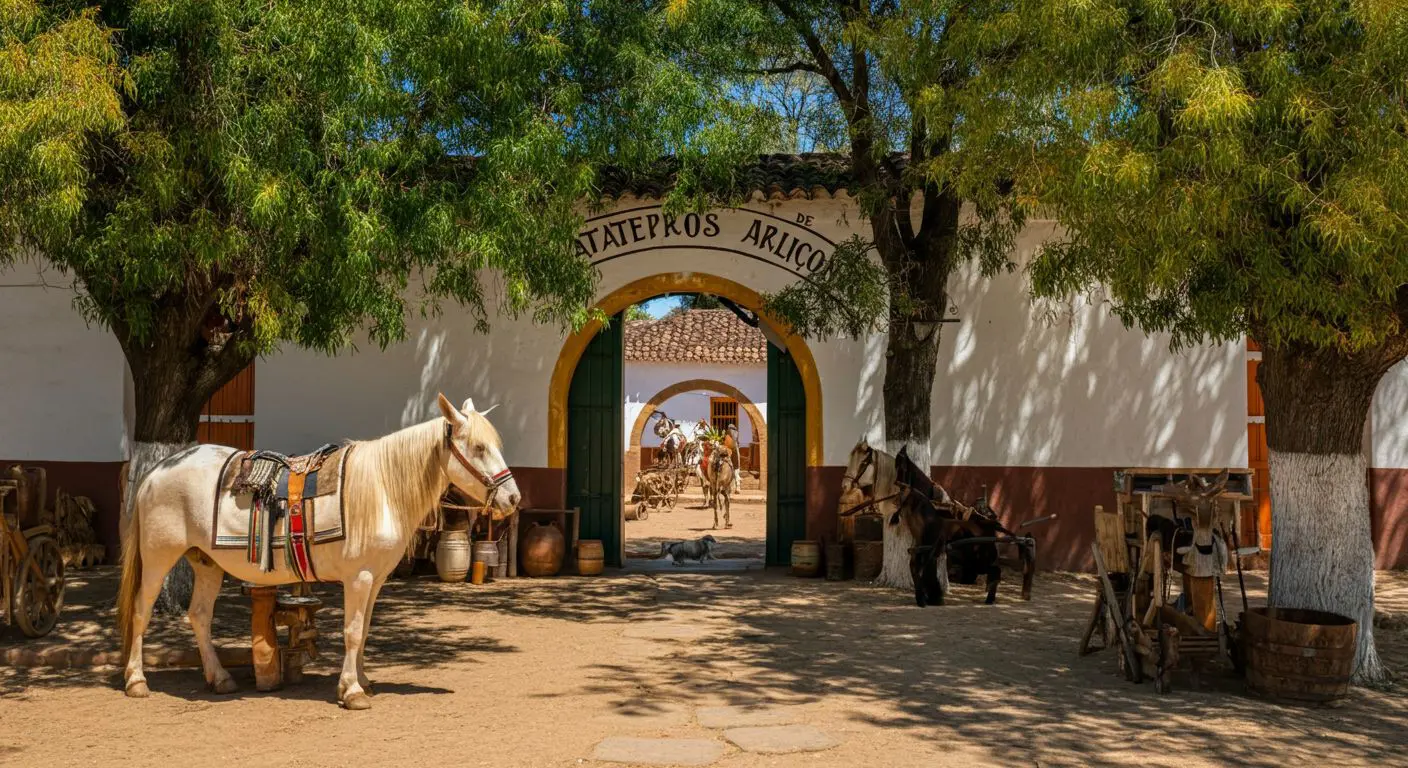
One activity that few tourists know about in Buenos Aires, but is no less recommended for that, is a visit to the Feria de Mataderos, the city's most traditional fair, which brings together Argentine culture and customs, along with the gaucho tradition .
[caption id="attachment_5071" align="aligncenter" width="468"]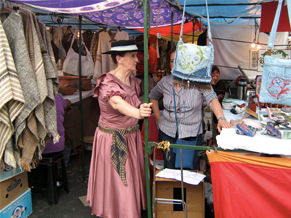 Women from Rio Grande do Sul sell traditional items / source [/caption]
A little bit of the history of the Fair and the Argentine gauchos.
Argentine gauchos are known throughout the world, especially through the poem by Argentine writer José Hernandez, " Martin Fierro " (1872), which recounts their adventures and describes their identity and culture. However, the gauchos of the pampas are not only sons of Argentina, but the blood of the gaucho tradition includes all the inhabitants of the southwestern region of the Río de la Plata, which includes the neighboring countries of Brazil, in the area of Rio Grande do Sul, and Uruguay.
Given their origins rooted in horsemanship and livestock farming, we could suggest that the gauchos are the cowboys of the south, descendants of European immigrants mixed with the indigenous people of the Pampas who dedicated themselves to activities related to the land, such as livestock farming, and were also very skilled in horsemanship, standing out for their great love of their culture and tradition, which they always strive to keep intact and alive in their daily lives.
One of the most typical symbols of the gauchos, as we already know, is the famous chimarrão (for Brazilians), mate (for Argentinians and Uruguayans), which is drunk very hot. Also, we cannot fail to mention the asado (in Brazil, our churrasco), known and adopted by all Brazilians, and which originated in the gaucho pampas. It is also important to mention the famous Carrera de Sortija (Sortija Race), an important gaucho skills competition in the regions of Argentina and Uruguay.
If you plan to visit Buenos Aires in September, one of the activities you can't miss is the gaucho gathering that takes place every year in Luján, next to the Basilica of Our Lady of Luján, patron saint of Argentine gauchos.
If you'd like a tour or activity to learn more about Gaucho culture in Buenos Aires, you can visit our website. and choose from the various options we offer.
Follow us on Twitter @bsas4u to stay up to date on all the latest activities in Buenos Aires!
Published by Hernan Garriga Zimmermann on 03/06/2026


