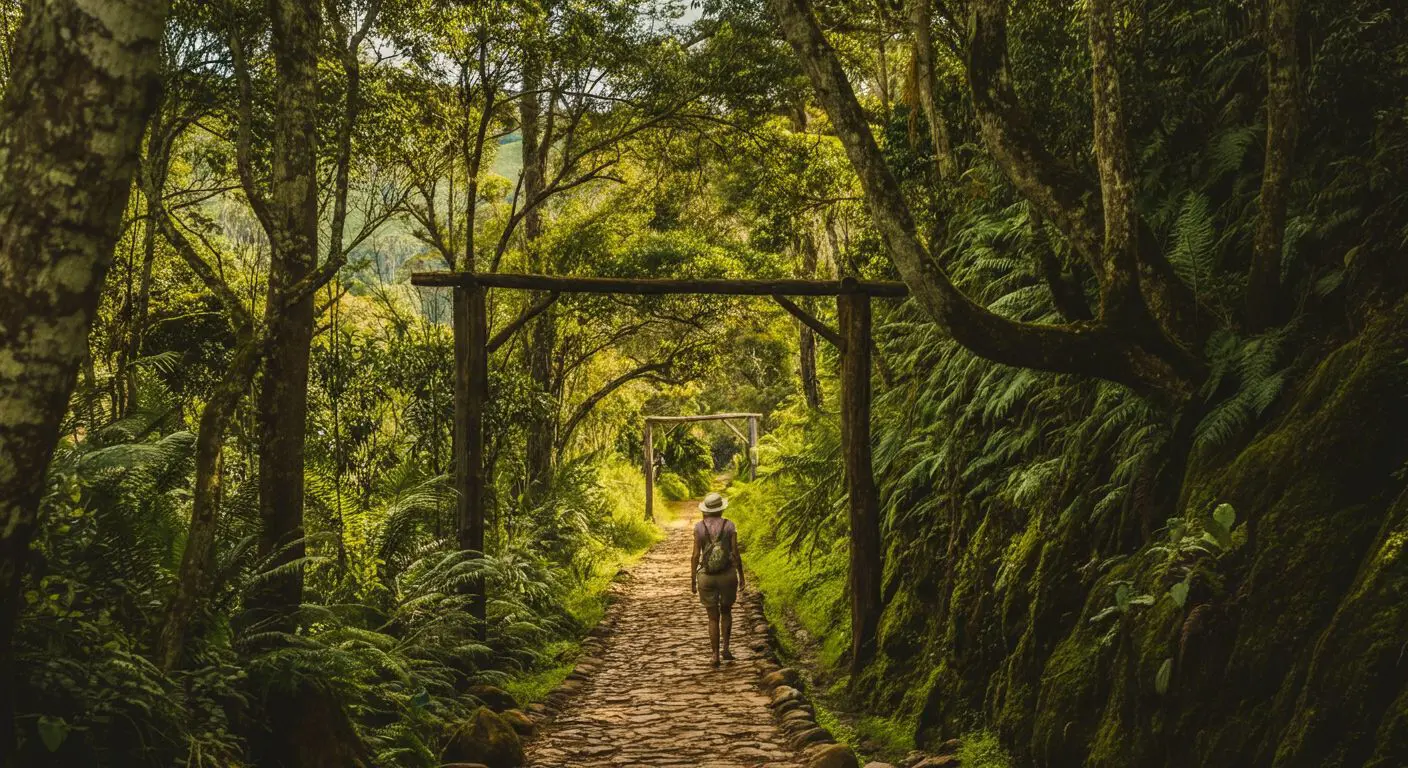

"Study nature, love nature, get close to nature. It will never disappoint you ." - Frank Lloyd Wright / Photo: Daytours4u
Today, October 18th, the world celebrates Nature Protection Day , because on this date in 1972, the former president of Argentina, Juan Domingo Perón, from his exile in Madrid, wrote a letter to the then Secretary-General of the United Nations (UN) highlighting the urgent need for policies to protect nature. More than 40 years later, in these times where our ecological footprint exceeds the planet's capacity to regenerate what is consumed, today more than ever, nature protection has become a matter of essential priority .Alarming figures
- 70% of the Earth's surface is covered by water, but 97% of seawater is not suitable for human consumption. The demand for water is growing and is projected to increase by 55% by the year 2050.
- Global temperatures increased by 1°C between 1880 and 2015. However, the increase is not the same everywhere: it is more pronounced on the continents and at the poles. The last three decades have been the warmest since 1850.
- Over the past 25 years, sea levels have risen twice as much as predicted , according to data from the U.S. National Academy of Sciences .
- According to a study by the University of British Columbia in Canada, one-third of marine species are at risk due to climate change.
- According to data from the World Bank, for every 1 degree Celsius increase in global temperature, there will be a 6% decrease in wheat crop yields worldwide and a 10% decrease in rice crop yields.
- It is estimated that 20% of global greenhouse gas emissions come from deforestation . The phenomenon of deforestation is advancing at a rate of 13 million hectares per year.

“Preservation is a cause that never ends. There is no time when we can say that our work is finished” - Rachel Carson / Photo: Daytours4u
What to do and how to help.
- Say yes to recycling: Buy reusable and biodegradable products whenever possible. Everything can be recycled! And if not, at least we can reuse it.
- Get ready to cut back! Reduce your water and electricity consumption: When you finish work, turn off your computer, unplug electronic devices, and turn off the lights. This way we save energy (and money).
- Green, always green: Plant trees and make the planet greener. In markets, the vegetables available are grown with chemicals and pesticides. Therefore, it's best to grow your own vegetables and eat organic food.

“Nature doesn’t ask us to conserve it for itself, but for our future generations” - Mohith Agadi / Photo: Daytours4u
These tips are perfect for applying to our daily lives, but what happens during our vacations? Going on a trip shouldn't be an excuse to stop caring about the environment. On the contrary, it's when we should be more alert than ever. At Daytours4u we are putting these tips into practice and the results have been super positive. Want to be a part of it? Travel tip: Enjoy the incredible Sustainable Tour in Buenos Aires , interact with its people and get to know the famous La Boca neighborhood!Tips for the Eco-traveler
- Visit protected destinations or World Heritage sites that include a tour or activities related to conservation projects. This will continue to generate revenue for these projects.
- Travel light, limit your luggage . By not having too many things in your suitcase, you can better enjoy your vacation and reduce the amount of waste at your destination.
- Before traveling, study and learn everything you can about your destination. It's important to know its natural resources, its culture, local customs, and whether there are any environmental risks.
- Hire reputable tour operators , preferably those who contribute to environmental preservation .
- Choose environmentally friendly accommodation , but don't be fooled by a hotel that proclaims itself eco-friendly . You should ask: Do you have environmental policies? Have you implemented water and energy conservation measures? Do you contribute to local conservation efforts and support local communities?
- Choose your food wisely when on vacation. Whenever possible, buy local foods that are in season.
- Never buy souvenirs made of any kind . This includes turtles, corals, and many others. Avoid bringing home plants or seeds when you return from your trip.
Nature is everywhere…
The eccentric and hectic society in which we live makes us think that nature is only virgin forests and remote places, that nature is always "far away," but no, in fact, nature is present in all aspects of our lives : the air we breathe, the food we consume, the water we drink, and even our sources of inspiration and the spaces that shelter us—everything is part of nature. As you can see, traveling is not just about visiting a destination; it's about being a guest of a culture, a landscape, an environment, and being open to knowing, respecting, and learning about it. And since good guests are always welcome, we invite you to be part of our campaign. #GuestOfHonor where every Sunday we share advice, tips, and recommendations so you can be a star visitor. You'll see how to improve the world while benefiting from traveling! Travel tip: Visit the Guarani Community in Iguazu and enjoy this great experience with this Guarani indigenous tribe in the middle of the forest!
“Nature is not a place to visit. It is our home.” - Gary Sherman Snyder / Photo: Daytours4u
Don't forget to explore the best natural attractions in South America that preserve the biodiversity of the continent and the world with Daytours4u and experience the best destinations that nature has to offer!By: Nathaly Bosch, Venezuelan, social communicator by profession and curious traveler by choice. Web Content Editor for Daytours4u.
Published by Hernan Garriga Zimmermann on 03/06/2026


