After the 2014 FIFA World Cup, tourists returned home with a positive impression of Brazil's infrastructure for sporting events. Therefore, with the arrival of the 2016 Olympic and Paralympic Games , a significant increase in the number of foreigners and visitors from across the country will be expected in Rio de Janeiro . The Marvelous City offers countless iconic sights, and fans and athletes alike will encounter a variety of attractions that make Rio such a special place. In this guide, you can discover what to do around the Maracanã Stadium while enjoying the city during the Rio 2016 Olympics.
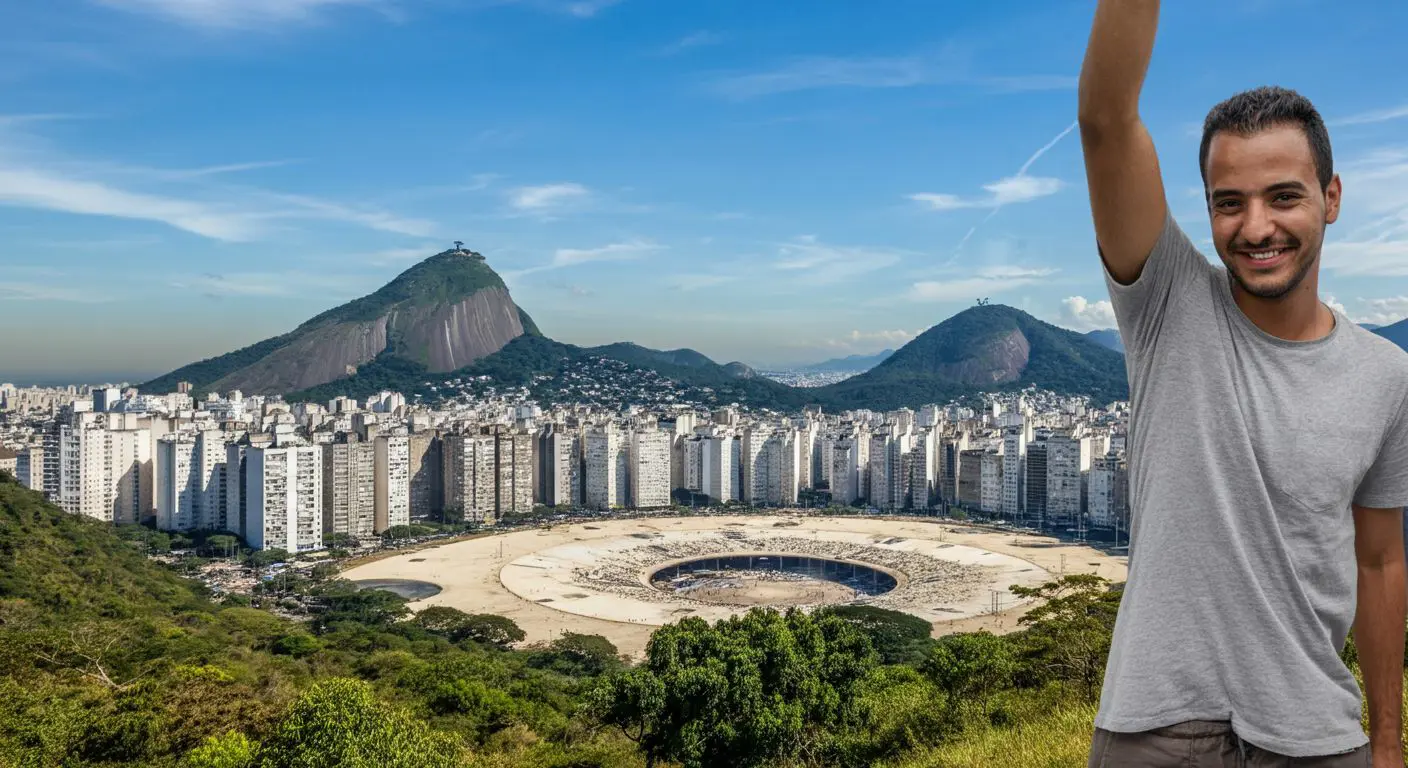
[caption id="attachment_442" align="aligncenter" width="640"] The Maracanã Stadium will be the venue chosen for the opening ceremony of the Rio 2016 Olympics. / Source [/caption]
The Maracanã
Located in the North Zone of Rio, very close to the city center , this sector of Maracanã contains three very important points for the Olympic Games: the Maracanã Stadium, the Olympic Stadium and the Sambadrome.
- Maracanã: The football stadium will host the opening and closing ceremonies of the Games and some of the Olympic football matches. Within the Maracanã Sports Complex are the Julio Lamare Aquatic Center—which will host water polo competitors—and the Maracanãzinho—where the Olympic volleyball competition will take place.
- Olympic Stadium: With a capacity to receive 60,000 seated people, the João Havelange Olympic Stadium will receive major urban interventions to facilitate access and be the venue for the Olympic and Paralympic Athletics competitions during the Rio 2016 Games.
- Sambadrome: traditionally known as the main stage of the Rio Carnival, this building will host the Olympic Marathon and Archery tournaments of the Olympic and Paralympic Games.
Attractions near Maracana
Cinelandia
The name of this part of the city dates back to the 1930s, due to the area's abundance of cinemas and theaters, the most important in the city at that time. These cinemas and theaters no longer exist, but the name Cinelandia has persisted, perhaps because of the grandeur and charm of the imposing buildings that showcase some of history's major architectural styles: Neoclassical, Art Nouveau, Eclectic, and Art Deco. The Municipal Theater , the National Museum of Fine Arts , the Federal Justice Cultural Center , and the National Library of Brazil are some of the landmarks that adorn and enrich this immense square located at the end of Avenida Rio Branco. It allows us to travel back in time to learn a bit about the history of Rio de Janeiro and its immeasurable architectural beauty.
[caption id="attachment_443" align="aligncenter" width="640"]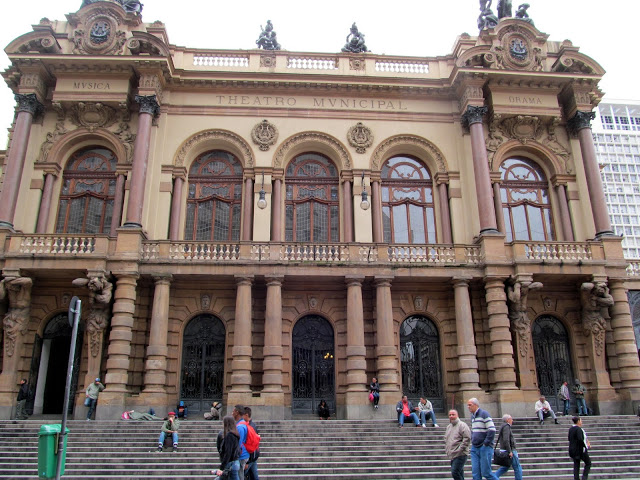 The Municipal Theater is just one of the cultural centers that beautify Cinelandia. / Credit: Daytours4u[/caption]
San Cristóbal Fair
It's a northeastern paradise right in the heart of Rio de Janeiro. For those unfamiliar with this region of Brazil, brimming with culture and history, theSão Cristóvão Fair is the perfect introduction. Comprising approximately 700 stalls selling traditional food and handicrafts, it offers a non-stop program throughout the weekend featuring forró bands , folk dances, popular singers and poets, the witty repentistas (improvisational poets) or troubadours, and chapbooks . Admission is free on weekdays; on weekends, there's a symbolic entrance fee of 3 reais.
Limpet
Rio de Janeiro's bohemian side comes alive in Lapa. Carioca's vibrant nightlife attracts hundreds of visitors from around the world to its streets, which are lined with bars , nightclubs , and restaurants of every kind and for every taste. The setting is perfect for enjoying a caipirinha caprichada . This area is also known for its historic architecture and one of the city's most famous landmarks: the Lapa Arches . Another highlight in Lapa is the Selarón Steps , designed by Chilean artist Jorge Selarón and featuring beautiful tiles brought from various parts of the world.
[caption id="attachment_444" align="aligncenter" width="640"]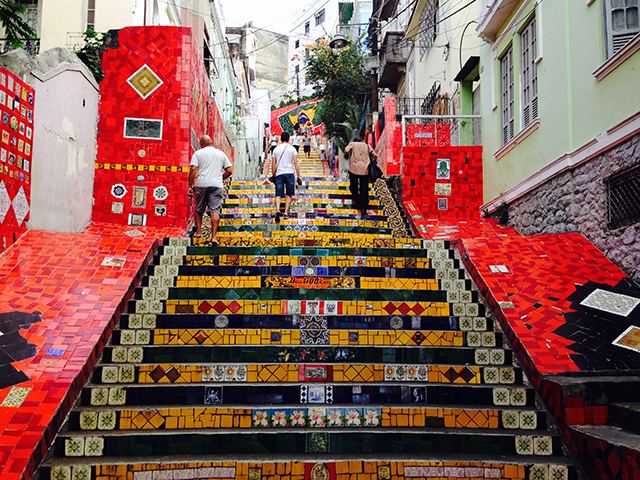 The Selarón Steps are a must-see for anyone visiting the Lapa neighborhood. / Credit: Daytours4u
Sambadrome
Carnival is practically synonymous with Rio de Janeiro, and the now-traditional Samba School Parade venue is a must-see in the Maracanã area. Built by renowned Brazilian architect Oscar Niemeyer, the Samba stadium comes alive from the very first Carnival rehearsals with numerous special effects, dazzling lighting, and a massive grandstand to accommodate thousands of spectators. During the off- season, the Sambadrome hosts smaller cultural events and houses the Samba Museum , which tells the story of this genuinely Brazilian musical genre and showcases some of the most spectacular past parades.
To learn more about all the must-see places from Cinelandia to Lapa, take a tour of Rio de Janeiro's Historic Center .
By Luiza Cavalcante / Adapted into Spanish by David Luna Durán
Published by Has Chacon on 03/06/2026


