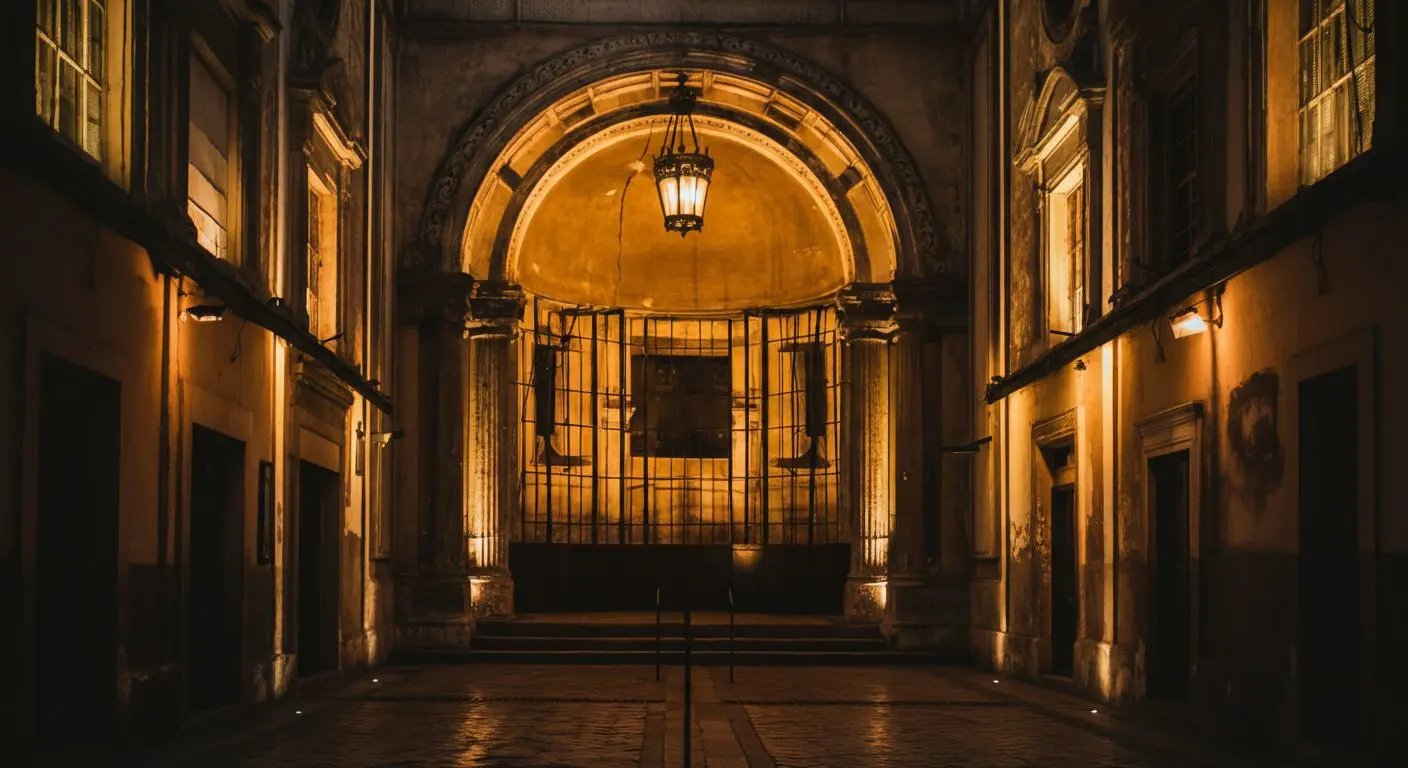
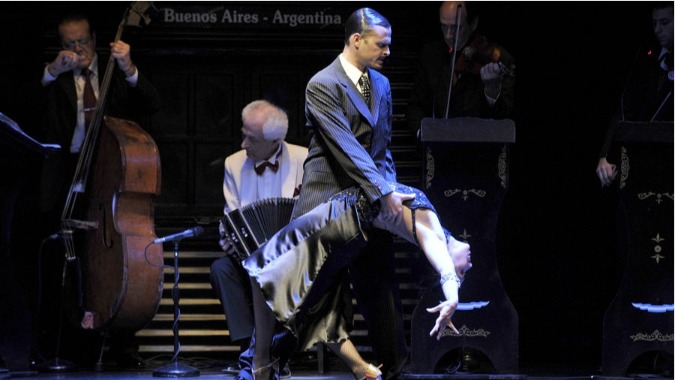
 Tango is the most well-known musical rhythm in Argentina.
National rock
In the mid-1950s, American rock began to permeate the minds of young Argentine musicians. Some bands started by playing covers of international artists, but in the 1960s, "national rock" was born, with its own lyrics and style, which had a huge influence on the rest of Latin American youth. Since then, dozens of groups and names like Luis Alberto Spinetta , Charly García, Fito Páez, Pedro Aznar, Patricio Rey y sus Redonditos de Ricota, and Gustavo Cerati with Soda Stereo , one of the most important bands in Argentina and Latin America, have emerged. Rock runs through the veins of Argentina, the only country in the region to have developed a national rock culture, which strengthened considerably in the 1980s. So take advantage of your trip and prepare your senses to enjoy this musical rhythm. In Buenos Aires, there are dozens of bars that pay homage to national rock, among them stand out Rodney Bar (Rodney 400 and Jorge Newbery, Chacarita neighborhood), Mitos Argentinos (Humberto Primo 489, San Telmo neighborhood), El Emergente (has two locations: Acuña Figueroa 1030, in Almagro, and Gallo 333, in Abasto), Makena Cantina Club (Fitz Roy 1519, Palermo) and Niceto Club (has two locations: Niceto Vega 5510 and Humboldt 1358, in Palermo).Argentine Tango
It's impossible to talk about tango without thinking of Argentina. There's no way to resist the sound of the bandoneon and the spectacle of this dance characterized by its seductive movements. Tango emerged from a multitude of musical rhythms that arrived on the Río de la Plata and fused with the sounds of the indigenous peoples. There's a touch of Spain, Italy, the Middle East, and Africa, making it the best demonstration of the importance of immigration to Argentina. It was born in the 19th century and became the preferred dance of working-class neighborhoods in Buenos Aires and Montevideo. Declared an Intangible Cultural Heritage of Humanity by UNESCO, it's one of the cultural activities in Argentina that no traveler should miss. There are open-air tango shows in tourist areas of Buenos Aires, such as Florida Street and Dorrego Square in San Telmo . Tango shows in the city's famous and traditional tango halls offer an unparalleled experience, with options for all tastes and budgets. Book your tango show in Buenos Aires online.Cumbia
This is the rhythm that's always present in the nightclubs of Argentina, especially in Buenos Aires . While there are venues that exclusively play rock or electronic music, these are the exception. Every trendy club has its Argentine cumbia moment, and the fervor it generates is undeniable. Although it was heavily influenced by Colombian cumbia —the country where this Caribbean musical rhythm originated—Argentine cumbia has significant differences in melody, instruments, dance style, and even lyrics. Cumbia was already being heard in the 1970s, but at the end of the 20th century, during the height of the South American economic crisis, the famous cumbia villera emerged, a subgenre of this musical rhythm performed by musicians from the poorest sectors of Buenos Aires society. The content of their songs addressed the violence and precariousness experienced in the slums of Buenos Aires from the late 1990s until approximately 2010. Today, cumbia is listened to and danced in all sectors of society, and its lyrics have also diversified. [caption id="attachment_3694" align="aligncenter" width="675"]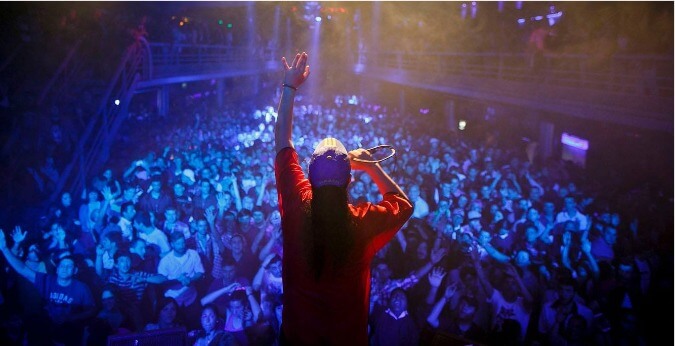 The trendiest nightclubs in Buenos Aires have their Argentine cumbia moment[/caption]
Folklore
The main musical rhythms of Argentine folklore originated in the countryside and were introduced to the big cities during the 1930s and 40s. By 1950, it had become the most popular musical genre for Argentinians, along with tango. Among the most important rhythms are the chacarera , the payada, the milonga campera, the malambo, the murga porteña, the chamamé , and the zamba. The City of Buenos Aires is home to numerous cultural spaces where all these rhythms are danced, and every Saturday and Sunday there are dance performances at fairs and parks. The San Telmo and Mataderos fairs offer a very authentic gaucho show on Sundays, and those who prefer something more lively can take a Buenos Aires Milonga Tour and enjoy a show by professional dancers. Travel tip : Ranches located around Buenos Aires also have a space dedicated to Argentine folklore, making them an excellent option for a day trip and discovering the highlights of Argentine culture. Contact our team of experts at Daytours4u and request a customized folklore tour . [caption id="attachment_3695" align="aligncenter" width="675"]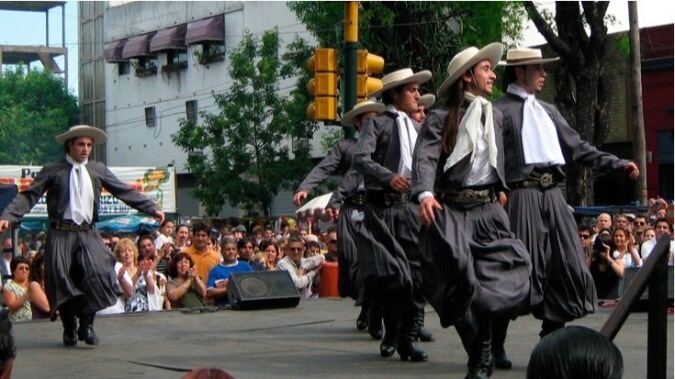 The Mataderos and San Telmo Fairs offer a gaucho spectacle[/caption] Argentine music is inexhaustible, and in addition to the rhythms that form part of its cultural essence, the country boasts a truly extensive and varied offering of concerts and festivals . Classical music lovers shouldn't miss the performances at the Teatro Colón , both those held in its auditoriums and those organized outdoors in the plaza in front of the theater. Jazz fans should mark their calendars for the week of November 14-19, 2018 , when the Buenos Aires International Jazz Festival will take place. Throughout the year, you can also enjoy live shows at jazz clubs such as Notorious (Av. Callao 966, near the Microcentro), Virasoro (Guatemala 4328, Palermo), or Thelonious (Nicaragua 5549, Palermo). Another highlight is the Emerging City Festival , taking place this year from September 19th to 23rd, 2018 , where music, film, art, fashion, comedy, poetry, dance, and street art will bring the Recoleta Cultural Center to life. Plan your festivals and experience the best travel adventures in Buenos Aires and every province of Argentina .
By: Daytours4u Web Content Team
Published by Has Chacon on 03/06/2026


