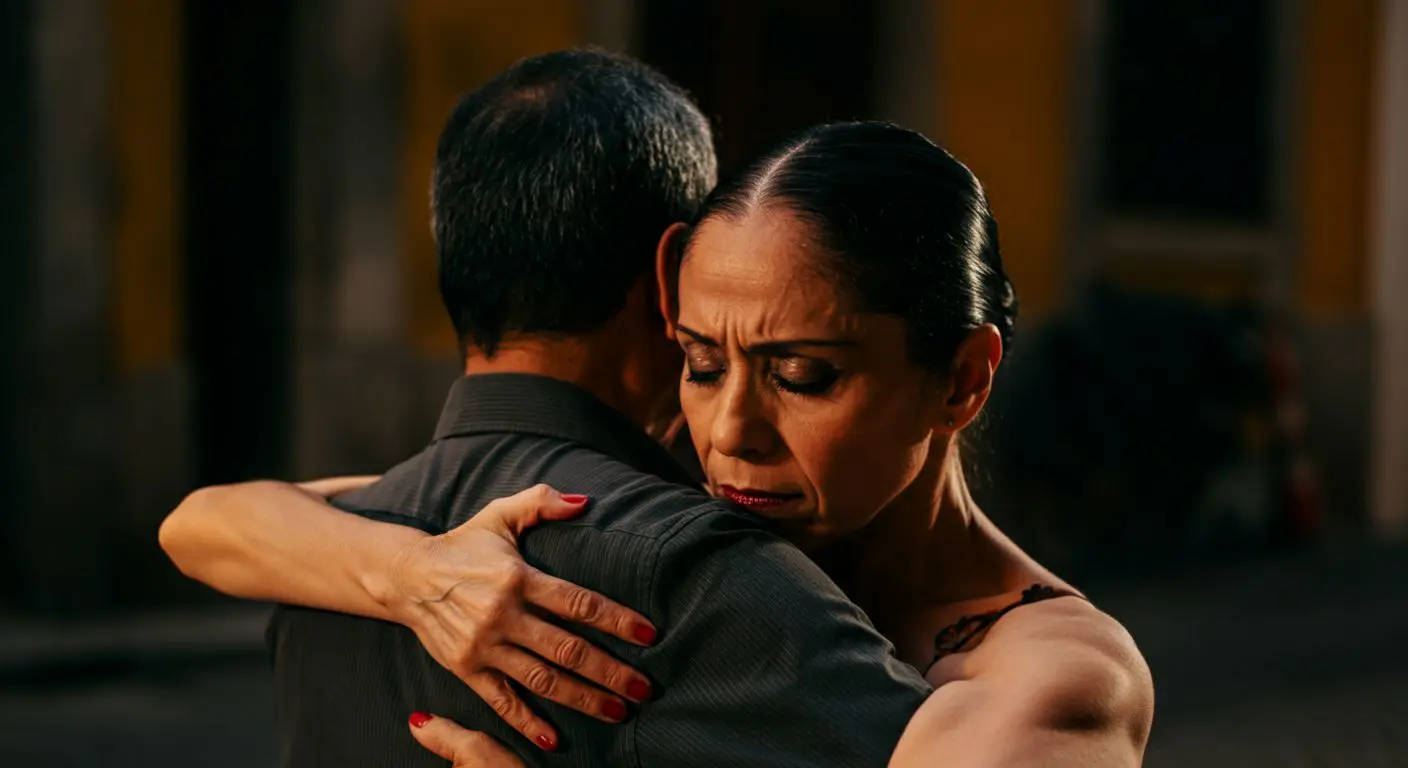
This month, while on vacation in Brazil, I saw that the actor Paulo José, who has lived with Parkinson's disease for over 20 years, is now playing a character with the same illness in fiction, in the soap opera "Em Família". If he were in Argentina, the character "Benjamin" could complement his physiotherapy with tango!
[caption id="attachment_2523" align="aligncenter" width="496"]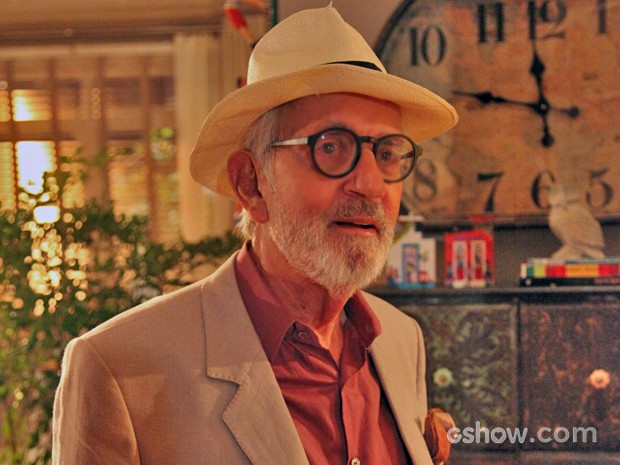 Paulo José during the filming of the soap opera / Source
Dance is already offered by several institutions as an adjunct to therapy for patients with Parkinson's disease and other illnesses , such as depression, schizophrenia, and Alzheimer's, to name a few. As a teacher, I had two opportunities to verify its benefits in patients. For a year, I was an assistant in a tango workshop for Parkinson's patients at the Hospital de Clínicas in Buenos Aires. And I also participated in the 2013 "Crazy for Tango" Festival , held at the largest psychiatric hospital in Buenos Aires, Borda, which since 2000 has encouraged patients to dance to the rhythm of the bandoneon.
[caption id="attachment_2524" align="aligncenter" width="576"]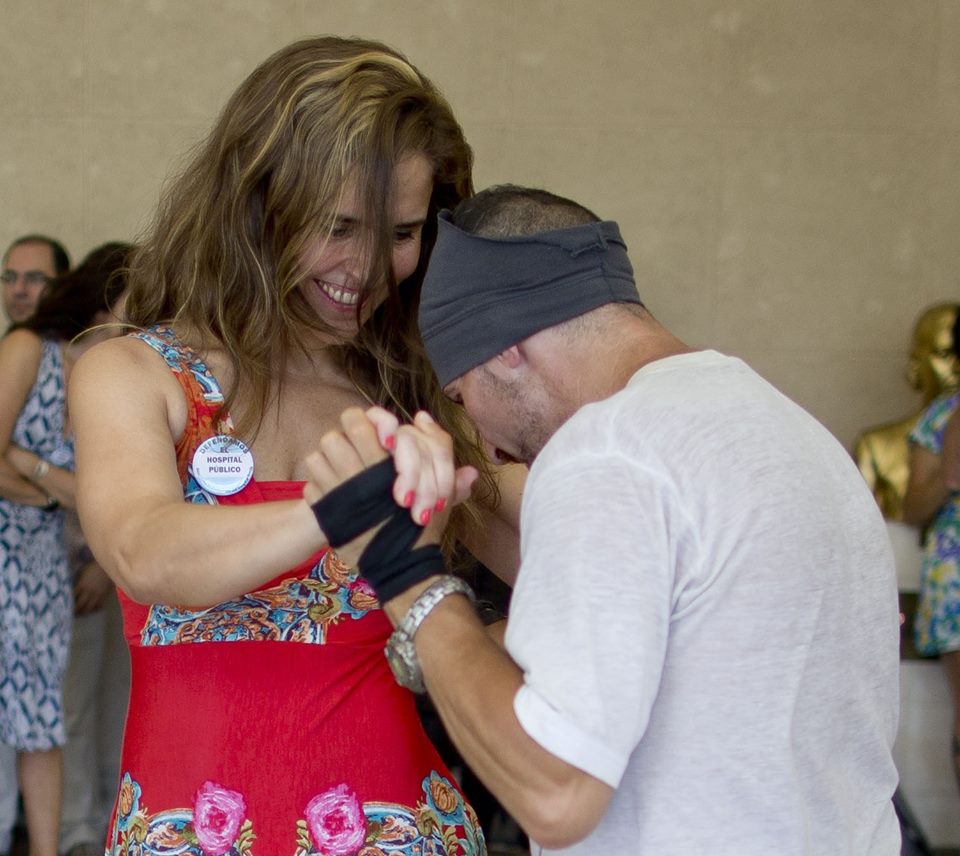 Professor Laura Segade, who coordinates the Tango do Borda group / Source [/caption]
Benefits
Doctors say that tango improves balance and spatial awareness , as well as reducing hypertension and anxiety , for example. But for me, it goes beyond that; it has to do with motivation and self-esteem. Patients with Parkinson's tend to become depressed, withdraw, and often also experience voice problems, which causes them to withdraw even more. Paulo José himself has said this in interviews: "You become withdrawn, you're afraid of many people." Tango is an activity that involves exposure, surrender, and has an important social and playful aspect to this process. It requires improvisation, which allows for the free expression of feelings and emotions. And also embracing, an act that generates the release of neurotransmitters and hormones that favor different functions at the physiological and cerebral levels. In addition, of course, there's the intimacy and communication with the partner.
[caption id="attachment_2525" align="aligncenter" width="275"] Hugs / Gisele Teixeira
Scientific Papers
Universities around the world have been concerned with scientifically proving what we see in practice. At least two institutions are advanced in research. One of them is the University of Washington School of Medicine in the United States, which has already proven that dancing tango frequently improves balance more than other types of physical activity . The study was published in 2007. Another study, from 2012, is from the Montreal School of Occupational Therapy, Canada (link available in full). There are also ongoing investigations in places as far away as Japan and Finland, according to the International Tango Therapy Association.
Pioneers
In Buenos Aires, the Favaloro Foundation was one of the first to investigate the topic, in 1999, but with coronary patients and others who had suffered strokes. The results were compiled in the book " Con el corazón en el tango " (With the Heart in the Tango), by cardiologist Roberto Peidro. The Fundación Amar Tango Danza has been developing excellent work with students with different abilities since 2004 and has created an impeccable ballet troupe of young people with Down syndrome (they can be seen in the documentary Mundo Alas). But there are several similar initiatives in Argentina. That science confirms it is excellent. But those who dance know: the most powerful and effective medicine in the world is a hug .
[caption id="attachment_2526" align="aligncenter" width="448"]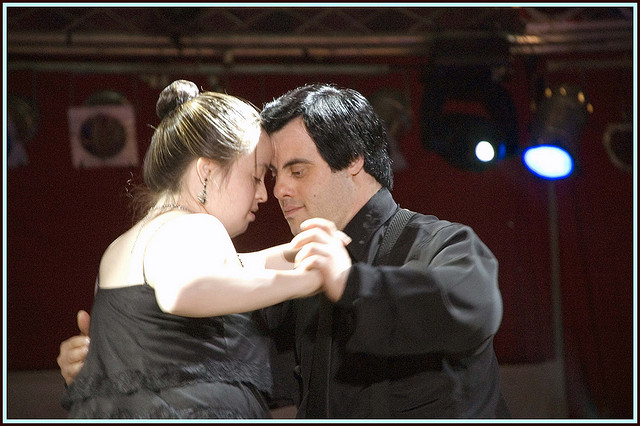 World Wings / source [/caption]
Author: Gisele Teixeira. Brazilian, journalist graduated from the Federal University of Santa Maria and a "citizen of the world" as she describes herself. Author of the blog Aqui me Quedo, she has lived in Buenos Aires for five years and is finishing her studies at the Centro Educativo del Tango de Buenos Aires. Passionate about tango, Gisele is our guest blogger who will share a little more about tango, its techniques, rules and other secrets every two weeks! To read more of Gisele's writing, visit Aqui me Quedo.
Published by Hernan Garriga Zimmermann on 03/06/2026


