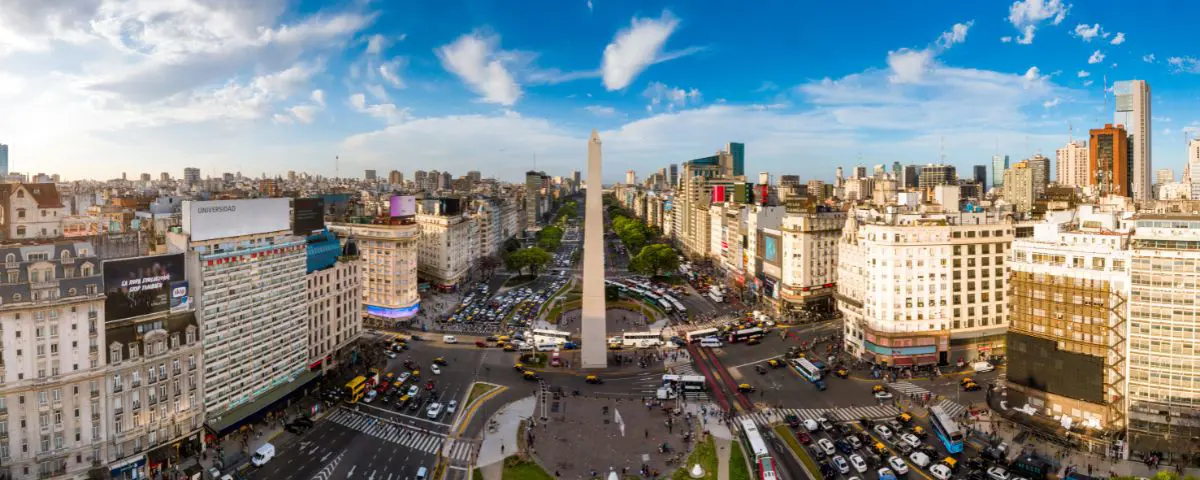
To travel to Buenos Aires successfully in 2026, you need to know that: The city has a temperate, humid climate. The SUBE card (physical or NFC digital) is used for public transportation. You can pay with foreign credit cards at the "MEP Dollar" rate. Learn more, save time and money.
Quick checklist before boarding the plane
Documentation: Original passport, visa according to your country of origin or valid identity document (Mercosur).
Currency: Physical Dollars or Euros (from new series, without marks or damage) for emergencies.
Payments: Foreign bank credit card enabled to apply the MEP Dollar.
Connectivity: Digital international eSIM profile configured and ready to activate.
Electricity: Type I plugs (angled prongs) with a voltage of 220v.
Mobility: Popular apps, private transfers and SUBE card for public transport.
1. Plan your trip to Buenos Aires: Weather, connectivity and when to go
What is the best time to visit Buenos Aires?
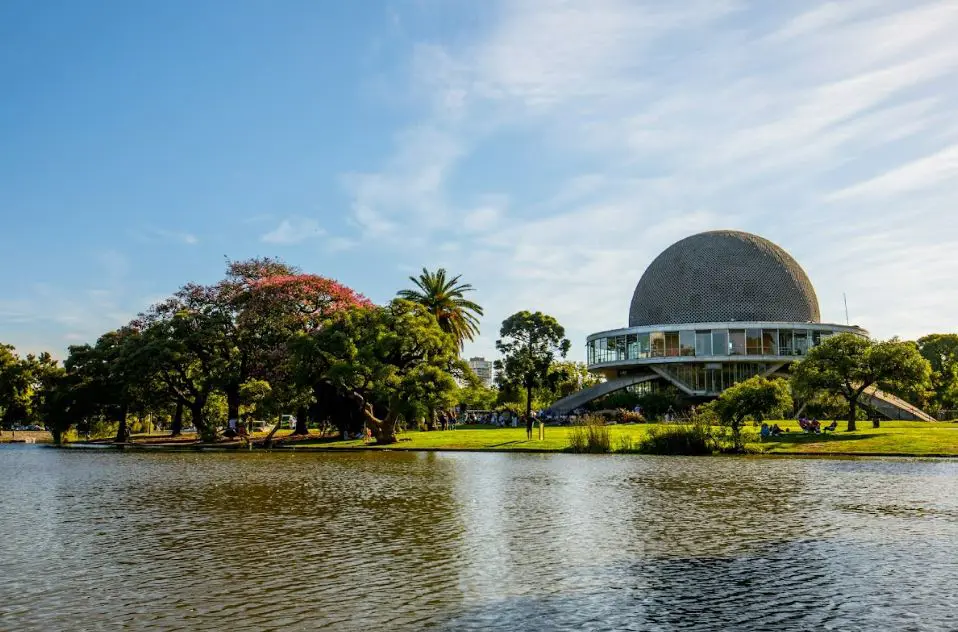
The best time to visit Buenos Aires is during the spring (September to November) and autumn (March to May). During these months, the weather is mild and the jacaranda trees paint the city purple.
If you're planning a trip to Buenos Aires in winter or summer , keep in mind that summers in the city are extremely hot and humid, with temperatures exceeding 35°C. Winters are cool (averaging 10°C), ideal for enjoying the food, theater, and tango shows.
Admission requirements and mandatory documentation
Entry requirements for Argentina include a valid passport for most nationalities. Citizens of Mercosur member countries can enter with their National Identity Document (DNI). Be sure to check if your country of origin requires a consular visa or payment of fees before boarding.
Internet and connectivity in Argentina
To ensure efficient internet access for tourists in Argentina , avoid buying physical SIM cards at airports. Besides the long lines and exorbitant prices, Argentina requires you to register your phone line with a local ID.
The ideal option is to purchase and configure the best eSIM for Argentina digitally before boarding the plane. This way, you'll have high-speed data active as soon as the plane lands in Buenos Aires.
Plugs and voltage: Which adapter do you need?
Regarding electrical outlets in Argentina for tourists , the national standard is Type I (three flat, angled prongs with a ground connection). Residential voltage is 220V at 50Hz. Although some modern hotels have universal outlets, don't forget a power adapter just in case.
2. Money in Buenos Aires: Cards, cash, and the exchange rate reality
Local currency vs. Dollars and Euros: What should you bring?
When considering which currency to bring to Buenos Aires , the US dollar is by far more widely used, accepted, and traded than the euro. Argentina has a deeply rooted bimonetary culture, heavily reliant on the dollar.
Can you use dollars in Argentina? Yes, in tourist shops, hotels, and high-end restaurants. However, you'll be given Argentine pesos at a higher exchange rate.
Credit cards and the "MEP Dollar": Exchange Rate
Today, tourists entering Argentina do not need to carry cash. When paying with a credit card issued by a foreign bank in Argentina , the charge is processed automatically. The MEP scheme applies to foreign tourists , for both Visa and MasterCard.
It's a secure, transparent system, identical to the informal market (blue dollar). It eliminates the need for constant visits to exchange bureaus.
Where can I exchange money safely?
The best way to exchange money in Buenos Aires legally and safely is to go to official exchange bureaus or commercial banks. Don't forget to bring your original passport. Avoid informal money changers on Florida Street and the risk of receiving counterfeit bills.
Now, if you plan to use your foreign card (Visa, Mastercard, etc.) to withdraw cash at local ATMs (Banelco or Link), keep the following in mind:
Low limits: Local ATMs limit international withdrawals to the equivalent of between USD 50 and USD 100 per transaction.
High costs: Although you can make several withdrawals in a row to get cash, each transaction charges a high fixed fee, in addition to paying your bank's fee.
What are the best alternatives? To avoid losing money on bank fees and dealing with ATM limits, the ideal options for travelers in Buenos Aires are:
Paying by card or mobile phone: When using foreign cards in stores, the "MEP Dollar for tourists" is automatically applied. This is a legal exchange rate, very favorable and similar to the free market rate.
Money transfers (Western Union): You can send money to yourself from the app. Withdraw cash in pesos at any of their Buenos Aires branches, at a good exchange rate and with no ATM limits.
Tipping and customs: How does "tipping" work in Argentina?
To understand how tipping works in Argentina , you should know that it's not included in the final restaurant bill. The custom is to leave 10% of the total bill if you were satisfied with the service. Waiters appreciate and prefer tips in cash and in the local currency (Argentine pesos).
3. How to get around Buenos Aires
The SUBE card: Your key for the bus and the subway
To learn how to get around using public transport in Buenos Aires , the golden rule is that you need the SUBE card. This card is the only form of payment accepted on the subway, trains, and buses.
You can purchase it at official SUBE Service Centers or at airport terminals.
Traveler's tip: If your phone has NFC, download the official SUBE Digital app. Register a card, add credit, and validate your fare by tapping your phone on the bus reader or the subway turnstile.
Mobility apps in Buenos Aires: Which one to choose?
To get around the city beyond public transport, Buenos Aires has a very extensive ecosystem of ride-hailing platforms. Here are the most popular apps in the capital:
Cabify: The preferred choice for locals because of its vehicles and stable, regulated fares.
Uber: It has the largest number of available drivers, ensuring fast trips.
Didi: A very competitive alternative that often offers discount coupons.
BA Taxi: Official app of the City of Buenos Aires government. It allows you to order a regulated classic taxi and pay securely with a credit or debit card.
Airport transfers (Ezeiza or Aeroparque)
To get from Ezeiza Airport to the city center when traveling to Argentina, you can take public buses or taxis from the terminal. Avoid scams with unlicensed drivers. Book an airport transfer service in advance to ensure your arrival at your hotel.
4. Buenos Aires Neighborhoods: Palermo or Recoleta?
Palermo: Design, good food and nightlife
If you're wondering what to do in Palermo, Buenos Aires , this neighborhood is divided into areas like Palermo Soho and Palermo Hollywood. It's the epicenter of fashion trends, gourmet cuisine, and urban art. It boasts one of the most vibrant scenes of specialty coffee and nightlife in the Argentine capital.
Recoleta: Elegance, museums and architecture
On the other hand, among the highlights of Recoleta are the historic Recoleta Cemetery, the Church of Pilar, and the National Museum of Fine Arts. Its streets are notable for their 19th-century architectural facades. To make the most of your stay, book a guided city tour of Buenos Aires on your first day in the city.
San Telmo, La Boca and Puerto Madero: History, contrast and modernity
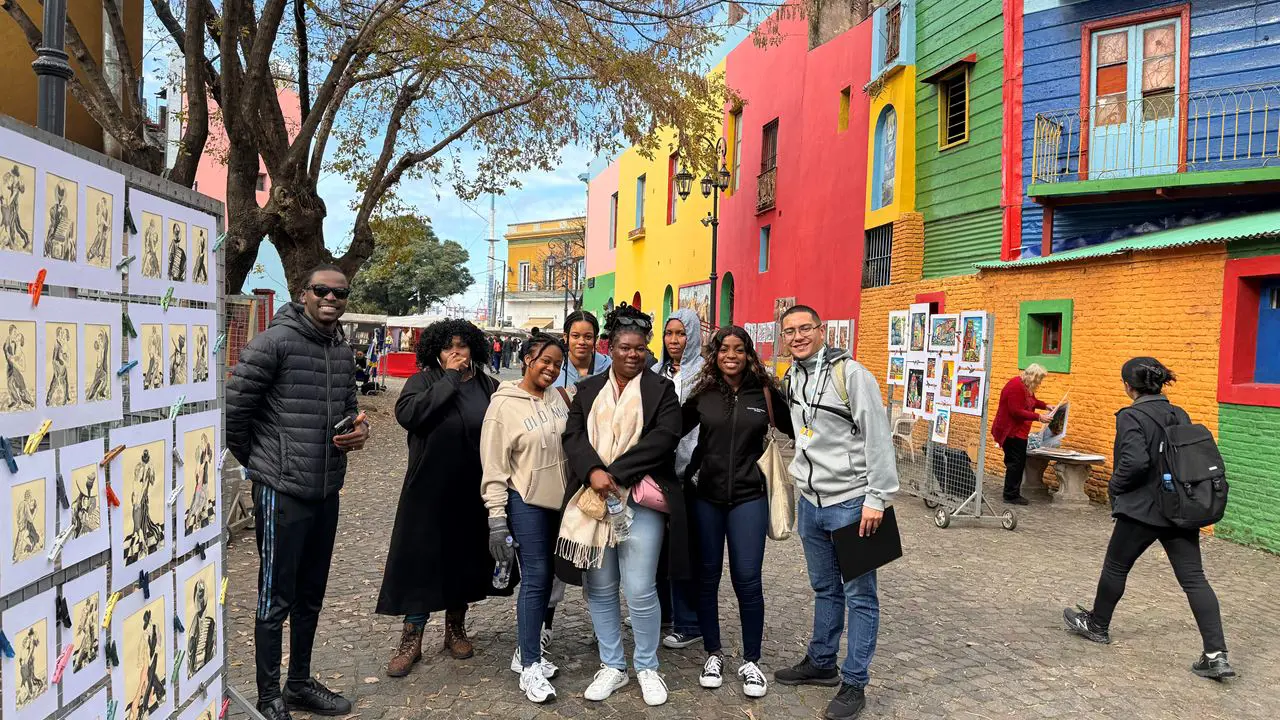
To complete your list of the best neighborhoods to visit in Buenos Aires , a tour of San Telmo and La Boca is a must. San Telmo is known for its cobblestone streets and antique shops. La Boca dazzles with the vibrant colors of Caminito. Puerto Madero represents the modern, gastronomic side of the city, with views overlooking its historic docks.
5. Buenos Aires Delights: What to Eat and Drink
The barbecue and the must-try cuts of meat
To discover where to eat the best asado in Buenos Aires , the options range from traditional neighborhood steakhouses to award-winning restaurants like Don Julio . When checking out the cuts of Argentine beef , be sure to order the Bife de Chorizo, the Entraña, or the Ojo de Bife.
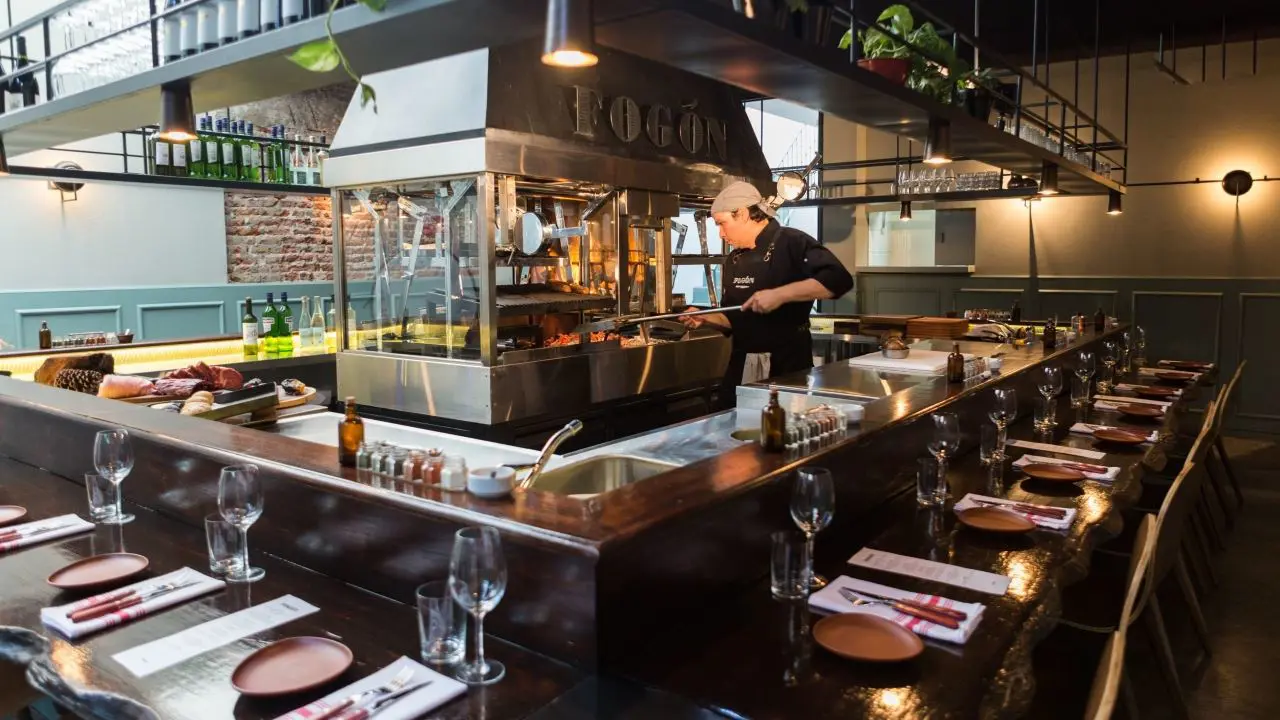
Enjoy a Fogón Asado Buenos Aires: Argentine Barbecue Gastronomic Experience during your visit to the capital city.
Empanadas, milanesas, pan pizza and snacks
Explore the best empanadas in Buenos Aires (hand-cut beef, fried or baked). Try the iconic deep-dish pizzas on Corrientes Avenue, known for their thick, fluffy crust overflowing with mozzarella cheese.
People in Buenos Aires have their afternoon snack between 5:30 and 7:00 PM. Coffee with milk, croissants or pastries, and alfajores are staples. Don't be surprised to see people drinking mate anywhere in the city.
Learn about empanadas, alfajores and mate with The Argentine Experience tour in Buenos Aires .
6. Culture, Tango and Football Passion
Neighborhood Milongas vs. Tango Shows
Tango is experienced in two distinct ways in the capital. On the one hand, there are the popular milongas , social clubs where locals gather at night to dance spontaneously. On the other hand, there are the Tango Shows.
Enjoy a sophisticated evening with live orchestras, dancers, and fine cuisine. Discover the best tango shows in Buenos Aires and secure your spot with transfers and dinner included.
Football in Buenos Aires: How to visit La Bombonera and El Monumental
Knowing how to get to a Boca Juniors match is one of the biggest challenges for a foreigner. It's important to clarify that: there are no general admission tickets for non-members. Buying tickets from street vendors or unofficial platforms is a guaranteed and dangerous scam.
To experience the passion of football, the best solution is to purchase your football tickets in Buenos Aires here. Don't miss matches featuring River Plate, Racing Club, San Lorenzo, and other national teams. We guarantee official tickets, round-trip group transfers, and local guides.
If you're looking for another football experience, check out the La Bombonera and Monumental Tour – Buenos Aires Stadiums .
7. Safety, advice and health
Is Buenos Aires safe for tourists?
Buenos Aires is one of the most cosmopolitan and safest capital cities in South America. However, keep the following in mind:
Cell phones in public: Avoid walking while distracted with your cell phone in your hand on main avenues. Criminals on motorcycles ("motochorros") take advantage of these lapses in attention.
Busy areas: Be careful with your backpacks and purses when walking along main streets such as Florida, Lavalle, Corrientes and the famous San Telmo fair.
Healthcare for foreigners
The public health system in Argentina provides emergency care if needed. However, it is mandatory to purchase international travel insurance with minimum coverage.
8. Unmissable getaways from Buenos Aires
For travelers with limited time in the country, the Iguazu Falls Day Trip from Buenos Aires with flights is a great option. Discover one of the natural wonders of the world in a single day!
A day tour in Colonia del Sacramento with wine tasting and lunch is ideal for visiting a little piece of Uruguay.
Live a Gaucho Experience in Buenos Aires: Day at Estancia Santa Susana , enjoy the folklore, local food and Argentine tradition.
Travel to Buenos Aires prepared and enjoy every corner with complete peace of mind. Plan your vacation smartly, ensure you have unmissable activities, and get ready for an unforgettable experience in the Argentine capital.
By: Hasbleidy Julieth Chacón, Web Content Creator for Daytours4u.com
Published by Daytours4u.com on 18/08/2026


