
The most important thing to know before traveling to Bariloche is that logistics can be complex. To enjoy your trip stress-free, the key is to book your hotel months in advance. Prioritize booking excursions and transfers, avoiding long waits for public transportation and the dangers of driving on icy roads.
Key Information for Your Trip
Documents: Valid ID for Mercosur countries; Passport and Visa (if applicable) for the rest of the world.
Minimum stay: At least 4 days are needed to cover the main attractions of the region.
Transportation: Buses with the SUBE card, private transfers, transfers with excursions.
Critical logistics: Bustillo Avenue suffers traffic jams in high season; coordinating transfers with pick-up saves hours of waiting.
Currency: Foreign cards are accepted, but cash in Argentine pesos guarantees better discounts at local businesses.
1 Plan your vacation: What is the best time to travel to Bariloche?
Determining the best time to travel to Bariloche depends on the type of scenery you're looking for. The city transforms completely between seasons, offering two entirely different destinations in the same place. The Patagonian climate is changeable, with precipitation in the colder months and dry but windy summers.
Bariloche in summer: Beaches, weather and trekking
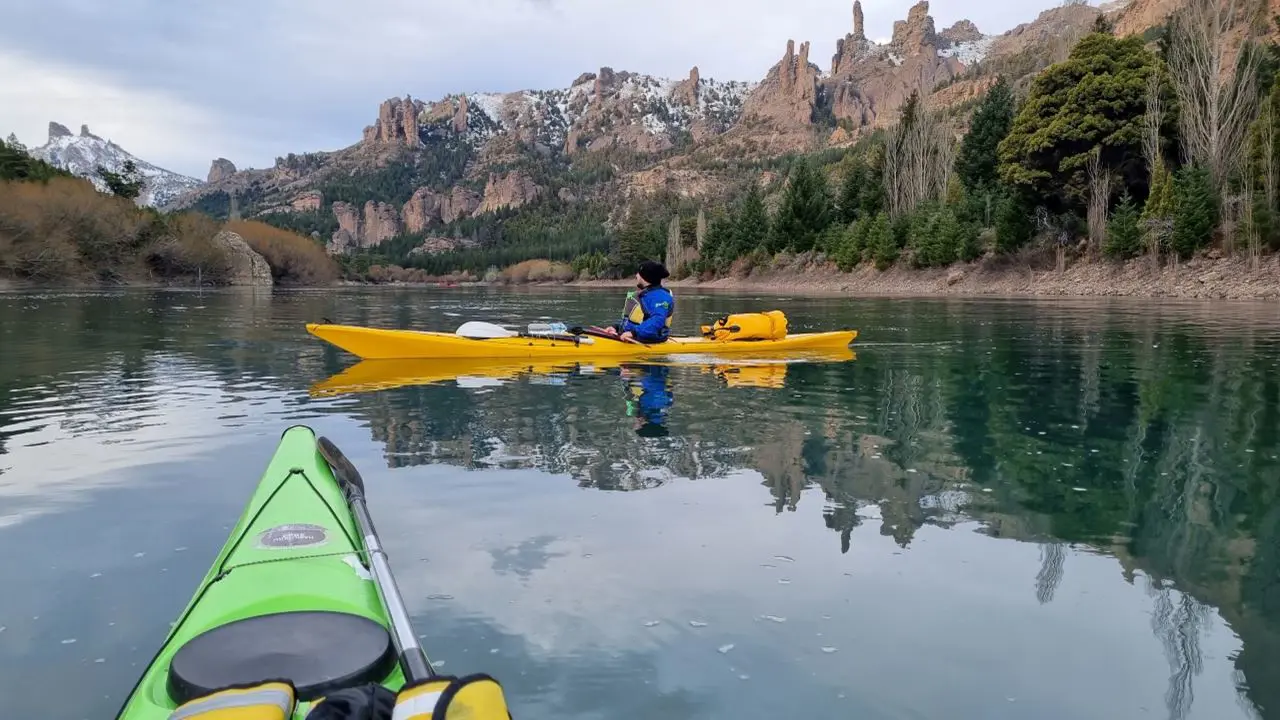
If you're looking for things to do in Bariloche in the summer , the options focus on active tourism. Between December and March, the weather is mild and dry, with temperatures reaching 28°C, ideal for enjoying lakeside beaches like Playa Bonita or Bahía Serena.
It's the perfect season for trekking to mountain refuges (Frey or López) and kayaking. Plus, the days are long and it gets dark around 10:00 PM.
What to pack: During the day you'll wear t-shirts and shorts, but it's a big mistake not to pack warm clothing. As the sun sets or when you go up to the viewpoints, the wind makes it feel much colder. Always keep a windbreaker and a warm sweater handy.
Snow season: What clothes to pack for Bariloche in winter
For those traveling between late June and September, winter offers pristine white landscapes and winter sports. Average temperatures hover around 2°C (36°F) and frosts are a daily occurrence. Knowing what clothes to pack for Bariloche in winter is essential for enjoying the snow. Follow the three-layer rule:
First layer: Thermal clothing (leggings and t-shirt) close to the body to retain heat.
Second layer: Thermal insulation, ideally a fleece or microfleece jumpsuit.
Third layer: Waterproof and windproof snow jacket and pants.
Don't forget footwear with grippy soles or waterproof boots; walking downtown in melted snow requires absolute insulation.
Requirements for traveling to Bariloche and necessary documents
The requirements for traveling to Bariloche vary depending on your nationality. For Argentine travelers and residents of Mercosur countries, a valid physical ID is sufficient. International tourists require a valid passport or visa.
No specific vaccinations or airport entry fees are required. If you plan to rent a vehicle, you must carry a valid international driving permit and a credit card for the security deposit.
How many days are needed to fully visit Bariloche?
The answer for a complete vacation is a minimum of 4 to 5 days. This allows time to explore downtown Bariloche and the Circuito Chico (Small Circuit). Another day is dedicated to the high mountains, lake excursions, and includes a day to reserve for weather contingencies, which are very common in Patagonia.
2 Budget and Expenses: How much does it cost to travel to Bariloche and how to save money?
Prices for food and excursions in Bariloche vary depending on the time of year (July and January are the most expensive months). The secret to staying within your budget isn't to deprive yourself of activities, but to plan your logistics well.
Cash vs. Card: What to bring to Patagonia?
Regarding payments, credit and debit cards are widely accepted in San Carlos de Bariloche. However, for foreign tourists, having cash (Argentine pesos) is highly advantageous.
Many local shops, restaurants, and famous chocolate shops offer discounts of 10% to 15% for cash payments. Combine both methods: use your card for larger, fixed expenses and cash for everyday purchases.
Nahuel Huapi National Park Fees
You should know that most of the region's natural attractions and icons belong to Nahuel Huapi National Park or Los Arrayanes National Park.
Entry to these protected areas requires a mandatory access fee payable in Argentine pesos. Fees vary for local residents, nationals, retirees, and international tourists.
Important note: National Park entrance fees are not included in the tours. These fees are payable upon entry to the reserve, either in person or online. See the official National Parks website for rates.
Expert tips: How to save money on your trip?
Renting a car means paying for the vehicle, fuel, insurance, and dealing with overcrowded parking lots (like at Cerro Catedral). Taking local buses results in long lines in the cold weather and wasted vacation time. Booking tour packages with included transfers ends up being the most cost-effective option per person, saving time and guaranteeing your spot.
3. Logistics and Transportation: How to get around in Bariloche?
The road network in Bariloche is structured around Bustillo Avenue and Pioneros Avenue. Your choice of transportation will define the pace of your vacation.
How to get there: From Bariloche Airport to the hotel
Teniente Luis Candelaria International Airport (BRC) is located about 14 km from the city center. Upon arrival, the lines for last-minute taxis or private hire cars are usually very long and prices vary.
The most efficient way to start your trip is with a Bariloche Airport Transfer . They will be waiting for you with a sign in the arrivals area and will take you directly to your hotel lobby.
Getting around in Bariloche: Buses, taxis and excursions
To explore the city and its attractions, you have three main options depending on your budget and travel style:
Urban buses (economy): These travel along main thoroughfares such as Avenida Bustillo to Llao Llao (Line 20) or Cerro Catedral (Line 55). They are the cheapest option, but require a SUBE card and are often overcrowded during peak season.
Taxis and private hire vehicles (flexible): These offer complete freedom to travel from one place to another whenever you want. However, fares for long tourist journeys are very high and delays are common during peak season.
Guided tours with transfer (ideal): This is the most comfortable and recommended option. They pick you up directly at your hotel in modern, air-conditioned vehicles, saving you from dealing with traffic and parking.
Tips for driving on ice and snow in Patagonia
If you choose to rent a vehicle, safety in Bariloche and road safety tips are the first things to review. During the winter, the presence of "black ice" (invisible layers of ice on the asphalt) is common on the roads. It is mandatory to carry snow chains in the trunk of your car and know how to install them. Also, if you plan to ski, keep in mind that the Cerro Catedral parking lot fills up completely by 8:30 AM, resulting in long lines.
4. The Patagonia Catalog: What excursions to do in Bariloche?
Spring - Summer: Sailing, Lakes and Forests
During the milder months (October to April), activities focus on water, the history of the region, and mountain trails:
Victoria Island and Arrayanes Forest : A must-do boat trip departing from Puerto Pañuelo. Ideal for families and people of all ages (with accessible walkways). Discover unique, centuries-old trees and picture-perfect lakeside landscapes.
San Martín de los Andes via Seven Lakes : A scenic land tour connecting turquoise and green lakes. This excursion is suitable for everyone and ideal for those seeking breathtaking scenery without physical exertion.
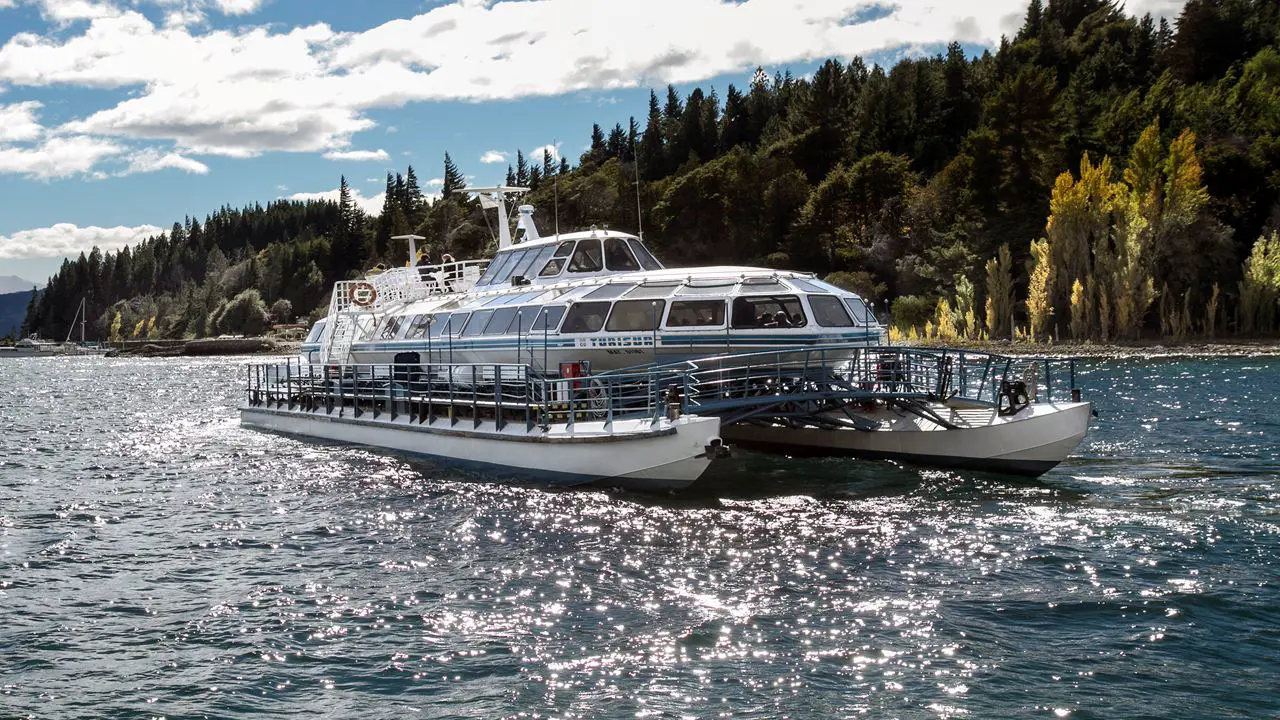
Puerto Blest and Cascada de los Cántaros : A catamaran trip to the most jungle-like area of the National Park, sailing up the Blest Arm. The ascent to the waterfall is via wooden stairs surrounded by Valdivian vegetation.
Bariloche Circuito Chico Excursion : A tour that takes you to explore the area surrounding the city, including Lake Nahuel Huapi, Cerro Campanario, and the landscapes of the Andes Mountains.
Autumn - Winter: Snow, Skiing and High Mountain
Between June and September, the city turns white and the catalog transforms for snow lovers:
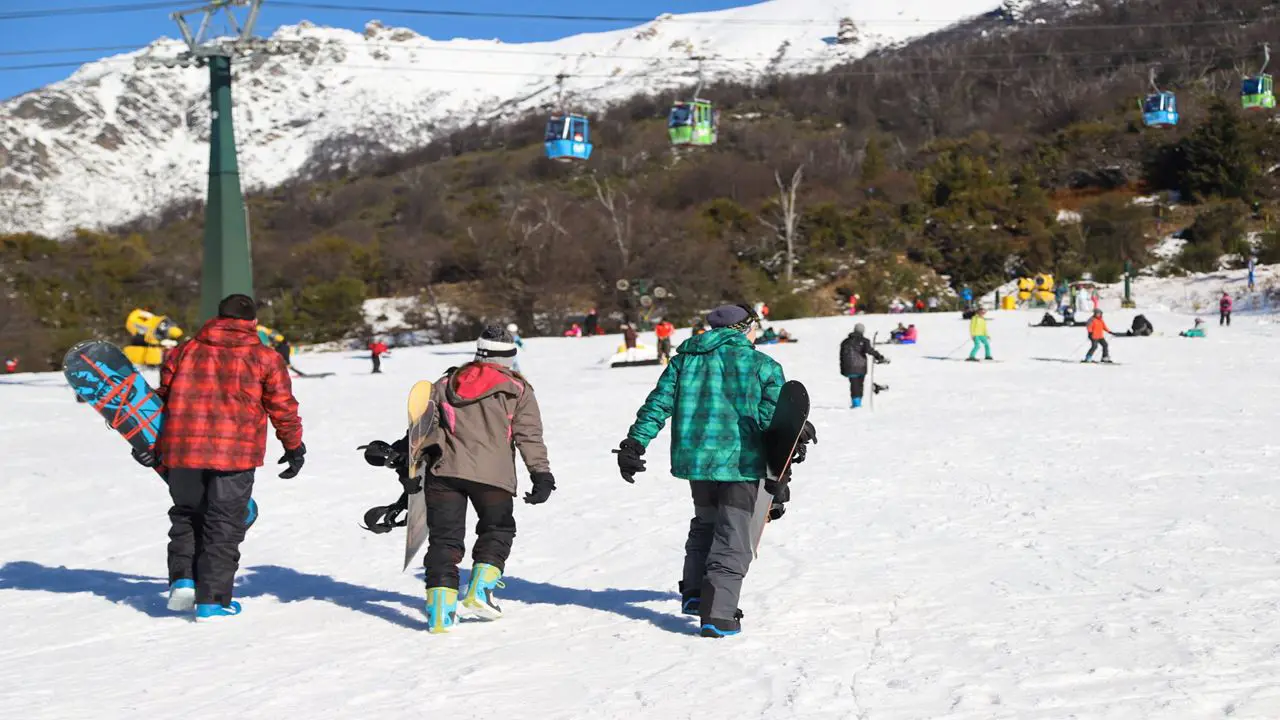
Ski Lessons at Cerro Catedral : The base tour lets you explore South America's largest ski resort. It features lifts that take you to summit lodges where you can touch the snow, enjoy panoramic views, and ski.
After Ski in Bariloche Cerro Catedral : Snowmobile tour followed by a gastronomic experience at La Cueva while you watch the sunset over the mountain range.
Nordic Night at Cerro Otto : Explore its snowy forests aboard special ATVs. Enjoy a typical Patagonian dinner with views of Bariloche.
Discover the complete catalog of activities and excursions in Bariloche here
Where to stay in Bariloche?
Bariloche is linear and stretches for more than 25 kilometers along Bustillo Avenue. Choosing the right place to stay will define how you get around during your vacation.
The City Center: This is the ideal area if you want everything within walking distance. You'll be steps away from the best restaurants, travel agencies, chocolate shops, and the bus terminal.
Los Kilómetros (Kilometers 1 to 8): A semi-central residential area with excellent views of Lake Nahuel Huapi, hotels, and cabins. There's a good selection of restaurants nearby, so you don't need to go downtown.
Llao Llao and San Pedro Peninsula area (from KM 15 onwards): Ideal for those seeking luxury resorts. Picture-perfect scenery and absolute peace surrounded by forest.
Local Flavors: Where and what to eat in Bariloche
Bariloche is the national capital of chocolate and a gastronomic paradise that combines recipes from Central European immigrants with native Patagonian ingredients. You can't leave without trying its specialties:
The Chocolate Circuit in Bariloche
Mitre Street is home to some of the country's most famous chocolate shops (like Rapa Nui, Mamuschka, and Franto). A must-do is enjoying a hot chocolate with artisanal pastries in the afternoon or buying the famous "chocolates en rama" (chocolate bark) and "pizcas" (chocolate nibs).
Find out here where to eat and buy the best chocolate in Bariloche
Patagonian Meats and Trout
Patagonian lamb on the spit, smoked venison, and rainbow trout (caught in the region's lakes). Star dishes at local restaurants.
Craft Breweries
Bariloche is a pioneer in hop production. The Circuito Chico area is home to iconic beer gardens featuring local brands (such as Patagonia, Gilbert, and Blest). Here you can pair a pint with smoked meats while enjoying panoramic views.
Do you have any questions about your trip to Bariloche?
If you're planning your trip and want to visit the Circuito Chico, sail the Patagonian lakes, or find out more about transfers, hotels, or rates, contact us ! We'd love to help you plan your next Patagonian adventure.
By: Hasbleidy JuliethChacón – Web Content Creator for Daytours4u.com
Published by Daytours4u.com on 14/10/2026


