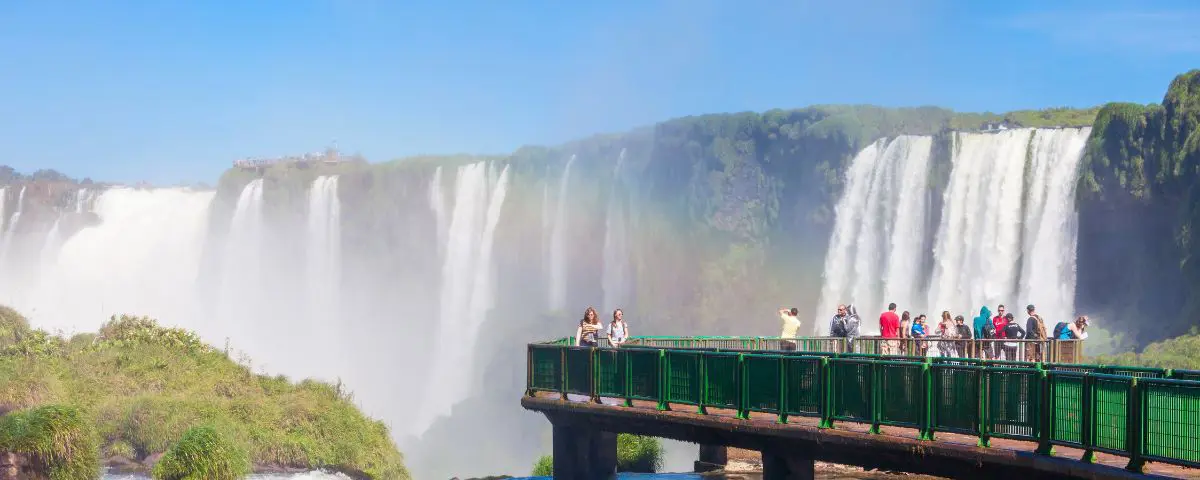
Planning a trip to Iguazu Falls is a unique jungle experience. It's a humid subtropical ecosystem and a park shared by two countries (Argentina and Brazil). The secret to visiting it efficiently is to plan an itinerary that combines both sides of the border.
Information for your trip to the Falls
Best time: From April to September (autumn and southern winter), with cooler temperatures and lower rainfall.
Climate: Humid subtropical. Heat and humidity are constant, with sudden rain showers throughout the year.
Documents: It is mandatory to carry a valid passport, visa or ID card to cross the border to the Brazilian side.
Currency and payments: In Argentina, the currency is the Argentine Peso (ARS), and in Brazil, the Brazilian Reais (BRL). Cards are accepted, but cash is essential for transportation and tips.
Don't miss out: It is highly recommended to make an advance reservation for Iguazu Falls to ensure transfers and avoid queues at the ticket offices.
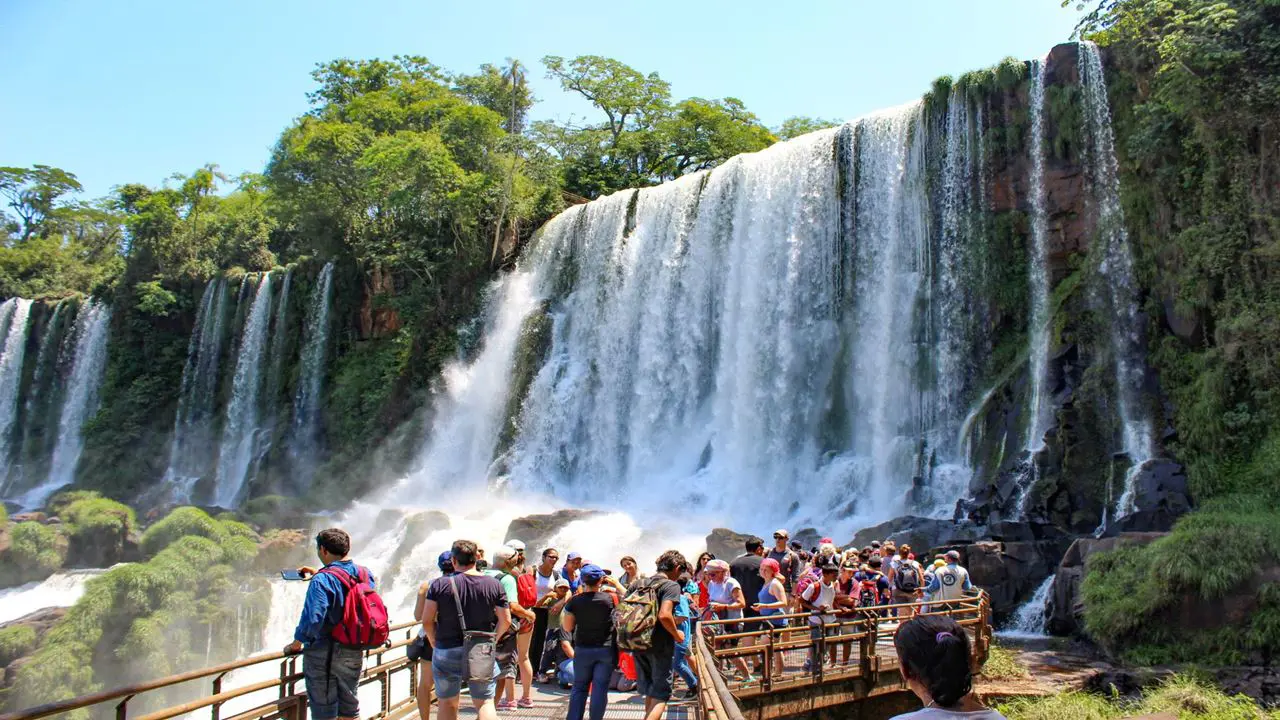
1. Traveling to Iguazu Falls: Subtropical climate and what to pack for the jungle
What is the best time to travel to Iguazu?
Although the falls can be visited year-round, the seasons make significant differences in traveler comfort and the river's impressive flow:
Autumn and Winter (April to September): This is considered the best time to travel. The weather is much more pleasant (averages of 18°C to 25°C), and the humidity is much lower. As it's the season with the least amount of heavy rainfall, it's the ideal time to hike the trails comfortably and enjoy the stunning views.
Spring and Summer (October to March): This is the hottest and most humid season, with peaks easily exceeding 35°C. During these months, the Iguazu River receives its highest flow of the year, offering a wild and colossal spectacle at the falls.
What to wear to Iguazu Falls?
Light-colored, lightweight clothing: Dry-fit shirts and shorts or convertible pants. Avoid dark clothing, as it attracts more heat and mosquitoes.
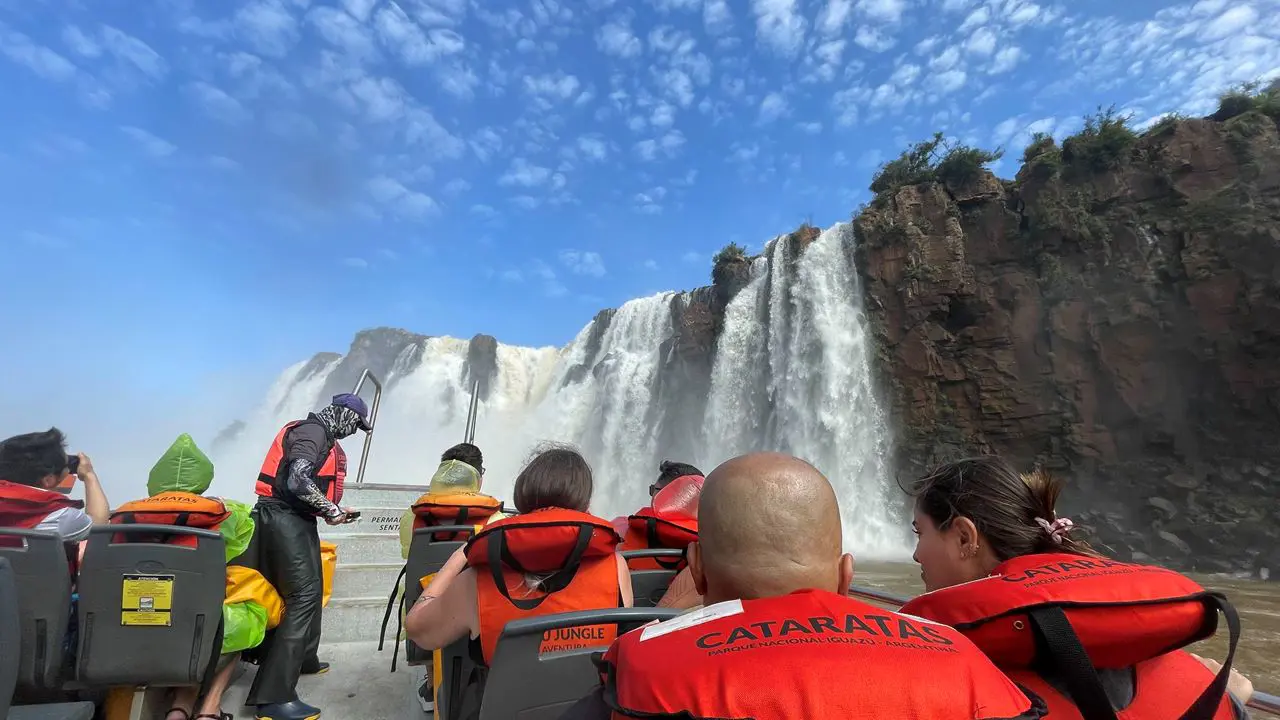
Raincoat or lightweight waterproof jacket: Essential for the Devil's Throat circuit or if you're going on the speedboats. An umbrella is inconvenient on narrow walkways.
Wear shoes with good grip: Lightweight hiking boots or athletic shoes with rubber soles. Metal walkways become slippery when wet. Avoid flip-flops or beach sandals for walking the trails.
The priority here is lightweight, breathable, and quick-drying clothing, as you'll end up soaked due to the steam from the waterfalls.
What to bring to Iguazu Falls?
Insect repellent: Jungle mosquitoes are intense. Apply it before entering the park and reapply every two hours.
Water protection: Airtight bags (like Ziploc) or waterproof covers to protect your belongings from the intense mist of the jumps.
Extras: Cap with visor, sunglasses and high-strength sunscreen, water bottle.
2. Border Budget and Logistics: Argentina vs. Brazil
How much time should you spend in each National Park?
Argentine side (80% of the park): Iguazu National Park; requires a full day (about 6 or 7 hours). Here you truly experience the falls. You walk above, beside, and below the colossal waterfalls along its three extensive trails.
Brazilian side (20% of the park): Iguaçu National Park; can be explored in half a day (about 3 hours). Here you can truly "see" the falls, as it offers a unique panoramic view of the cascading water.
Documentation for crossing Argentina - Brazil
To visit Foz do Iguaçu, you will cross an international border crossing, and the controls are strict. The requirements for crossing into Brazil via Iguazu vary depending on your point of origin.
Mercosur citizens: You only need your National Identity Document ( physical ID card ) or a valid passport in perfect condition. Digital documents are not accepted.
Foreign Tourists: Require a valid passport with at least 6 months of validity remaining. It is essential to verify beforehand from your country of origin whether your nationality requires a consular visa to enter Brazilian territory.
How to pay and what currency to bring to each park?
National Park entrance fees are not included in the tours and must be paid separately. Since you'll be visiting two different countries, the financial logistics change completely from one side of the border to the other.
Entrances to Iguazu National Park: Argentinian Side
Legal tender: Argentine Pesos (ARS).
How to buy tickets: Ideally, buy them in advance on the official website of Argentina's National Parks . This secures your spot for the day and allows direct entry by showing the QR code on your phone, avoiding the ticket office lines.
Accepted payment methods: International credit/debit cards (Visa and Mastercard) and Argentine Pesos in cash.
Extra cash: You'll need cash for minor expenses within the park, such as tips for guides or purchases at local community craft stalls.
Tip for foreigners in Argentina: When paying for tickets or other purchases at Parque Argentino with an international credit card, the bank will charge the MEP dollar rate. This is the official exchange rate for tourists. This way, your money will go much further.
Tickets to the Iguaçu National Park: Brazilian Side
Legal tender: Reais (BRL).
How to buy tickets: Ticket sales are 100% digital . You must purchase your ticket in advance on their official website or use the self-service kiosks at the park entrance.
Accepted payment methods: Only international credit or debit cards (Visa, Mastercard, etc.). The entrance kiosks do not accept cash from any country.
Extra cash: If you're crossing into Brazil by taxi or bus, you'll absolutely need Brazilian Reais in cash. You'll need to pay for fares and international tolls, as drivers don't accept cards or Argentine pesos.
3. Transportation: How to get to and around Iguazu
Puerto Iguazú Airport (IGR) Argentinian Side
The airport (IGR) is located approximately 22 kilometers from the downtown hotel zone (a 25-minute drive). Ride-hailing apps do not operate legally or reliably in Puerto Iguazú. The only options upon arrival are shared airport vans, official taxis from the terminal, or registered taxis.
Ideally: Book a round-trip transfer service in Iguazu to your hotel . A driver will be waiting for you with a sign bearing your name in the arrivals area, and you'll travel directly to your hotel.
Foz do Iguaçu Airport (IGU) Brazil Side
The airport (IGU) is located on the Rodovia das Cataratas highway, just 13 kilometers from downtown Foz do Iguaçu. Unlike on the Argentinian side, ride-hailing apps operate normally and legally at the Brazilian airport.
Ideally: If your flight lands in Brazil but you're staying on the Argentinian side, book a private binational transfer . The driver will pick you up at the Brazilian airport and take you across to your hotel in Puerto Iguazú.
How do I get from the Argentinian side to the Brazilian side?
The connection between Puerto Iguazú (Argentina) and Foz do Iguaçu (Brazil) is made by crossing the Tancredo Neves International Bridge. You have three options for getting around:
International buses (budget): They depart from the Puerto Iguazú Terminal. You have to get off at customs, wait in line, and if the bus leaves, wait for the next one, which slows things down considerably.
Taxis or Remises (flexible): They take you directly and wait while you complete customs procedures, but the rates are high due to the international crossing.
Tours with transfers (ideal): You save time, enjoy hotel transfers, and travel with a local guide. Immigration procedures are expedited thanks to dedicated lanes for tour agencies. They optimize your time and guarantee a smooth round trip in the same vehicle.
4. 3-Day Iguazu Itinerary: Falls, Adventure and Jungle
Day 1: Falls from the Argentinian Side and Tango Night
Iguazu National Park and the Devil's Throat : Access is via the Jungle Train. Walk along the boardwalks of the upper and lower circuits. Stand in front of the balcony overlooking the 80-meter freefall of the waterfall.
Great Adventure Excursion in Iguazu: Combines an off-road journey along the Yacaratiá Trail with a nautical introduction on speedboats that go under the San Martín and Tres Mosqueteros Falls.
Night at Madero Tango Iguazu : Enjoy a tango dinner show in Puerto Madero, Puerto Iguazu.
Day 2: Iguazu Falls Brazilian Side, Helicopter and Navigation
Iguaçu National Park : The Brazilian trail offers a stunning frontal view of the Argentinian falls.
Helicopter Flight over the Falls : A 10-minute flight that offers a breathtaking view of the Devil's Throat. Explore the vastness of the rainforest from the sky.
Bird Park in Foz do Iguaçu : A sanctuary that houses more than 1,300 birds. You walk inside enormous aviaries surrounded by free-roaming toucans and macaws.
Rafain Churrascaria Show : Enjoy a complete dinner including an authentic barbecue, while marveling at an interactive show full of music , traditional costumes and unparalleled entertainment .
Day 3: Itaipú Dam Tour from Foz do Iguaçu
We reserved the last day to visit one of the modern engineering works, located on the border between Brazil and Paraguay.
Itaipu Hydroelectric Dam : This tour It takes you through the heart of this power plant that became the world's largest energy producer.
Travel tip: Book the Iguazu Falls Tour: Argentinian and Brazilian Side and organize your visit to the falls in one place.
5. Where to stay in Iguazu and lifestyle
Puerto Iguazu Center or Jungle Hotels?
Downtown: Ideal for walking to gift shops, ice cream parlors, and a variety of local restaurants on the main avenues. It's the most cost-effective option in terms of nighttime logistics.
Jungle Hotels: These are more luxurious hotel complexes seamlessly integrated with nature. They offer an environment of absolute relaxation, the sounds of animals in the morning, and incredible swimming pools.
What are the Wi-Fi, water, and services like in Iguazu?
In Puerto Iguazu (Argentine side)
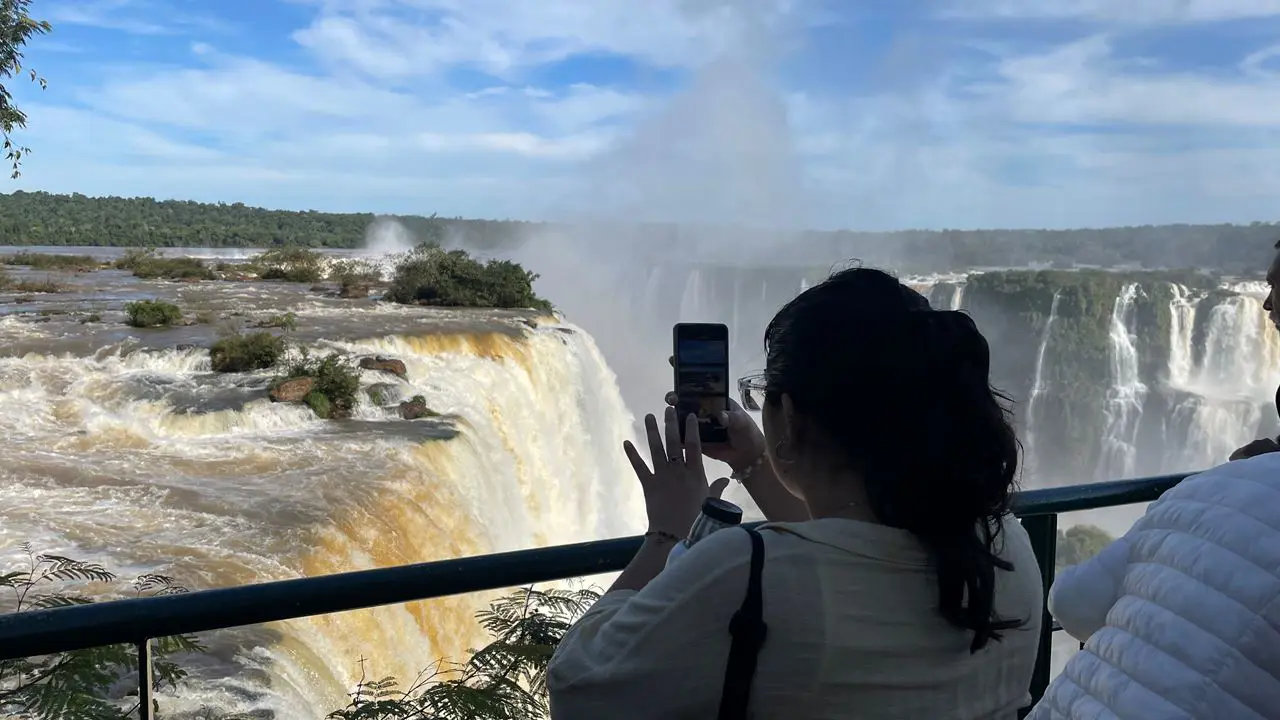
Wi-Fi and data: Works well in the city center. Inside the National Park, the signal is very unstable or nonexistent . Download your QR codes and maps before leaving the hotel.
Drinking water: Although it is treated, it is strongly recommended to consume bottled mineral water to avoid stomach discomfort due to the change in minerals.
Plugs: Type I (three flat "V" prongs) and the voltage is 220V .
In Foz do Iguaçu (Brazilian Side)
Wi-Fi and data: Brazil Park offers free high-speed Wi-Fi throughout. Turn off roaming if you are on the Argentinian side to avoid charges from Brazilian antennas.
Drinking water: As in Argentina, always drink bottled water as a precaution.
Plugs: Type N (three round prongs in a line). The general voltage in Foz is 110V ; check your heating devices before plugging them in.
6. Is it safe to travel to Iguazú or Foz do Iguaçu?
Yes, it's safe. Both Puerto Iguazú and Foz do Iguaçu have a strong police presence and a very peaceful environment for walking. Take the same basic precautions you would in any city if you're out and about at night.
Always drink bottled mineral water . Do not touch or feed the coatis in the parks because they bite to get food. Always travel on official transportation or registered tours.
Do you have questions about how to plan your trip to Iguazu Falls?
If you're planning your trip to Iguazu Falls and want to know more, write to us . We can help you with tours, flights, and hotel bookings on both sides of the border. We'd be delighted to help you plan your next adventure to one of the Seven Natural Wonders of the World.
By: Hasbleidy Julieth Chacón, Web Content Creator for Daytours4u.com
Published by Daytours4u.com on 18/08/2026


