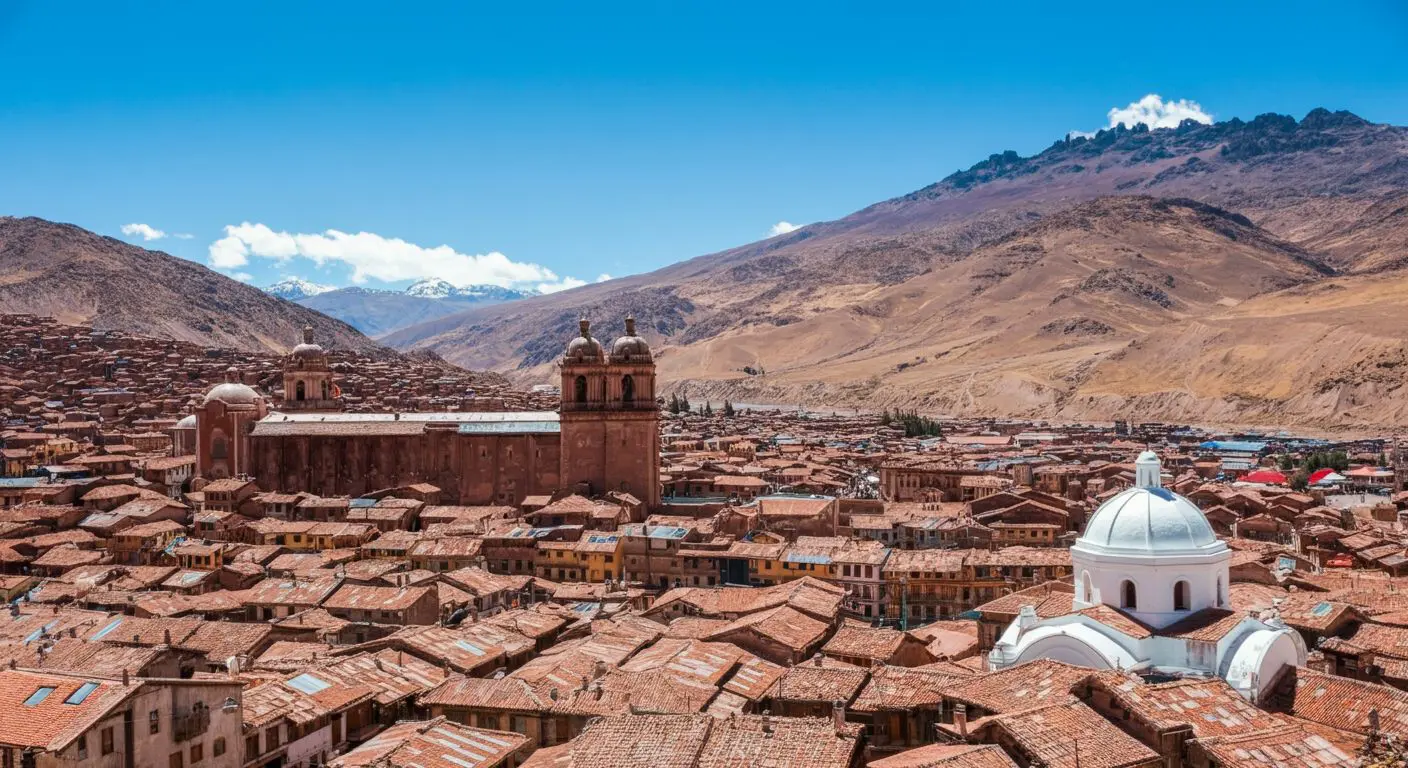
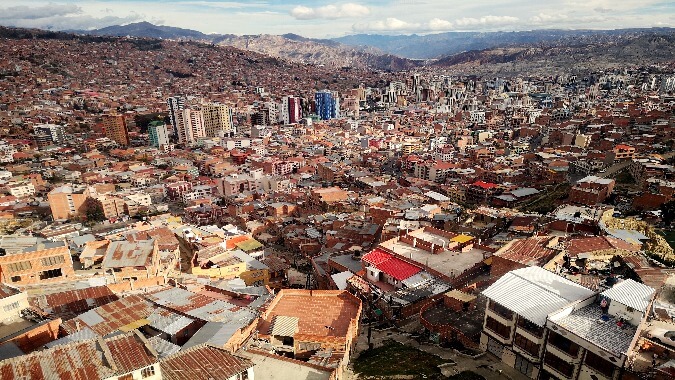
La Paz is the highest capital city in the world at 3,600 meters above sea level / Photo : Tiffany Flour
Cable car ride
Iconic symbols of La Paz, the first cable cars were put into service in 2014 and now boast 11 lines connecting popular and strategic locations to the most remote corners of the city. A true economic and social revolution, this transportation network has transformed the lives of both Paceños, the inhabitants of La Paz, and tourists alike. In addition to the hundreds of buses and vans that allow you to get around the city, the cable cars are the fastest way to travel and offer an incredible spectacle, allowing you to admire the unique architecture stretching across the valleys. This transportation network allows you to discover the city's unique layout, to be impressed by its grandeur and the diversity of its housing, with a smart ticket priced at 11 bolivianos (€1.40). A 1.5 to 2-hour tour traverses the city via its 11 lines, offering a glimpse into the vibrant life of La Paz and the most beautiful viewpoints from its heights.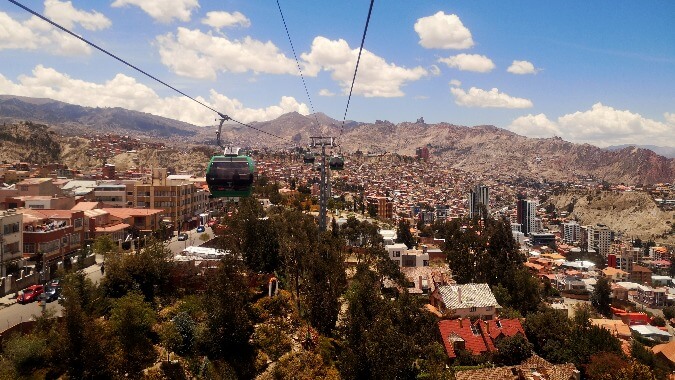
Eleven cable car lines serve the main points of interest in the capital every day / Photo : Tiffany Flour
The markets
Music, clothing, gastronomy, language… Bolivia has a very strong cultural identity , and that's what makes it so unique. In their daily lives, Bolivians typically spend their days in the streets buying, selling, eating, and passing the time. In this very authentic country, supermarkets are rare; instead, small stalls stretch across several streets , each specializing in a particular area, from the smallest isolated villages to the largest cities. In these cities, you'll find the large markets, so typical of Bolivia, where entire aisles offer all kinds of products. In La Paz, the Witches' Market is undoubtedly the most popular, where you can discover objects with magical and spiritual properties, promising all sorts of miracles. Every Thursday and Sunday, you can also visit the immense El Alto Market, located in the city of the same name, where kilometers of stalls overlook La Paz, offering a vibrant and colorful spectacle. And these are only the most touristy ones, leaving the possibility and curiosity to discover the other markets that animate the city of La Paz every day, such as the Camacho, Sopocachi and Rodriguez markets, among others.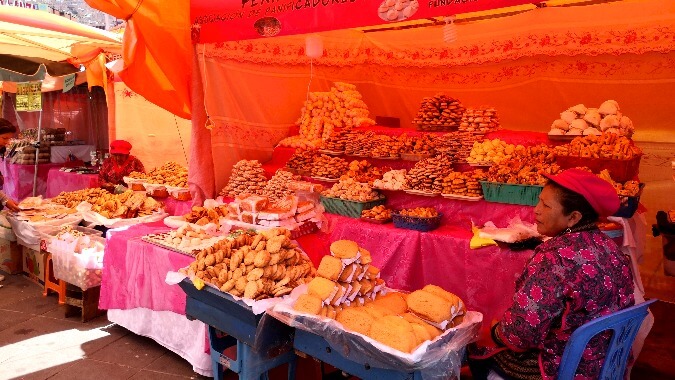
Camacho Market is known for its fruit juices and pastries / Photo : Tiffany Flour
The watchtowers
Spanning elevations from 3,020 to 4,000 meters , La Paz boasts numerous viewpoints offering breathtaking vistas from various perspectives. From plazas and parks to cable car stations and the rugged peaks of the mountains, these viewpoints encircle the city, promising truly stunning vistas ! It's worth noting that La Paz is a city of stark social contrasts, where the atmosphere of the streets can change dramatically from one neighborhood to another. Some viewpoints are more easily accessible by public transportation, allowing you to bypass the city's poorest areas. We recommend the Killi Killi viewpoint , located in northern La Paz, and Montículo , further south, for a moment of tranquility and to watch the vibrant city come alive. For the more adventurous who don't mind hiking uphill and exploring the city's labyrinthine streets, we recommend the Periférica, El Calvarie, Qhana Pata , or Faro Murillo viewpoints . These routes require caution, as they are not particularly touristy and immerse you in the heart of Pacé's working-class neighborhoods.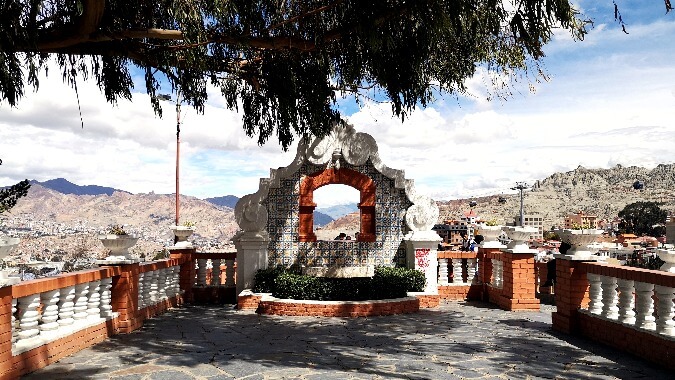
The Monticulo viewpoint is one of the favorite spots for Paceños to admire the city / Photo : Tiffany Flour
Valley of the Moon and Valley of Souls
Located in the heart of the valley, La Paz is surrounded by several mountains and hills, including the sacred Mount Illimani . Peaceful spots with breathtaking landscapes lie just outside this bustling city. To escape the daily hustle and bustle of La Paz and enjoy the tranquility of the Bolivian Altiplano , you can spend the day at the Valley of Souls , located just south of the city. Take a bus, preferably from the city center, to Chasquipampa, then a minibus to the foot of the Valley of Souls. Several bus and minivan lines make this journey, so it shouldn't be difficult to get there; the trip takes one to two hours, depending on traffic. Once you arrive at the Valley of Souls, several small paths allow you to explore this magical and charming place . This mystical place, home to a significant protected ecosystem, is the result of a geological formation that will leave you speechless with its impressive, multicolored craters. More popular and touristy, the Valley of the Moon , as its name suggests, has a landscape reminiscent of the moon, with its vast craters transporting you to another world for the duration of your visit . Several agencies offer excursions, but you can also go independently, similar to the Valley of Souls: take a bus from the city center to the southern part of town, then another bus following signs for Mallassa. Once there, the entrance fee to the valley is 15 Bolivianos for foreign tourists, and two routes are available for exploring this mystical place: one lasting 15 minutes and the other 45 minutes.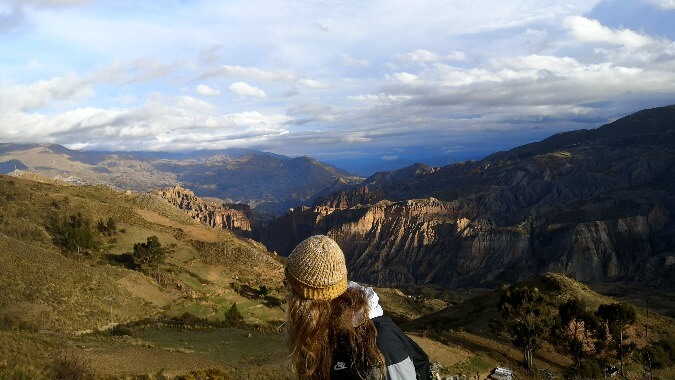
The Valley of Souls is a mystical place located south of La Paz / Photo : Tiffany Flour
The road of death
Do you love thrills? Venture down the Death Road by mountain bike ; it promises a mix of adrenaline and awe at the incredible landscapes it traverses. Starting in Cumbre, about 50 kilometers from La Paz, the adventure begins at an altitude of 4,700 meters and ends in Yolosita, at 1,100 meters! A breathtaking descent that several agencies organize, including lunch, snacks, equipment, and sometimes photo and video sessions, as well as a swim in a peaceful spot. This road, now mainly used for tourism, was, until the 1990s, one of the only roads connecting the Las Yungas region to La Paz. The Death Road owes its tragic name to its very narrow sections, lack of maintenance, and harsh weather conditions, which still claim the lives of between 200 and 300 people each year. However, a new road is now in use, ensuring the safety of the locals and leaving the legendary other road for thrill-seekers.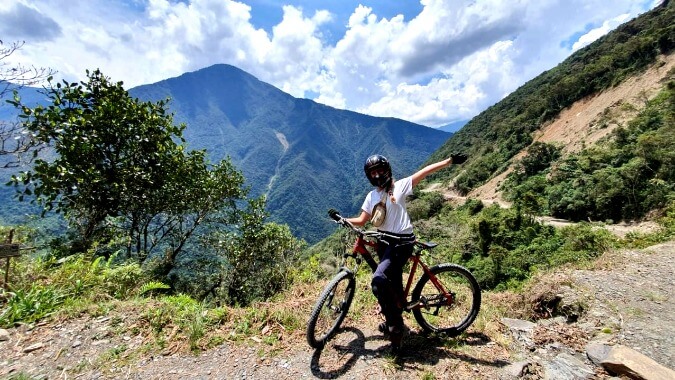
Death Road is considered one of the most dangerous in the world / Photo : Tiffany Flour
The Chualluma district
While exploring La Paz via its cable cars or viewpoints, you're sure to notice, among the typical brick buildings , a cluster of small, colorful houses clinging to the valley slope. Known as Chualluma , this small neighborhood shines in the heart of La Paz thanks to the "Mi Barrio, Mi Hogar" ("My Neighborhood, My Home") development program, which aims to improve the living conditions of its residents. You can admire these incredible facades from the red cable car that ascends to El Alto and then walk down to stroll through these quiet, colorful streets. These rainbow-hued houses are veritable urban works of art in the Andean style, showcasing Bolivian culture.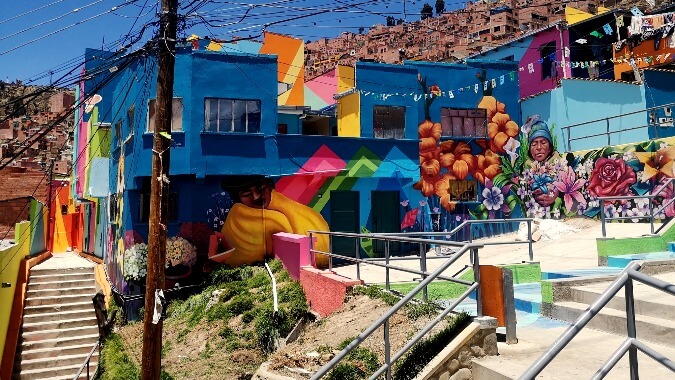
Chualluma is a popular neighborhood in La Paz located at the foot of the Alto / Photo : Tiffany Flour
Here are 6 must-do activities that will allow you to discover La Paz and its strong character . Bolivia will continue to surprise you with its incredible culture and natural beauty; read about 5 things to know before traveling to Bolivia and 8 must-see places to discover Bolivia and make the most of this jewel of South America.By: Tiffany Flour, French tourism student and world traveler.
Published by Has Chacon on 04/06/2026


