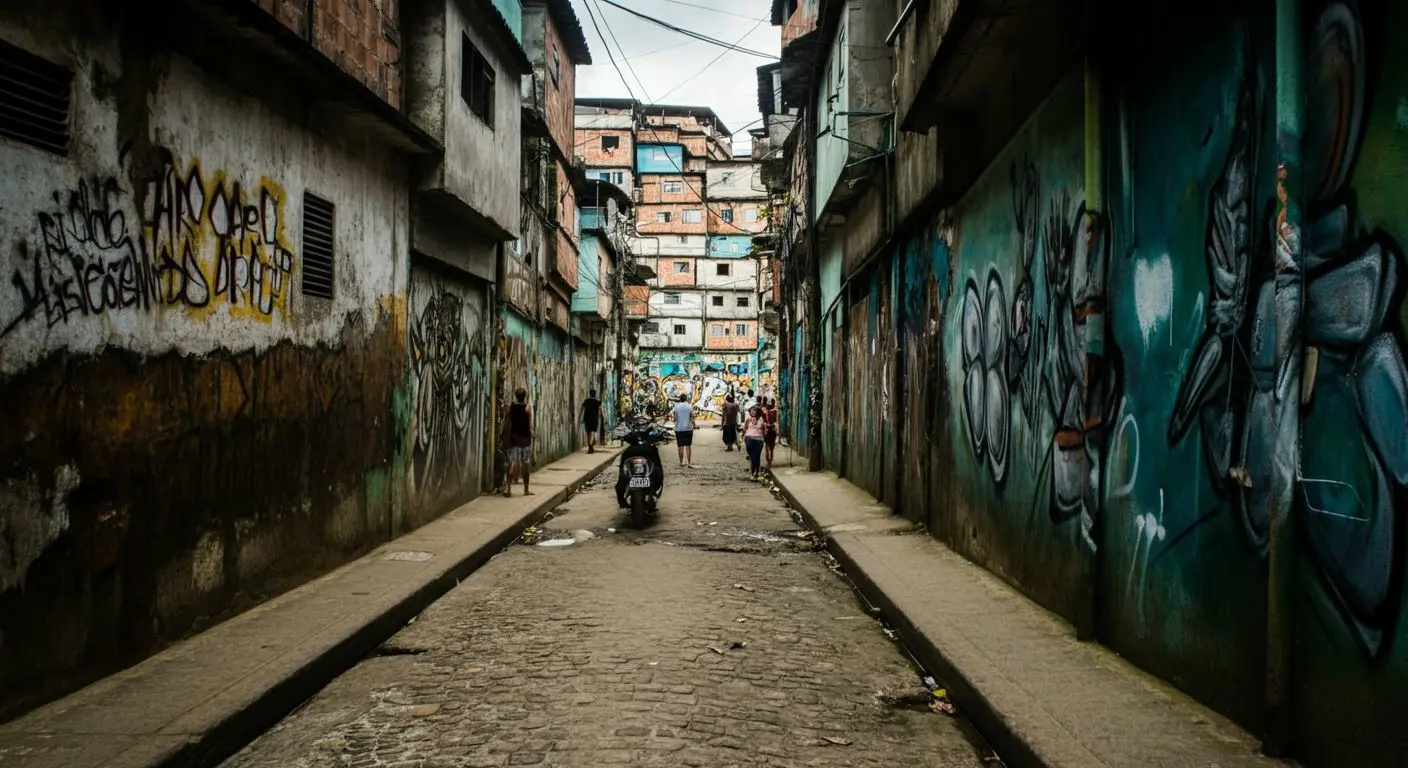
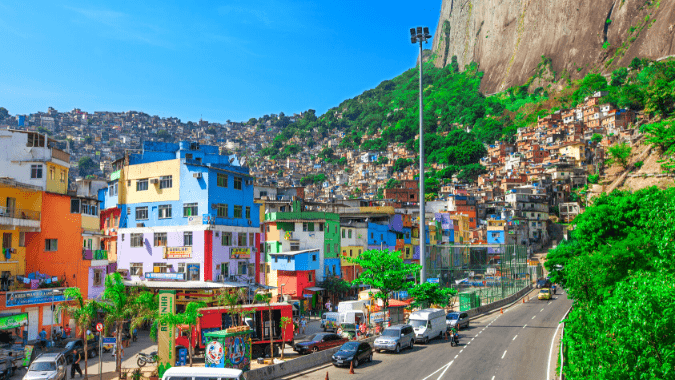
Visit Rocinha, the largest favela in Rio / Photo: Canva Pro
1- Favela Tour
Not all favela tours are created equal. Given the rise in this type of tourism, the number of companies operating in the favelas has skyrocketed. An authentic option is to book a tour of the Rocinha favela with Marcelo Armstrong, a Rio local who pioneered the first favela tour in 1992, aiming to give tourists meaningful insight into the local culture and daily lives of many Brazilians. His educational and non-intrusive tour visits Rocinha, Brazil's largest favela , and Vila Canoas . A tour is the safest and most meaningful way to visit a favela, unless you make a friend who can show you around the community in person. Having a guide who can inform you about what you're seeing and provide context is invaluable to the experience, and many travelers find that touring a favela in Rio de Janeiro is an eye-opening experience. Travel tip: Enjoy your trip to Brazil and discover what to do in Rio de Janeiro beyond Christ the Redeemer2- Panoramic views
Since most of Rio's favelas are built on hillsides, this is where you'll find the best views. If you venture into the enormous favela in the north of the city, Complexo do Alemão —actually a conglomeration of several favelas—there's a cable car you can take for a different perspective of the city. It's not your ordinary cable car, like the one that goes up Sugarloaf Mountain ; this one was built in 2011 with the dual purpose of providing residents with an easier way to get around the steep favela and as a way to generate income from tourists. There's a separate fare structure, with residents paying cheaper prices, including two free rides per day, while tourists pay a higher fare. By using these gondolas, you help sustain the free rides for locals. Travel tip: Besides discovering its incredible favelas, your itinerary shouldn't be complete without visiting Brazil's most iconic landmarks.
Take a cable car over the Complexo do Alemão / Photo: Canva Pro
3- Kitchen
Another advantage of the favelas becoming more accessible to tourists and locals is that there's now a wider variety of traditional foods to try. Eating in the favelas is increasingly popular and is a great way to introduce more people to the culture and lifestyle in these areas—food is, after all, one of the best ways to bring people together. One popular option is Bar do David in the Chapeu Mangueira favela . Serving traditional boteca fare, this establishment is simple and unpretentious, but serves great food (especially seafood). Another option, in one of the better-located (and safer) favelas, Vidigal , is Bar Lacubaco , which serves great typical Brazilian cuisine. If you're looking for an authentic food experience, don't be afraid to venture outside the main tourist areas of the South Zone. Travel tip: Get to know one of the main aspects of Brazilian culture: food! Attend a cooking class in Rio de Janeiro .4- Bars
It might seem like a strange concept, given that Rio de Janeiro is full of trendy bars and nightclubs, but if you're looking for an alternative night out, there are some options off the beaten path. For one of the best views in Rio, head to the Alto Vidigal hostel in Favela Vidigal. The favela is at the base of Two Brothers Hill , and the hostel sits atop the hill, overlooking Ipanema Beach. The hostel's bar, open on weekends, is laid-back, with a spectacular view of the Rio skyline. Another Rio favela institution is the Maze Inn's jazz nights . This inn, in the Catete favela overlooking Guanabara Bay, is run by an Englishman and offers incredible jazz evenings in a unique setting. Travel tip: Take a private tour to Sugarloaf Mountain and journey through Rio de Janeiro's history.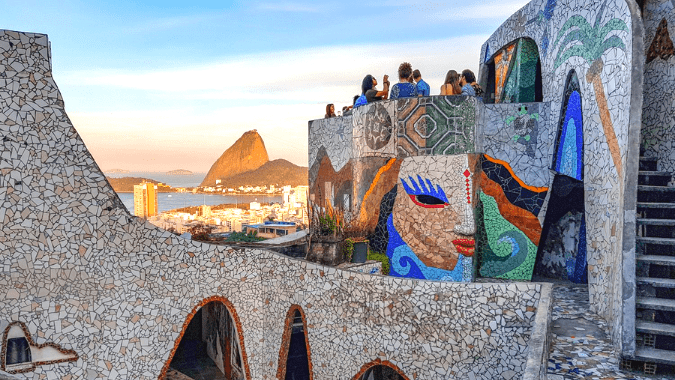
Favela Tourism Jazz Nights at The Maze / Photo: Source
5- Get involved
If you're looking beyond tourism and want to contribute positively to the ongoing regeneration of the favelas, there are several projects you can get involved in. The Favela Project is a grassroots NGO in Rocinha Favela, run by international volunteers with a focus on sustainable tourism. Volunteers live in the favela itself during their stay, immersing themselves in the culture. This organization focuses on education, working with children on everything from school subjects to sports , music, and culture. Community in Action is an NGO in Complexo do Alemão that focuses on community development at the grassroots level. They utilize international volunteers to bring diverse skills and perspectives to address community challenges. This NGO emphasizes a mutually beneficial relationship between volunteers and residents. Projects you can get involved in include arts and culture programs, educational programs, and empowerment programs. There are many ways to contribute to the positive work being done in Rio's favelas. Always research organizations first to see where the funds are going and whether the project is truly benefiting local people. Travel tip: Explore Rio on foot and discover the fascinating legends and stories that the city's past holds with this guided tour.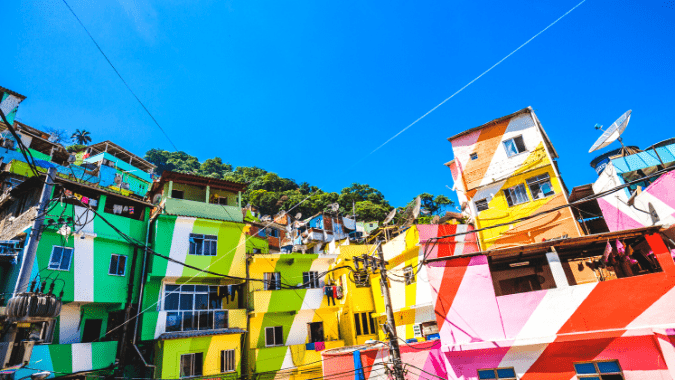
Tourism in the favela. Colorful houses in the Santa Marta favela / Photo: Canva Pro
When visiting a favela in Rio de Janeiro, it's important to be culturally sensitive. Don't just stare or take pictures with the impoverished children. Visit the favelas to learn about this aspect of Brazil , to interact with the communities, and to learn from them. Favela tourism is about developing mutually beneficial relationships and sustainable tourism to help improve the lives of residents. Keep in mind that, despite pacification efforts, not all favelas are equally safe, and it's not advisable to wander around alone. The safest way to visit is with a favela tour or with a local who knows the area. For an enriching experience, book a favela tour in Rio de Janeiro and learn more about Brazilian culture and circumstances.By: Daytours4u Content Team.
Published by Has Chacon on 03/06/2026


