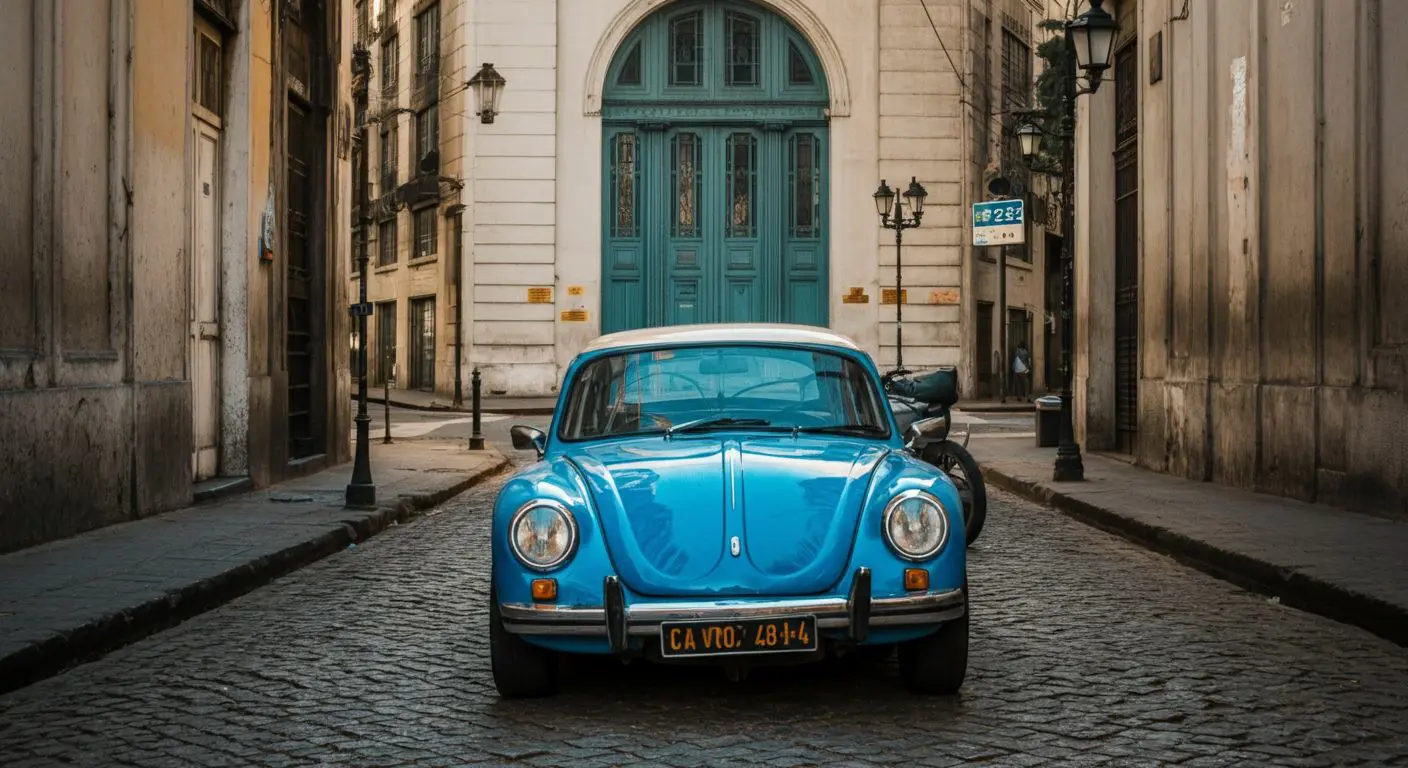
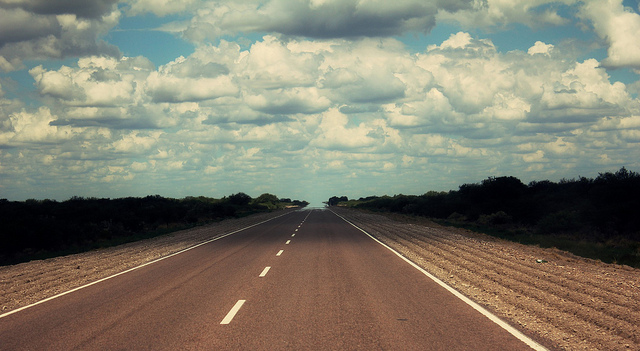
 Pack your bags and hit the road! / Source [/caption] So everyone has dreamed at some point of getting together with some friends and hitting the road to some incredible place, so if your dream destination was Buenos Aires, stop everything and pay attention to our tips:
Required documentation
First of all: documentation ! We all know you're a great driver, but hold on, now that you're going to another country, some care and precautions are essential. Check out what you need to arrive safely in the capital of tango: Is the vehicle registered in your name? If so, you will need: a valid passport or identity card (only RG) in good condition and clearly identifying the holder, proof of vehicle ownership, Brazilian driver's license, international insurance for Mercosur (green card: this is insurance that covers the civil liability of the owner and/or driver of vehicles not registered in the countries of entry on international trips for damages caused to people or objects not being transported). Does the car belong to someone else? Therefore, you will also need authorization from the owner, legalized by the Brazilian Ministry of Foreign Affairs, with a notarized signature and legalized at the Consulate of the country. In the case of a rented car , an authorization for circulation within Mercosur (ACM) is vital – a document issued by the car rental company that includes the main details of the vehicle rental contract, as well as information regarding your identification and insurance. The validity of the ACM cannot, under any circumstances, exceed 90 days from its issuance, equivalent to your maximum stay in the country as a tourist. Our advice is: always travel with your passport . Besides being very easy to obtain, it's always good to remember that by traveling with it, you will receive your entry stamp to the country there. Otherwise, you will receive a paper as your proof of entry to the country, and in case of loss, you may have problems. Not to mention that the more you use your passport, the easier it will be to get a visa for other countries (such as the United States). It's as if they think: "Well, he travels a lot, so that's why he wants a visa."Planning your itinerary
Now that we're properly documented, let's move on to the itinerary! Have you planned yours yet? It's good to know that there are several ways to get there from Brazil: Departing from São Paulo Travel time: 30 hours (non-stop) | Distance 2253 km Via Ourinhos , on the SP-280, and from there to Paraná, passing through Maringá and Foz do Iguaçu on the BR-389 highway. From Foz do Iguaçu to northern Argentina, in Posadas, the route is via Route 12, then Route 14 (we do not recommend this route due to: corrupt highway police**) and back to Route 12, to Buenos Aires. Departing from Porto Alegre Travel time: 18 hours (non-stop) | Distance 1366 km Driving to Chuí , in the far south of Rio Grande do Sul, then following the BR-116 and then the BR-471. From Chuí to Punta del Este , Uruguay, we recommend taking Route 9 and, towards Montevideo and Colonia del Sacramento, Route 1. Montevideo is 220 km from Buenos Aires. From Uruguay , it's possible to shorten the journey via the Rio de la Plata , with ferry access to the Argentinian capital. An important tip when planning your trip is to use various methods to map your route, such as GPS, navigation, radios for those traveling with other cars, and a map of the region. After all, precaution is never too much!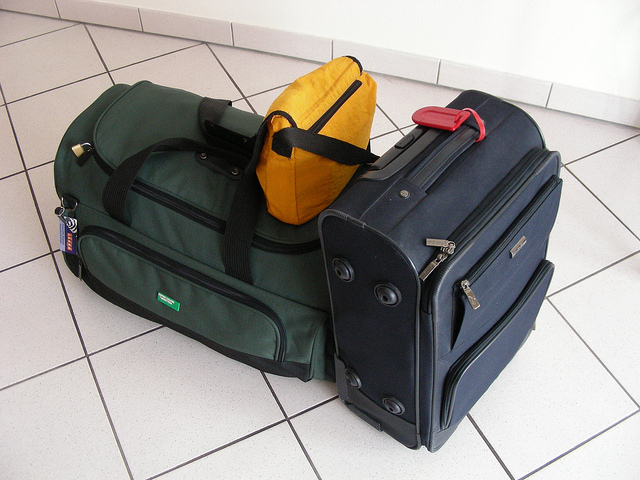 Try making a checklist before starting the engine / Source
Before leaving home
With the documents in hand, the itinerary ready, and the car properly equipped with all the necessary accessories (tires in good condition, jack, and warning triangle), the time for the trip has arrived. Remember a few important points:- Don't stick exclusively to a travel itinerary! It's always good to be prepared to change a route due to adverse situations (roads, rain, or detours) or to include an attraction that wasn't in the initial plans.
- Since you're leaving the urban area, it's best to only refuel at well-known branded gas stations and never let the fuel level drop below half a tank.
- For solo travelers, a recommendation: take short breaks to stretch your legs and try to drive only during daylight hours.
- Avoid any type of pothole in the road, especially those with patches of dirt around them, because it's a sign that they are older and deeper.
- When traveling in a group, change drivers every two hours . Ideally, for long distances, travel in a convoy (with other cars accompanying you), although this may delay your trip, it is safer.
By Thalles Santos
Published by Hernan Garriga Zimmermann on 03/06/2026


