
Planning a trip to Uruguay's most exclusive beach resort is a must on your Uruguayan itinerary. The best time to visit Punta del Este is from December to February if you're looking for beaches and nightlife, and from March to November if you prefer relaxation and winery tours . Before you go, keep in mind: toll booths don't accept cash, and if you pay with a foreign credit card, you'll get a VAT refund!
Summary for your trip to Uruguay
Official currency: Uruguayan Peso ($U). International credit and debit cards are accepted and required for benefits.
Toll Requirements: The Interbalnearia Route is 100% automated (Electronic Toll Collection). Cash is not accepted.
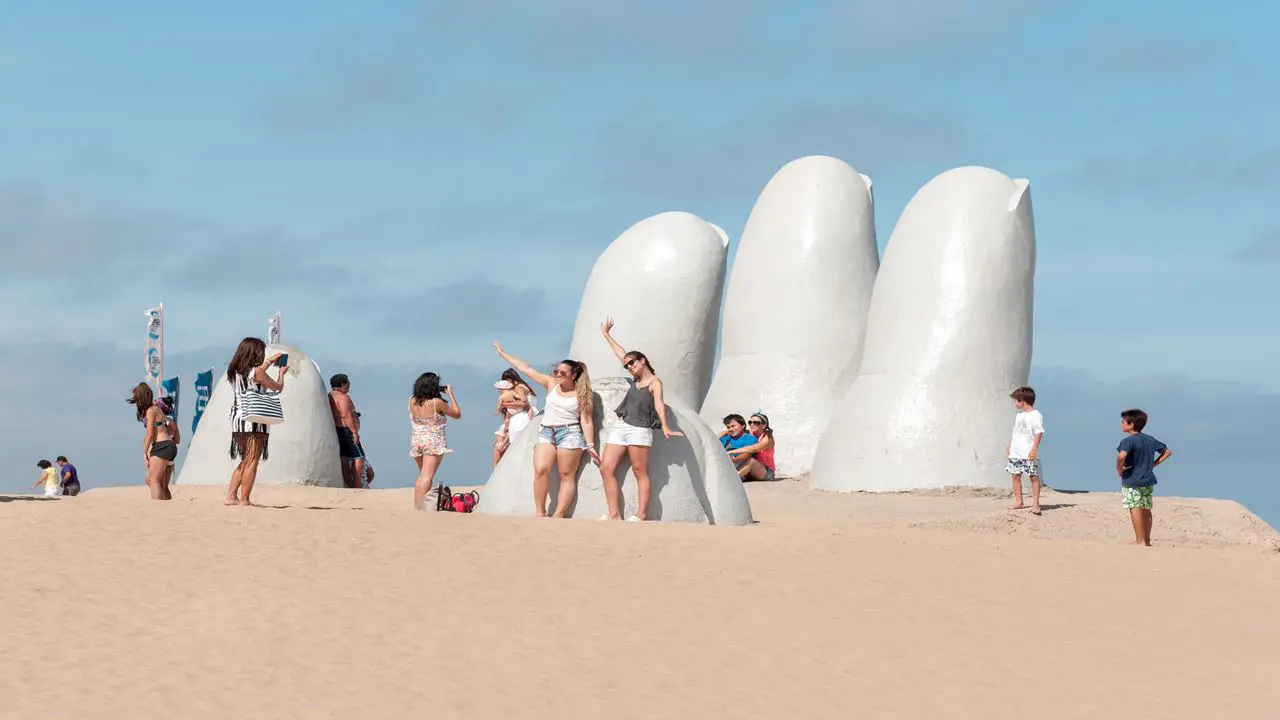
Difference between beaches: Playa Mansa (calm waters, ideal for families) vs. Playa Brava (sea, surf, Los Dedos monument).
Connection: Located 130 km from the capital.
1. Plan your trip: Weather, season and what to pack for Punta del Este
What is the best time to travel to Punta del Este?
High Season (December to February): This is the ideal time if you're looking for sun, vibrant beaches, and nightlife. The weather is warm, perfect for enjoying the sea, although hotel and service prices reach their peak.
Mid-Season (March to November): If you prefer a relaxed atmosphere and better rates, this is the time for you. The autumn and spring months are perfect for winery tours in Punta del Este, city walks, and getaways without the crowds.
Low Season (May to October): Uruguayan winters are cold and very windy. Many shops and restaurants close, turning the resort into a haven of absolute peace by the sea.
What to pack for a trip to Punta del Este?
The weather in Punta del Este can be changeable due to the sea. Don't forget to pack:
For the day: Light clothing, comfortable shoes for walking along the promenade, swimsuit, sunglasses and sunscreen.
For the evenings: Even in the height of summer, it usually cools down after sunset due to the sea breeze. It's important to bring a light jacket (sweater, sweater, or shawl) for evenings on the beach or al fresco dining.
Footwear: Add something a little dressier if you plan to go out at night to the exclusive restaurants of La Barra or José Ignacio.
Budget and prices in Punta del Este: Is it as expensive as they say?
Yes, prices in Punta del Este keep it among the most expensive cities in the region. An average lunch per person at a mid-range restaurant costs around USD 30 to USD 45. Dinner at a high-end restaurant in the port or José Ignacio can easily exceed USD 80 per person. However, you can optimize your budget by taking advantage of Uruguayan government financial incentives and choosing the right activities.
Currency and tax benefits for tourists in Uruguay
You should be aware of how to use credit cards in Uruguay for tourists . The benefit of a full VAT refund (around 18% to 22%) remains in effect. This applies to food services and car rentals, as long as you pay with credit or debit cards issued outside of Uruguay.
The discount is automatically applied to the purchase voucher, which helps reduce the cost of meals. Uruguayan pesos are only needed for tips or small purchases at craft fairs.
2. How to get to and get around in Punta del Este
How to get from Montevideo to Punta del Este (Options and times)
To find out how to get from Montevideo to Punta del Este , you must evaluate the balance between time, budget and comfort:
Buses: They depart frequently from the Tres Cruces Terminal (Montevideo) and take about 2 and a half hours to reach the eastern terminal.
Car Rental: If you choose this option, please note that the tolls on the Interbalnearia Highway no longer accept cash. They operate using an electronic toll collection system with license plate recognition. The cost will be automatically charged to your card when you return the car to the rental agency.
Hotel transfer to Punta del Este Airport (Laguna del Sauce)
Laguna del Sauce International Airport (PDP) is located approximately 20 kilometers from the Peninsula. To cover the distance between your hotel and the airport, you have three options:
Airport-Hotel Transfer in Punta del Este : The most comfortable and safe option if you're traveling with heavy luggage or in a group. It requires advance booking, has a fixed rate, and the driver will pick you up from your hotel lobby.
Taxis and ride-hailing apps: Airport taxis and ride-hailing apps operate in the area, but fares may vary during peak season.
Local bus: Local buses that run along the route near the airport will take you to the downtown bus terminal. Keep in mind that you'll need to walk with your luggage to the bus stop.
Where to stay in Punta del Este according to travel style
Deciding where to stay in Punta del Este is important for excursions, activities, and outings:
The Peninsula and El Emir/Los Dedos Beach: An ideal area for those traveling without their own vehicle. You'll be steps away from the main shops, the bus terminal, the port, and a wide variety of local restaurants.
La Barra and Manantiales: The perfect area for a young, beach-loving crowd. With great waves for surfing, designer shops, and a vibrant nightlife.
José Ignacio: The epicenter of rustic luxury, absolute privacy, and world-class signature cuisine. It's located about 30 kilometers from the city center, so you'll need your own transportation or arrange for transfers.
3. Punta del Este Beach Guide: Mansa vs. Brava
Playa Mansa: Tranquility and sunsets with the family
Located on the Río de la Plata side, Playa Mansa lives up to its name. Its waters are calm, with almost no waves. It's a favorite choice for families with young children and those who prefer a relaxed swim.
Iconic beach bars like those in the OVO Beach area or the more residential stops (such as stops 10 or 18) are ideal. They offer a unique view of the sun setting behind Gorriti Island.
Playa Brava: Surfing, sea and the famous "Hand"
On the opposite side, bathed by the Atlantic Ocean, lies Playa Brava . Here the sea is open, deep, and has strong, constant waves. A must-visit spot for surf and water sports enthusiasts.
The most iconic monument: At Parada 1 on Brava Beach stands the world-famous sculpture of "La Mano" (also known as Los Dedos ). It's the photo every traveler should take home as a souvenir.
Heading north: As you travel towards La Barra and Manantiales, La Brava transforms into the epicenter of the most exclusive beach clubs. Music, live DJs, and after-beach parties set the rhythm of the afternoon.
Secluded beaches worth visiting
If you're looking to escape the city center and explore the Uruguayan coast, join a tour or rent a vehicle to discover:
Bikini Beach (Manantiales): The meeting point for celebrities, young people and fashion brands during the high season.
Solanas Beach (Punta Ballena): Very close to the famous Casapueblo, it stands out for its flat and warm waters, ideal for water sports such as kayaking or windsurfing.
José Ignacio: Wide, rugged beaches, such as Playa Mansa in José Ignacio or Playa Brava next to the lighthouse. They combine the vastness of the ocean with an exclusive rustic setting.
4. What to do in Punta del Este: Activities and must-sees
Beyond its famous beaches, this destination offers an incredible array of cultural, scenic, and culinary experiences. To make the most of your stay, plan your trip by combining city walks with full-day excursions.
Discover the city with an expert guide
If it's your first time at the resort, the best way to get your bearings and learn about the local history is through a guided tour.
The classic Punta del Este City Tour takes you to the most iconic spots: the Peninsula, the Port, the residential neighborhoods of San Rafael and Beverly Hills, the famous La Barra Wavy Bridge, and the legendary Fingers sculpture.
A premium experience, personalized and at your own pace. The Exclusive City Tour of Punta del Este is the ideal option for traveling in maximum comfort.
Full-day trips from Punta del Este
Eastern Uruguay is known for its diverse landscapes. Don't just stay on the Peninsula; the surrounding areas are well worth exploring.
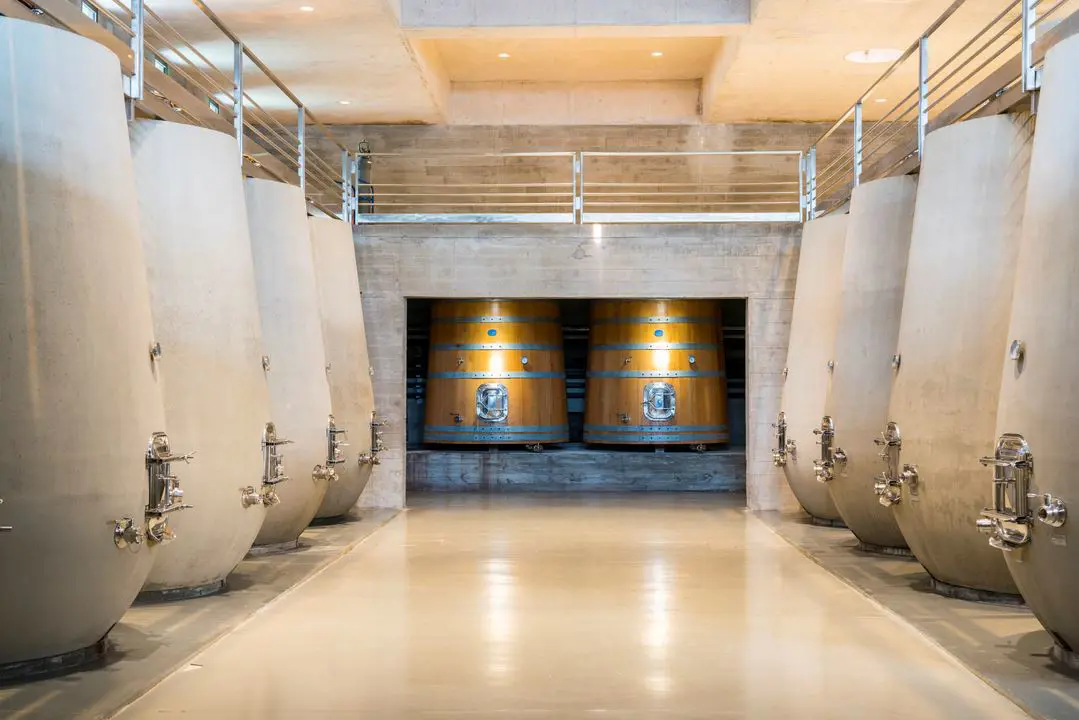
Cutting-edge wine tourism: Uruguay is famous for its wines (especially the Tannat grape). One of the region's most exclusive experiences is the Winery Tour, Tasting, Lunch, and Transfers at Bodega Garzón .
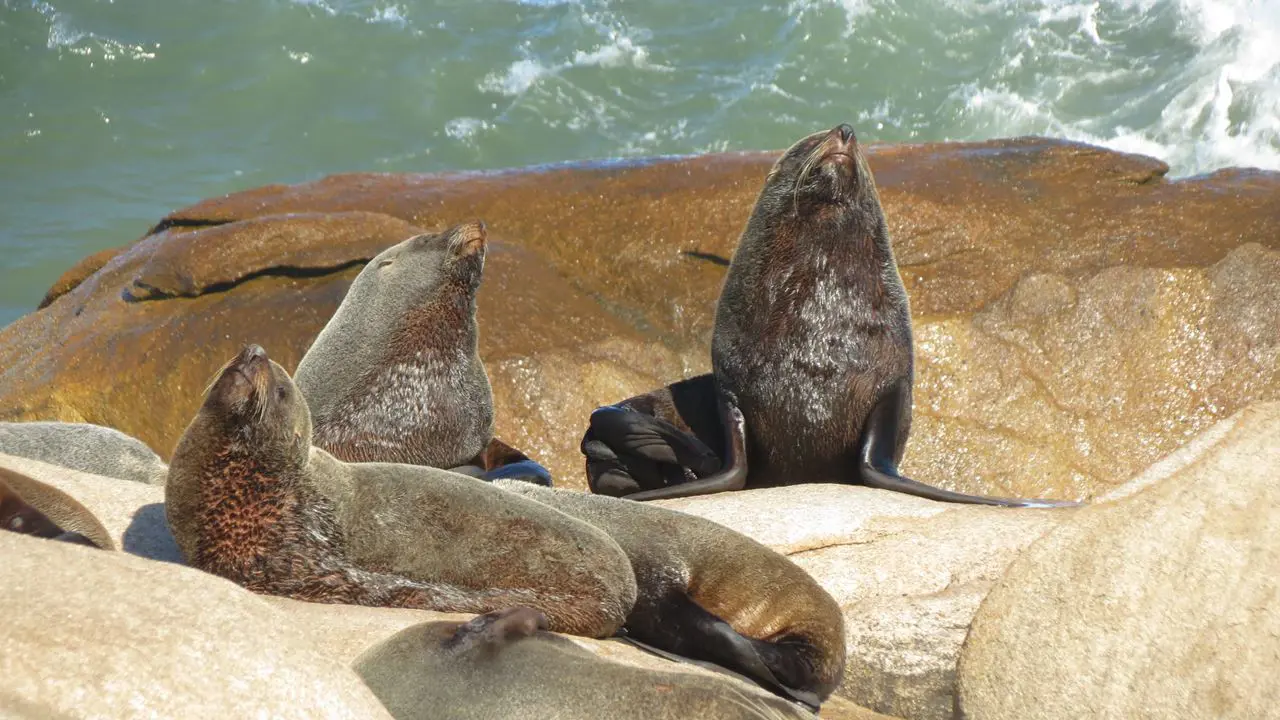
Wild Nature: The Cabo Polonio City Tour + Beach transports you to a magical and secluded nature reserve in the department of Rocha. Famous for its giant dunes, historic lighthouse, and one of the largest sea lion colonies in South America.
Mystique and history: The Piriápolis City Tour takes you to a neighboring seaside resort with a European aesthetic, founded by Francisco Piria. You can ride the chairlift up Cerro San Antonio and enjoy its unique architecture, rich in symbolism.
5. Quick guide: Documents, plugs and practical information
To avoid any problems when entering and moving around the country, keep this essential technical checklist in mind:
What documents do I need to enter? * MERCOSUR citizens: You only need your valid physical identity document (national identity card or DNI). Note: Digital formats from mobile applications are not accepted.
Rest of the world: Valid passport with a minimum validity of 6 months. Most countries in the Americas and the European Union do not require a visa for tourist stays of up to 90 days.
Plugs and voltage: The voltage is 220V . The most common plugs are three-prong ( type L ) and two-prong ( type C ). If your chargers have flat prongs, don't forget to pack a universal adapter.
Drinking water: Tap water is 100% potable and safe for human consumption throughout the department of Maldonado.
Did you have any questions about your trip?
If you're planning your trip and want to know more about transfers, hotels, rates, or excursions in Punta del Este , contact us! We'd love to help you plan your next adventure in Uruguay.
By: Hasbleidy Julieth Chacón | Web Content Creator for Daytours4u.com
Published by Daytours4u.com on 18/08/2026


