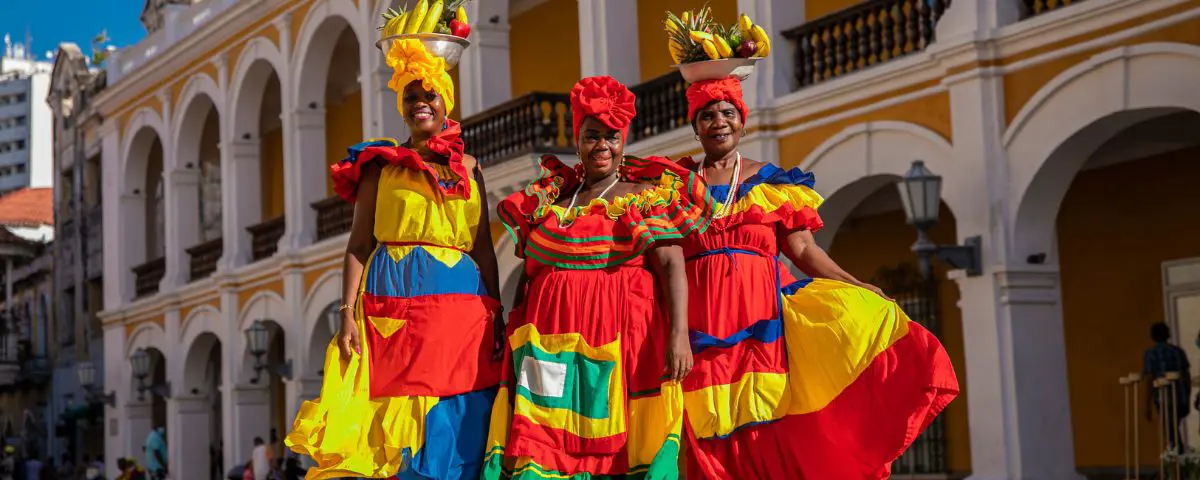
Colombia is a land of contrasts where the Andes Mountains, coffee-growing valleys, and over 1,600 km of Caribbean and Pacific coastline meet. Discover in this guide what to see and do in Colombia, the must-see destinations, and the key logistics for planning your trip.
5 Must-See Destinations in Colombia
- Bogotá and Cundinamarca: Cultural capital, Andean gastronomy and the unmissable Salt Cathedral of Zipaquirá.
- Medellín and Antioquia: Urban innovation, social transformation in Comuna 13 and the landscapes of Guatapé.
- Cartagena de Indias and the Caribbean: Colonial walls, crystal clear beaches and history in the Rosario Islands.
- The Coffee Region: Nature among giant wax palms in Salento, Cocora Valley and traditional farms.
- Tayrona National Natural Park: Tropical rainforest bordering the Caribbean Sea and ecological hiking.

How many days are needed to travel to Colombia and what is the best time to go?
The ideal length of stay for a first trip to Colombia is between 10 and 15 days. The country is nestled within the Andes Mountains. Overland journeys between regions can take several hours, so domestic flights are recommended to save time.
Best time to travel to Colombia according to region
Located near the equator, Colombia does not have distinct seasons. It experiences dry and rainy seasons that vary depending on altitude and region.
- Andean Region (Bogotá, Medellín, Coffee Region): The driest seasons are from December to March and from July to August. Bogotá maintains a cool climate (8°C to 18°C), while Medellín enjoys a permanently temperate climate (18°C to 28°C).
- Caribbean Coast (Cartagena, Santa Marta, Tayrona): Warm, tropical climate (28°C to 33°C) year-round. The dry season runs from December to April, ideal for enjoying the beach without intermittent rain.
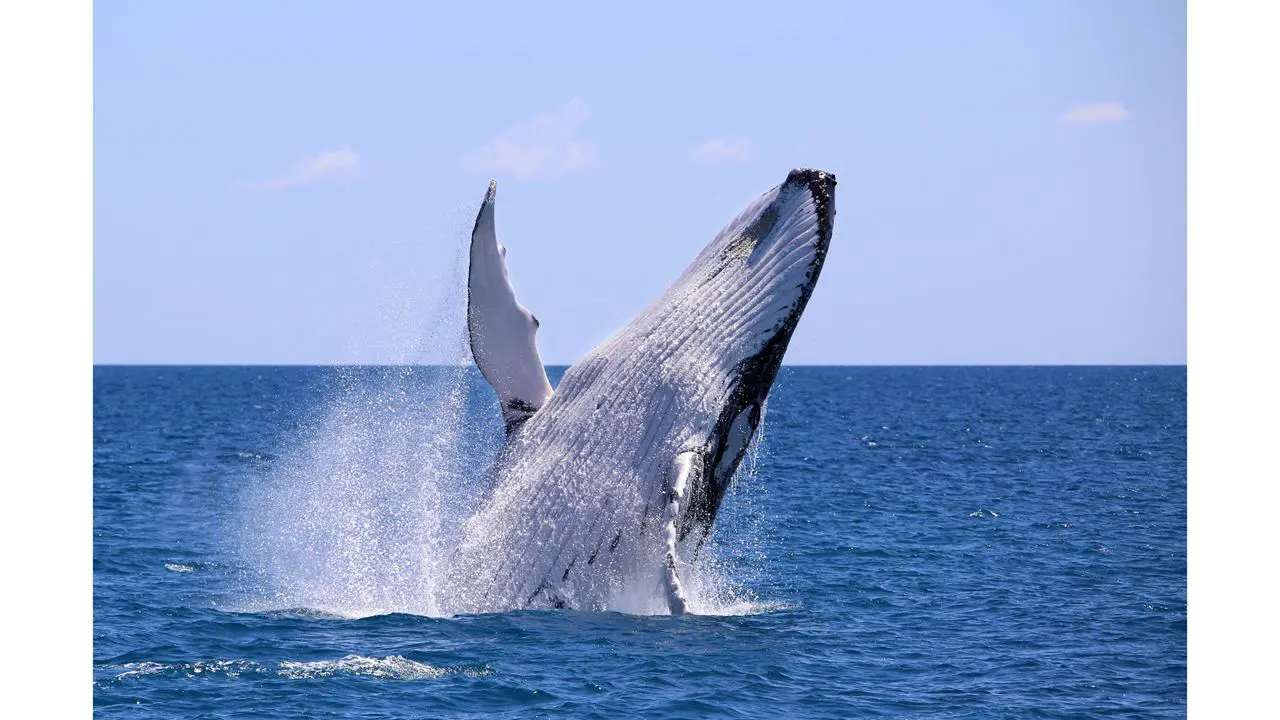
- Pacific and Amazon: Regions of high humidity. In the Pacific, the best season is from July to October, coinciding with humpback whale watching.
Suggested Itinerary in Colombia: 7, 10 and 15 Days
Depending on the time available, plan your trip while still seeing the best of Colombia during your visit:
| Duration | Recommended Itinerary | Travel Style |
| 7 Days | Bogotá (2 days) - Cartagena and Rosario Islands (5 days) | Express / Cultural + Caribbean |
| 10 Days | Bogotá (2 days) - Medellín and Guatapé (3 days) - Cartagena (5 days) | Urban and Beach Must-Sees |
| 15 Days | Bogotá (3 days) - Coffee Region (3 days) - Medellín (3 days) - Cartagena and Tayrona (6 days) | Complete Route / Grand Tour |
Bogotá and the Department of Cundinamarca
What to see and do in Bogotá? History, Art and the Legend of El Dorado
Bogotá welcomes you at 2,600 meters above sea level with a changeable climate that calls for warm clothing and a desire to walk. It's a city where the urban and the historical blend in a unique way.
To begin, explore the cobblestone streets of La Candelaria . Admire the colorful houses, sip coca tea or traditional chicha while admiring the street art. While you're there, visit the Gold Museum , home to the world's largest collection of pre-Hispanic goldwork.
For the best view of the city, you absolutely must climb Monserrate Hill, which stands at over 3,100 meters. Whether you take the cable car, funicular, or hike up, reach the top and admire the beautiful city from above.
What you CAN'T miss on your visit to Bogotá:
Enter the restaurant 'La Puerta Falsa': Order a steaming ajiaco with capers, cream, and avocado. Or a hot chocolate where you can dip cheese and almojábana. It's the oldest restaurant in Bogotá and tastes like pure Colombian home cooking.
A night at Andrés Carne de Res (Chía): If you have a free night, escape to Chía. Andrés is not just a restaurant; it's a party spot with grilled meat, theater, and dancing where it's impossible not to end up on the dance floor.
Craft beer and nightlife in the city: Head to Zona T (Zona Rosa) and discover Bogotá's best bars . Try a house craft beer at Bogotá Beer Company (BBC) or dance salsa and crossover music at the local pubs. Bogotá's vibrant nightlife will captivate you from the first song!
Travel tip: If you're short on time, take this Candelaria Walking Tour . Understand the history with a local guide who will tell you where the best spots in the city are.
What to see and do in Cundinamarca? Zipaquirá Salt Cathedral and the Legend of Guatavita
Taking a day trip out of the city is 100% worth it. Less than two hours away is the Salt Cathedral of Zipaquirá , dubbed the First Wonder of Colombia. Descend 180 meters underground into an active mine and discover giant crosses and caves carved directly into the salt rock. It's a must-see!
And if you want to see where the myth that obsessed the Spanish conquistadors was born, you have to go to the Sacred Lagoon of Guatavita . It's a hike through the páramo vegetation (full of frailejones) to reach a natural crater with an emerald-green lagoon in the center. It was there that the Muisca chieftains covered themselves in gold and threw themselves into the water as an offering.
What you CAN'T miss on your visit to Cundinamarca:
Eat lechona in Zipaquirá and coffee in the páramo: Try a piece of freshly made lechona in the town of Zipaquirá. Have a strong coffee before entering the Guatavita páramo to withstand the icy wind.
Wine and stars in Villa de Leyva: Enjoy a glass of local wine overlooking the illuminated Plaza Mayor at night. Sample a traditional pastry in one of the local bakeries and visit the prehistoric fossils just outside the town.
Travel tip: Don't complicate things with intercity buses or transfers. Book this Guatavita & Zipaquirá Cathedral Group Tour . Wear sneakers with non-slip soles; the salt mine makes the underground ramps slippery.

Medellín and the Department of Antioquia
What to see and do in Medellín? Urban Art and the Eternal Spring
Medellín captivates everyone from the very first moment. Its consistently spring-like climate (between 18°C and 28°C) invites you to spend all day outdoors. But the most beautiful thing about the city is the warmth of its people and how they have transformed their history into a global symbol of resilience and art.
To begin, hop on the Metrocable , which connects the working-class neighborhoods with the city center. A visit to Comuna 13 is a must, and you'll definitely want to explore it. What was once a conflict zone is now a place of colorful graffiti, street dancers, and famous outdoor escalators. Stroll through Botero Plaza to admire up close the iconic, gigantic bronze sculptures of master artist Fernando Botero.
What you CAN'T miss on your visit to Medellín:
A beer at sunset in Las Palmas: Head up to the viewpoints along Las Palmas road just as evening begins to fall. Watch the city lights up while enjoying a fresh fruit juice.
Eat a whole Bandeja Paisa: But an authentic one, with its crispy pork rinds that crunch when you bite into them, loaded beans, arepa, fried egg, ground beef, and avocado. Go for a long walk beforehand because you'll be knocked out with happiness!
Enjoy afternoons and dancing in Provenza and El Poblado: Savor specialty coffee and gourmet cuisine by day. And experience the best urban nightlife, trendy bars, and reggaeton on the continent by night.
Travel tip: Experience the city's cultural transformation from within by taking this City Tour of Medellín and Comuna 13. Go with a local guide who will tell you the real story firsthand.
What to see and do in Antioquia? Guatapé, El Peñol and Traditional Towns
Just two hours from Medellín you'll find Guatapé , a town that seems straight out of a children's storybook. All its houses have colorful "zócalos" at their base, carved with the shapes of flowers, animals, or professions.
The main attraction is La Piedra del Peñol : a giant monolith 220 meters high, perched next to a majestic reservoir. Climbing its 740 steps requires effort, but upon reaching the top you'll be rewarded with a 360-degree panoramic view of small green islands surrounded by water!
If you have extra time, visit heritage towns like Jardín or Jericó , where life moves slowly among coffee plantations, Antioquian colonial architecture and squares full of flowers.
What you CAN'T miss on your visit to Antioquia:
Boat trip and coconut lemonade on the reservoir: After descending the rock, stroll along the Guatapé boardwalk. Take a boat or catamaran ride on the reservoir and refresh yourself with an ice-cold coconut lemonade.
Enjoy a "tinto" in the Jardín plaza: Sit in the traditional, brightly painted wooden chairs in the main square of Jardín or Jericó. Watch the farmers stroll by in their Aguadas hats.
Travel tip: Secure your spot by booking this tour to Guatapé and El Peñol from Medellín . Travel comfortably in air-conditioned transport with an expert guide.

Cartagena de Indias and the Caribbean Coast
What to see and do in Cartagena? Colonial History, City Walls and the Magic of the Caribbean
Cartagena is a place to be experienced with all the senses. The tropical heat (around 30°C) combines with the sea breeze, the aroma of fresh seafood, and the rhythm of salsa.
To begin, explore the Walled City . Stroll along its cobblestone streets lined with colonial mansions adorned with wooden balconies and flowers. During the day, explore San Felipe de Barajas Castle , the largest military fortress built by the Spanish in the Americas. As evening falls, head towards the Getsemaní neighborhood: the city's most authentic, bohemian, and vibrant area.
What you CAN'T miss on your visit to Cartagena:
A sunset cocktail on the walls: Enjoy a unique sunset at the Santo Domingo Bastion with a cocktail in hand.
Dance salsa at 'Donde Fidel': Right next to the iconic Clock Tower, visit this bar filled with photos of musical legends. It serves the coldest beer in town while locals and tourists dance real salsa right in the square.
Try the egg arepa in Getsemaní: Go to Plaza de la Trinidad in Getsemaní. Order a freshly fried egg arepa (crispy on the outside, with egg and ground beef inside) from a traditional stall. Pair it with a touch of costeño cheese!
Travel tip: Explore the historic center at dusk. Take a walking tour of the Walled City and Getsemaní to discover pirate stories, local legends, and the best spots for your photos.
What to see and do near Cartagena? Rosario Islands and Caribbean beaches
Just a 45-minute speedboat ride from the port will take you to the Rosario Islands archipelago . This natural park is a paradise of turquoise waters and coral reefs. It's ideal for snorkeling among colorful fish or relaxing on white-sand beaches.
For ecotourism enthusiasts, a visit to Tayrona National Natural Park is a must during your trip to Santa Marta . Trails through the rainforest lead to beaches like Cabo San Juan and Arrecifes.
What you CAN'T miss on your visit to the Caribbean:
Caribbean lunch by the sea: Enjoy fried fish, sweet coconut rice, crispy hand-flattened plantains, and fresh salad.
Relax in the Rosario Islands: Escape for a full day to the Rosario Islands or the Barú Peninsula. Lie back on a Balinese bed with a refreshing coconut lemonade or coco loco.
Travel tip: Book this day trip to the Rosario Islands . It guarantees safe boat transportation, access to a private resort or beach club, and a typical lunch included. Bring cash to pay the port tax before boarding.

The Coffee Region: Quindío, Risaralda and Caldas
What to see and do in the Coffee Region? Picturesque Towns and Coffee Tradition
The Coffee Region , declared a World Heritage Site by UNESCO as the Coffee Cultural Landscape , welcomes you with mountains of an endless, vibrant green, pure air, and hills carpeted with coffee plantations.
To begin, you absolutely must visit the Cocora Valley . This is home to the Wax Palm (Colombia's national tree), gigantic palm trees that reach up to 60 meters in height on the mountains.
Then, visit the streets of Salento and Filandia . Towns filled with traditional houses from the Antioquian colonization period. With brightly painted wooden facades and balconies overflowing with flowers. The Disney movie "Enchantment" perfectly captures these charming little towns.
What you CAN'T miss on your visit to the Coffee Region:
Play a game of Tejo: Step into a traditional court in Salento. Grab a cold beer and throw a metal disc onto a clay court. Set off the gunpowder fuses! The thrill of the impact is addictive!
Try the campesino coffee in Salento's Plaza: Order a traditional "campesino" coffee. Served directly from the back of iconic Willys Jeeps parked in the main square while you watch the village life go by.
Climb a Jeep Willys on the back: Experience riding on the back (the roof rack) of these colorful off-road vehicles. Travel the roads between the town and the Cocora Valley.
Travel tip: Discover the Colombian coffee region with this full-day tour to Filandia, Salento and the Cocora Valley .
What to see and do in and around the coffee farms? The art of coffee and hot springs
Visit a traditional coffee farm and learn about the coffee process from beginning to end.
Walk among the coffee plantations, put on a handcrafted basket around your waist, and hand-pick the ripe red coffee beans alongside the local muleteers. Then, learn how the beans are pulped, dried, and roasted, culminating in a specialized tasting.
Escape to the Santa Rosa de Cabal Hot Springs in Risaralda. Bathe in natural thermal pools beneath a 95-meter-high cold-water waterfall.
What you CAN'T miss on your coffee tour:
Wake up on a traditional coffee farm: Stay or spend the day in a country house with colonial architecture. Enjoy the songs of exotic birds and have the first cup of the day prepared using artisanal extraction methods.
Try the trout with a giant plantain fritter: In Salento or the Cocora Valley, order fresh trout served on a crispy plantain fritter. Pair it with garlic cream or melted cheese.
Travel tip: Book this Cocora Valley & Coffee: Unmissable Full Day Tour in the Coffee Region now.
Pacific and Amazon: Wild Nature and Ancestral Experiences
What to see and do in the Colombian Pacific? Humpback whales, jungle, and wild sea
The Colombian Pacific coast will change your perspective on travel. In destinations like Nuquí and Bahía Solano , the dense rainforest meets pristine sandy beaches lapped by the ocean.
Between July and October, the warm waters of the Pacific become a sanctuary for humpback whales, both for breeding and watching . You can also hike along jungle trails to discover natural hot springs just steps from the beach or waterfalls hidden among the trees.
What you CAN'T miss on your visit to the Pacific:
Try Viche and Afro-Colombian cuisine: Viche is a traditional, artisanal sugarcane spirit, a cultural heritage of the region. Enjoy a refreshing drink with a seafood stew made with freshly caught shellfish or piangua rice cooked in fresh coconut milk.
Walking barefoot on beaches at sunset: Explore Guachalito beach in Nuquí during low tide.
Travel tip: It rains frequently in the Pacific (it's one of the wettest regions on Earth). Pack quick-drying clothes, rubber boots or water shoes, and eco-friendly insect repellent.
What to see and do in the Colombian Amazon? The Lungs of the World and the Great River
The Amazon rainforest has its gateway through the city of Leticia . Here, everything revolves around the Amazon River, the longest and most voluminous river on the planet.
Sail upriver to Puerto Nariño , a town where motor vehicles are nonexistent and everyone gets around on foot or by bicycle. Venture into Lake Tarapoto to observe pink and gray dolphins swimming freely just a few meters from your canoe. Take the opportunity to visit ancestral indigenous communities such as the Ticuna, Yagua, and Cocama to learn about their worldview, traditional medicine, and respect for the rainforest.
What you CAN'T miss on your visit to the Amazon:
Night hike through the deep jungle: Venture deep into the rainforest with an indigenous guide as night falls. Turn off your flashlight and listen to the Amazonian night as you observe bioluminescent mushrooms, tarantulas, and exotic colorful frogs.
Sunset from the treetops: Climb onto platforms suspended more than 35 meters high. In giant trees (like the Ceiba), contemplate the jungle and watch flocks of macaws and parrots fly back to their nests.
Travel tip: To enter the Amazon, you must have the Yellow Fever vaccine (administered at least 10 days before your flight). Bring plenty of cash, as ATMs are very scarce outside of Leticia.

What to know before traveling to Colombia? Frequently Asked Questions
- What documents are needed to enter Colombia? A valid passport (with at least 6 months of validity remaining). A return ticket and the free Check-Mig online form completed 24 to 72 hours before your flight. Europeans and Americans do not require a visa for tourist stays of less than 90 days.
- Is the water safe to drink in Colombia? It's only safe to drink in Bogotá and Medellín. In coastal or rural areas (Cartagena, Tayrona, Amazonas, or the Coffee Region), drink only bottled water to avoid health problems.
- What plug and voltage are used in Colombia? 110V at 60Hz with Type A and B flat-pin plugs (the same as in the US and Mexico). If you are traveling from Europe, you will need a universal adapter.
- Is travel insurance necessary for traveling to Colombia? It's not a mandatory immigration requirement, but it is highly recommended. Private medical care for foreigners can be very expensive without a policy that covers emergencies or adventure activities.
- What is the best time to travel to Colombia? The driest months are from December to March and from July to August. For humpback whale watching in the Pacific, the season runs from July to October.
- What is the official currency in Colombia and how do I pay? The currency is the Colombian Peso (COP). International cards are accepted in shops in major cities, but it's ideal to carry small bills for handicrafts, tolls, tips, or visiting towns (Salento, Guatapé).
- Is it safe to travel to Colombia? Yes, on the usual tourist routes. Ideally , avoid displaying valuables. Avoid informal taxis on the street; use apps with fixed fares or hire transfer services in Colombia .
- How much of a daily budget do you need? For a standard trip, calculate per person: $70 to $140 USD for lodging, $20 to $45 USD for food, and $35 to $90 USD for excursions.
- What to visit in Colombia in 7 days? Combine 2 regions: Days 1 and 2 in Bogotá (historical tour, Monserrate and Zipaquirá Salt Cathedral). Days 3 to 7 in Cartagena de Indias (Walled City, Getsemaní and Rosario Islands).
- What are the 10 must-see places? The Salt Cathedral of Zipaquirá, the Walled City of Cartagena, Comuna 13 (Medellín), and Guatapé/El Peñol. Also, the Cocora Valley, Tayrona National Park, the Rosario Islands, Caño Cristales, the Las Lajas Sanctuary (Cali), and the Amazon.
- Which are the best beaches and islands? Turquoise waters in the Rosario Islands and San Andrés. Sea surrounded by jungle in Tayrona National Park and Palomino. Pristine dark sand beaches on the Pacific coast (Nuquí/Bahía Solano).
- What to do in Cartagena de Indias? Take a sunset stroll along the city walls and explore the artistic Getsemaní neighborhood. Visit the San Felipe de Barajas Castle and take a day trip to the Rosario Islands.
- Is the Yellow Fever vaccine required? Not for major cities (Bogotá, Medellín, Cartagena). It is mandatory for entering natural areas or jungles such as Tayrona National Park, Caño Cristales, the Pacific coast, or the Amazon (it must be administered at least 10 days prior).
Now you know what to see and do in Colombia!
If you're putting together your itinerary and want personalized advice, or want to learn more about transfers, hotels, or tourist destinations, contact us! We'd love to help you plan your trip to Colombia .
By: Hasbleidy Julieth Chacón | Web Content Creator for Daytours4u.com
Published by Daytours4u.com on 02/09/2026


