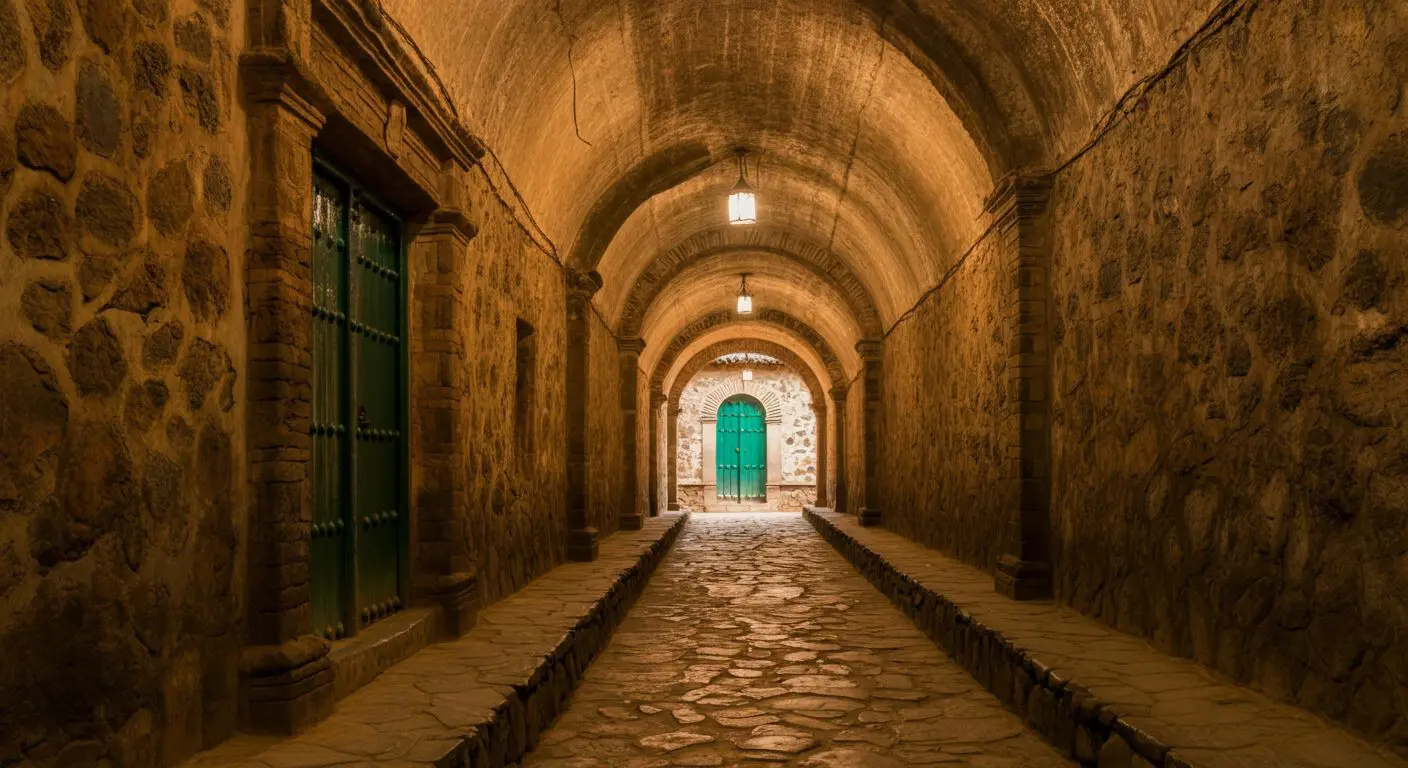
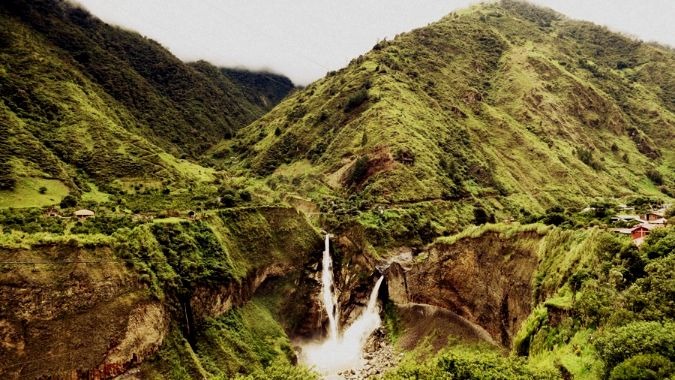
 Ecuador is one of the smallest and most compact countries in South America / Photo: Gilda Selis[/caption] Jungle, mountains, and sea make Ecuador a perfect invitation. The options are so many that you don't know where to start. But don't worry, at Daytours4u, we always help you organize your trips. In this article, we'll tell you why you should include Ecuador in your South American itinerary and share 5 places to start exploring this country.
Basin
Cuenca is a great starting point for exploring the Andean mountain range of Ecuador. This city, crossed by four rivers, is known as the " Athens of Ecuador " for the grandeur of its architecture. Its carefully preserved historic center, a UNESCO World Heritage Site , is home to colonial buildings with red gabled roofs and well-preserved facades that line the cobblestone streets, artisan workshops, Baroque balconies, small markets, and churches distinguished by their Gothic and Renaissance domes. [caption id="attachment_4361" align="aligncenter" width="675"]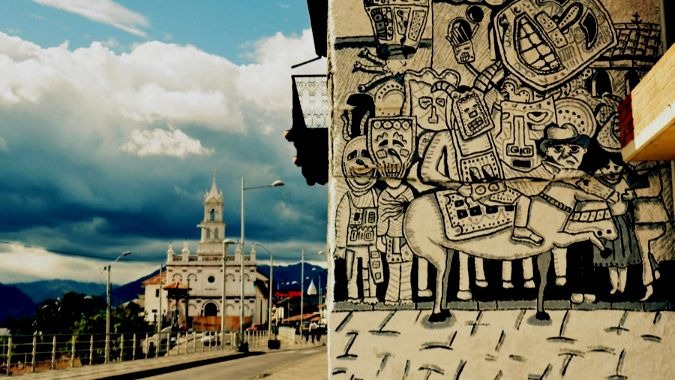 The beautiful historic center of Cuenca was declared a World Heritage Site by UNESCO / Photo: Gilda Selis[/caption] For a long time, Cuenca was famous for being an extremely religious city . But there is another facet of it that doesn't appear in travel guides. It's the city that speaks through its walls. Just a few blocks from the historic center, murals begin to appear. Cuenca's artists not only create true works of art—albeit ephemeral—but also use these spaces as exhibition platforms and as a way to express themselves. Every hundred meters, the walls become a canvas, and the city transforms into an open-air museum where all kinds of themes and techniques coexist.
Yasuní National Park
Reason enough to visit Yasuní National Park is that, at 10,200 km², it is one of the most biodiverse regions in the world. It has more animal species per hectare than all of Europe combined and as many tree species per hectare as exist in all of North America. This translates into the feeling of constantly entering the Amazon rainforest , of being enveloped in a landscape dominated by giant trees, hearing sounds that seem like ringtones, without knowing where they come from. [caption id="attachment_4365" align="aligncenter" width="675"]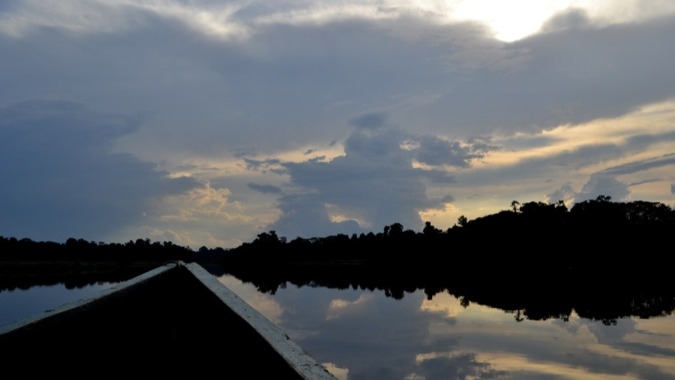 Yasuní National Park is one of the most biodiverse regions in the world / Photo: Gilda Selis[/caption] The gateway is the oil town of El Coca , from where boats depart to navigate the Napo River. As you travel further, the jungle seems to stretch to infinity. You must enter Yasuní slowly, through rushing rivers and swamps. Always accompanied by qualified guides, you hike through the tangle of greens composed of mosses, ferns, lianas, and climbing plants. You also spot exotic species such as pink river dolphins and hoatzins, a prehistoric bird with a sound similar to a smoker's puffing. Communities like the Taromenane and the Tagaeri also live here, two ethnic groups who have lived immersed in the lush vegetation for hundreds of years in voluntary isolation from civilization. Others, like the Kichwa and Haorani, live off tourism and allow travelers to enter their villages and share their daily life with them.
Bathrooms
Baños de Agua Santa is a small town located at the foot of the Tungurahua Volcano at an altitude of 1,820 meters above sea level. In this corner of the country, nature displays its full splendor, making it the perfect place for adventure sports in Ecuador. Here, adrenaline and active tourism reign supreme. Venturing into its lush vegetation, you'll find rivers full of rapids for rafting of varying difficulty, high mountains for zip-lining, trails for trekking, or downhill mountain biking routes that lead to stunning waterfalls with a powerful flow of water. The diverse natural landscapes also allow for rock climbing, kayaking, and bungee jumping. [caption id="attachment_4360" align="aligncenter" width="675"] Baños de Agua Santa is the ideal place to practice all kinds of adventure sports / Photo: Gilda Selis[/caption] If you belong to those brave travelers who enjoy any activity that provides an adrenaline rush, then don't miss Baños. And when you run out of energy after a full day of adventure, you can relax in the thermal pools that spring at high temperatures (reaching up to 55ºC) from the ground of the Tungurahua volcano, and which are associated with healing properties.
Quito
A trip to Ecuador wouldn't be complete without a visit to its capital city . The charm of this city lies in its historic center, a must-see for at least two days. Declared a World Heritage Site by UNESCO , it is characterized by its monasteries, Baroque and Gothic churches (there are 54 churches), monuments, and colonial architectural buildings that make up the largest and best-preserved historic center in South America. [caption id="attachment_4363" align="aligncenter" width="675"]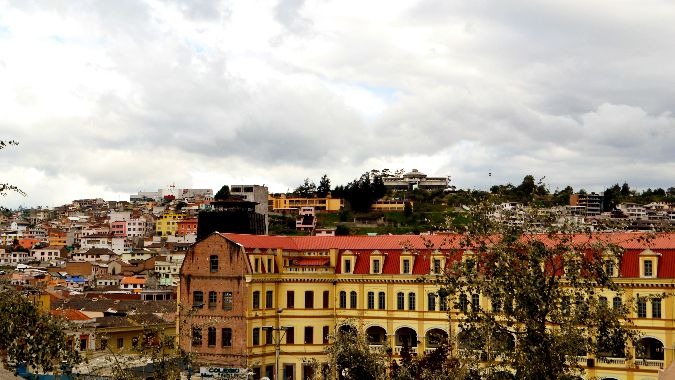 Quito boasts the largest and best-preserved Historic Center in all of South America / Photo: Gilda Selis[/caption] Facing Independence Square, the Cathedral is the oldest and most important church, housing a significant collection of artwork , murals, and carved images. The Church of the Society of Jesus is also noteworthy, as its interior columns, altars, and ceilings are completely covered in 23K gold leaf. On its cobblestone streets and colorful plazas, colonial architecture blends with modern buildings, creating a vibrant urban atmosphere. Quito is also home to a lively nightlife . On the traditional La Ronda street—the birthplace of artists and historical figures—you can discover artisan workshops in old 18th-century houses or enjoy a drink in one of the trendy cafes or bars where, as night falls, live music takes center stage. Furthermore, Quito is located 2,800 meters above sea level and is surrounded by enormous volcanoes and mountains that you can admire from its incredible viewpoints such as El Panecillo, Cruz de Loma, Mirador de Guápulo, the Itchimbía Park viewpoint, and the Yaku viewpoint, where you'll enjoy wonderful panoramic views of the city. Finally, it's worth visiting a more distant point: the Middle of the World , just over 25 kilometers from the center of Quito. This is the place where the Equator passes, dividing the northern and southern hemispheres of the planet; in fact, this is where the country's name comes from. Another nearby and unmissable attraction is the Pululahua Volcano , just a 10-minute drive away, where you'll discover an active volcano inhabited by the people of San Isidro de Pululahua, where silence is the main feature of the crater community. [caption id="attachment_4364" align="aligncenter" width="675"]
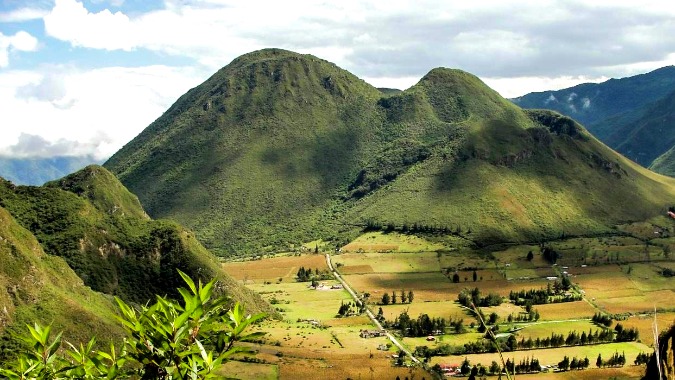 The active Pululahua volcano is another must-see in Ecuador / Photo: Daytours4u[/caption] Travel tip : Discover the hidden gems of the Ecuadorian capital with the Classic Quito City Tour and book our Middle of the World Tour now. For more information, we recommend reading the article “ Tips for visiting Quito and its main attractions .”
Puerto López
Puerto López is located in Manabí , 485 km (about an eight-hour drive) from Quito, and is a prominent tourist destination thanks to its many nearby attractions within Machalilla National Park , such as Los Frailes beach. Considered one of the most beautiful beaches in Ecuador, Los Frailes offers a hiking trail to a viewpoint, opportunities to explore the dry forest, and ecological excursions. It's an ideal destination for relaxation because pets are not allowed, there are no vendors on the beach, and it's usually practically deserted. Visitors come here seeking tranquility and a more relaxed atmosphere, escaping the noise and overcrowded Montañita—located an hour away. [caption id="attachment_4362" align="aligncenter" width="675"]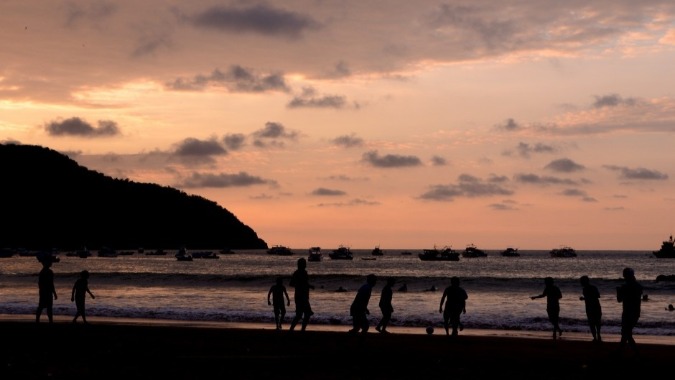 Puerto López is an ideal destination for relaxation and ecotourism / Photo: Gilda Selis[/caption] In this small fishing village , located on the Pacific coast, you can also enjoy the cuisine specializing in fresh fish and seafood, prepared with local products that can then be found in the restaurants and bars along the boardwalk. There you'll also find agencies offering tours to various nearby destinations, such as boat trips to Isla de la Plata and Isla Salango for humpback whale watching from June to September, kayaking, snorkeling, and diving and fishing tours while visiting islets. One scene perfectly encapsulates the soul of this small town: fishing boats and tour boats with pelicans and blue-footed boobies flying around them. Sometimes, you can even see sea turtles swimming nearby.
By: Gilda Selis , travel journalist. Author of the blog Mi Bitácora de Viajes and the book En Movimiento, geografía interna de una chica que viaja de acá para allá.
Published by Has Chacon on 03/06/2026


