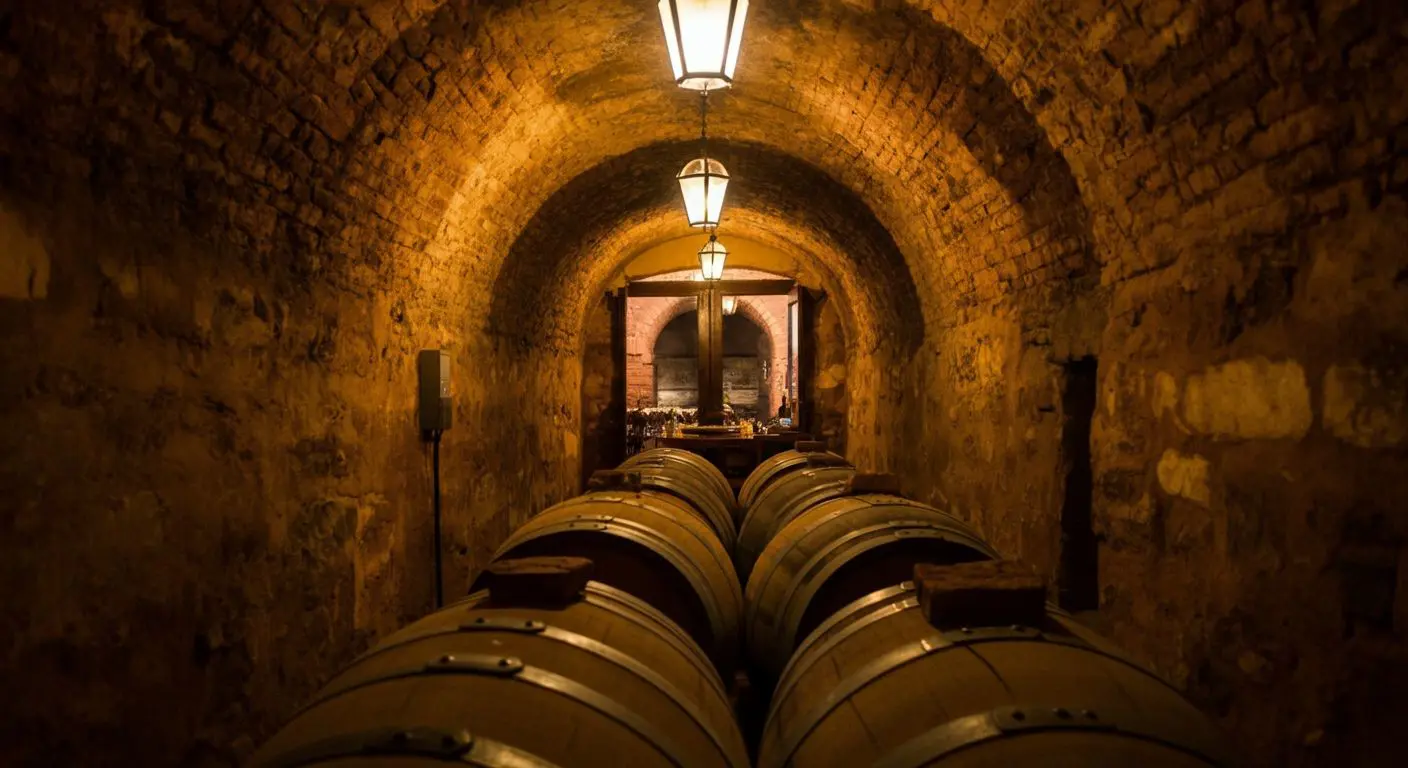
 Discover what sets South American wines apart from the rest of the world / Photo: Turistik[/caption]
But before you read the opinions of our interviewees and start savoring your next travel destination, we want to share two interesting facts : 1. The main wine-producing region in South America during the 16th and 17th centuries wasn't Argentina, Chile, or Uruguay, but Peru, which was displaced in subsequent centuries due to earthquakes, wars, and the emergence of cotton as a more commercially valuable commodity. From the 18th century to the present day, the Southern Cone has taken the lead, and Brazil, starting in 1830, became the third largest wine producer in the region after Chile and Argentina. 2. Wine tourism isn't just about traveling to get drunk; it involves visiting a wine region, learning about the winemaking process, touring vineyards and wineries, discovering the history of each grape variety, participating in tastings, and complementing all of this with local cuisine. As you can see, it's a complete and fascinating experience that you should definitely include in your travel itinerary. In the following lines, we'll share the opinions of experts: Amanda Barnes , British journalist and editor specializing in South American wines and tourism; Claudia Yanzón , owner and director of the Hop On & Hop Off Wine Bus - Bodegueando in Mendoza, Argentina; Carol Abousleiman , journalist, sommelier, and teacher currently working on the Wine and Chats project in Buenos Aires; and Francisco Pizzorno , fourth generation of the family that founded Bodega Pizzorno in Montevideo, Uruguay , export manager, and director of tourism for the winery, who will speak specifically about the Uruguayan experience. Discover South American wines and become an expert! [caption id="attachment_3887" align="aligncenter" width="675"]
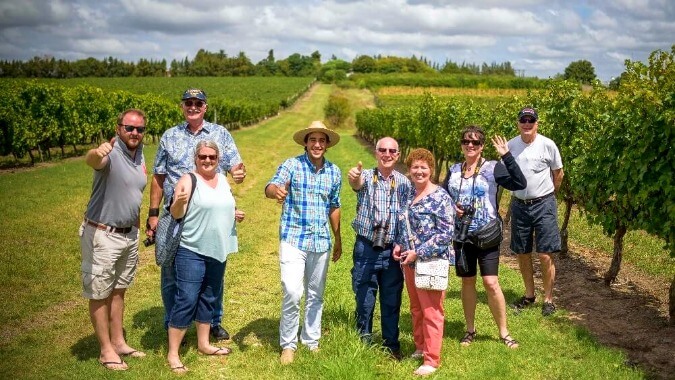 Wine tourism is an experience you should definitely include in your visit to South America / Photo: Pizzorno Winery[/caption]
1. What makes South American wines stand out from the rest of the world?
- Amanda Barnes: South America offers a world of wines, from the fresh, coastal Sauvignon Blanc of Leyda in Chile and the fragrant, high-altitude Torrontés of Salta to the rich Malbec of Mendoza and the spicy, juicy Tannat of Uruguay. There are so many different wine styles and climates to explore that it's almost impossible to generalize about South American wine. - Claudia Yanzón: South American wines, included within the New World wine category, are fruity and fresh, where the typicity of each varietal allows you to better perceive the differences between each grape. The main difference with Old World wines is that they have longer barrel aging than ours here in South America. - Carol Abousleiman: I wouldn't unify the criteria for "South American" wines because within the same country we already have different styles and approaches. For example, in Argentina, the desert climate of the Andes, the extreme altitudes of Salta, Patagonia, and now the oceanic influence in the province of Buenos Aires, near the city of Mar del Plata, generate very different wine profiles, determined by their aromas, flavors, alcohol levels, good acidity, and tannins. What I would highlight about our Southern Cone is the quality achieved in recent decades and the search for a unique identity , one that only place can provide. In that sense, we are following the path that Europe has been forging for hundreds of years. - Francisco Pizzorno: From my specific experience with Uruguayan winemaking, I would highlight its family-oriented aspect , and that is how we promote ourselves to the world. Tannat is the grape variety that Uruguay has adopted as its national grape, and we have the largest area planted with Tannat in the world. Another noteworthy feature of Uruguay's wine industry is that a country with just three million inhabitants boasts 190 wineries, primarily located in Colonia, Montevideo, Canelones, and Maldonado. [caption id="attachment_3888" align="aligncenter" width="675"]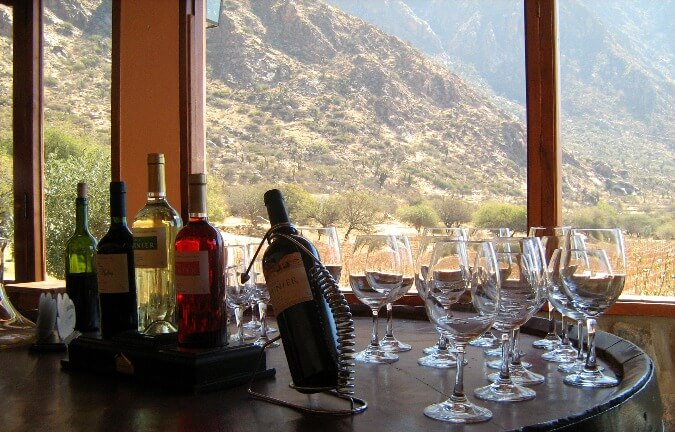 There are as many wines as there are climates in the Southern Cone; this photo shows labels from El Cafayate with the landscape of Salta, Argentina in the background / Photo: Daytours4u[/caption]
2. What is the current state of wine tourism in South America?
- Amanda Barnes: Wine tourism is definitely growing in South America, and I think the reason for this, besides the region's great labels, is the fantastic travel experience this type of tourism offers. Visiting a vineyard and a winery on this continent means visiting a family, seeing a different way of life, and probably ending with a horseback ride and enjoying wine at a barbecue with your new friends. The wine tourism experience in South America goes far beyond the bottle. - Claudia Yanzón: Undoubtedly, it's growing. Wine tourism, being the common thread of experiences linked to gastronomy, offers greater development opportunities in the different wine regions. In restaurants in Mendoza, for example, there are set menus with the option of tasting wine while you eat; and the wineries themselves also have their own small restaurants where you can try glasses of different wines accompanied by appetizers. Another indication that wine tourism is growing is the fact that wineries (in Mendoza alone there are 175 open year-round to tourism) have created hospitality spaces , with a host—who is more than just a tour guide—who tells you everything about the wines and their pairing recommendations. - Carol Abousleiman: I think it's a sector with enormous potential , whose competitive advantage lies in the fantastic landscapes and natural sites we possess and the excellent work of the wineries in this regard, some of which have made very strong and high-level investments. Undoubtedly, the sector is growing, and there's still much to be done. Today, consumers are curious to know where wines are made, to explore different places, visit vineyards and wineries, chat with the winemakers, oenologists, and agronomists, and thus experience unforgettable moments that only wine can offer. - Francisco Pizzorno: Wine tourism in Uruguay has come to rescue the industry and has become a sustainable and motivating business unit. Currently, more wineries are open to wine tourism, and their connection to gastronomy has led to the creation of more attractive offerings . An interesting fact about the wine industry in Uruguay is that 90% of winery tourists are Brazilian, and this is extremely important for our country, as it encourages us to work together with our neighboring country and with Argentina as well. [caption id="attachment_3889" align="aligncenter" width="675"] Wine tourism and gastronomy always go hand in hand, offering travelers great experiences for all the senses / Photo: Campotinto Winery[/caption]
3. What are the major challenges for wine tourism in South America?
- Amanda Barnes: Geographical distances are a challenge in South America, as the countries are vast and diverse. This means it takes longer than you think to reach the different wine routes, so you have to plan for more time if you really want to enjoy your experience. - Claudia Yanzón: Continue improving quality, increase production volumes , become proficient in languages (mainly Portuguese and English), and continue expanding opening hours to meet demand. - Carol Abousleiman: I would say consolidate a long-term public policy on this. And, in the case of Argentina, foster closer collaboration between private entities to work together toward a common goal. This is something we sometimes struggle with, I think due to a cultural tendency toward individualism. But I'm optimistic that we'll find a way to do it and grow. As the private and public sectors understand this and work together, wine tourism can become a very strong driver for boosting tourism in the continent. - Francisco Pizzorno: The great challenge is to develop increasingly professional wine tourism , led by qualified individuals to guide the tours, with investments in infrastructure that allow for the consolidation of the routes, because the main elements—the history, the wineries, and the culture—are already there. Wine tourism is, and must continue to be, the link between the technical aspects of the wine world and the consumer, providing the latter with the tools to make informed decisions when selecting their wines. [caption id="attachment_3890" align="aligncenter" width="675"]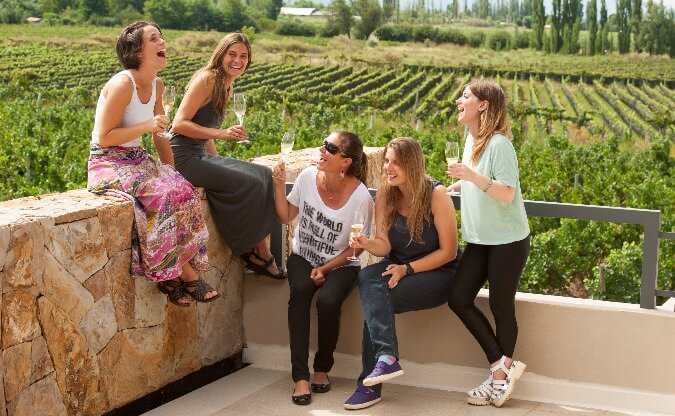 Discover South America through its wines and treat yourself to a fantastic travel experience / Photo: Mendoza Wine Bus[/caption]
...
Wine is, therefore, part of the essence of South America and an aspect of our culture that every tourist will enjoy experiencing. As the American writer and journalist Ernest Hemingway said, “Wine is the most civilized thing in the world,” and in South America we agree with him and invite every traveler to taste the delicious and unique grape varieties of our continent. Discover South America through wine!By: Keilma Rojas , web content editor at Daytours4u
Published by Has Chacon on 03/06/2026


