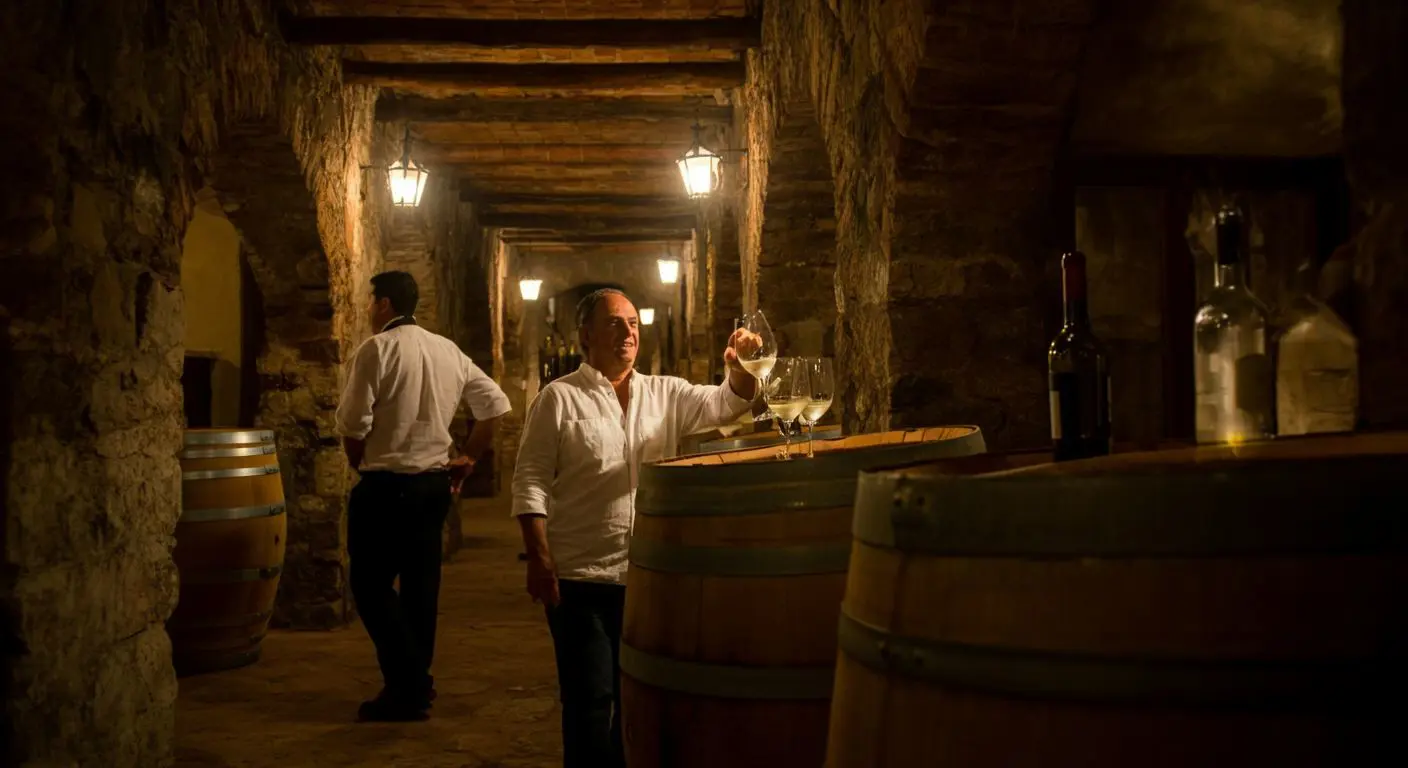
 Learn what differentiates South American wines from the rest of the world / Photo: Turistik
But before you read the opinions of our interviewees and start savoring your next travel destination, we want to share some interesting facts : 1. The main wine-producing region of South America in the 16th and 17th centuries was neither Argentina, nor Chile, nor Uruguay, but Peru, which was replaced in subsequent centuries due to earthquakes, wars, and the emergence of cotton as a raw material of greater commercial interest. From the 18th century to the present day, the Southern Cone has taken the lead, and even Brazil, from 1830 onwards, ranked as the third wine-producing power in the region after Chile and Argentina. 2. Wine tourism doesn't mean traveling to get drunk; it consists of visiting a wine region, learning about the winemaking process, touring vineyards and wineries, learning about the history of each grape variety, participating in tastings, and complementing all of this with gastronomy. As you will see, it is a complete and fascinating experience that you should include in your travel itinerary. In the following lines, we will show you the opinions of the experts: Amanda Barnes , a British journalist and editor specializing in South American wines and tourism; Claudia Yanzón , owner and director of the Wine Bus along the Wine Routes , in Mendoza, Argentina; Carol Abousleiman , journalist, sommelier, and teacher currently working on the Wine and Chats project in Buenos Aires; and Francisco Pizzorno , from the fourth generation of the family that created Bodega Pizzorno in Montevideo, Uruguay , export manager and director of tourism for the aforementioned winery, who will tell us all about the Uruguayan experience. Discover South American wines and become an expert on the subject! [caption id="attachment_3887" align="aligncenter" width="675"]
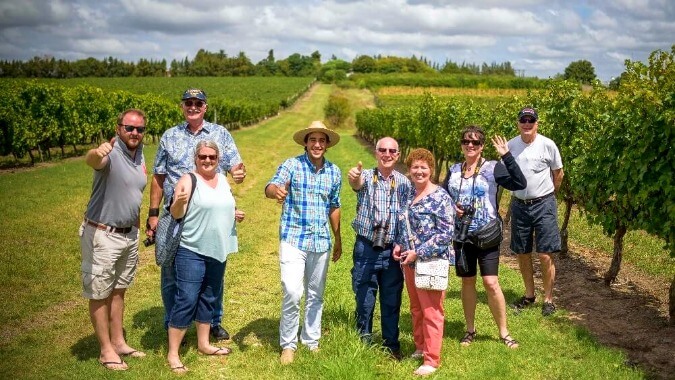 Wine tourism is an experience that you should definitely include on your visit to Suramérica / Photo: Bodega Pizzorno[/caption]
1. How do South American wines differ from those of the rest of the world?
- Amanda Barnes: South America offers a world of wines, from the fresh, coastal Sauvignon Blanc of Leyda in Chile, to the fragrant, high-altitude Torrontés of Salta, to the delicious Malbec of Mendoza and the spicy, juicy Tannat of Uruguay. There are so many different styles of wine and climates to explore that it's almost impossible to generalize about South American wine. - Claudia Yanzón: South American wines, included within the New World wine category, are fruity and fresh, where the characteristics of each varietal allow you to better perceive the differences of each grape variety. The main difference from Old World wines is that they have a longer aging period in barrels than our wines here in South America. - Carol Abousleiman: I wouldn't lump them all together in the "South American wines" category because within the same country we already have different styles and approaches. For example, in Argentina, the desert climate of the Andes, the extreme altitudes of Salta, the cold of Patagonia, or the oceanic influence in the province of Buenos Aires, near the city of Mar del Plata, generate very different wine profiles, determining their aromas, flavors, alcohols, acidity, and tannins. What I would highlight about our Southern Cone is the quality achieved in recent decades, and the search for its own identity , one that only the place can provide. In this sense, we are following the path that Europe has been forging for hundreds of years. - Francisco Pizzorno: From my concrete experience with Uruguayan viticulture, I highlight its family aspect , and this is how we position ourselves in the world. Tannat is the grape variety that Uruguay has adopted as its "national grape," and we have the largest quantity of Tannat planted in the world. Another noteworthy characteristic of winemaking in Uruguay is the fact that a country with only three million inhabitants has 190 wineries, mainly distributed in Colonia, Montevideo, Canelones, and Maldonado. [caption id="attachment_3888" align="aligncenter" width="675"]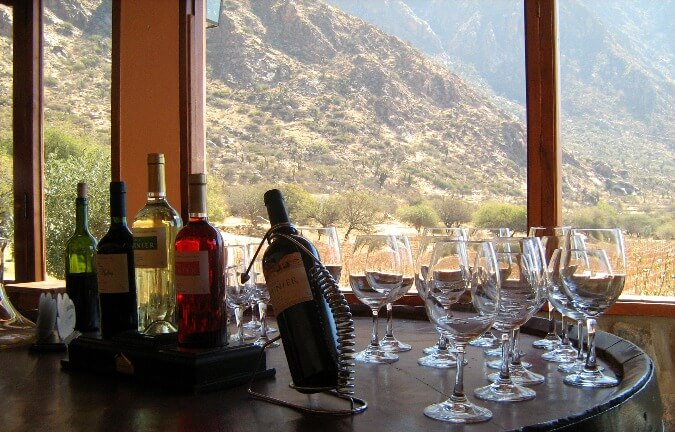 There are as many wines as there are climates in South America; this photo shows wines from El Cafayate and in the background the landscape of Salta, Argentina / Photo: Daytours4u
2. What is the current state of wine tourism in South America?
- Amanda Barnes: Wine tourism is definitely growing in South America, and I believe the reason for this, besides the region's great labels, is the fantastic travel experience that this type of tourism activity provides. Visiting a vineyard and a winery on this continent means visiting a family, seeing a different lifestyle, and probably ending with a horseback ride and enjoying wine at a barbecue with your new friends. The wine tourism experience in South America goes far beyond the bottle. - Claudia Yanzón: Without a doubt, it's growing. Wine tourism, being the connecting thread for experiences linked to gastronomy, offers greater opportunities for development in the different wine regions. In Mendoza restaurants, for example, there are set menus with the possibility of tasting wine while having lunch; and the same wineries also have their small restaurants that allow you to sample glasses of different wines accompanied by a charcuterie board. Another piece of information that makes us consider that wine tourism is growing is the fact that wineries (in Mendoza alone there are 175 open to tourism year-round) have created hospitality spaces , with a host – who is more than just a tour guide – who tells you everything about the wines and their recommendations for pairings. - Carol Abousleiman: I think it's a sector with enormous potential , whose differential lies in the fantastic landscapes and natural places we possess and in the good work of the wineries in this regard, some with large and very high-level investments. Without a doubt, the sector is growing and there is still much to be done. Today, consumers are curious to know where wines are made, they want to travel to the places, visit vineyards and wineries, talk to their producers, oenologists, agricultural engineers, and thus live unforgettable experiences that only wine can offer. - Francisco Pizzorno: Wine tourism in Uruguay has come to rescue the industry and has become a sustainable and motivating business unit. Currently, more wineries are open to wine tourism, and its relationship with gastronomy has allowed for the creation of more attractive offerings . An interesting fact about winemaking in Uruguay is that 90% of winery tourists are Brazilian, and this is extremely important for our country, as it encourages us to work together with this neighboring country and with Argentina as well. [caption id="attachment_3889" align="aligncenter" width="675"] Wine tourism and gastronomy are great allies in offering tourists experiences for all the senses / Photo: Bodega Campotinto
3. What are the major challenges for wine tourism in South America?
- Amanda Barnes: Geographical distances are a challenge in South America, as the countries are large and diverse. This means it takes much longer than you think to reach the wine routes, and therefore you need to allocate more time if you want to make the most of your experience. - Claudia Yanzón: Continue growing in quality, increase production volumes , speak languages (mainly Spanish, Portuguese, and English), and continue expanding service hours to meet demand. - Carol Abousleiman: I would say that consolidating a long-term public policy is crucial. And, in the case of Argentina, a closer relationship between wineries to work together towards a common goal. Something that is sometimes difficult; I think it's a cultural issue that leads us to individualism. But I am optimistic and believe that we will find a way to do this and grow. As the private and public sectors understand and work together, wine tourism can become a very solid vector to encourage tourism on the continent. - Francisco Pizzorno: The great challenge is to develop increasingly professional wine tourism , led by qualified people to conduct the tours, with investments in infrastructure that allow the consolidation of routes, such as the main ones, which are the history, the wineries and the culture, that already exist. Wine tourism is and should continue to be this link between the technical aspects of the wine world and the consumer, to provide them with tools that allow them to make good decisions when selecting their labels. [caption id="attachment_3890" align="aligncenter" width="675"]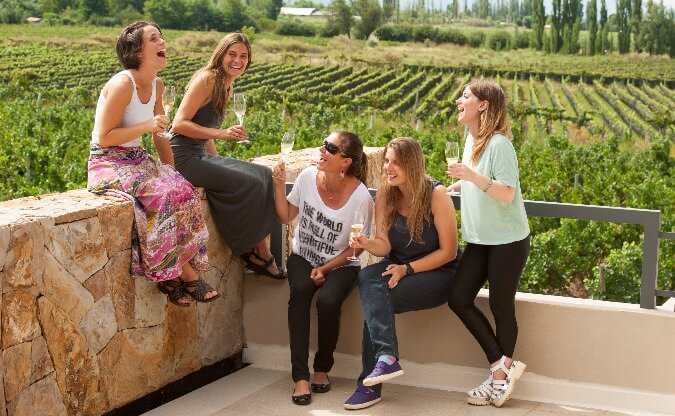 Discover South America through its wines and have a fantastic travel experience / Photo: Mendoza Wine Bus
...
Wine is undoubtedly part of the South American essence and an aspect of our culture that every tourist will enjoy experiencing. As the American writer and journalist Ernest Hemingway said, "Wine is the most civilized thing in the world," and in South America we agree, inviting every tourist to taste the delicious and unique grape varieties of our continent. Discover South America through wine!By: Keilma Rojas , web content editor at Daytours4u
Published by Hernan Garriga Zimmermann on 03/06/2026


