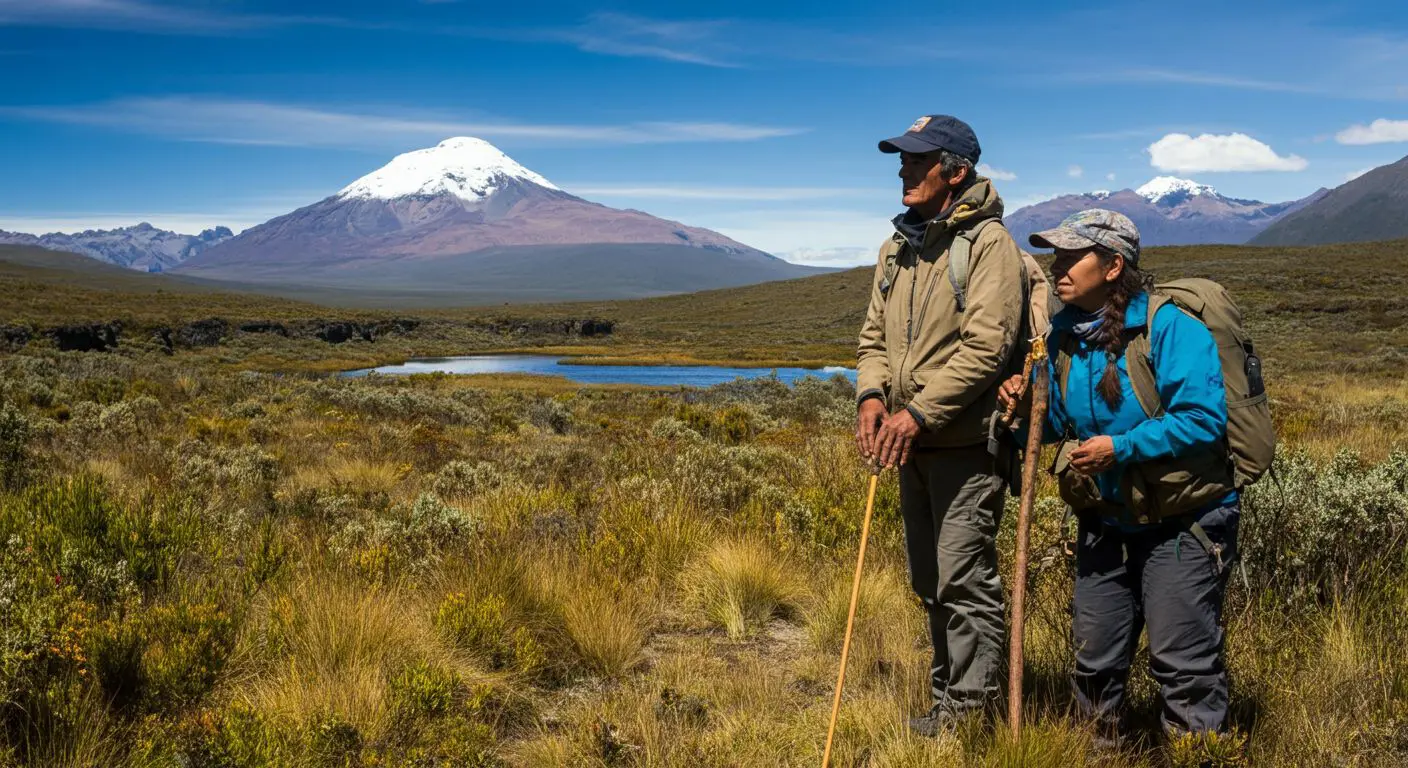
 Only 12% of the world's population breathes clean air / Photo: Rcn Radio[/caption] It has been shown that half of the population living in cities is exposed to pollution up to 2.5 times higher than the levels recommended by the World Health Organization (WHO). Moreover, according to a study conducted in 1,600 cities across 91 countries, it has been proven that only 12% of the world's population breathes clean air. While this study showed that Latin America was not among the most polluted regions , like the Middle East, Asia, and Africa, where many cities exceeded the WHO's recommended limit of 40 μg/ m³ , five Latin American countries appeared among those with the worst air pollution levels, according to the 2018 World Air Quality Report by AirVisual and Greenpeace. Peru tops the list at 21st place, followed by Chile at 26th, Mexico at 33rd, Brazil at 44th, and Colombia at 55th. As for capital cities, Santiago, Chile, ranks 20th with the worst air quality, Lima 22nd, Mexico City 33rd, and Bogotá 44th in the global ranking (in less than six weeks, Bogotá declared an environmental emergency three times due to poor air quality). [caption id="attachment_13918" align="aligncenter" width="675"]
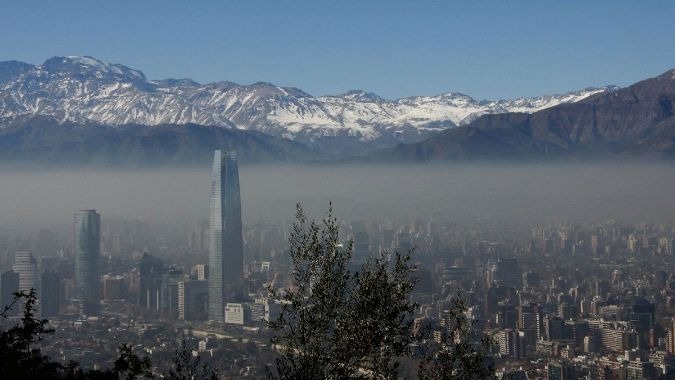 Among the capital cities with the worst air quality, Santiago ranks 20th, Lima 22nd, Mexico City 30th, and Bogotá 44th / Photo: Radio Chile CI[/caption] Calculating the exact level of pollution in a city is not easy. There are far too many variables to consider, and each has different measurement criteria. This report is based on the measurement of PM2.5 polluting particles —the smallest and most harmful, since they can penetrate directly into the lungs—and therefore the best indicator of the health risks of environmental pollution . The “reasonable” level of these particles is an annual average of 10 μg/ m³ . If the level is higher than this, pollution is considered harmful to health, and if it is lower, the air is considered clean. But fortunately, all is not lost. There are still places in South America where you can breathe clean air, and today we're sharing our top 3:
Salvador de Bahia, Brazil
Salvador de Bahia is considered the cleanest-looking city in Latin America , because the annual average shows only 9 micrograms of PM2.5 per cubic meter suspended in the air. Beaches, forest reserves, rivers, lakes, reefs, and abundant vegetation are part of the so-called Green Line, ecologically protected by a foundation dedicated to nature conservation. One of its villages protects Brazil's most important turtle reserve. All of this, along with its nearly one million inhabitants who have a deep respect for the environment and are committed to maintaining pollution control, results in minimal environmental pollution. [caption id="attachment_13919" align="aligncenter" width="675"]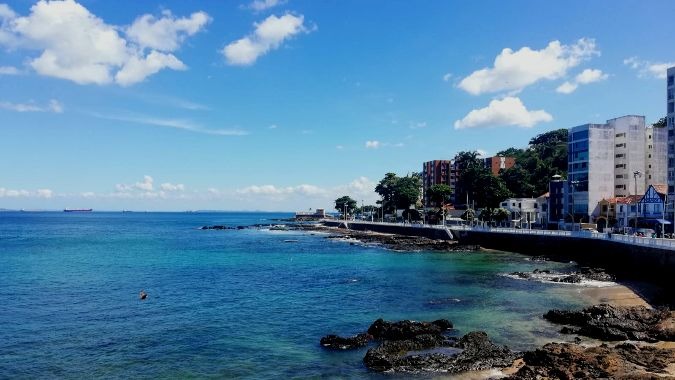 Salvador de Bahia is the city with the cleanest air in South America / Photo: Daytours4u[/caption]
Ibarra, Ecuador
It holds second place because it contains 9 micrograms of PM2.5, while 18 micrograms of PM10 were recorded, whereas in Salvador the PM10 level was 17. One of the reasons why its air is so clean, according to Segundo Fuentes, Deputy Secretary of the Environment, is that different air currents coming from the coast enter the Chota Valley . In addition, the relatively new car fleet, the low presence of industry, and reforestation and forest protection projects are some of the factors that have allowed Ibarra to maintain its clean air. [caption id="attachment_13920" align="aligncenter" width="675"]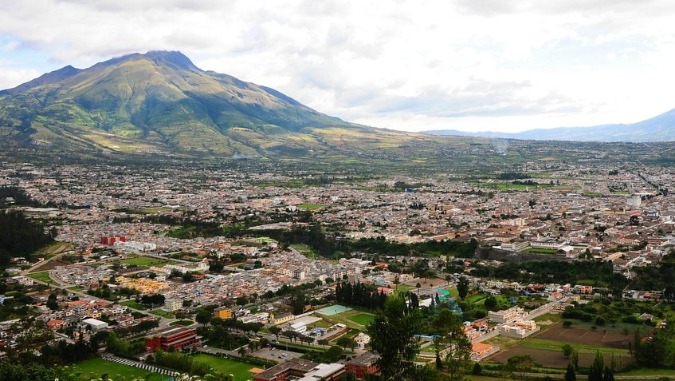 The relatively new car fleet, the low presence of industries, and reforestation and forest protection projects are some of the factors that have allowed Ibarra to maintain its clean air / Photo: Marcelo Quinteros[/caption]
Montevideo, Uruguay
In 2018, the Uruguayan capital surprised everyone with a near-perfect score in chronic PM2.5 particle exposure, well above most of its South American neighbors. The frequency of winds, its moderate terrain with few major topographical features, and its proximity to the Río de la Plata provide Montevideo with favorable conditions for the natural dispersion of pollutants. Activities that consistently affect air quality include the burning of fuels for transportation and industry; the use of wood for commercial or residential purposes; electricity generation in thermal power plants; and open burning of waste. The Montevideo government has taken appropriate measures, including a reliable air quality monitoring network with annual reports since 2005, and a national program promoting sustainable mobility and the transition to electric buses. [caption id="attachment_13921" align="aligncenter" width="675"]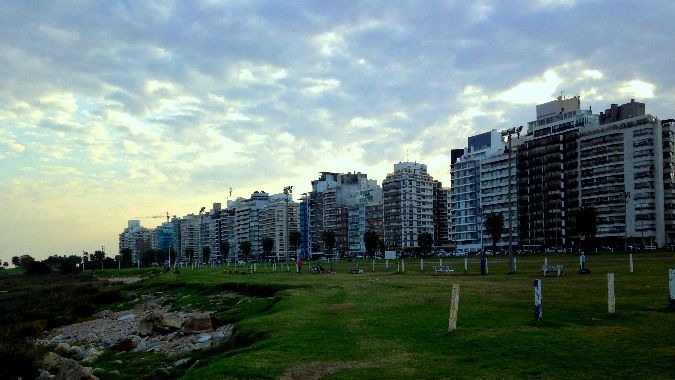 The frequency of winds, its moderate relief with few major topographical accidents and its proximity to the Río de la Plata offer Montevideo a favorable situation / Photo: Daytours4u[/caption] Tip: It is worth making a special mention of Buenos Aires , since the Argentine capital has fewer polluting particles than Quito, Asunción, San Pablo, Caracas, Mexico City, La Paz, Santiago de Chile, Bogota and Rio de Janeiro, but more than Guadalajara, and San José de Costa Rica, if we compare it with other metropolises in the region.
How can we contribute to ensuring access to clean air?
- Reducing vehicle traffic and prioritizing public transportation are the cornerstones of breathing cleaner air. But there's no one-size-fits-all solution; each city must find the most suitable approach for its terrain, climate, and circumstances. - Avoid the use of paints, oils, solvents, and aerosols. - Replace buses with hybrid or hydrogen models and promote carpooling or electric vehicles , since, if powered by green energy, they are more environmentally friendly than any combustion engine. Tip: It's always possible to go further without waiting for political decisions, for example, by opting for renewable energies. - Cycling is our greatest ally in changing mindsets. In practical terms, for younger generations, owning a car is not a priority. In Copenhagen, 50% of students commute by bike; in Germany, the first cycle highway has been inaugurated; and in France, the Bicycle Mileage Allowance initiative pays employees of more than 20 companies who cycle to work 25 euro cents per kilometer traveled. Tip: Websites and apps like those developed by Aqicn.org and the World Air Quality Index Project provide real-time air quality information for over 60 countries worldwide. In short, whether for public health or climate change, for our lungs or the well-being of future generations, to be able to enjoy an afternoon without a wall of polluting gases blocking our view of the sun, the sea, or the mountains, it is vital to have cleaner, more natural air in all cities. If you would like to receive eco-friendly tips for your daily life and travels, follow us on Instagram and join our #GuestOfHonor campaign .By : Nathaly Bosch , Venezuelan, social communicator by profession and curious traveler. Spanish writer for Daytours4u .
Published by Has Chacon on 04/06/2026


