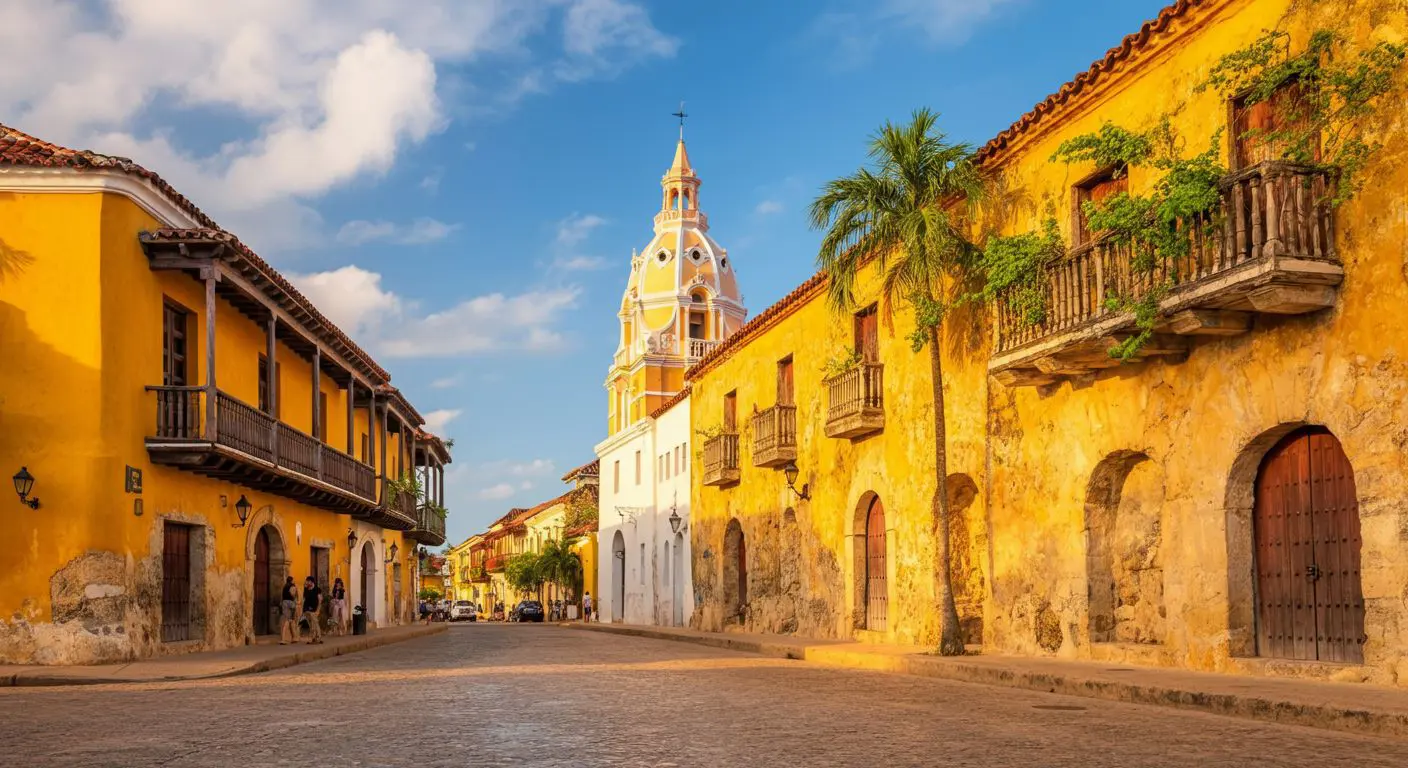
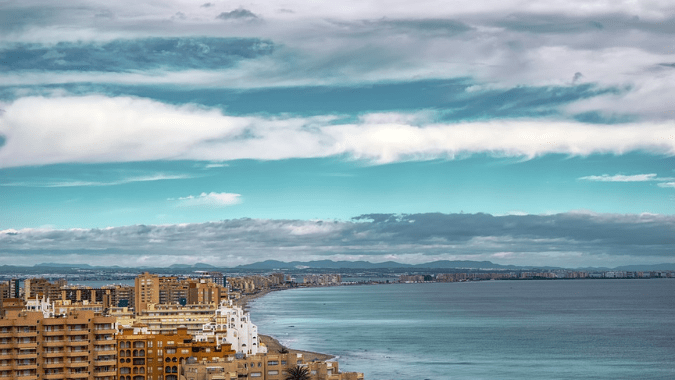
Cartagena, one of the most visited destinations in Colombia / source
Cartagena is a city located in Colombia’s Caribbean coast region and serves as a major port for the country. Although Colombia was once mainly associated with drugs and gangs (thanks in large part to Pablo Escobar and his drug-smuggling activities), the nation is now recognized as a major travel destination, with Cartagena being one of the fastest-growing tourist spots in the country. Similar to most cities in Latin America, Cartagena was named after a Spanish city, after being founded and colonized by the Spaniards. This historic city is known for its cobblestone streets, colorful colonial homes, historic landmarks, white sand beaches and a bustling dining and nightlife scene. The Colombian city is a fascinating place to explore and there are a number of sights and activities that appeal to all types of travelers. With so much to see and do in Cartagena, you can easily spend a couple of days going sightseeing or trying a range of activities. To help you plan for your trip to this coastal city, we have compiled this list of must-see attractions in Cartagena.
Castillo de San Felipe de Barajas
Considered the greatest fortress ever constructed by the Spaniards and easily one of Cartagena’s most popular landmarks is the Castillo de San Felipe de Barajas. Built in 1657, this glorious castle sits atop a 130-foot tall Hill of San Lazaro. Due to its strategic location, the fortress served as a main line of defense against pirates and foreign conquerors and made Cartagena an impregnable city. At present, the castle is now open to the public as a tourist spot; visitors are given audio guides to give a background on the structure’s historic significance and to help them navigate through the complex series of tunnels housed within the castle. Tours of the castle led by a professional guide are also available (book online here).
Walled City of Cartagena (La Ciudad Amurallada)
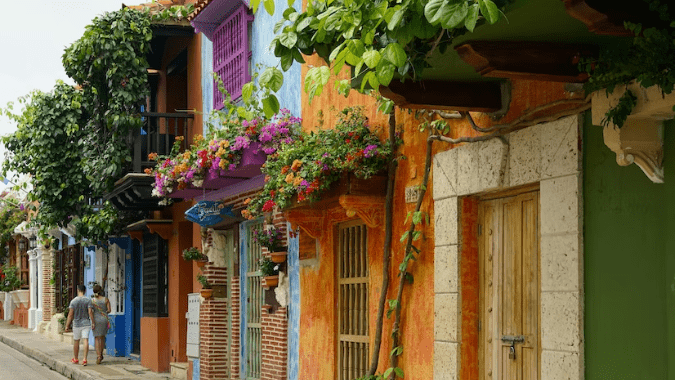
The colorful streets of Cartagena are a real attraction for tourists / source
The Walled City of Cartagena is arguably the most iconic attraction, not just in the city, but in the whole of Colombia. Completed in 1796, the city walls are filled with colonial architecture and it currently serves as Cartagena’s historic center. Unlike most walled cities in the world, Cartagena’s has been restored to its former glory and was designated as a UNESCO World Heritage Site. The area is also home to some of the city’s most recognizable landmarks, including the Torre del Reloj (Clock Tower), Plaza de los Coches, and the Plaza Santo Domingo. One of the best ways to travel and experience the Walled City is by riding a horse-drawn carriage that will take you around the area.
Museo del Oro Zenu
The Zenu indigenous people once lived in Cartagena’s coastal regions and are renowned for their incredible goldsmith skills. The Museo del Oro Zenu is a way to immortalize their amazing work. Located in the famous Plaza Bolivar, the museum is dedicated to sharing the history of the Zenu tribe and the role of gold in their lives and highlighting the indigenous people’s talent and ingenuity. The Museo del Oro Zenu boasts more than 500 golden pieces made into interesting shapes and forms. The facility also has other interesting features such as an exhibition that shows how the Zenu built the canal network thousands of years ago.
Find here Bounce luggage storage in Cartagena!
Catedral Santa Catalina de Alejandria
The Catedral Santa Catalina de Alejandria is Cartagena’s main church and is one of the most recognizable structures in the city. Also referred to simply as the Cartagena Cathedral, it was completed in 1612 and is situated in the city’s historic center. The stunning cathedral is hard to miss with its yellow façade embellished with stucco, large pink dome, and heavy red doors. The church’s interior is equally impressive and features a golden altar and an abundance of intricate wood carvings.
Convento de la Popa
Founded in 1607 by Augustine fathers, the Convento de la Popa is a monastery perched on top of the Mt. Popa Hill, which is the highest point in Cartagena and can easily be seen from anywhere in the city. The structure was built in the 1600s and originally functioned as a convent; over the years, however, it has served a variety of purposes. Today, the Convento de la Popa serves as a museum that houses an array of beautiful religious iconography; some highlights include an image of the city’s patroness, La Virgen de la Candelaria, and a statue of Padre Alonso Garcia de Paredes. The convent also has a lovely patio garden and offers spectacular views of Cartagena.
Getsemani
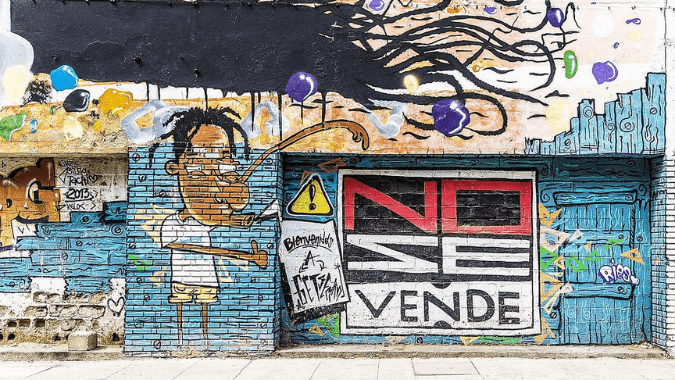
Cartagena stands out for its historical heritage, beautiful beaches and the friendliness of its people / source
Located south of Cartagena’s Old Town, the Getsemani neighborhood is arguably the coolest and most interesting district in the city. Similar to the Walled City, Getsemani also features narrow cobblestoned streets and alleyways, colorful houses, and interesting architecture. Though it may not be as impressive as Old Town, it is still worth exploring because it is less touristy and offers a more authentic Colombian experience. Most activities take place at Plaza de la Trinidad, the neighborhood’s main square filled with trendy cafés, live music venues, and street performers. Also worth checking out when in Getsamani is the various street and graffiti art found all over the area; these works tackle topics such as social inequality, Caribbean lifestyle, and folktales.
Palacio de la Inquisicion
The city of Cartagena served as South America’s main headquarters for the Spanish Inquisition and the Palacio de la Inquisicion was its home. Completed in 1770, the palace is no doubt one of the most beautiful buildings in the Colombian city. However, it was also the site of some horrific events that took place in history; the building was used by the Inquisition to capture, torture, and execute suspected heretics. Today, Palacio de la Inquisicion serves as a museum where visitors can get an in-depth background and knowledge of the notorious Spanish Inquisition and the horrible crimes that they committed. Also displayed inside the museum are different objects and artifacts related to the Inquisition, including torture devices and prison rooms.
By: Usebounce.com
Published by Has Chacon on 03/06/2026


