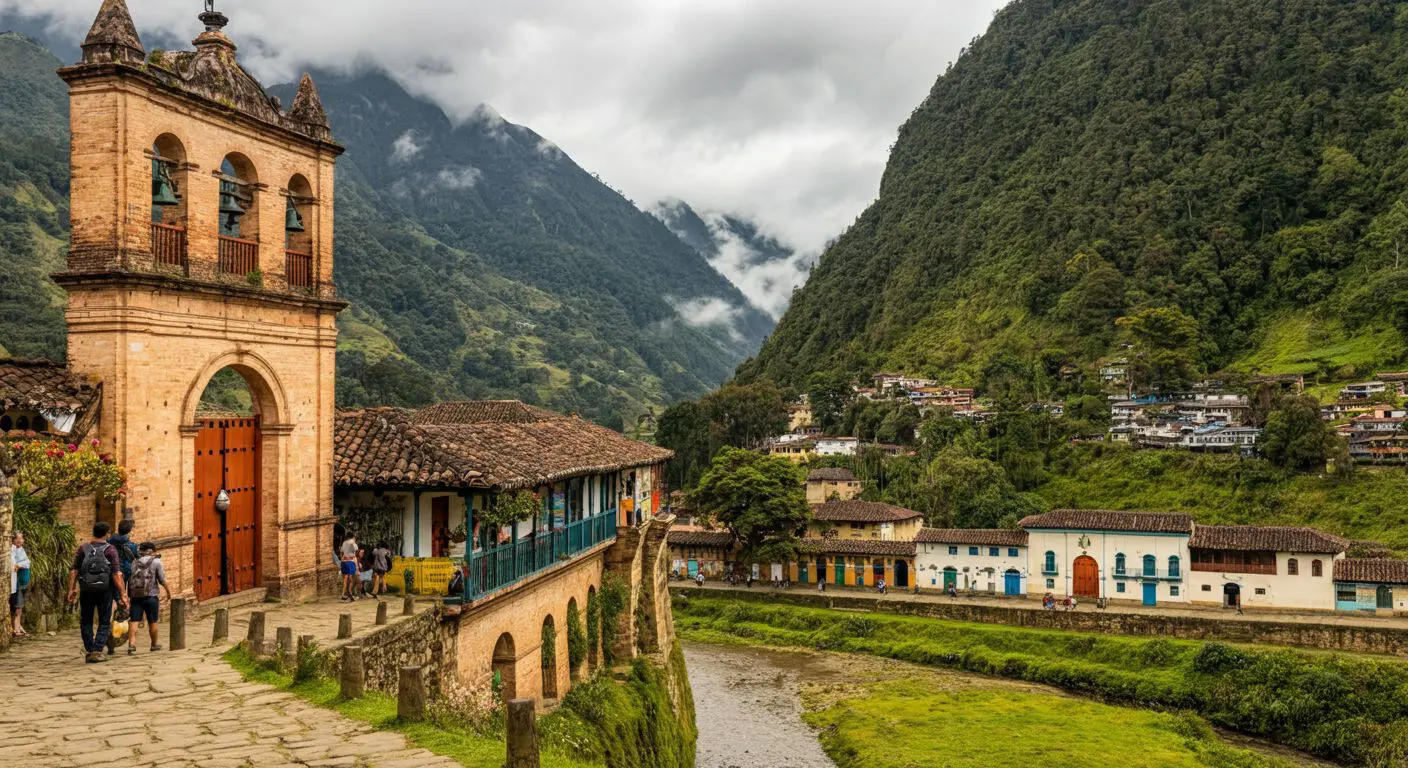
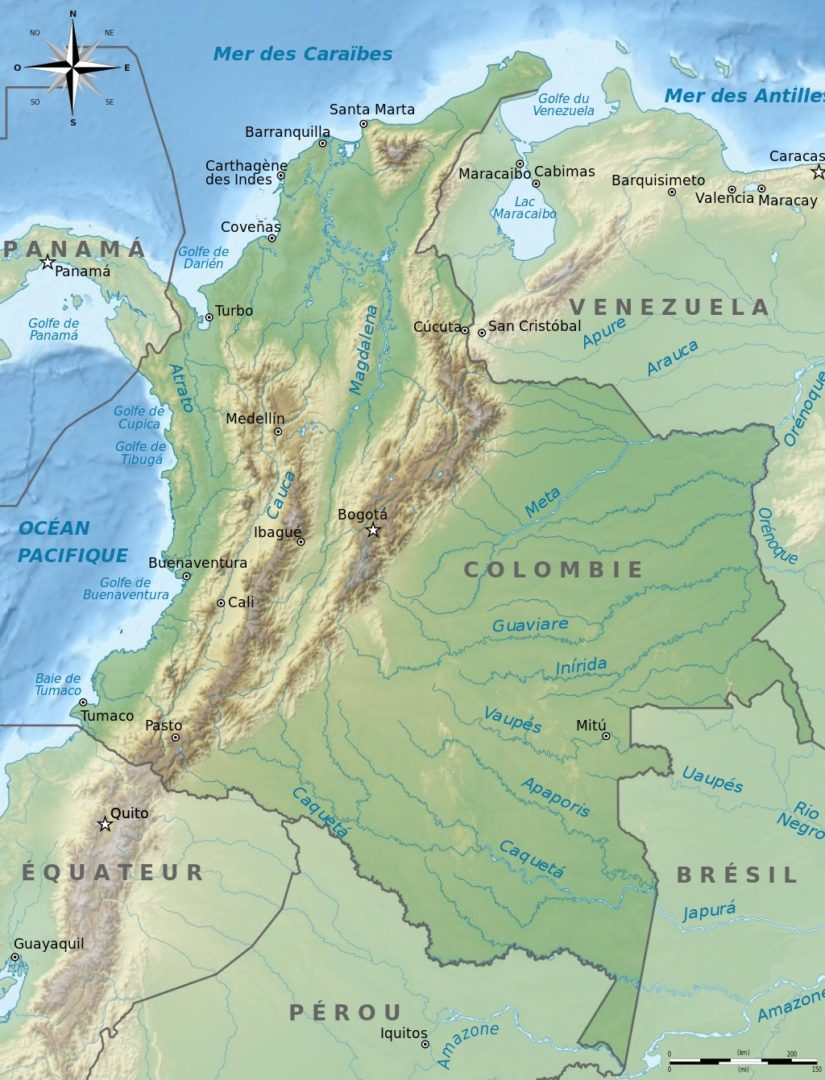
 Distances between domestic destinations in Colombia are vast / Source
TRAVEL BY PLANE
If you need to travel long distances within the country, such as between Bogotá and the Caribbean coast, flying is the most attractive mode of transport. Strong competition among Colombia's domestic airlines has driven prices down, so you can now find flights at prices similar to bus fares. Airlines serving domestic routes include Avianca , Satena (the regional airline), Copa (based in Panama), EasyFly ( a low-cost carrier offering affordable services connecting smaller cities), LAN Colombia , and the newly established Viva Colombia (based in Medellín).Tips:
- If you choose Viva Colombia, you must check in online 4 hours before your flight, or you will have to pay an additional fee. Also, pay close attention to the baggage restrictions. There are several additional charges if you do not follow the instructions and conditions.
- Some domestic airlines do not accept international credit cards for online payments. Most airports have counters where you can find representatives from major airlines.
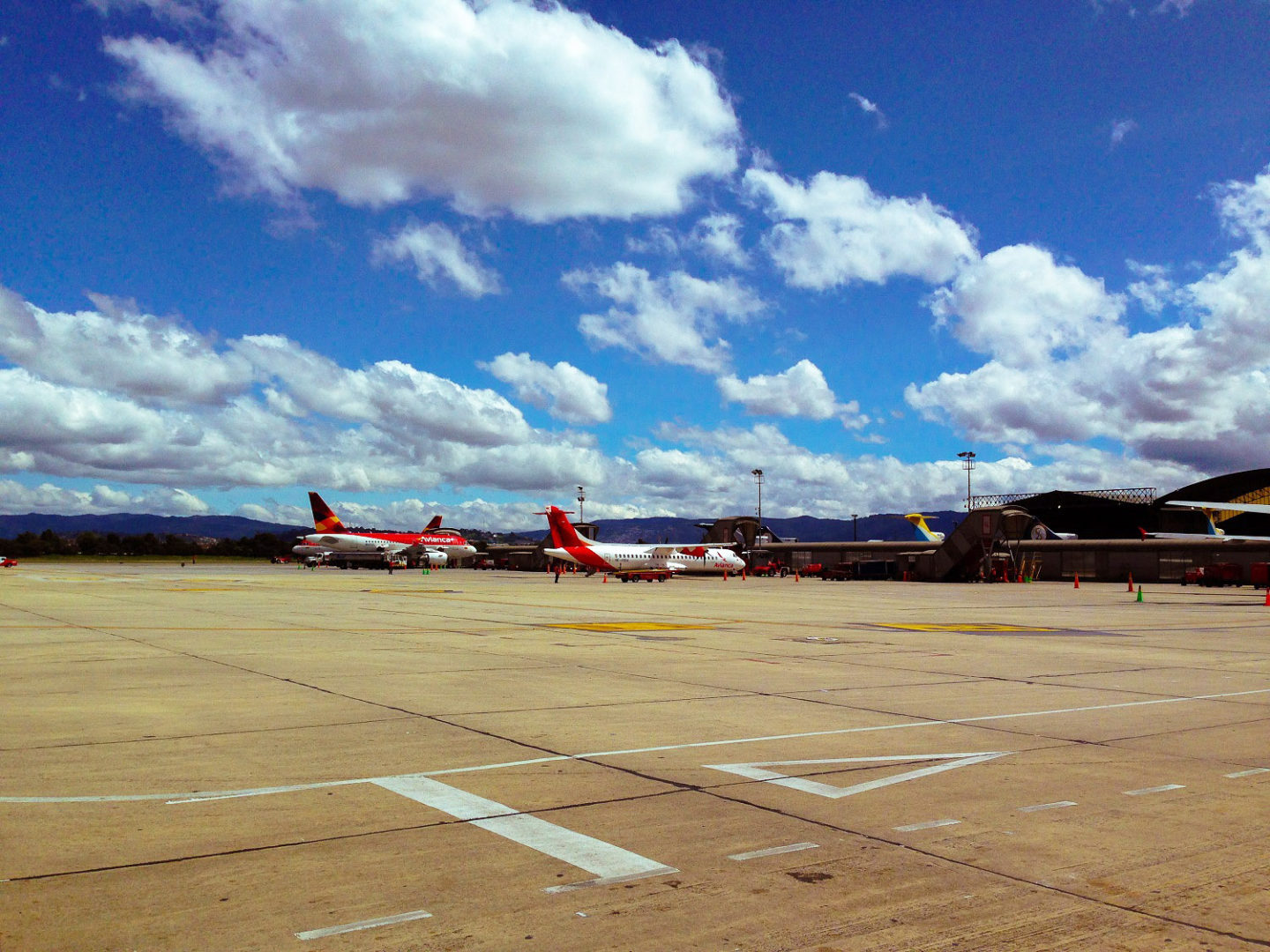 Avianca, the national airline, has regular flights throughout the country / Photo by Daytours4u
TRAVEL BY BUS
Traveling by bus is the cheapest way to get around Colombia . Just remember that it's not the fastest! The trip between Bogotá and Cartagena, for example, takes approximately 23 hours. Keep in mind that service varies depending on the company operating the route. When booking, choose from reputable bus companies such as Expreso Brasilia, Rápido Ochoa, Expreso Bolivariano, Copetran, and Berlinas del Fonce . It's usually not necessary to book in advance. The most iconic mode of transportation in Colombia is the chiva. However, these colorful wooden buses, once used for public transport, are now more of an icon than a practical means of long-distance travel. So, if you're not going to travel on one of these to get from one nearby town to another, be sure to experience at least one night of partying on a chiva . Tips:- If you're booking at the bus terminal, don't let informal vendors overwhelm you trying to sell you tickets . Ignore them and go directly to the ticket window of your chosen company to buy a reliable ticket.
- On long-distance trips, the air conditioning is usually set to maximum. So be sure to bring a jacket or sweater to combat the cold on the bus.
- Some people are prone to not sitting in the seats assigned to them, so try to arrive at the bus stop early to claim your seat.
- Long-distance buses are comfortable, with spacious seats, restrooms, and Wi-Fi.
- When you store your luggage in the vehicle's hold, make sure the attendant tags it and gives you a ticket with a number to claim it. Don't lose it, as it serves as your guarantee.
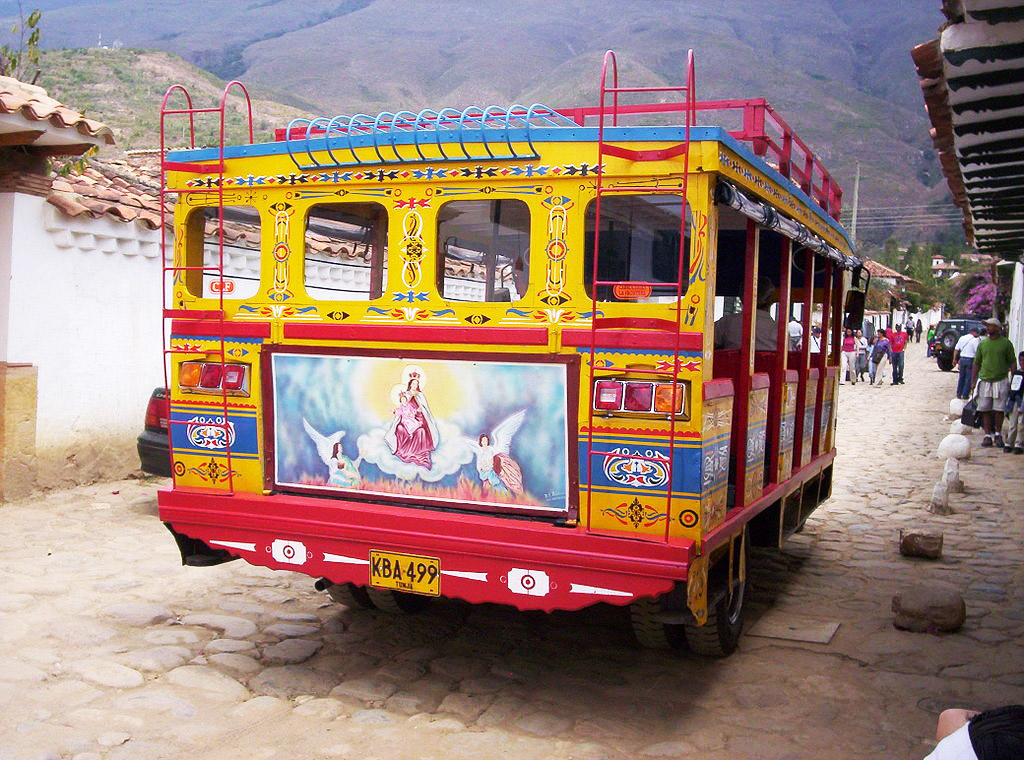 The chiva, which was once Colombia's main means of road transport, is now a party bus / Source
DRIVING IN COLOMBIA
The other option for getting around the country is driving yourself. But keep in mind that renting a car is expensive and the roads can be dangerous, since people are used to driving differently and you might encounter roadworks and mudslides when it rains. So if you choose this option, think carefully about the precautions you need to take. Also, remember that for safety reasons you should stick to national highways and avoid alternative routes in rural areas, and that it's generally best to drive only during daylight hours—at night trucks and buses travel at high speeds. Don't forget that although Colombia is much safer than it used to be, there are still incidents related to drug cartels, especially in remote areas. Tips and Advice:- You don't need an international driving permit to drive in Colombia. Your driver's license from your home country is sufficient.
- If you're heading to the Coffee Region, or any other mountainous area of the country, the most iconic vehicle is the Jeep Willys . A workhorse in these regions, this reliable 4x4 is the best for traversing hills and valleys.
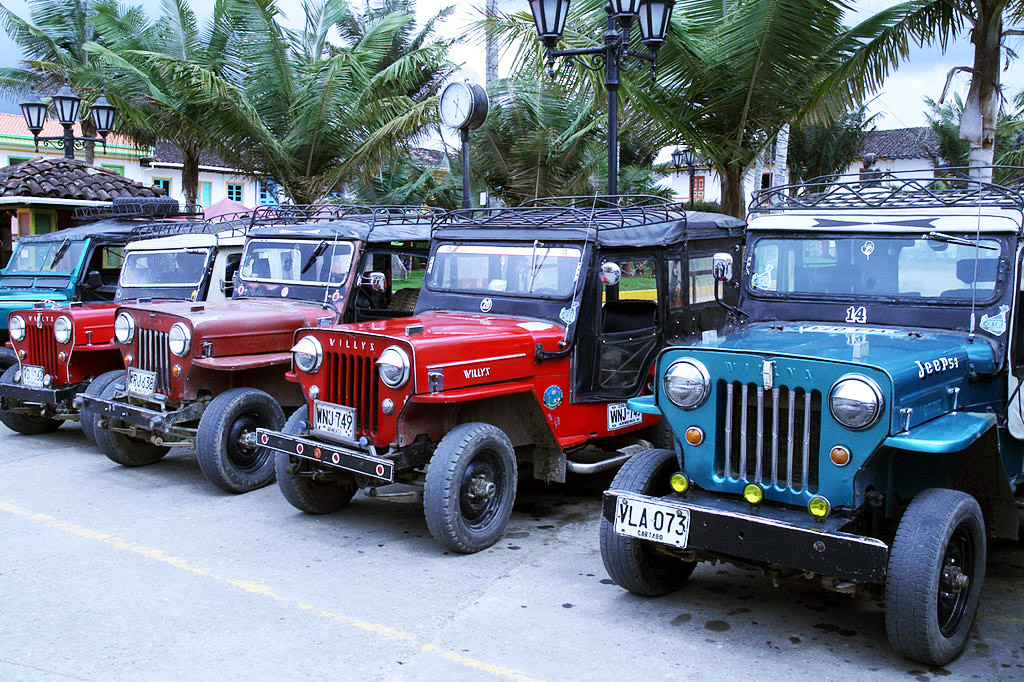 The Jeep Willys is the iconic means of transport in the Coffee Region / Source
TRANSPORT WITHIN CITIES
Each city has its own transportation network, such as Bogotá's TransMilenio bus system and Medellín's Metrocable. You can also call a shared taxi or take a motorcycle taxi. Regarding taxis, each city has its own system. In most places, taxis use meters, which charge based on the distance traveled. To calculate the cost, you need to consult the fare conversion chart in the taxi. In Cartagena, taxis don't use meters, so you need to negotiate the price before starting your trip. Tips and Advice:- Crime in taxis is a problem in Bogotá and other Colombian cities. To stay safe, always hire a taxi from a reputable company , rather than hailing one on the street. This is especially important at night.
- If your Spanish isn't good, or if you prefer to use technology, you'll find it helpful to use a taxi app. Just download apps like Easy Taxi , Tappsi , or Uber.
- If you have a good experience with a taxi driver, ask if they offer personalized service. It's helpful to have a trusted person you can rely on to handle all your transportation needs in the city—just like the locals in Bogotá do.
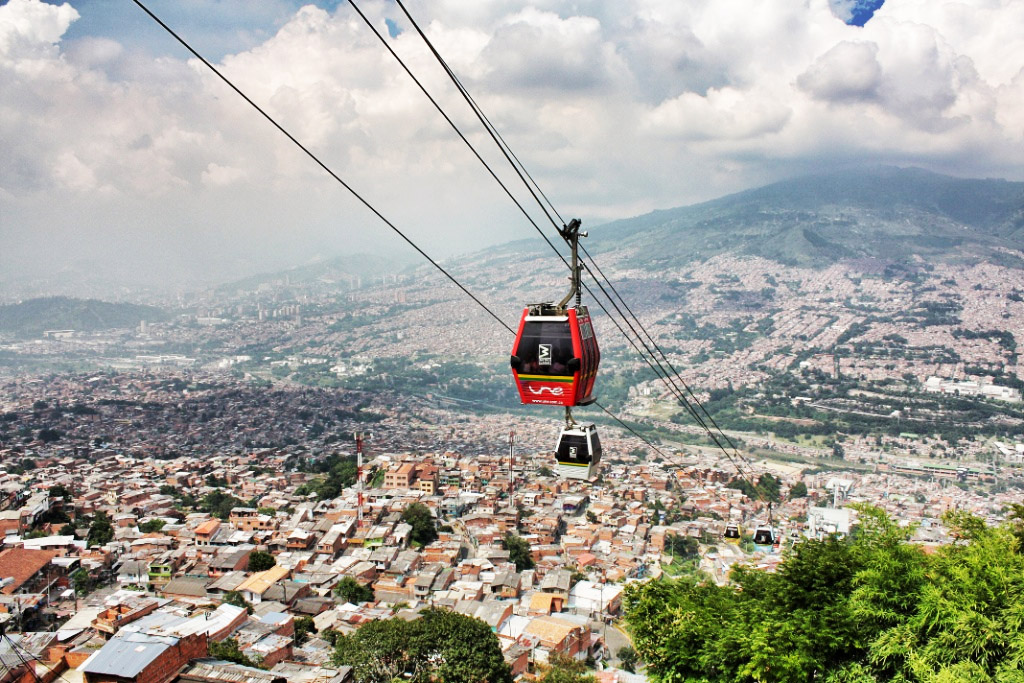 From the Medellín Metrocable you'll have a panoramic view of the city / Source
When traveling within Colombia, the best transportation option depends on your available time and budget. The Undertrail website is a great place to start, as it allows you to quickly compare travel times and prices for airlines and bus companies.
Once you know where you want to go and how you plan to get there, it's time to start planning your activities. Visit our website to find the best tours in Colombia !
Published by Has Chacon on 03/06/2026


