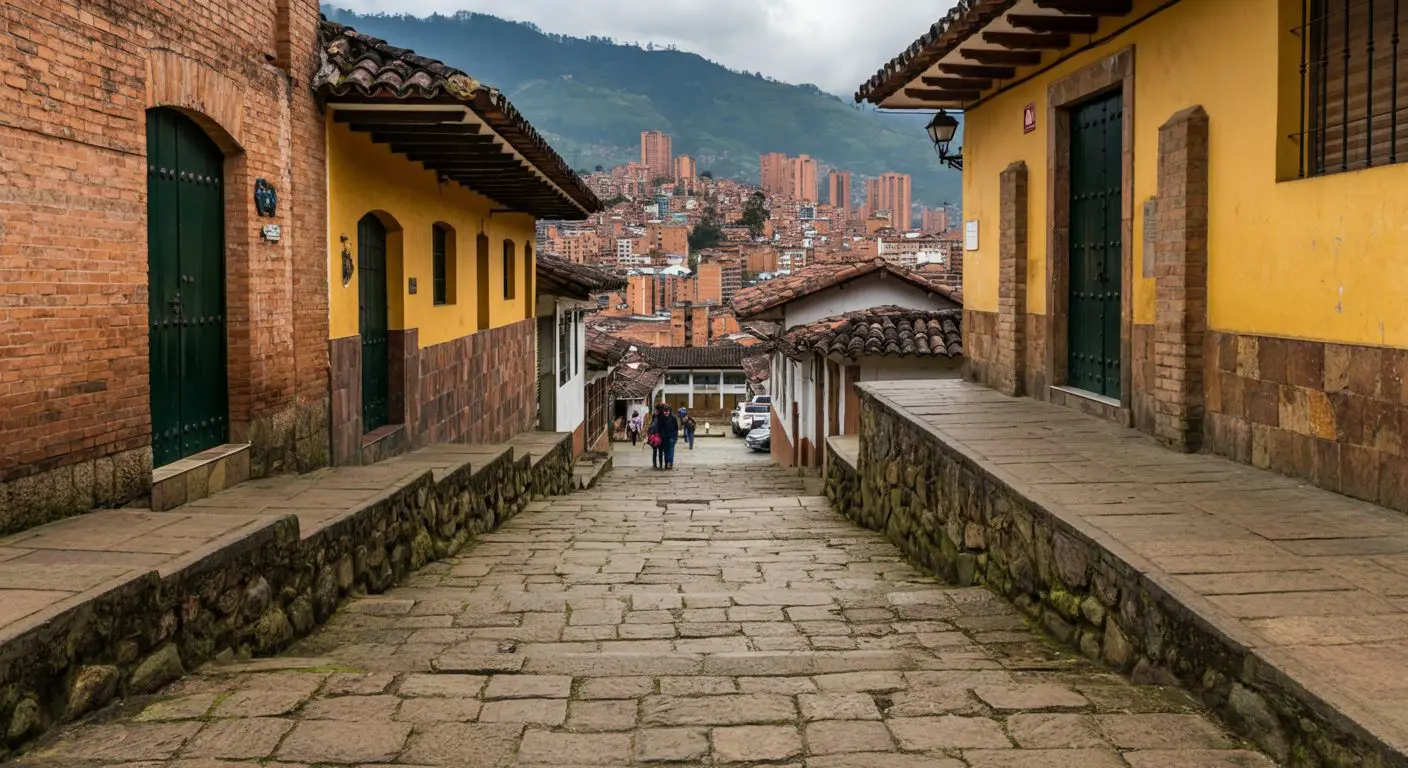
Bogotá and Medellín , like any family, sometimes get jealous and contradict each other, with arguments that are often irrefutable. However, as they say, it's best not to get involved in a family feud. So, rather than exaggerating their rivalry and differences, I think it's more appropriate to present the reader with an overview of both cities , so that each person can choose the city they like best or, like me, enjoy both, understanding their strengths and weaknesses.
Considered the two most important cities in Colombia, Bogotá and Medellín, along with Barranquilla and Cali, form what is now known as the "golden triangle" of the national economy. This powerful axis of economic, political, and cultural development within Colombia concentrates the largest concentration of the working population, the most powerful financial centers, the most prestigious educational institutions, and the most innovative scientific and technological advances in the country. It is an essential area of development for the country, in which the people of Bogotá (known locally as "rolos") and Medellín (known locally as "paisas") play a fundamental role . Historically, these two groups have engaged in a struggle to determine which of the two cities has the right to become the dominant model for driving the productive growth that Colombia needs to face the major challenges and problems of the present day.
An old rivalry has long fueled jealousy and romantic entanglements among the residents of both cities , each seeing their hometown as the best possible place to live and the most competitive city in Colombia. But beyond its conflictive aspect, it actually speaks to a close and fruitful, albeit sometimes problematic, relationship that has propelled the country forward for over a century. Because, beyond their individual styles and roles, it's clear that the inhabitants of both cities share a great deal that binds them together within the same country.
To convince you, I invite you to read this presentation in which I compare some essential elements that contribute to the character and personality of Bogotá and Medellín. These two captivating and fantastic tourist destinations in Colombia should undoubtedly be included when planning your travel itinerary through the land of magical realism.
Bogotá, the political and cultural capital of Colombia
[caption id="attachment_986" align="aligncenter" width="640"]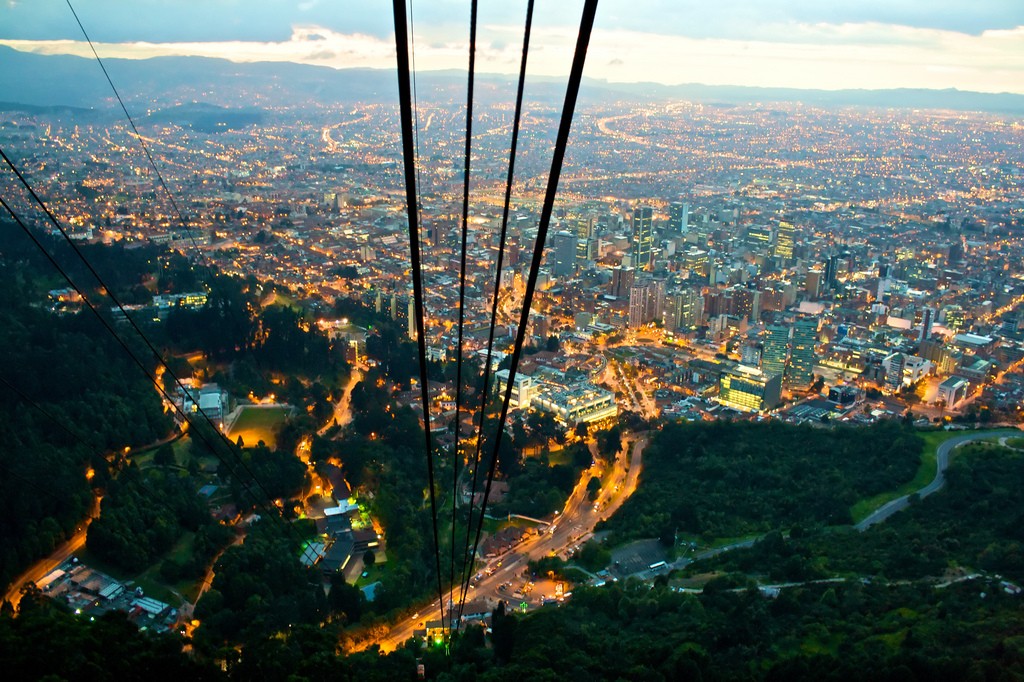 Panoramic view of Bogotá from the Monserrate cable car at dusk. / Source [/caption]
Location: Famous for its proximity to the stars, the Colombian capital sits at an altitude of 2,600 meters, nestled in the eastern Andes mountain range, south of the Cundiboyacense plateau. It stretches across a humid plain, which is prone to cloud formation and rainfall.
Climate: Bogotá is considered a cold-climate city due to the icy winds and fog that descend from the high-altitude moorlands, as well as the high intensity and frequency of rain and showers. On average, and as a result of climate change, temperatures in Bogotá range between 10°C and 20°C, with abrupt changes.
Personality: Today, the inhabitants of Bogotá are known interchangeably as 'rolos' or 'cachacos,' although these terms actually have different origins. Among Colombians, they are characterized by their strong and austere personality, their extreme courtesy and attention to manners, their fine clothing and strict personal grooming, their reserved and distrustful nature, their dark and sardonic humor, and also by maintaining a critical and moralistic attitude toward society. A tropical and explosive mix, loved for their accent and their reverence for proper speech, and hated for their personal detachment from others.
Lifestyle: Bogotans are early risers and love to enjoy their espresso or aguapanela in the morning before heading to work. Family-oriented and friendly, they are the type of people who, despite always being in a hurry, cultivate their social circle and guard it carefully. Always attentive and charismatic, they consider good manners essential in daily interactions, believing them to be the foundation for respect and harmonious coexistence. The archetype of the Bogotan is someone who possesses poise and elegance, combined with a touch of humor, charisma, and sensitivity towards others. These people are known as 'cachacos,' a nickname that, more than a demonym, is a form of social and personal distinction bestowed only upon certain individuals.
Fashion and Style: Bogota residents, in general, like to look good and are very particular about their appearance. It's no coincidence that the prodigious designer Esteban Cortázar was born here. Their style ranges from elegant suits and ties to casual chic looks with fancy touches, and trendy outfits, categorized according to the urban subculture they belong to. Essential wardrobe staples include jackets, sweaters, and leather boots, crucial for coping with the constant weather changes and downpours.
[caption id="attachment_996" align="aligncenter" width="640"] In the ajiaco santafereño, there is a mixture of Muisca culture and the Hispanic character of the rolo. / Source [/caption]
Gastronomy: Ajiaco is a staple on the Bogotano table, a soup made with potatoes, chicken, and guascas or galinsoga (a type of herb), served with corn, capers, and cream. Other essentials include blackberry juice and guava paste. And of course, there's chanfaina, lechona, puchero, mazamorra, sobrebarriga charreada, tamal bogotano, and, of course, the Boyacá-style arepa, so popular in the capital.
Cultural and Artistic Life: Bogotá prides itself on being the cultural center of Colombia, and there are well-founded reasons for saying so, without any pedantry. Bogotá's vibrant university life, with its deeply bohemian atmosphere, is responsible for a part of this energy. However, this wouldn't have its true character without the popular culture that fuels Bogotá's imagination and creativity, expressed through its storytellers, comedians, mimes, and clowns. It's no coincidence that Bogotá boasts one of the most important theater scenes in the world: the Ibero-American Theater Festival. Among Bogotá's cultural expressions, it would also be inexplicable to leave out its urban music scene, which features festivals every year such as Rock al Parque, El Tortazo, Hip-Hop al Parque, Jazz al Parque, and many others.
Nightlife: Bogotanos tend to go out early, to keep up with the curfew, and generally prefer a two-step approach to going out. The first step is pre-gaming, which happens at a friend's house or a neighborhood store with a jukebox (a classic must-do). The second step is when the party really gets going, meaning when there's enough time and people to stay out until the early hours. Choosing a place depends on your mood, as the city offers something for everyone. If you want to dance, the place varies depending on the music, with options like salsa clubs, tropical music bars, reggae bars, electronic music clubs, or trendy bars with pop and rock music. Another more relaxed option is to go to pubs for a beer or attend concerts by local bands, enjoying the diverse atmospheres and styles that the capital offers.
Places of Interest : Bogotá has many sites of historical and cultural interest, such as: the Gold Museum, the Luis Ángel Arango Library, the Banco de la República Art Museum, the Environmental Axis - Avenida Jiménez, the Nariño Palace, the Liévano Palace, the Casa del Florero, the Colón Theater, the Bogotá Planetarium, the Botanical Garden, the La Candelaria Theater, the Church of Our Lady of Carmen, Monserrate Hill, the Usaquén neighborhood, the Nemesio Camacho "El Campín" Stadium, Parque de la 93, Zona T, the Virgilio Barca Library, and the National University of Colombia.
Nearby Places: Nestled among the mountains of the Cundiboyacense plateau, Bogotá maintains constant communication with the towns located in this geographic region, which are accessible by road. Some of the main towns are: La Calera, Guatavita, Sesquilé, Laguna de Guatavita, Zipaquirá, Tequendama, Villa de Leyva, Tunja, Sogamoso, Villeta, and the Sumapaz Páramo, among other nearby places.
[caption id="attachment_987" align="aligncenter" width="640"]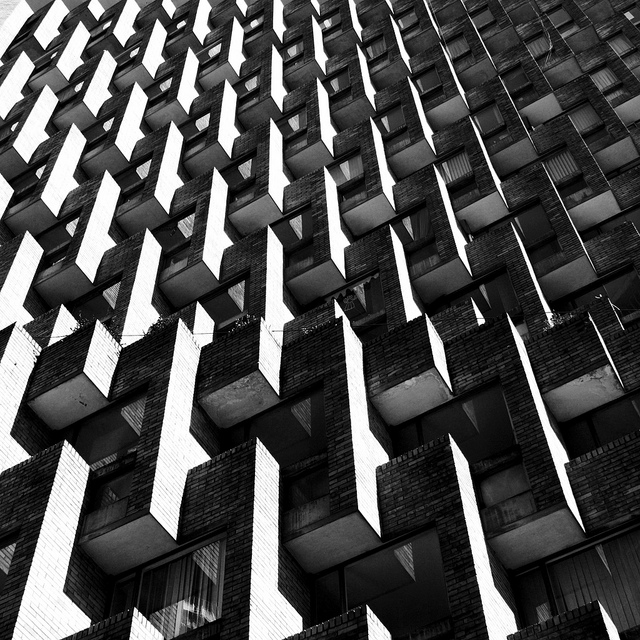 When it comes to culture, Bogotá is always at the forefront. / Source [/caption]
What does Bogotá mean to Colombians?
Bogotá, for historical and cultural reasons, has remained throughout national history as the capital and political center of Colombia. This prominent role has bestowed prestige upon the city's inhabitants and also provided them with the resources they need to grow and become a global city, placing Bogotá at the forefront in areas such as access to higher-quality education—particularly due to the significant offering of public and private university programs of international caliber—access to better job opportunities—allowing them to develop their social and economic capital—and ultimately, the improvement of the population's quality of life, a factor that in our time has translated into increased purchasing power and greater access to services and technological advancements. Objectives that unfortunately have not always been met and that over the years have generated a situation of stagnation, directly related to development, modernization, innovation and the supply of opportunities in the country and that produce many of the most complicated challenges that the inhabitants of Bogotá and their rulers must face, in their desire to solve this void that leaves a part of the population in poverty, creating degrees of social instability within the population, to which they must find solutions.
Medellín, a metropolis of entrepreneurs and warm people
[caption id="attachment_985" align="aligncenter" width="640"]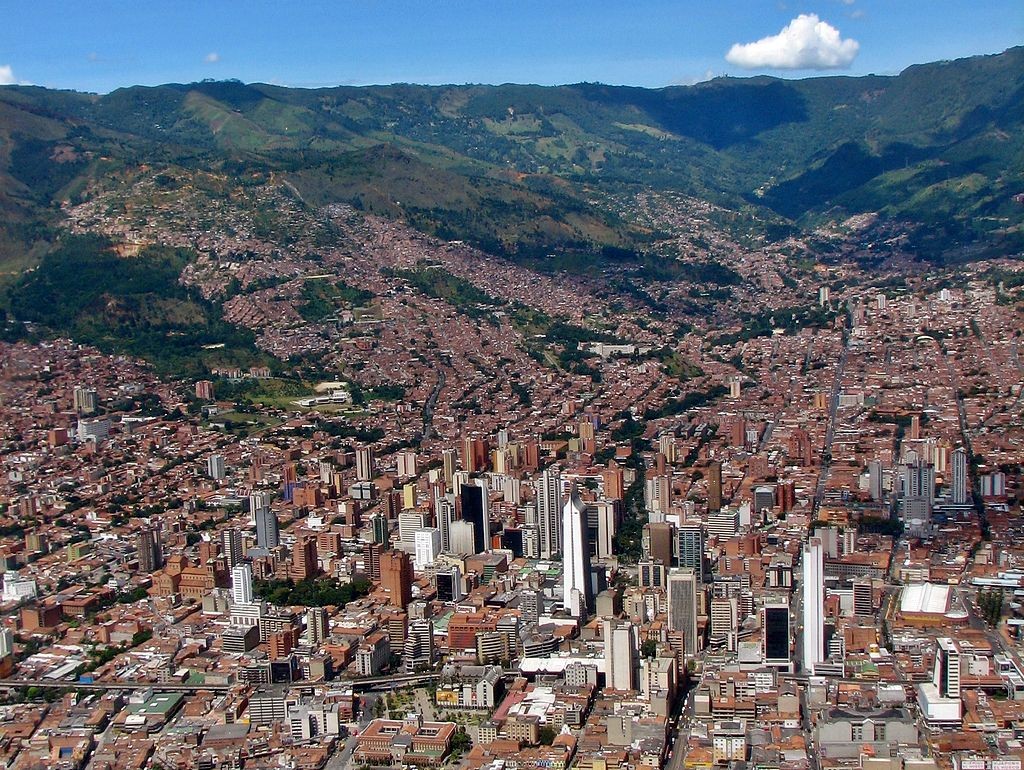 Panoramic view of the city of Medellín. The thriving city of Antioquia. / Source [/caption]
Location: Known as “the little silver cup”, Medellín remains inserted between the mountainous plain of the Aburrá Valley, which penetrates the central mountain range of the Andes, opened by the Medellín River, framed in an irregular and sloping topography that ranges between 1,300 and 2,800 meters above sea level.
Climate: Medellín boasts a mild and consistent climate, with temperatures ranging from 20°C on cool, cloudy days to 30°C on extremely sunny days. This pleasant and warm climate, occasionally interrupted by tropical storms, has earned it the nickname "the city of eternal spring."
Personality: The inhabitants of Medellín are identified as 'paisas' for historical reasons. Paisas are all the people who live in Colombia's main coffee-growing region, nestled between the banks of the Cauca River and the central Andes mountain range. This area is also known as the zone of influence of the Antioquian colonization, a crucial fact for understanding the origins of Paisa culture. This historical event instilled in the inhabitants of these lands an entrepreneurial and creative spirit, along with an extensive and open form of social interaction that allows them to quickly and effectively form strong communities. This characteristic makes Medellín residents warm and extroverted, renowned as excellent conversationalists and spontaneous poets who readily share their affections. Furthermore, Paisas have also gained a reputation as shrewd businesspeople, to the point where, occasionally, they become almost too good at it to be true.
Lifestyle: Medellín is a work-oriented city, which doesn't mean that its residents don't combine their daily activities with leisure and pleasure. What it does mean is that being hardworking is a source of pride for the people of Medellín (paisas), and that's why it has become the largest and most advanced city in the coffee-growing region of Antioquia. It boasts large companies, banks, and industries that generate employment and opportunities, as well as major educational, scientific, and cultural centers that help develop the profound sensitivity that the people of Medellín inherited from their Indigenous, Afro-Colombian, and Spanish ancestors. Another characteristic of the people of Medellín is their disciplined religiosity and strong belief in divine miracles.
Fashion and Style: Medellín is one of the fashion hubs of the Americas. The city is famous for housing the factories and retail centers of major international brands. Furthermore, over the last few decades, it has seen the rise of local brands that now compete internationally with their designs. In general, the people of Medellín maintain a casual and laid-back look that reflects the warm climate, with touches of sexy and romantic style, which in some cases can evolve into a punk and extravagant look at night. However, they often describe themselves as "relaxed," and indeed, the paisas are open and somewhat bohemian in this respect.
[caption id="attachment_997" align="aligncenter" width="702"]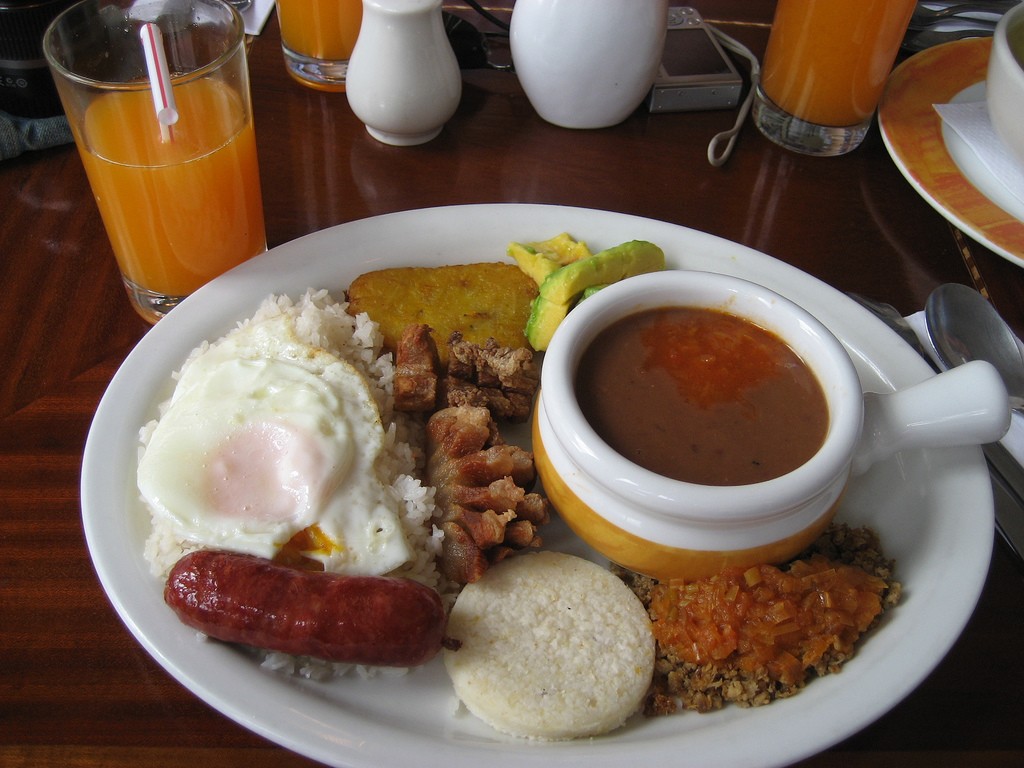 The Bandeja Paisa is the driving force behind Antioquian culture. / Source [/caption]
Gastronomy: The most well-known traditional dish from the Paisa region is the Bandeja Paisa, prepared with beans and meat, accompanied by a hearty mix of rice, arepas, chicharrón (fried pork rinds), avocado, and ripe plantain or patacones (fried green plantains). According to the people of Antioquia, this dish embodies the soul of each household in its flavor. Besides the bandeja paisa, other typical dishes include rice soup, arepas paisas, guandiolo (a type of bean stew), lengua guisada (stewed tongue), curuba (banana passion fruit) dessert, María Luisa (a type of pastry), natilla (a custard-like dessert), and many other delicacies.
Cultural and Artistic Life: Medellín is famous for its writers: birthplace of chronicler Luis Tejada Cano, lyric poet León de Greiff, and novelist Tomás Carrasquilla, who helped establish a breed of dedicated and tenacious writers including names like Fernando González, Manuel Mejía Vallejo, Fernando Vallejo, Darío Ruiz, Mario Escobar, Tomás González, Juan José Hoyos, and Óscar Castro, among many others. In addition to these, Medellín also gave birth to visual artists of the caliber of Fernando Botero and Débora Arango, among many other intellectuals who left their mark on "the capital of the mountains." Medellín's musical taste is varied, ranging from chamber music to reggaeton, but it is most famous for being the only city on the continent, outside of Uruguay and Argentina, that is part of the tango myth.
Nightlife: In Medellín, nightlife is concentrated in strategic areas of the city. Locals take the nightlife seriously and never go without their glasses of aguardiente. One of the city's most popular meeting places is El Poblado Park, where many people gather on the benches and sidewalks, hoping to catch up with old friends. The classic Medellín tavern, or fonda, is a timeless establishment, and these bars cater to all budgets. People primarily go there to chat and have a few drinks. However, the city is also famous for its crossover nightclubs, where people spend the entire night dancing and meeting new people to all kinds of music.
Places of Interest: There is much to do in the city and many tours of Medellín that can be booked through local providers. Among the main historical and cultural attractions of Medellín are Botero City, the Museum of Antioquia, the Museum of Modern Art (MAM), Rodrigo Arenas Betancurt's "Monument to Life" sculpture, "El Paraninfo" (the University Auditorium), the University of Antioquia, Pueblito Paisa, the Botanical Garden, Nutibara Hill, the EPM Thematic Library, the La Alpujarra Administrative Center, El Castillo Museum, Atanasio Girardot Stadium, El Poblado Park, Envigado Plaza, and Lleras Park, among others.
Nearby Places: In the area surrounding Medellín lies one of the country's most important hydroelectric plants, whose energy production covers 40% of the country's total electricity consumption: Guatapé. Besides its strategic importance, this place boasts one of the most beautiful landscapes in Antioquia and is an unmissable destination. Other nearby must-see places include: Santa Helena, Santa Fe de Antioquia, Jardín, Jericó, Río Negro, Río Claro, and El Peñol.
[caption id="attachment_989" align="aligncenter" width="640"]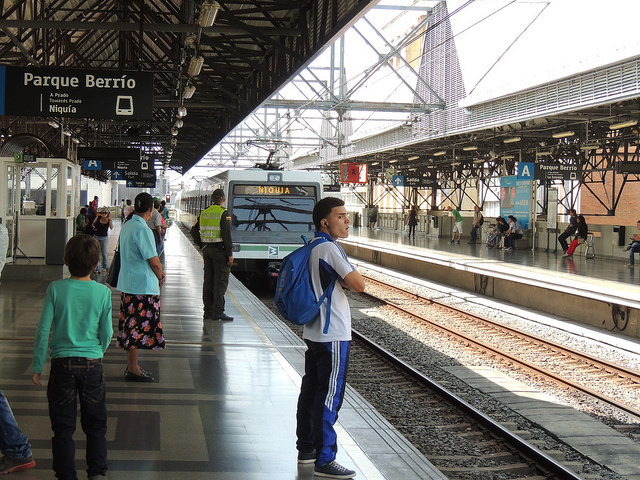 Difficulties don't stop Medellín; it always moves forward. / Source [/caption]
What does Medellín mean to Colombians?
Medellín is a beloved city for Antioquia residents in particular, and for Paisas in general, thanks to the continuous growth of the city and its population throughout its history. This growth has brought greater economic and cultural development not only to the city but to the entire region, through increased commercial, industrial, banking, and financial activity. This has had a significant impact on development not only in the service, industrial, and financial sectors, but also in the agricultural economy that characterizes this region of the country, located on the Cauca River basin. Known worldwide as the epicenter of Colombian coffee culture, Medellín has led many urban development initiatives in Colombia over the last two decades, becoming a model not only for other Colombian cities but also for cities throughout Latin America. Leaving its long-time rival, Bogotá, behind in some areas, the city has made giant strides in matters such as mobility and transportation, civic education and community relations, social infrastructure, and job creation, achieving results that meet the needs of a growing number of people. This has helped shake off the stigma it has carried for so many years due to drug trafficking.
... Bogotá and Medellín
There's definitely so much to discover about Bogotá and Medellín . Both cities are beautiful and have a rich history to tell. They also boast an immense variety of places to visit and things to do. So, if you're thinking of traveling to Colombia, my recommendation is to visit both and do so with a true expert in tours and activities in Colombia, like Daytours4u , who will help you plan your vacation and enrich your travel experiences.
By: David Luna Durán , anthropologist and literary critic, content editor for Daytours4u and specialist in independent tourism.
Published by Has Chacon on 03/06/2026


