Visiting the Colchagua Valley in 2026 is worthwhile if you make the right choice . This isn't based on the number of wineries, but rather on logistics, actual travel times, and the type of experience you're looking for. The most common mistake isn't choosing a "bad winery," but creating an unrealistic itinerary: long journeys, conflicting schedules, and rushed tastings. Hence the importance of making a methodical decision before booking.
How to choose wisely without wasting time (or ruining your day)
Not all top-tier wineries offer the same specialty. In 2026, the high volume of visitors to the valley necessitates choosing wines based on style to ensure a truly coherent oenological experience.
1. The icon axis (Apalta)
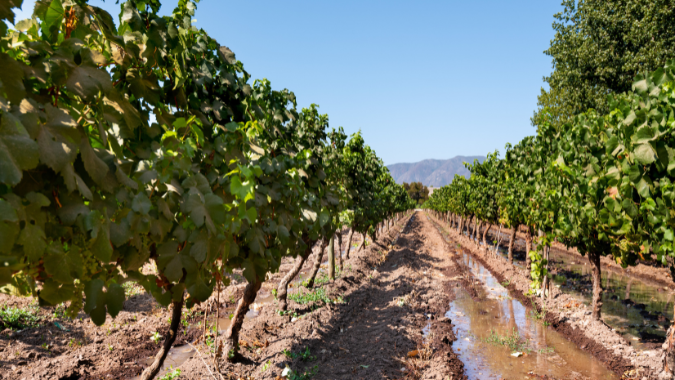
If your goal is to taste the highest-rated Chilean wines (Syrah and powerful red blends), estates like Montes or Clos Apalta are a must.
- Logistics: Easy access, but zero tolerance for delays.
- Please note: Access to Apalta is heavily congested between 12:00 and 14:00. If your tasting ends at 13:30, it will be very difficult to arrive for lunch outside the area before 14:15.
2. Specialists in Carménère and tradition (Santa Cruz / Central)
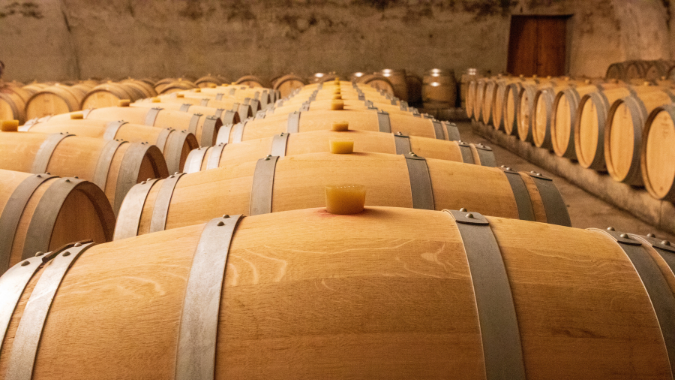
For those who wish to discover Chile’s emblematic grape variety in its best expression, Viu Manent and MontGras offer a smooth and integrated organization.
- Logistics: "Quick-in" wineries, ideal for travelers coming from Santiago who do not wish to venture too far down rural roads.
- Discreet sales: These estates often offer limited editions and cellar wines that aren't available in shops or at the airport. If you're planning to buy bottles for your collection, a private tour makes the experience easier. You can enjoy your purchases without carrying cases or worrying about storage for the rest of the visit.
3. Wines from cool climates and minerality (Marchigüe and Lolol)
If you prefer Sauvignon Blanc or Syrah with coastal influence, head towards the coastal vineyards of Montes or the Lolol area .
- Logistical risk: The GPS signal is unstable. The real "opportunity cost" here is time: a wrong turn in Marchigüe could cause you to miss the sunset, the area's main attraction.
Note: Last month, 30% of independent travelers in the Marchigüe region missed their second tasting due to unforeseen blockages caused by heavy machinery on unpaved roads.
Realistic comparison of ways to visit Colchagua
| Decision criterion | Standalone option | Organized experience (recommended) |
| Opportunity cost | One person does not drink (designated driver). | The whole group is thoroughly enjoying the tastings. |
| Traffic management | Dependent on Google Maps and agricultural roads. | Routes optimized by local drivers. |
| Technical tasting | Limited to standard vintages due to lack of availability. | Access to boutique wine cellars with guaranteed reservations. |
| Final result | Partial experience and time-related stress. | Total immersion. 100% focus on the wine. |
The most balanced option for most travelers is an organized tour : fewer mistakes, better time management, and no impromptu decisions. It's not the "perfect" solution, but it's the most predictable.
Tips to know before visiting Colchagua
For a smooth visit, consider these operational aspects before booking:
- Apalta's "point of no return": If lunch is planned in downtown Santa Cruz, you must leave Apalta no later than 1:15 PM. After this time, truck traffic heading towards the congestion sites slows traffic by approximately 40%.
- Preparing for the terroir: In high-altitude cellars or those near the coast (Lolol), the temperature can drop by 8°C after sunset. Without warm clothing, the afternoon tasting loses some of its sensory quality.
- The myth of the "designated driver": Distances in Colchagua are deceptive. Driving for 40 minutes in the sun after even a light tasting will cause fatigue. Don't jeopardize your safety or your budget simply to avoid a professional service .
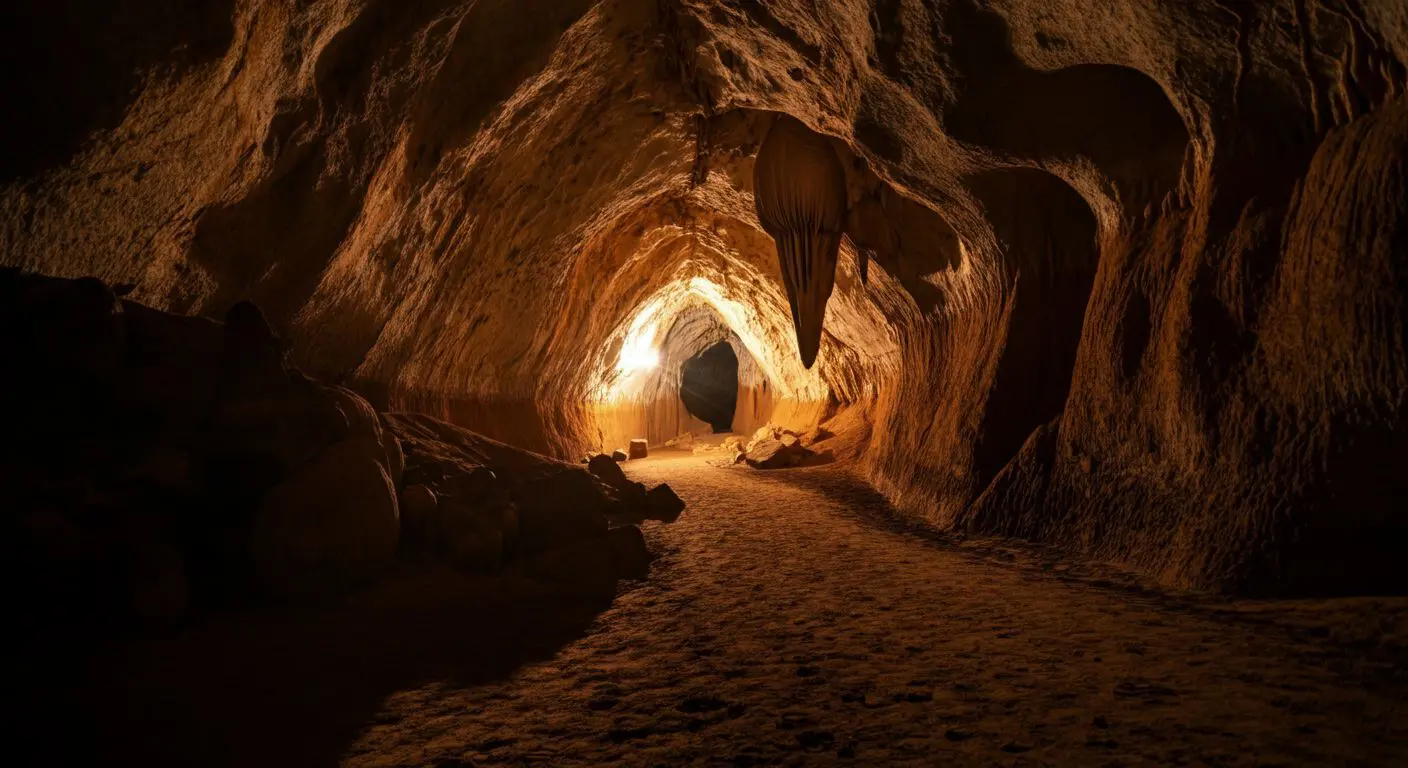
- Wineries with a "Plan B": In case of extreme heat (35°C+ is common in 2026), opt for wineries with deep underground cellars, such as Lapostolle . Outdoor terraces, however beautiful, become uncomfortable after 1 p.m. without adequate air conditioning.
How many days should I spend in the Colchagua Valley?
A well-organized full day is sufficient for a first visit. Two days allow for the addition of gastronomic experiences at a leisurely pace.
Is it possible to visit Colchagua without a car?
Yes, but with limitations. Without coordinated transport, time and flexibility are lost. It is essential to organize transfers in advance.
How much time do you actually lose between two wineries? Always allow a 30-minute buffer. Between leaving the shop at winery A, getting into your vehicle, and entering winery B, the 15 minutes indicated on the map easily become 30.
How to make the right decision
Colchagua is not a destination to be improvised. Carefully choosing the area, the pace, and the type of visit determines whether the day flows smoothly or turns into a series of journeys and waiting times. When the logistics are well-planned, the wine is savored in a whole new way.
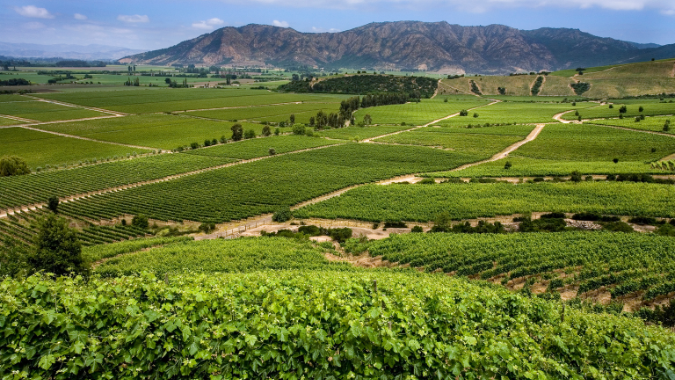
If you're looking for uncomplicated wine excellence, stay within the Apalta Triangle . It's the most forgiving area when it comes to planning mistakes. On the other hand, to discover the "new Chile," head west, keeping in mind that logistics there are more precarious and require an experienced driver.
Looking to optimize your trip to the Colchagua Valley? Discover our experiences in the region and let us manage your time while you fully enjoy the wine.
Written by: Carolina Ferere
Published by Has Chacon on 04/06/2026


