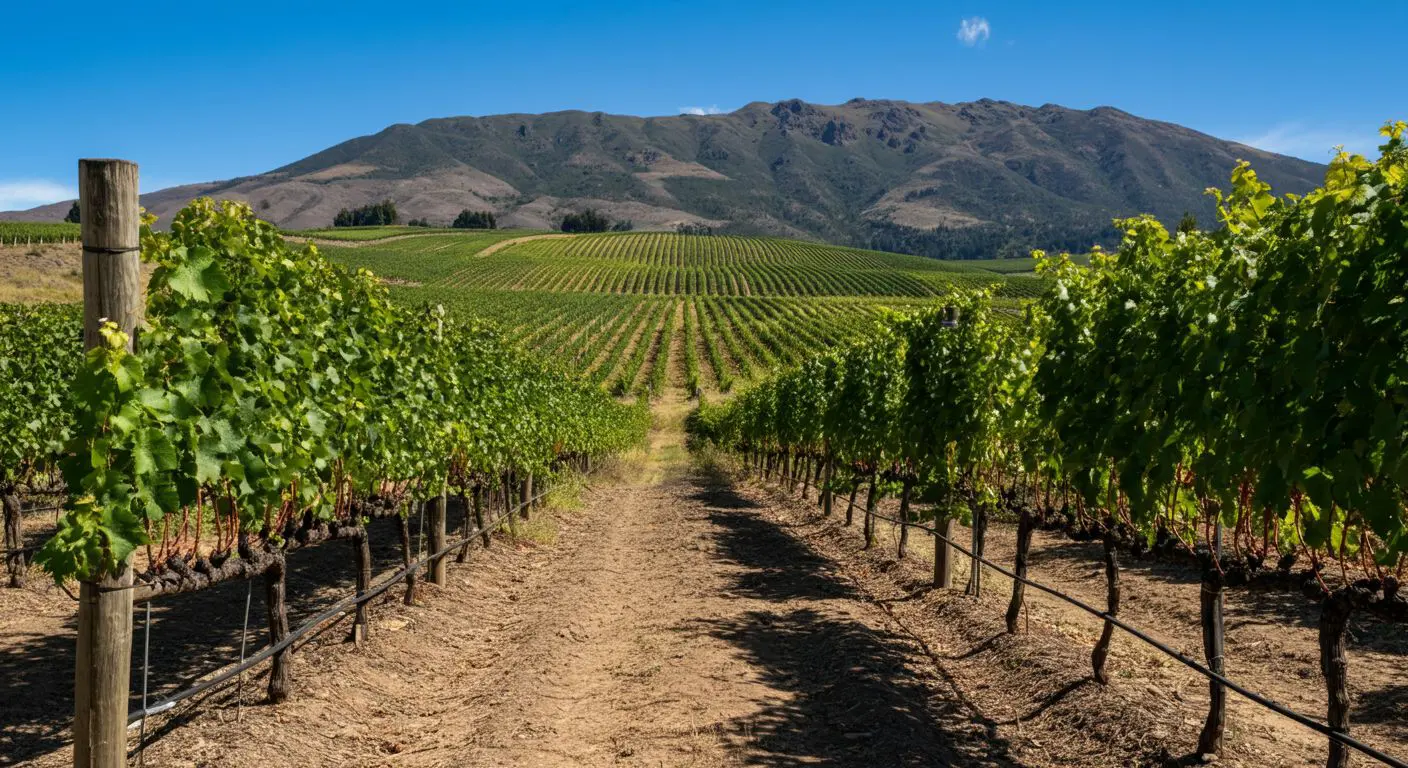
Visiting the Colchagua Valley in 2026 is worth it if you choose well. Not because of the number of wineries, but because of logistics, real timing, and the type of experience you want. The most common mistake is not choosing the “wrong winery,” but putting together an unrealistic plan: long transfers, schedules that don’t align, and rushed tastings. That’s why it’s important to decide with clear criteria before booking.
How to choose well without wasting time (or ruining the day)
Not all top-tier wineries offer the same specialization. In 2026, higher demand across the valley makes it essential to choose by wine style so the trip has real enological coherence:
1. The Icons Corridor (Apalta)
If your goal is to taste Chile’s highest-rated wines (powerful Syrah and structured red blends), wineries such as Montes and Clos Apalta are essential.
- Logistics: Easy access, but with zero tolerance for delays.
- Important to note: Access to Apalta becomes heavily congested between 12:00 pm and 2:00 pm. If your tasting ends at 1:30 pm, reaching lunch outside the area before 2:15 pm is unlikely.
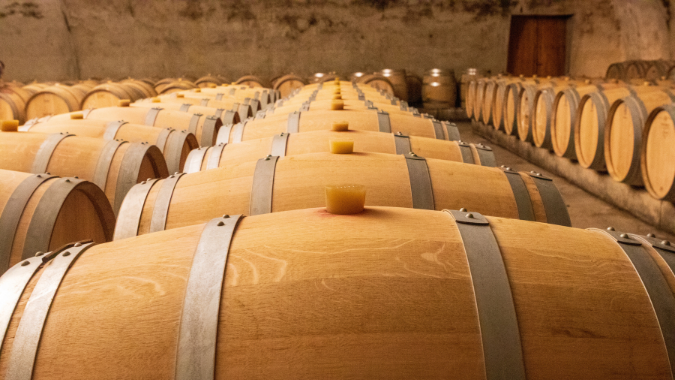
2. Carménère and Tradition Specialists (Santa Cruz / Central Area)
For travelers looking to experience Chile’s flagship grape at its best, Viu Manent and MontGras provide a well-integrated operation.
- Logistics: “Quick-in” wineries, ideal for visitors coming from Santiago who don’t want to venture too far onto rural roads.
- Quiet selling point: These wineries often offer limited editions and library bottles that never reach shops or airports. If you plan to buy bottles for your collection, a private tour helps. You can enjoy your purchases without carrying cases around or worrying about wine care during the rest of the visit.
3. Cool-Climate Wines and Minerality (Marchigüe and Lolol)
If you prefer Sauvignon Blanc or coastal-influenced Syrah, look toward Montes’ coastal vineyards or the Lolol sector.
- Logistical risk: GPS signal is unreliable. The real “opportunity cost” here is time; a wrong turn in Marchigüe can mean missing sunset, the area’s main asset.
Note: Last month, 30% of independent travelers in the Marchigüe area missed their second tasting due to unexpected blockages caused by heavy machinery on unpaved roads.
Realistic comparison of ways to visit Colchagua
| Decision factor | Self-managed option | Operated experience (recommended) |
| Opportunity cost | One passenger does not drink (designated driver). | The entire group enjoys full tastings of iconic wines. |
| Traffic management | Subject to Google Maps errors and farm roads. | Routes optimized by local drivers. |
| Technical tastings | Limited to standard labels due to availability. | Access to boutique wineries with guaranteed reservations. |
| Final outcome | Partial experience with constant time pressure. | Full immersion. 100% focus on wine. |
The most balanced option for most travelers is an organized tour: it reduces errors, controls timing, and avoids on-the-spot decisions. It’s not “perfect,” but it is the most predictable.
Key tips to consider before visiting Colchagua
To ensure a smooth visit, consider these operational factors before booking tours:
- The Apalta “point of no return”: If your lunch is in downtown Santa Cruz, you must leave Apalta by 1:15 pm at the latest. After that, truck traffic toward bottling plants slows transit by around 40%.
- Preparing for terroir conditions: At higher-altitude or coastal wineries (Lolol), temperatures can drop by 8°C after sunset. If your tasting is in the afternoon, lack of warm clothing will negatively affect sensory perception.
- The “designated driver” fallacy: Distances in Colchagua are deceptive. Driving 40 minutes under the sun after a tasting—even a minimal one—causes fatigue. Don’t risk safety or budget just to avoid a professional service.
- Wineries with a “Plan B”: In cases of extreme heat (35°C+ is common in 2026), prioritize wineries with deep underground cellars for tastings, such as Lapostolle. Outdoor terraces, as beautiful as they are, become uncomfortable after 1:00 pm without proper climate control.
How many days should you spend in Colchagua Valley?
One well-planned full day is enough for a first visit. Two days allow you to add food experiences without rushing.
Can you visit Colchagua without a car?
Yes, but with limitations. Without coordinated transportation, time and flexibility are lost. Transfers should be arranged in advance.
How much real time is lost between wineries? Always allow a 30-minute buffer. Between leaving winery A’s shop, settling into the vehicle, and entering winery B, the 15 minutes shown on the map easily turn into 30.
How to make the right decision
Colchagua is not a destination for improvisation. Choosing the right area, pace, and type of visit determines whether the day flows smoothly or becomes a series of transfers and waits. When logistics are resolved, wine is enjoyed in a completely different way.
If you’re looking for enological excellence without complications, stay within the Apalta Triangle. It’s the area that best forgives planning mistakes. But if you want to discover the “new Chile,” head west—knowing that logistics there are more fragile and require an experienced driver.
Want to optimize your Colchagua Valley trip? Explore our experiences in this region and let us handle the clock while you focus on enjoying great wine.
Written by: Carolina Ferere
Published by Has Chacon on 03/06/2026


