Colombian Caribbean
The diet of the Colombian Caribbean is characterized by a high consumption of green plantains, fish , and fried fast food such as arepas de huevo (egg arepas) or carimañolas (cassava fritters). For dessert, you can find the famous palenqueras (women from Palenque) on the beach and in the streets, offering sweets made with coconut , tamarind , and other fruits typical of the region. [caption id="attachment_3615" align="aligncenter" width="675"]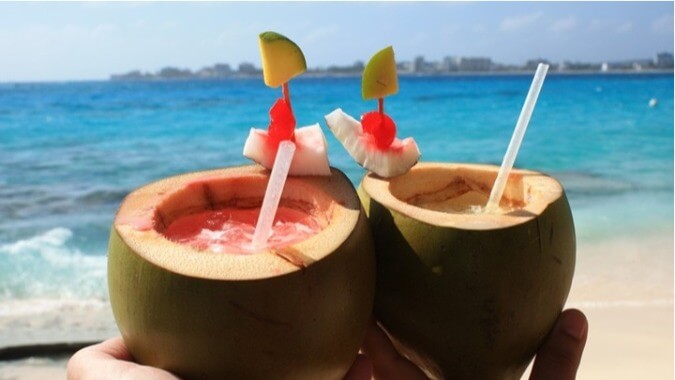 Coconut: a key component of Caribbean cuisine / Photo: Daytours4u[/caption]
Santa Marta
The Pearl of the Caribbean offers a multitude of culinary experiences, as varied as the shades of blue in Tayrona National Natural Park and Taganga. Santa Marta's historic center is currently a trendy spot for tourists thanks to its tranquility and colonial charm. In recent years, local dining options have exploded, but be careful when eating street food, as the coastal water isn't of good quality and your stomach might not be used to it. Some recommendations in Santa Marta's historic center include Lamart Restaurant, a seafood spot that offers an explosion of flavors; their signature dessert is fried ice cream , a rather enticing snack for those seeking new culinary experiences. A little further from the center is La Primera Restaurant , strategically located to offer excellent views of the bay and a diverse selection of international dishes. If you plan to stay in Taganga, you have several options, such as Bítacora Restaurante , a place with a wide variety of culinary offerings, or Babaganoush , a restaurant and bar where the owner is dedicated to providing the best experiences for his guests. Plus, there's a 2-for-1 cocktail special before 10 pm. Travel tip : To get from downtown Santa Marta to Taganga, simply take a city bus or an Uber if you prefer a more comfortable ride. [caption id="attachment_3616" align="aligncenter" width="675"]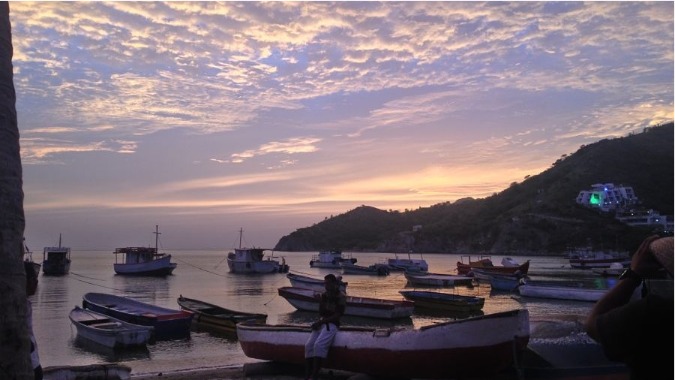 Taganga: Take the opportunity to contemplate its magical sunsets / Photo: Laura García[/caption]
Cartagena
This magical Caribbean city, famous for its film, literature, and classical music festivals, contrasted with vibrant rhythms like champeta, offers visitors a diverse culinary scene ranging from street food to elegant restaurants. If you're a curious traveler, we recommend taking a street food tour . This tour is an opportunity to learn not only about the dishes themselves but also about their preparation and history. To complement this experience, you can stroll through the Bazurto Market, where you'll find all kinds of regional cuisine, music, and handicrafts. Although it's very popular with tourists these days, we advise visiting the Bazurto Market with a local guide , as being off the beaten tourist track, the experience of both safety and interaction with locals can be overwhelming. If you prefer a more comfortable experience, dining at La Mulata is a more sophisticated option without straying from the traditional. This restaurant is located within the Walled City, so the atmosphere is much more relaxed. If you love the sea breeze, you must visit Café del Mar , located on the city wall. This restaurant and bar, besides being one of the most famous in the country for its exclusive menu and stunning views, offers an extensive selection of liquors and irresistible dishes. http://www.youtube.com/watch?v=K41oTuMm_RkMedellín
The Paisa region is ideal for experiencing both tradition and new adventures. The typical diet of this area is based on grains like beans and corn , which you'll find in every dish at upscale restaurants. However, in this city, you can find everything from molecular gastronomy to traditional dishes and international cuisine. Another must-do for experiencing the local gastronomy and culture is a visit to the market square . Besides learning about regional products, the restaurants there are an excellent option for breakfast while immersing yourself in the daily life of the locals. Book a tour to Medellín here. For lunch, enjoy a bandeja paisa at La Hacienda , a restaurant located in the city center, famous for its beans. Or you can try it at La Chagra , an Amazonian restaurant located in the El Poblado neighborhood. This type of cuisine is exotic, so we advise you to ask the waiter about any unfamiliar terms. For dinner, Marmoleo offers music, a pleasant atmosphere, and a chicharrón ceviche you can't miss. As complementary experiences, we invite you to visit El Cielo restaurant, where you'll find molecular gastronomy, and take a tour of Medellín's most vibrant bars , so you can immerse yourself in the nightlife and its liquors. Travel tip : The best thing about the dishes in this city is that you can easily learn to prepare them, and most of the ingredients are available in other countries, so if you fall in love with these typical dishes... [caption id="attachment_3617" align="aligncenter" width="675"]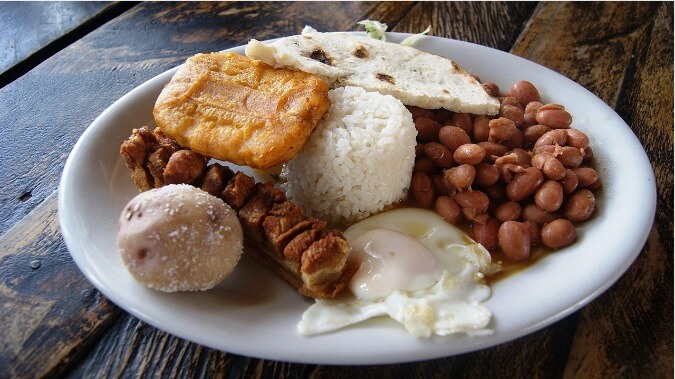 The bandeja paisa is one of Medellín's emblematic dishes. / Source [/caption]
Bogotá
Like any major metropolis, the Colombian capital offers international cuisine, fusion food, and the country's most traditional dishes. If you're only visiting the capital for a few days, we recommend starting in the La Candelaria neighborhood . This neighborhood boasts a vibrant mix of colors and architecture that will transport you back to the colonial past. It's the best place to experience Colombian Andean flavors, as the high concentration of universities, offices, and tourists means its streets are lined with restaurants where you can try ajiaco, tamales, and arepas. Another colonial neighborhood in Bogotá is Usaquén , a town absorbed by the city, where you'll find a wide variety of bars and restaurants, such as Felinos , a small spot serving home-style food and one of the best ajiaco (a soup with three types of potatoes and a chicken base) in the city. For dinner, the renowned Andrés Carne de Res restaurant and bar is the place to experience Bogotá's nightlife. This establishment is one of the most famous in the country, with its main location on the outskirts of Bogotá and another branch in the Zona Rosa . It's sometimes difficult to get a spot there on weekends. [caption id="attachment_3618" align="aligncenter" width="675"]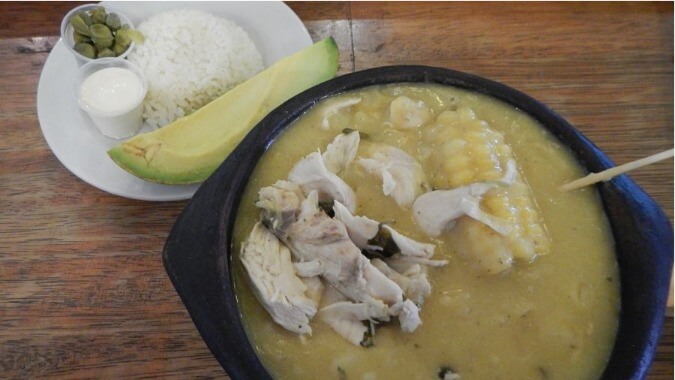 In Bogotá, stop by the Usaquén neighborhood and try one of the ajiacos. / Photo: Multivac42
Bucaramanga
The capital of Santander, like the rest of the department, boasts a rich culinary culture based on yucca , desserts like bocadillo veleño made with sweet guava, and snacks like hormigas culonas (big-bottomed ants). One of the best places to enjoy local cuisine is La Puerta del Sol , a restaurant with over 60 years of experience where you can find dishes like mute (a typical Santander soup), roasted goat , and other delicacies. Our advice is to visit the towns of Santander for a complete culinary and historical experience. You'll discover that many were the epicenter of Spanish settlements and independence movements. During the colonial era, the Spanish settlements left coffee as a legacy, a crop that later spread to other parts of the country. If you're in this region, don't miss the opportunity to visit a coffee farm and learn a bit about Colombian history. [caption id="attachment_3619" align="aligncenter" width="675"]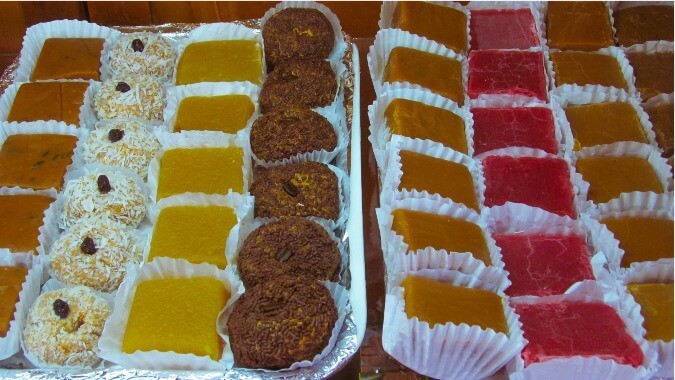 Try all the guava-based desserts in Bucaramanga / Photo: Daytours4u[/caption]
Pereira
As the largest city in the three departments that make up the Coffee Region , you'll likely decide to spend at least one night there. If so, one restaurant you shouldn't miss is Latino , a place serving typical Colombian Pacific cuisine featuring seafood and fish, prepared with innovative techniques. Since it's not a major tourist destination, we recommend it as a stopover. Near Pereira, you can find other places to eat while enjoying incredible views, such as Santa Clara, a rodizio (a traditional Colombian barbecue restaurant) located 20 minutes from the city on a Chiva (a traditional open-air bus). Take advantage of your time in the Coffee Region to explore the local farms, visit the plantations, and savor the high-quality coffee with the authentic coffee experience in Pereira .We hope this guide has whetted your appetite and made you hungry for adventure, encouraging you to discover the best of Colombia.
Book your best experiences in Colombia here.
By: Laura García Betancur , Colombian journalist and audiovisual communicator from the University of Manizales, Colombia
Published by Has Chacon on 03/06/2026


