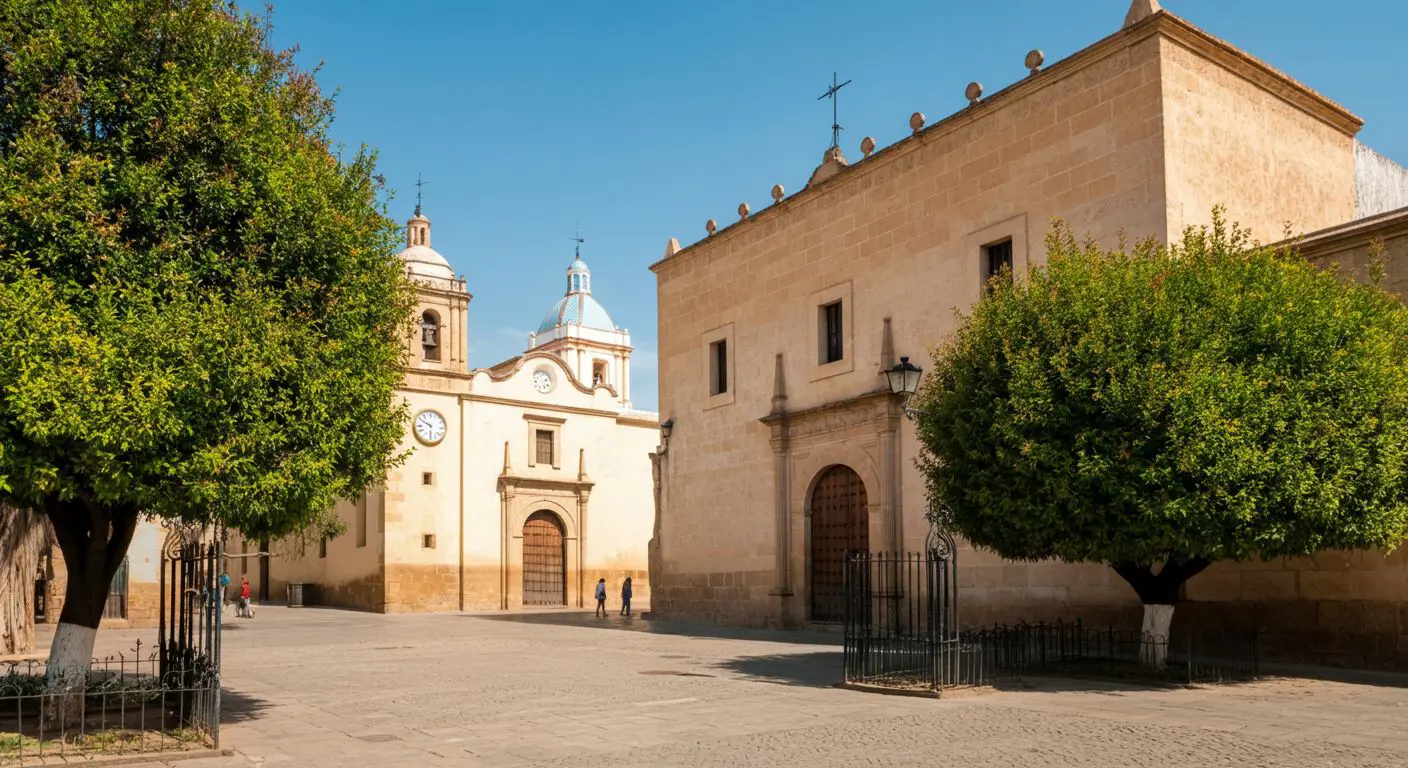
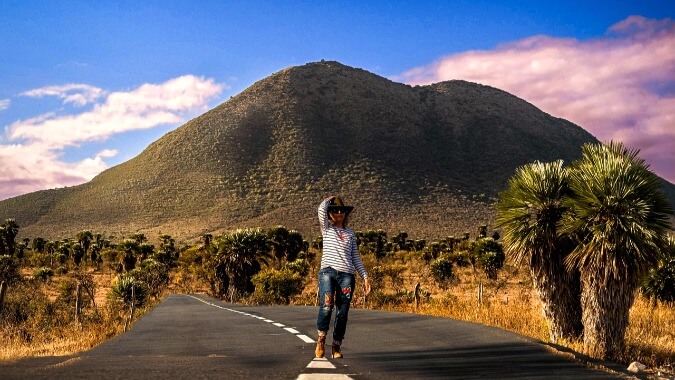
 It was named in commemoration of the province of Córdoba in Spain / Photo: Canva Pro
GENERAL INFORMATION
The City of Córdoba Córdoba is the second largest city in Argentina and the capital of the province of the same name. Located 700 km northwest of Buenos Aires , the province is considered a strategic location , as it connects the four corners of the country by land and air, making it a hub for logistics, social events, gastronomy, and high-end hotels . The city of Córdoba currently has a population of 1.5 million and is situated in the center of the province on the banks of the Suquía River (also known as the Río Primero), at the foot of the Sierras —a long mountain range that cuts across the vast plains of the Argentine Pampas.
The city of Córdoba was one of the first cities founded by the Spanish in the Americas. Its founding dates back to 1573 , and it was named in honor of the province of Córdoba in Spain. For this reason, this beautiful city became one of the first capitals of the Spanish colony on the continent and one of the first centers of Catholic evangelization in the region, after the Jesuit Order established itself there.
The influence of the Jesuits in Córdoba not only brought about the spread of Catholicism among the inhabitants, but also allowed for the introduction of higher education to the country, with the founding in 1613 of the oldest university in Argentina—and one of the first in all of the Americas. I am referring to the National University of Córdoba , a center of higher education that today is the second largest university in Argentina , after the University of Buenos Aires (UBA). As a result of such innovation, the city of Córdoba has earned the nickname "La Docta" ( The Learned One), not only because it remains a top destination for national and international students , but also because it is recognized for its culture, as the intellectual heart of Argentina .
MAIN ATTRACTIONS OF CORDOBA
The impressive Córdoba Cathedral , built in the city center during Córdoba's founding, next to Plaza San Martín, illustrates Córdoba's history through its architecture, reflecting the influence of the Classical, Baroque, and Colonial periods. The influence of religion on Córdoba's culture is evident as you stroll through its streets. Its magnificent churches around the historic center, such as the beautiful Church of the Monastery of Santa Teresa and the Church of Santa Catalina de Siena , are two examples of the mastery achieved by Córdoba's traditional architecture .
Taking a guided tour of Sarmiento Park in Córdoba is a must-do activity. It's the perfect place to relax and connect with nature. It's the largest park in Córdoba and one of the largest green spaces within a South American city. The Natural Science Museum and the Córdoba Zoo are located within the park, as is the Greek Amphitheater , where you can see impressive open-air performances . An artificial lagoon with two small islands that you can visit by boat is a perfect place to unwind and escape the city.
The city of Córdoba—known as the cultural center of Argentina —is also home to a variety of high-quality museums, such as the spectacular Evita Fine Arts Museum , the City Museum , and the Caraffa Fine Arts Museum . Another activity to enjoy while visiting Córdoba is a stroll along the Paseo del Buen Pastor , the city's recreational and commercial heart, where you can eat, drink, shop, and experience the local culture, customs, and traditions.
The Apple and the Jesuit Estates
One of Córdoba's most famous and emblematic attractions is the Jesuit Block . This large city block includes the Church of the Society of Jesus, the Domestic Chapel, the Residences, and the Main Office of the National University of Córdoba , among other administrative buildings. This complex showcases the social centrality of the Jesuit order and provides a unique perspective on the history of the city and the Jesuit organization.
In the Province of Córdoba, there are five large Jesuit Estancias (or haciendas): Altagracia , Santa Catalina , Jesús María , Candelaria , and Caroya , which have been beautifully preserved to this day. These Estancias were once among the most important centers of the Jesuit order's religious activity, and now they can be visited on a guided tour along a 250-km route that connects them. In 2000, UNESCO declared the Jesuit Block and the Estancias a World Heritage Site .
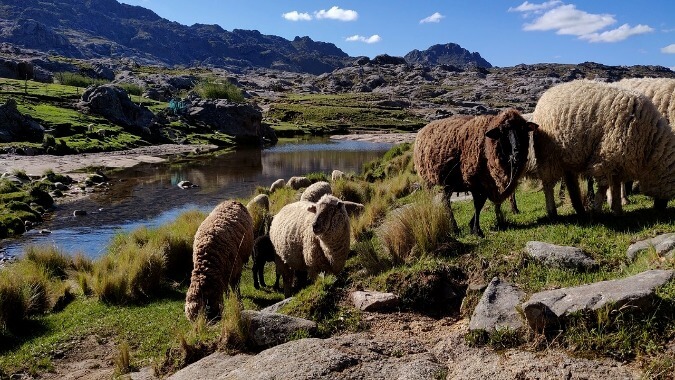 The city of Córdoba is renowned for its stunning scenery and views provided by its natural surroundings / Photo: Canva Pro
RURAL SURROUNDINGS OF THE CITY OF CORDOBA
One of the things that makes the city of Córdoba so spectacular is the breathtaking scenery and views offered by its surrounding natural landscapes . If you're planning a trip to Córdoba, an excursion to the valleys and mountains that surround it, where nature abounds, adorned with lakes, rivers, and waterfalls, is a visit you simply can't miss.
Just outside the city of Córdoba lies Villa Carlos Paz , a town known as the gateway to the stunning Punilla Valley and one of the most popular destinations in the Province of Córdoba , attracting thousands of international visitors as well as locals who love it. A day trip from Córdoba makes it easy to visit this town. And if your plan is to explore the breathtaking Punilla Valley, stopping in Villa Carlos Paz is an excellent way to begin your journey.
Another interesting place to visit very close to the city of Córdoba is Lake San Roque - a large reserve that was once the largest artificial lake in the world - an ideal place for recreational activities and water sports such as swimming, canoeing, sailing and windsurfing.
To the west of the city stretches the Sierras Grandes mountain range, a favorite spot for climbers and adventurers seeking thrills. The area known as Los Gigantes , in particular, offers a blend of adventure and tranquility, showcasing the beauty of the landscape. If you travel south, you can visit Sierras Chicas and continue exploring until you reach Traslasierra —the most isolated region of the province, accessible via the Camino de las Altas Cumbres (Road of the High Peaks ), a place where nature remains untouched. Even further south, you'll find the Calamuchita Valley , one of the most picturesque landscapes in the province, as well as the town of Villa General Belgrano and the alpine-style village of La Cumbrecita.
HOW TO GET TO CORDOBA
By Bus
A bus trip from Retiro Bus Terminal in Buenos Aires can take up to 10 hours . The service is provided in comfortable vehicles that offer seats or beds. Meals are served on board, and all buses have restrooms and show movies during the journey. Several companies cover this route daily: General Urquiza, Plus Ultra, Nueva Chevallier, Empresa Gutierrez, Rutas del Norte, Expreso Que Bus, El Turista, El Práctico, Betel, Encon, and Autotransportes. Prices range from AR$350 to AR$400; tickets can be booked directly on each company's website or on theOmnilíneas website, where you can find all prices, providers, and schedules.
By Train
If you take the train from Retiro Station in Buenos Aires to Mitre Railway Station in Córdoba, the journey will take approximately 15 hours ; trains run only on Mondays and Wednesdays . Although it takes a little longer than the bus, this is a very pleasant and economical option. There is an onboard car that serves as a restaurant and bar, and sleeper berths are available. However, you should make sure to book your tickets well in advance, as they sell out quickly. Tourist Class costs approximately AR$30; First Class AR$50; Pullman AR$90; and a sleeper car (beds for two people) AR$300. (All prices are regulated by the government.)
By air
Córdoba is located 713 km northwest of Buenos Aires. A nonstop flight takes approximately one hour and twenty minutes to cover this distance. Two airlines fly this route daily: Aerolineas Argentinas and LAN . Prices vary depending on the travel date, so it's advisable to check the airlines' websites for prices and schedules.
Córdoba International Airport is officially named Ingeniero A. Taravella Airport, but it's more commonly known as Pajas Blancas Airport. Located 11 km from the city of Córdoba, its IATA code is COR . If you plan to fly into Córdoba Airport, follow our link and book a convenient and safe round-trip transfer from the airport to your hotel or accommodation.
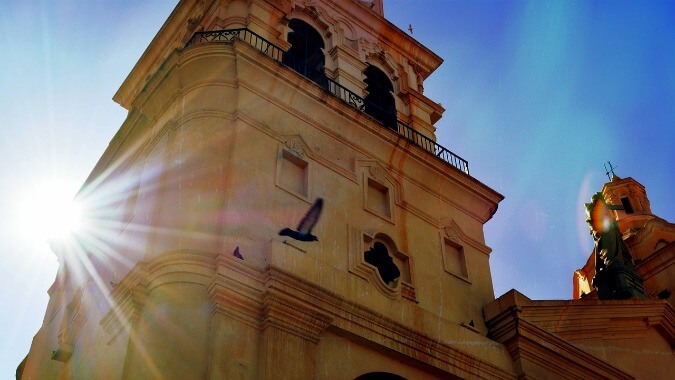 The climate of the city of Córdoba is temperate subtropical humid with dry winters, a climate also known as Pampean / Photo: Canva Pro
THE CLIMATE IN CORDOBA
Córdoba has a humid subtropical climate , moderated by cold winds that rise from the Pampas and originate in Antarctica. The average daytime temperature is generally warmer than in Buenos Aires ; however, in the early morning, the temperature can drop dramatically, especially during winter. Add to this the low humidity and the possibility of escaping the cold in the surrounding mountains, and you'll surely conclude that the climate in Córdoba is much more pleasant than that of the capital.
Spring in Cordoba
During this season, the weather is extremely variable , with strong winds, long periods of cold, dry weather, and freezing nights, followed by heat waves with temperatures that can reach 38°C. These heat waves are often accompanied by storms, hail, and strong winds. It's common for the temperature to drop below 20°C, or for periods of frost to be immediately followed by extreme heat. In October, the days are warm, but the nights remain cold, averaging 11°C. In November, the weather is similar to summer, but the nights are colder.
Summer in Cordoba
It begins in late November and extends until early March ; temperatures can range between 28°C and 33°C . Heat waves are common and can reach up to 38°C; during these periods, the nights are hot and humid. Winds from the Pampas bring some relief, accompanied by thunderstorms and cooler days. In the morning, temperatures can drop to 15°C or lower.
Autumn in Cordoba
In late February and early March , the nights begin to get colder; temperatures then fluctuate between 27°C and 15°C . April is significantly dry and offers the best weather conditions, with average temperatures ranging from 24°C to 12°C. The onset of winter can only be felt in late April or early May, when the first frost appears; however, this is the driest time of year, with only 20 mm of rainfall. During this period, the highest temperature is 21°C and it can drop to 8°C. Heat waves can still occur during autumn, reaching temperatures of 33°C.
Winter in Cordoba
From late May to early September, with average temperatures between 4°C and 18°C , winter arrives. If, fortunately, the northwest wind blows, a brief spell of warm weather occurs, bringing temperatures up to 30°C for a few days. On the other hand, if the winds come from the Atlantic coast, there can be many days of light rain and freezing temperatures. When icy winds blow from Antarctica, the temperature can drop to 6°C during the day and even to -5°C at night. Snowfall is a rare occurrence within the city itself, but it is somewhat frequent in the surrounding areas where the mountains begin.
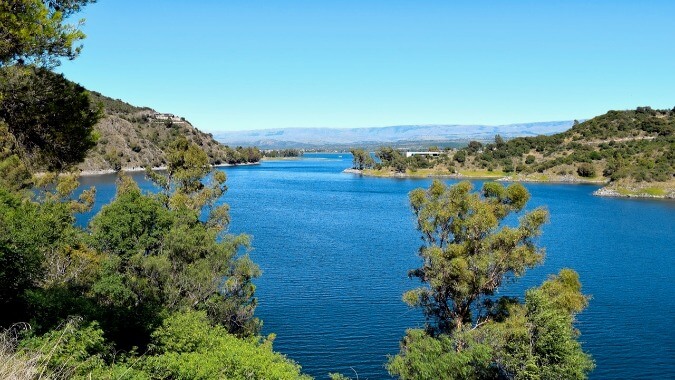 Córdoba is located in the Argentine region known as the Pampas plains / Photo: Canva Pro
PRACTICAL TIPS FOR TRAVELING IN CORDOBA
Oktoberfest in Villa General Belgrano
During the month of October, the town of Villa General Belgrano becomes the venue for one of the biggest attractions in the Córdoba region: the National Oktoberfest Beer Festival . The small village of Villa General Belgrano was founded in 1932 by immigrants from Germany, Switzerland, and Austria; it is characterized by its European Alpine-style architecture, its excellent cuisine, and the wide variety of cultural events that take place there.
Many European traditions still survive in this village. A German newspaper circulates weekly, and the Sunday church service is conducted in German. Furthermore, every year the village hosts the famous and internationally renowned Córdoba Oktoberfest , dedicated entirely to preserving Germanic beer culture through the use of folk costumes, large orchestras playing traditional Central European music, and German favorites like Apfelstrudel, Leberwurst, and Spätzle; and of course, countless liters of good beer. These ingredients make the National Beer Festival an unmissable event, growing in popularity year after year and attracting visitors from all over the world. If your visit to Argentina doesn't coincide with the festival dates, don't worry, the village, with its red roofs and wooden structures, its breweries, pastry shops, and chocolate stores, remains open year-round. So you have no excuse not to add this beautiful town to your list of the best places to visit in Córdoba .
By: Daytours4u Content Team.
Published by Has Chacon on 03/06/2026


