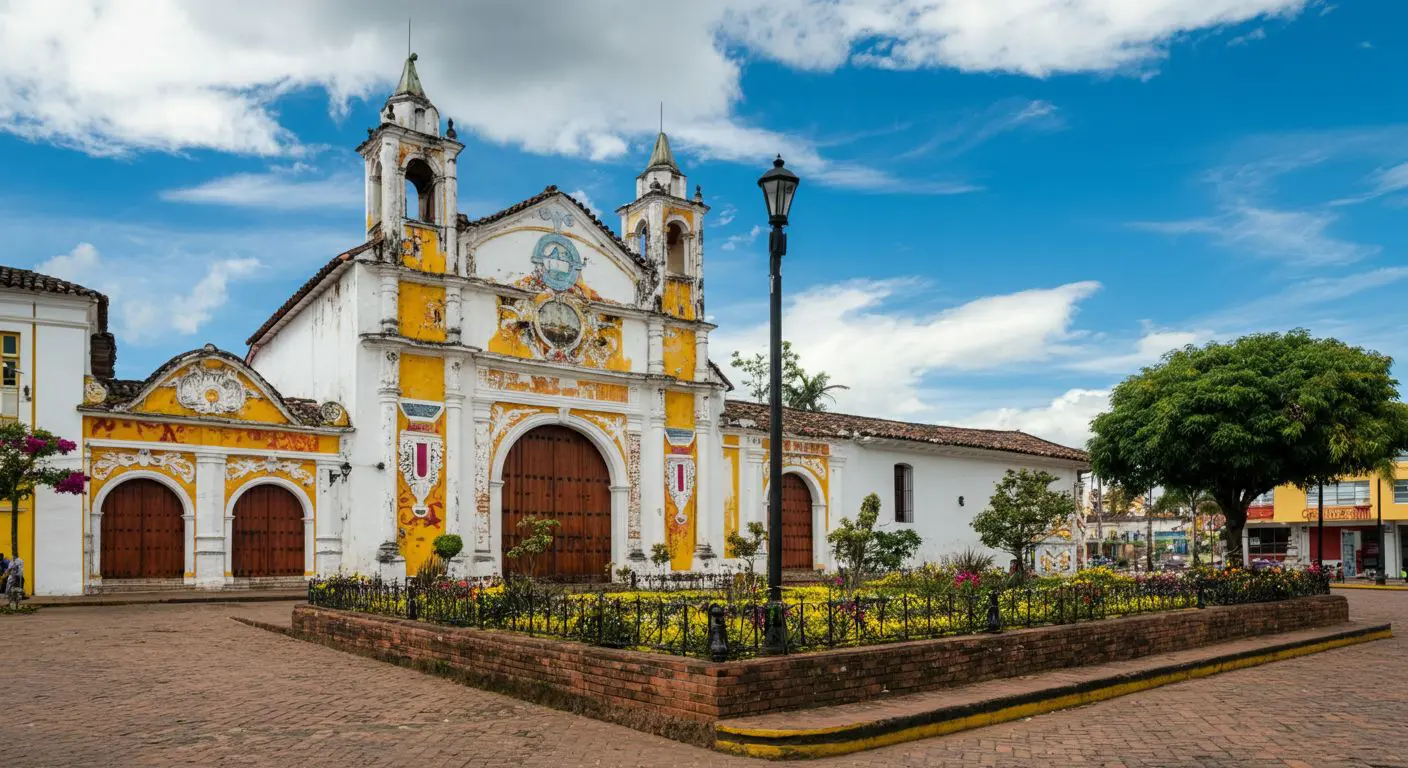
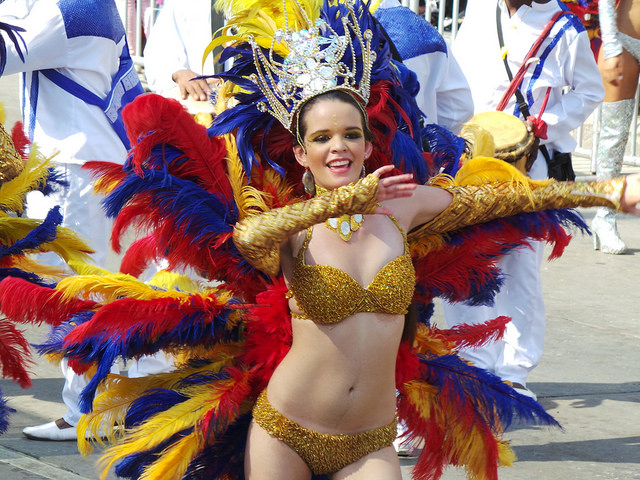
 Yellow, blue, and red are the official colors of the Barranquilla Carnival. / Source. [/caption]
One of the most important elements of the Barranquilla Carnival is the artistic and cultural groups that prepare to participate in the parades. They are responsible for safeguarding the tangible and intangible heritage that breathes life into the festivities, parades , and festivals that make up the carnival.
To help you identify and understand the many forms and meanings of the cultural heritage of the Barranquilla Carnival , we've prepared this post outlining its main elements and key characteristics. This will allow you to begin to grasp the essence that gives life to this amazing expression of the human spirit.
Carnival troupes of Barranquilla:
[caption id="attachment_911" align="aligncenter" width="2048"]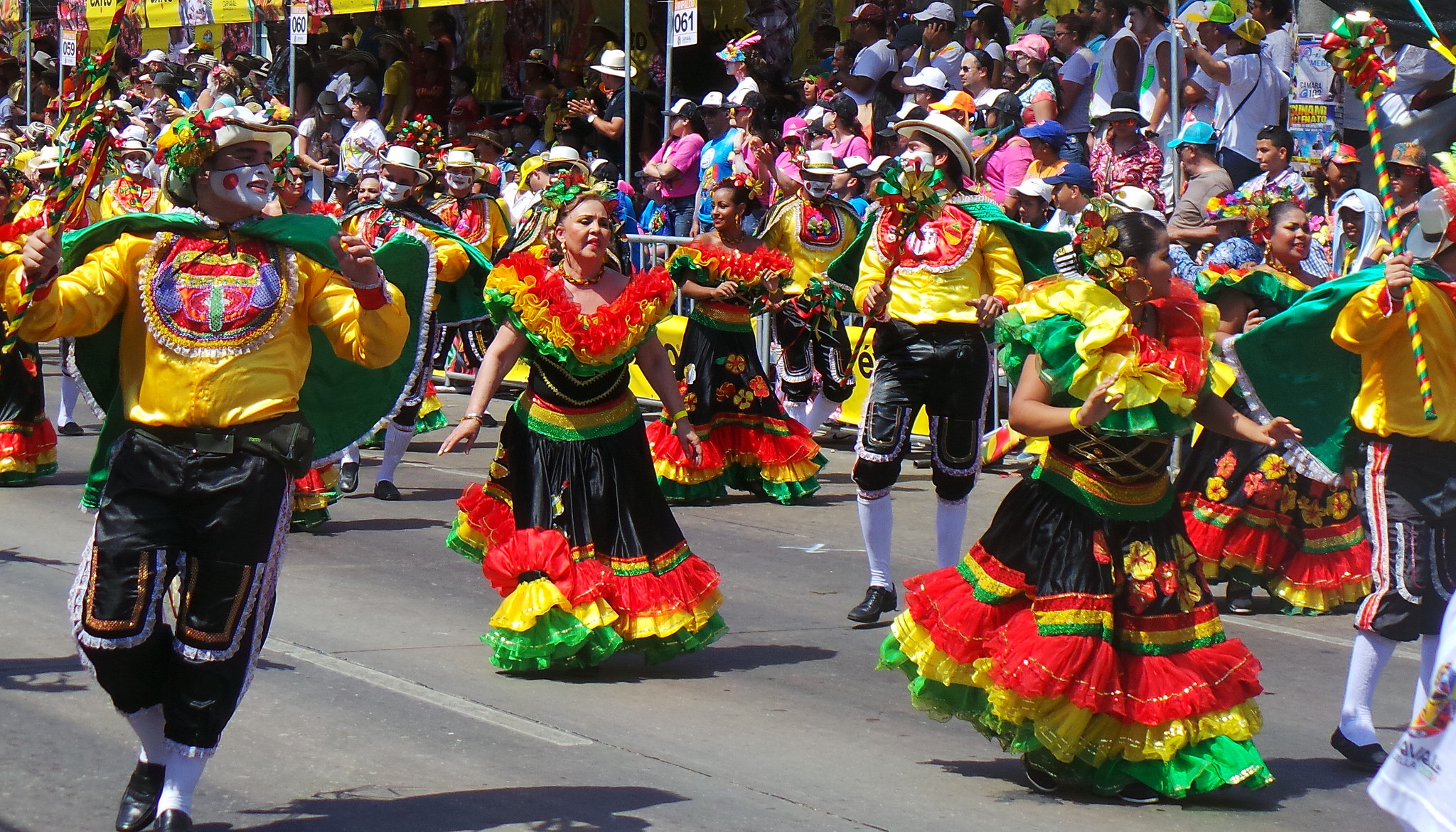 Garabatos troupe performing their dance during the Barranquilla Carnival. / Source. [/caption]
Carnival troupes are groups of people who come together to participate with their respective dances, music, and costumes in the parades and competitions organized during the Barranquilla Carnival . The oldest troupes that still participate in the carnival are known as 'Leaders of Tradition,' and some of them date back to the 19th century, such as: Congo Grande de Barranquilla (1875), El Torito Ribereño (1878), and Congo Grande de Galapa (1886). The other leading troupes emerged between the 1930s and 1960s, and their performances are essential for a true carnival celebration. In addition to these groups, more and more troupes join the Barranquilla Carnival each year, totaling more than 150 folkloric groups that participate in the festivities annually. There are two types of troupes: Traditional Troupes and Fantasy Troupes. Each type is featured on a day of parades. The first one headlines the Grand Parade of Tradition and Folklore , the second, the Grand Parade of Fantasy . However, the sheer number of groups has led to a mix of troupes of each type appearing in the parades.
Barranquilla Carnival costumes:
[caption id="attachment_943" align="aligncenter" width="465"]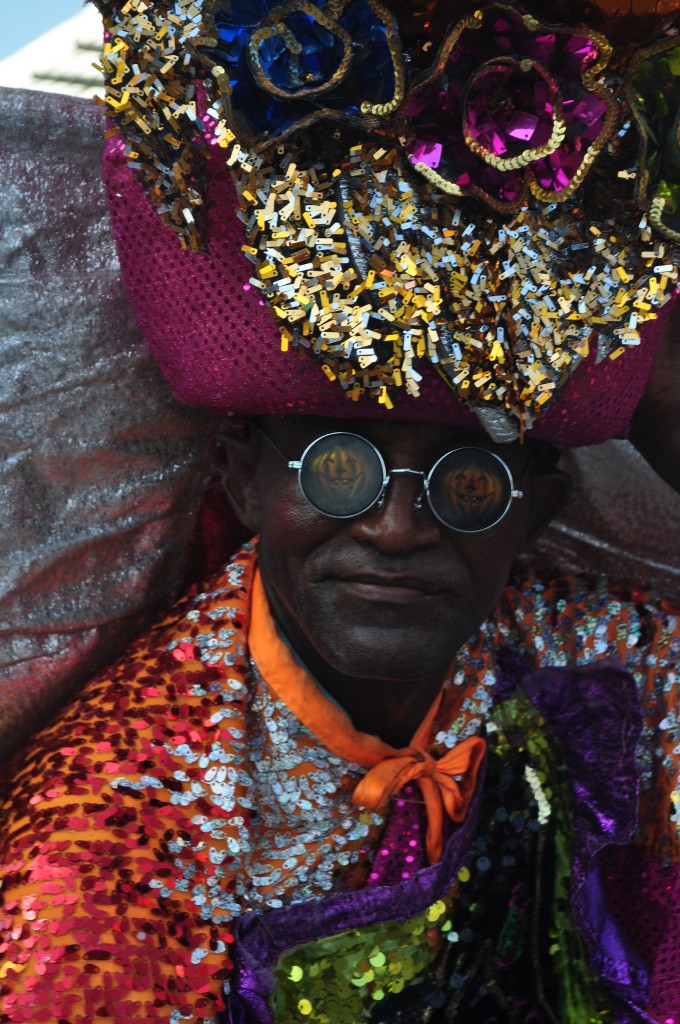 The Congo represents the ancient warriors of Africa. / Source. [/caption]
The costumes are the representations of the characters who accompany the carnival royalty and participate in the parades. Some are part of the region's indigenous heritage , while others are recent creations of popular imagination. The oldest costumes stem from indigenous, African, and European myths and history , such as the Torito (Little Bull), the Marimonda (Marimonda), the Congos, the Harlequin Devils, the Caiman Man, the Coyongo Birds, the Faroto Indians, and the Kangaroo Blacks, among others. The rest are original creations born from a single idea or incorporated through mass media; some of the most representative are María Moñitos (Little Bows), Barriga de Trapo ( Rag Belly), Macho Man, the Gorillas, and many more.
Dances of the Barranquilla Carnival:
[caption id="attachment_944" align="aligncenter" width="702"]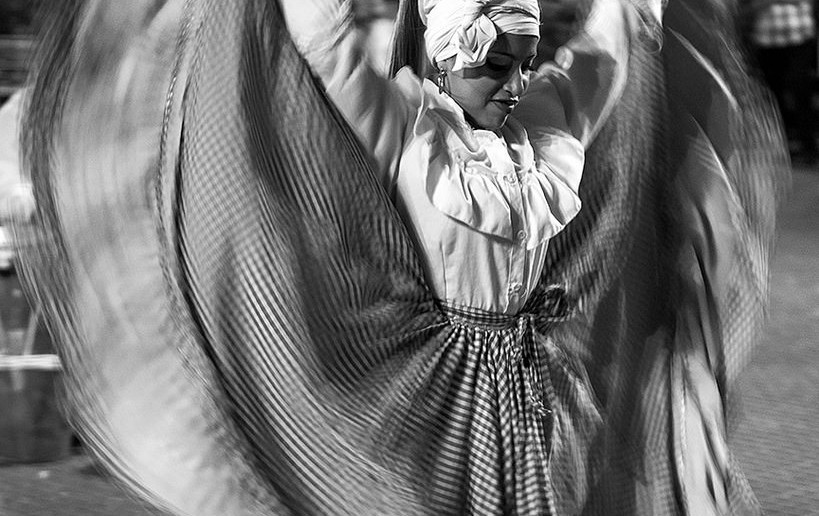 Cumbia is a blend of indigenous, African, and Spanish traditions. / Source. [/caption]
The dances are choreographies organized around the various characters of the Barranquilla Carnival . Each dance uses a particular rhythm, costumes, and music that characterizes it. The movements of the dances represent animals , objects, legends, myths, or historical events through their performance and are one of Colombia's most powerful and beautiful intangible cultural heritages. The dances are usually divided into two main groups: traditional dances and relational dances . The former use the body and costumes as central elements, through which different beings and objects are imitated and represented. The latter have a more theatrical character, and in them, orality and events take on great importance. Some of the most characteristic dances are: the Dance of the Monocucos , the Dance of the Congos, the Mapalé Dance , the Farofas Dance, the Garabato Dance , the Son Negro Dance, the Paloteo Dance , the Cumbiamba, among many more that are part of the traditions or arise from the blending of new elements.
Music from the Barranquilla Carnival:
[caption id="attachment_945" align="aligncenter" width="580"]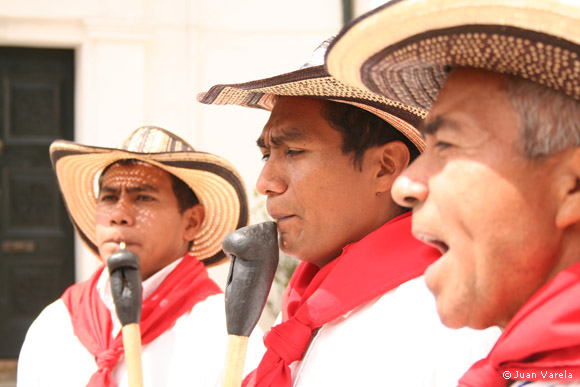 To the sound of bagpipes and drums, Colombia's cultural heritage is transmitted. / Source. [/caption]
The number of rhythms from the Lower Magdalena and Caribbean region is countless. Tambora, puya, porro, bullerengue sentao , garabato, vallenato, guaracha, merecumbé, and mapalé are just a few. However, the star of the Barranquilla Carnival is cumbia , one of Colombia 's most popular rhythms, which has spread throughout the Americas. This rhythm dominates the Battle of Flowers and the Grand Parade of Tradition, and many of its songs are considered anthems of the Barranquilla Carnival.
If you're reading this paragraph, it means you already have the Essential Guide to the Barranquilla Carnival memorized. Now all you have to do is come and experience it for yourself, because as the official carnival slogan says: "Those who live it, are the ones who enjoy it."
So don't waste any time and start planning your trip to Colombia right now. Check out our blog for more South American travel tips or visit our website Daytours4u. To discover all the tours and travel activities in Colombia , a truly wonderful country!
Don't miss the best tips for the Barranquilla Carnival ; find the best advice to make the most of your travel experience.
By David Luna Durán ©
Published by Has Chacon on 03/06/2026


